The Woman Who Shows Up Every Morning, and Why That Matters
At the Abakpa Nike Primary Health Centre in Enugu, health workers are quietly making a difference, one mother and child at a time.

At the Abakpa Nike Primary Health Centre in Enugu, the day does not ease itself in. It begins early, and it begins with intent.
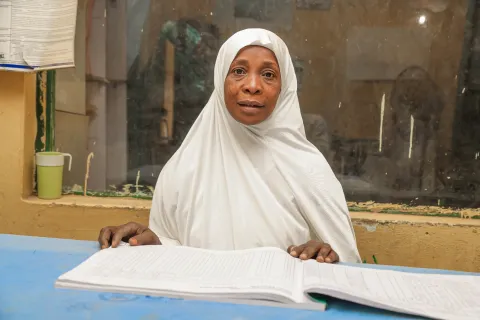
For Mrs. Gift Ugwu, mornings are not routine. They are responsibility. By the time most people are just waking up, she is already on her feet, moving from one mother to another, one child to the next. Antenatal care. Postnatal guidance. Immunization. Listening, reassuring, explaining. Holding things together in ways that often go unseen.
“I look forward to going to work every day because I know I can make a difference,” she says, smiling, not out of habit, but out of belief. “Every mother, every child that walks through our doors deserves quality care. I am proud to be part of that.”
It sounds simple when she says it. It never is.
Because behind that smile is a system that leans heavily on people like her. Long hours. Limited resources. Too many patients. Too little time. And yet, every day, she shows up.
She is not alone. Across Nigeria, across communities where access is fragile and needs are overwhelming, frontline health workers keep the system breathing. Quietly. Consistently. Often without recognition.
At this clinic, her presence is more than professional. It is personal. For a first-time mother unsure of what is happening to her body, she is reassurance. For a newborn taking its first fragile steps into life, she is protection. For families navigating fear, she is trust.
From a systems lens, the importance of people like her is beyond debate.
“Primary healthcare workers are the backbone of effective health systems,” says Dr. Ifenyinwa Anyanyo. “Their ability to deliver integrated maternal, newborn, and child health services ensures better outcomes and builds trust within communities. Investing in them, in their training, their tools, their well-being, is not optional. It is essential.”
And yet, that investment often falls short.
Across many settings, health workers operate with gaps, in staffing, in supplies, in support. The demand keeps rising. The system stretches. And the people at the centre of it are expected to carry more, give more, absorb more.
That is why the message this year is direct. Health workers are VIPs. Not as a slogan, but as a statement of what must change, they must be valued, invested in, protected, and strengthened.

UNICEF continues to work with government and partners to push that change, to strengthen health systems across Enugu State and beyond, to ensure that workers like Mrs. Ugwu are not just relied upon but supported.
“UNICEF remains committed to supporting governments in building resilient health systems that prioritize women and children,” says Mrs. Juliet Chiluwe. “That means investing in the health workforce, ensuring they are trained, supported, protected, and motivated to deliver lifesaving services. When we strengthen health workers, we strengthen entire communities.”
For Mrs. Ugwu, those big words translate into small, everyday moments. A safe delivery. A child who cries, then breathes, then settles. A mother who walks out of the clinic lighter than she walked in.
These are not headlines. They do not trend. But they are the quiet wins that hold communities together.
As the world marks Health Worker’s Week 2026, her story is not just a tribute. It is a reminder. That systems do not run on policies alone. They run on people. On those who show up, day after day, and carry the weight without asking for applause.
Because when health workers are supported, communities do not just survive.
They begin to thrive.