Teaching in mother tongue fuels a renewed passion for formal education in Borno
Lessons in Kanuri are boosting school attendance by pupils and teachers
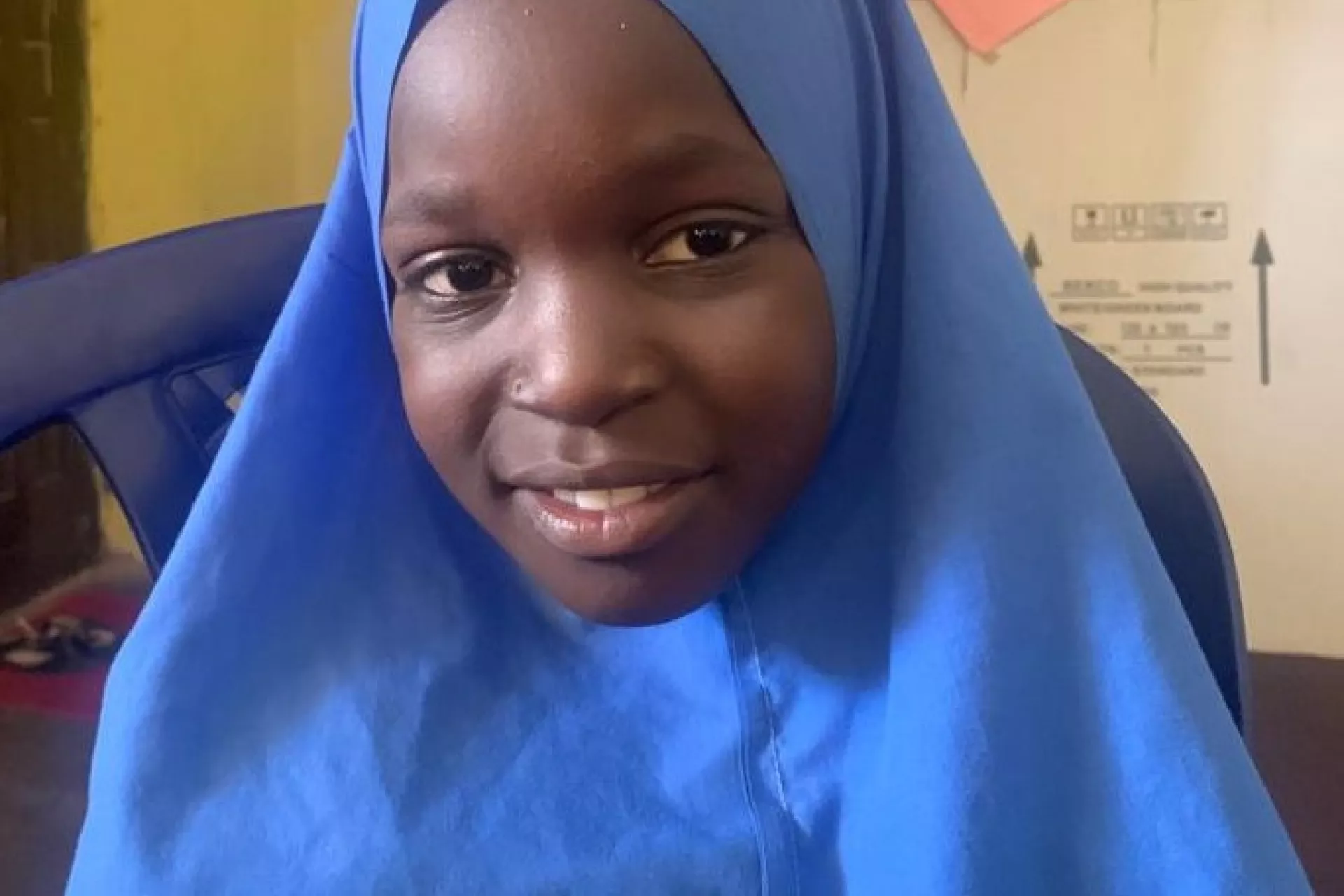
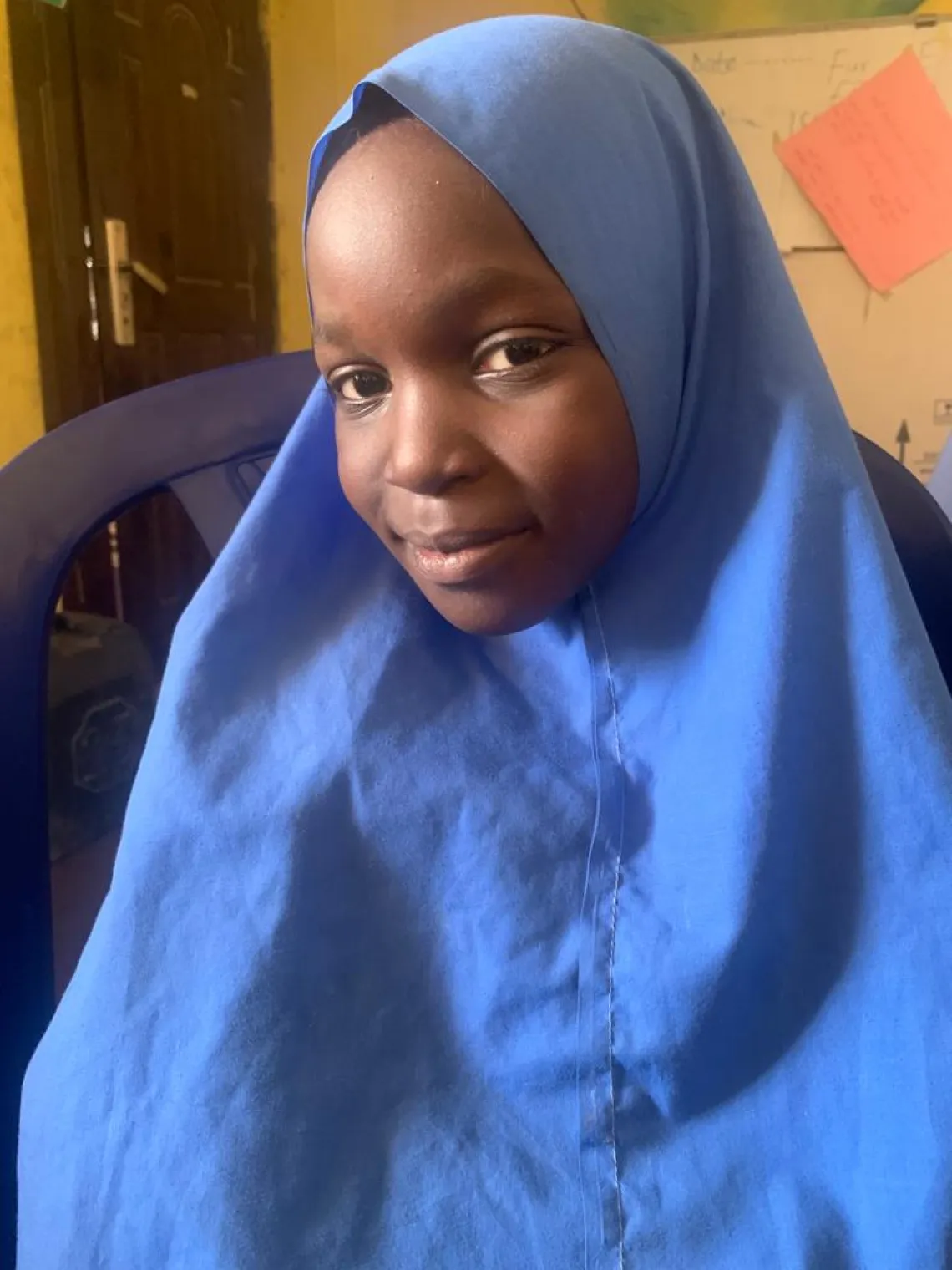
“I love school now. Whatever I am taught I understand -unlike when I was taught only in English,” said well-dressed and amiable 8-year-old Aishatu Mustapha Umar, a primary school student at Kullogumna Primary School in Maiduguri.
Though small for her age, Aisha beams with confidence as she shares her experience learning reading, writing and maths in her mother tongue, Kanuri. “The lesson sticks because it is taught in Kanuri. I am able to go over my lessons, rhymes and songs after school, over the weekend as I play, or in the mornings as I prepare for school - because I remember them,” she said.
According to UNESCO, a child’s first language is the optimal language for literacy and learning throughout primary school. Published research also shows that children whose primary language is not their language of instruction in school are more likely to drop out of school or fail in early grades.
Though the National Policy on Education in Nigeria allows for early grade learners to be taught using the language of their immediate environment for the first three years of schooling while they learn English, teaching methods to encourage children’s learning in their mother tongue have been poorly developed in Borno and many other states across the country.
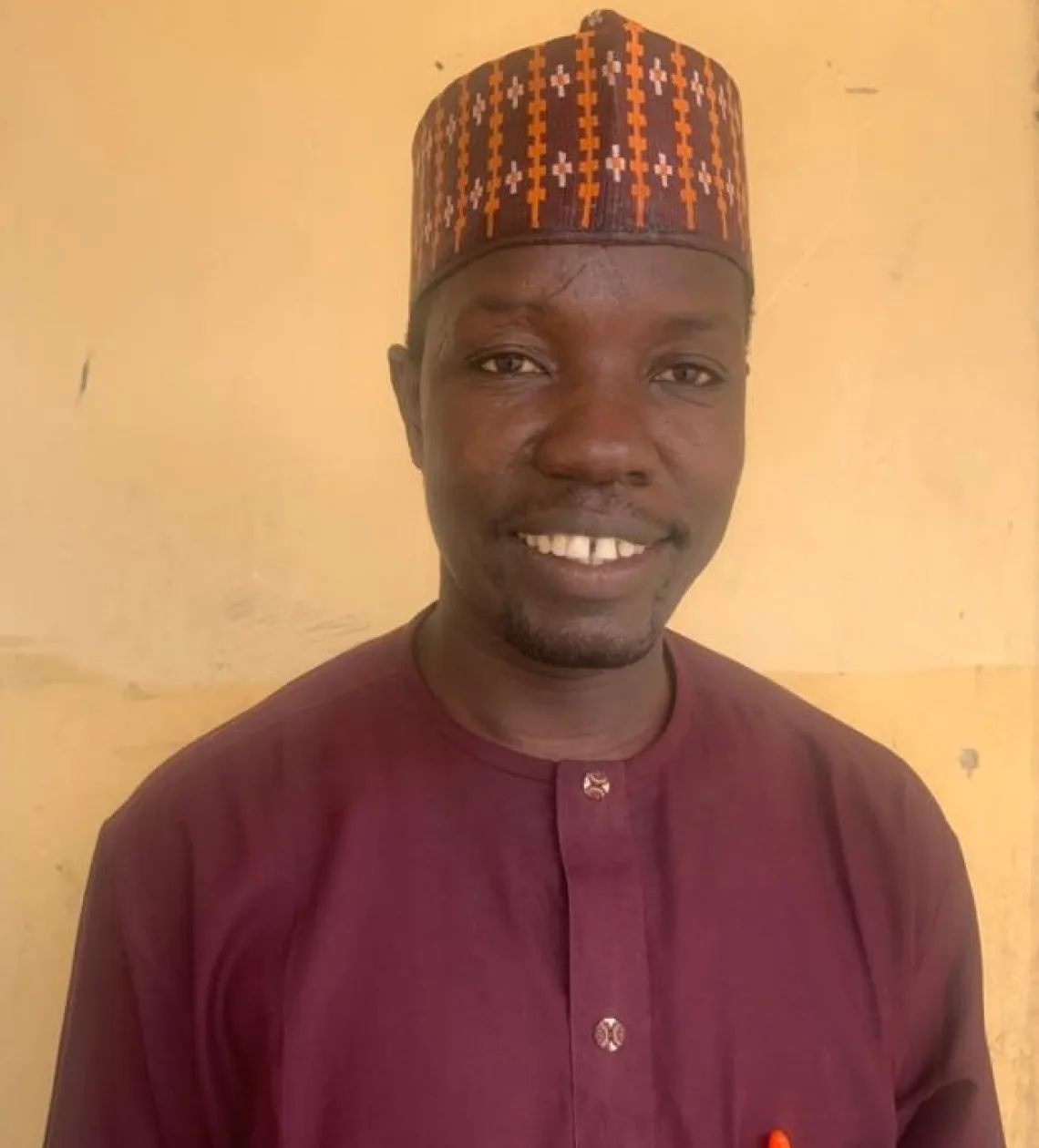
Borno also accounts for some of the highest rates of Out of School Children (OOSC). For the few children who attend school, they have shown the lowest performance in acquiring foundational skills of literacy and numeracy. Babakura Zanna, has been teaching for 12 years and confirms this “Before KARI , you will take your time to teach pupils alphabets in English from A to Z. Give them 2 minutes and ask them to repeat what you just taught them, someone will call A Z” bursting out with laughter as he shakes his bowed head bowed as if in self-pity of past frustrations.
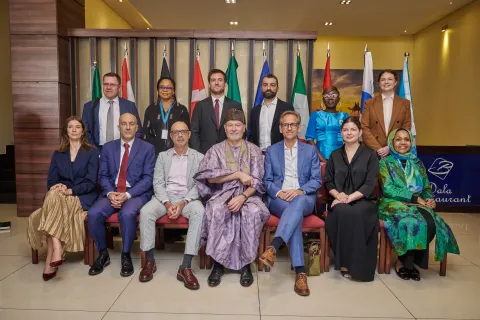
This bleak narrative is changing for the better as the Borno State Universal Basic Education Board in collaboration with UNICEF with support from the Foreign Commonwealth and Development Office have built the capacity of over 2000 teachers in the Kanuri Arithmetic and Reading Instructions (KARI) to improve learning outcomes of pupils. To ensure minimum standards are met, the capacity of 135 government officials from various government institutions and educational institutions responsible for the training and development of teachers have also been built to serve as mentors and monitors.
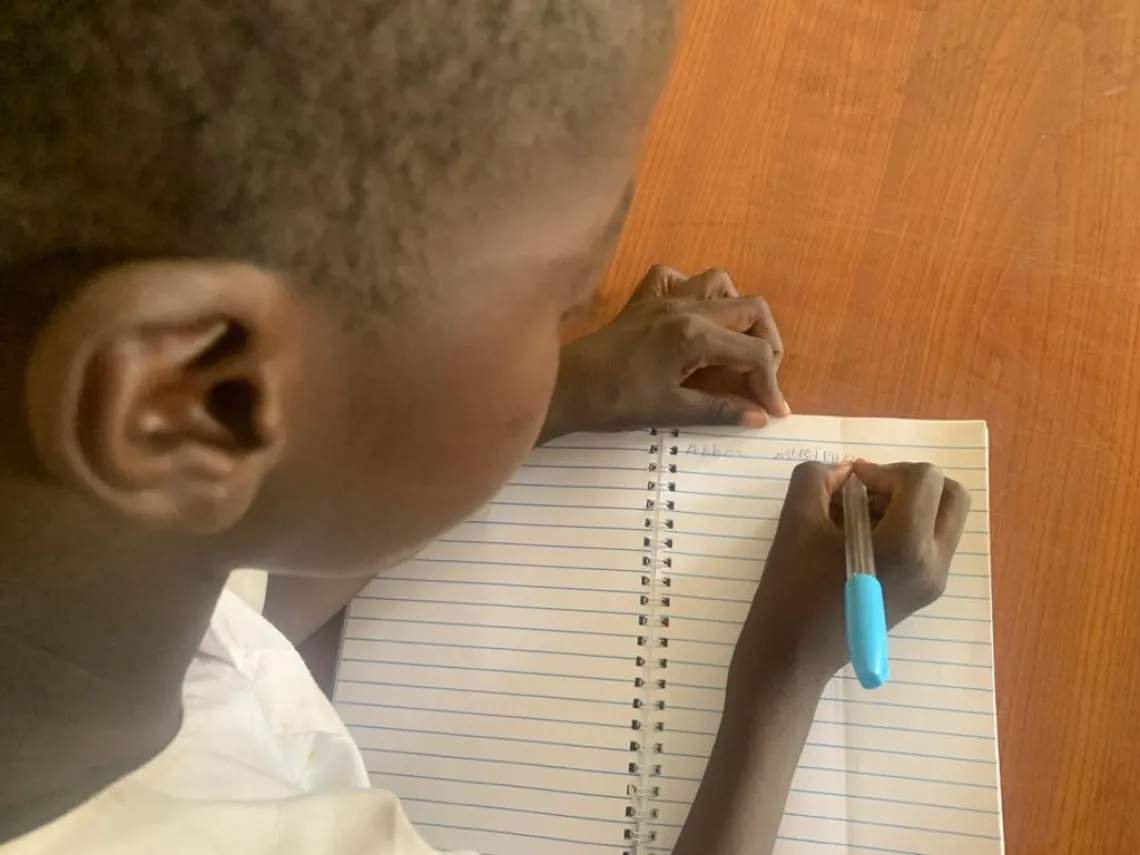
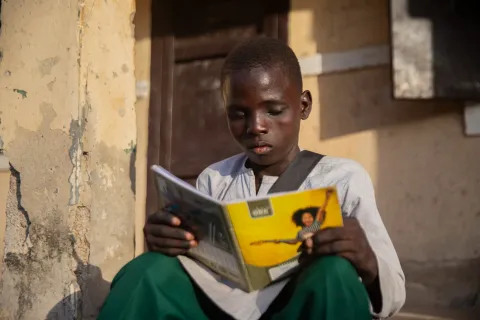
Babakura currently teaches primary two pupils in Kulloguomna Primary School and he shares how much progress they have made “In KARI we teach alphabets and sounds in Kanuri. Using the sounds pupils can now easily write their names and even the names of other pupils. In the past, this was nearly impossible he explains.
This journey has not been without bumps though. Speaking a language as a native and being able to read and write in that language are different ball games all together. “At the initial stage, most of us including some of the master trainers cannot read the Kanuri text properly, even the teachers had challenges reading the manual…….we intensified efforts so that they can read the whole thing. Now they can administer whatever is in the teacher’s guide” says Halima Usman Bakura, one of the KARI Master Trainers. Her role involves ensuring that classroom teachers have the right capacity to teach children basic literacy and numeracy skills in Kanuri, mentoring and coaching of teachers as well as monitoring to ensure that lessons are administered as planned.
Over the years, the translated curriculum, teachers guide, learners’ textbooks and training content have undergone reviews to reflect feedback from teachers and master trainers. “There were lot of mistakes initially with direct rather than contextual translation of content, also some of the songs and games were not relevant to the Kanuri context - they were Hausa songs. So far, the structure of the training and content of lessons have now been modified to suit our context” says Muhammad Babagana, another master trainer.
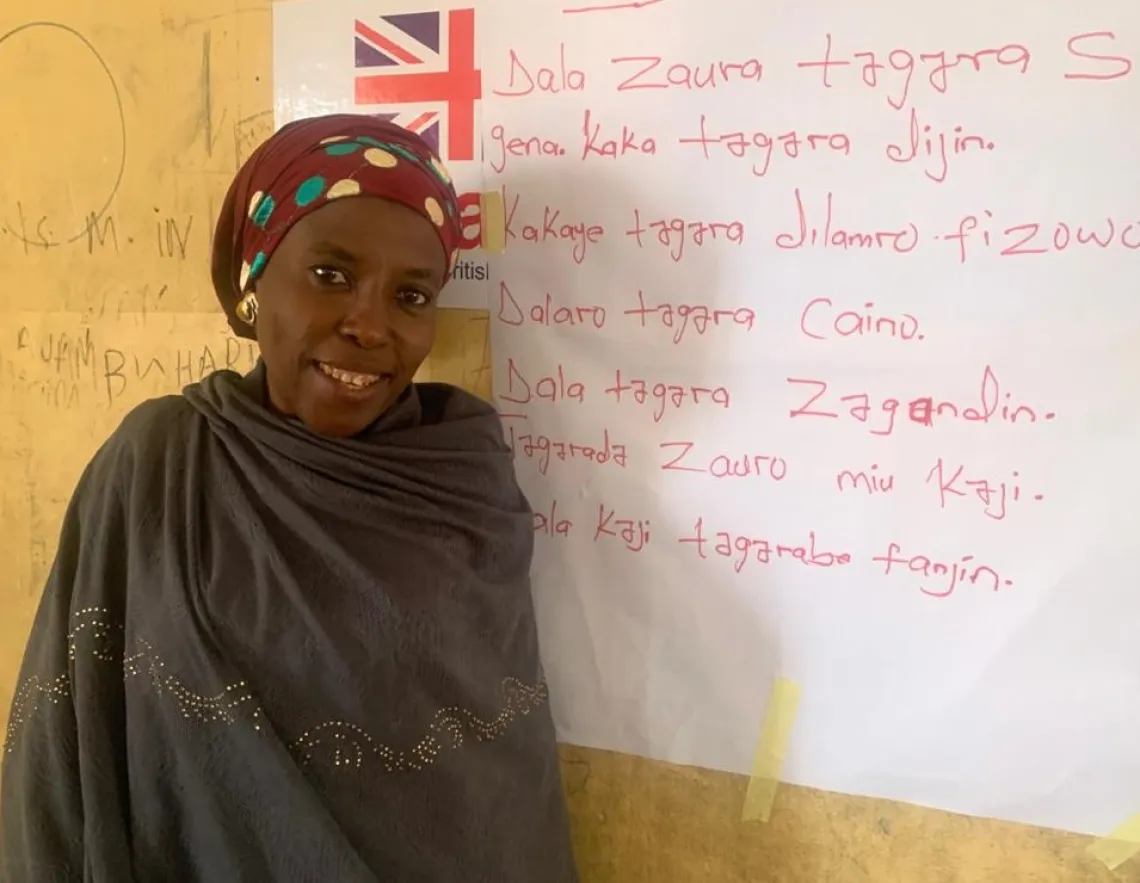
The KARI teachers guide has proven to be a useful tool along with the refresher trainings in fueling teacher’s creativity and improving their teaching skills. For Hauwa Fuduma, a primary 3 teacher at Kulloguomna Primary School with 25 years’ experience, she is excited about the use of visual aids during her lessons “….now I write or draw and paste visuals around the class so as I teach the child is also seeing the visuals so he can identify sounds with alphabets, differentiate capital and small letters, pronounce and spell names of objects or animals in Kanuri, Hausa and English”.
In Babakura’s case, it’s the ‘I do, We do and You do’ teaching methodology infusing a lot of games and songs that excites him the most. “This involves the teacher doing the task while the pupils watch, then the teacher joins the pupils to do the task and then finally the teacher pulls out to observe the pupils as they do the task on their own”. With the recent refresher training, Hauwa has realized that all three steps are no longer necessary for her pupils as they are now older and smarter. She only needs to engage in ‘We do’ and ‘You do’.
Headteacher Abubakar Jidda Kapinta is most grateful for having a vibrant school with enthusiastic pupils and teachers. “In the past, on Thursdays and Fridays most children don’t come to school but now whether its Friday or Monday, the population of pupils is always full’.
Resumption after the holidays has also improved remarkably “….if we say we are resuming today, the school will be filled with children” says Abubakar. Punctuality of both teachers and pupils has also greatly improved as the KARI lessons are taught in the mornings for one hour. “The Children don’t want to miss it because the lessons entail a lot of singing and dancing” he adds.

The community has also noticed the changes in their wards as a result of KARI “In the past before they started teaching in Kanuri, when they come home, none of them is able to even write anything but now they can write and I am very pleased” says Muhammad Al-ameen who serves as guardian to his 4 siblings attending school, taking over from his late father as the oldest son. According to Headmaster Abubakar many parents/guardians now bring their children early to school themselves with a few asking for learning aids for themselves.
Despite these improvements, Headteacher Abubakar is genuinely concerned for the many teachers he has now lost after being trained in KARI as a result of the recent verification exercise by the Borno State Government. This development has made his already lean supply of skilled teachers even leaner to match the growing number of enthusiastic learners.