Mr Toilet
How one local trader is turning affordable toilets into healthier, safer homes in Kwali.

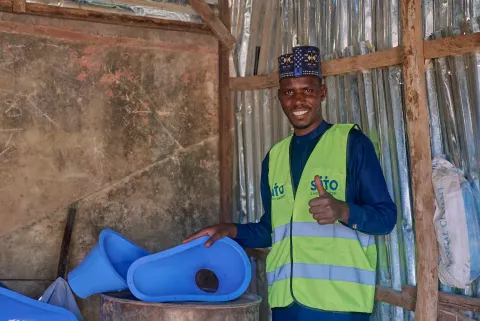
For 15 years, Ugochukwu sold toilets from his shop in Kwaita market, Kwali local government area of Abuja. But there was a problem. The toilets he sold were expensive, mostly water closets and ceramic squat pans that many families around him simply could not afford.
“I thought those were the only options,” he recalled.
Then a training changed the way he looked at his business, and at sanitation in his community.
Ugochukwu participated in a capacity-building programme for toilet business owners and sanitation entrepreneurs organized by UNICEF with support from China EXIM Bank. The training was designed to help local entrepreneurs strengthen their businesses while bringing affordable and climate-resilient sanitation solutions closer to families.
For Ugochukwu, it opened up possibilities he had never considered.
He learnt about lower-cost toilet options suitable for low-income households, practical construction methods and ways to make his business more responsive to the realities of the people he served. Just as importantly, he learnt how to talk to communities about sanitation.
“I learnt there were cheaper toilet options,” he said. “The training also taught us how to engage communities and encourage families to invest in sanitation.”
Ugochukwu returned to Kwaita with a different approach.
Today, when someone walks into his shop looking for a toilet, he does not simply point them towards the products on display. He asks what they need and, crucially, what they can afford. Families who once thought a household toilet was beyond their means are introduced to affordable alternatives that fit their budgets.
But Ugochukwu soon realized that waiting for customers to come to his shop was not enough.
So he went looking for them.
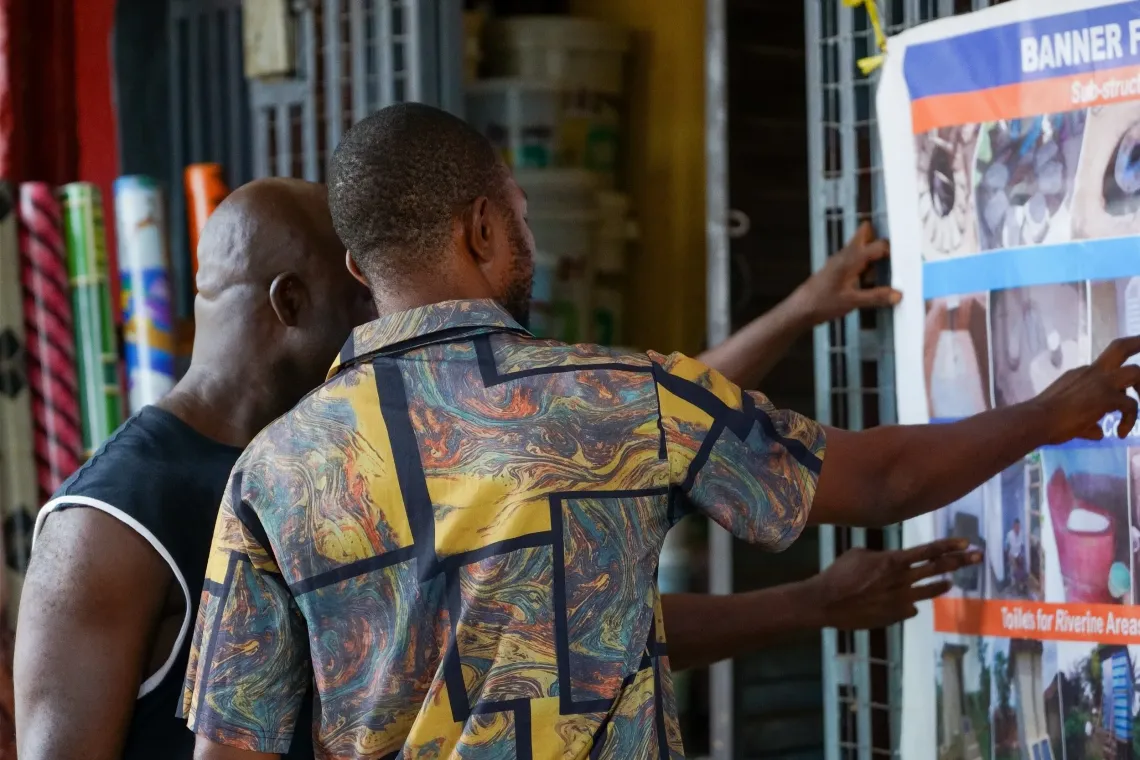
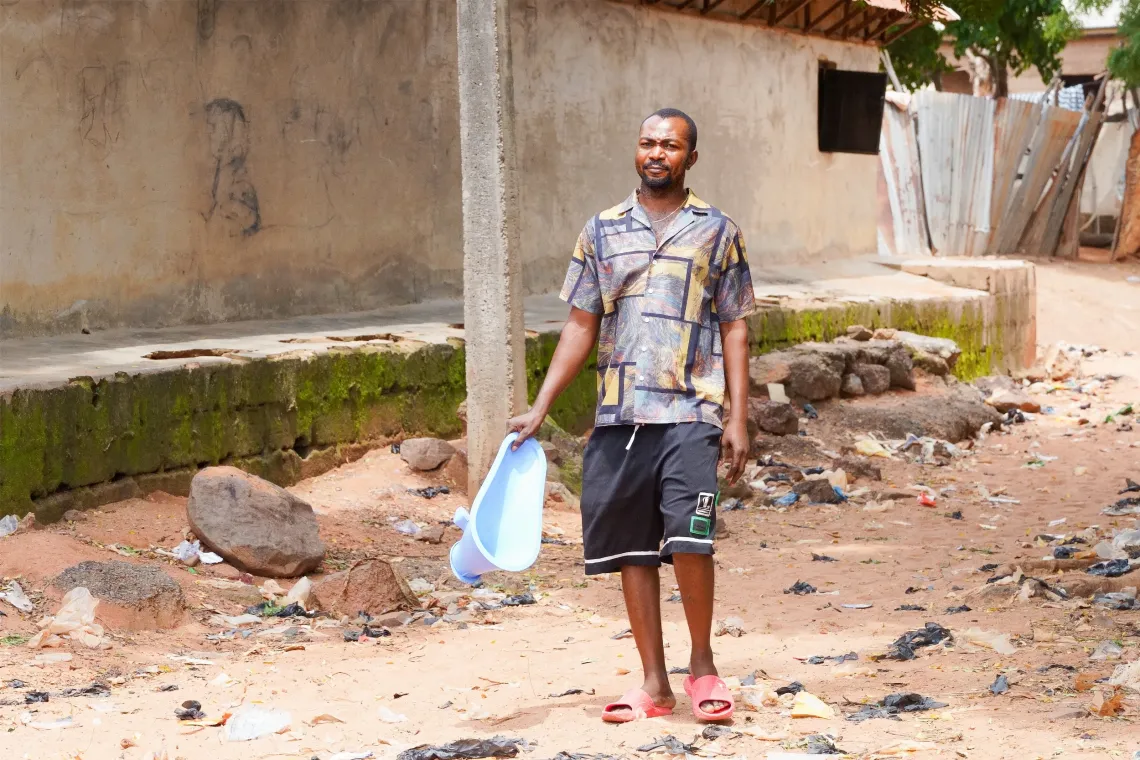
He began moving from one household to another, talking to traditional and religious leaders, farmers and traders, and meeting people in motor parks. He demonstrates affordable sanitation options and explains something simple but important: a household toilet brings more than convenience. It brings dignity and privacy, reduces exposure to disease and provides greater safety, particularly for women and children.
“Many people didn’t know these options existed,” he said. “Now, when they come to my shop or when I meet them in their communities, I show them that they can own a toilet without spending more than they can afford.”
In just six months, Ugochukwu has helped more than 50 households in Kwali build toilets of their own.
Affordability, however, is not only about lowering the price. For families living on irregular incomes, even a cheaper toilet can remain out of reach if the entire cost must be paid at once.
Ugochukwu found a way around that too.
“Pay small, small,” he tells his customers. “When you finish paying, we will come and build it.”
For farming households that may have produce but little cash, he has gone a step further. He accepts farm produce in exchange for toilet materials.
“Not everyone has the money immediately,” he said. “So we make it easier for them. The important thing is that they can have a toilet.”
It is a simple business model built around the realities of the community. And it is working.
“Because the toilets are affordable and the payment is flexible, more people are buying,” he said. “When one family builds a toilet, they tell others, and those people come to me too.”
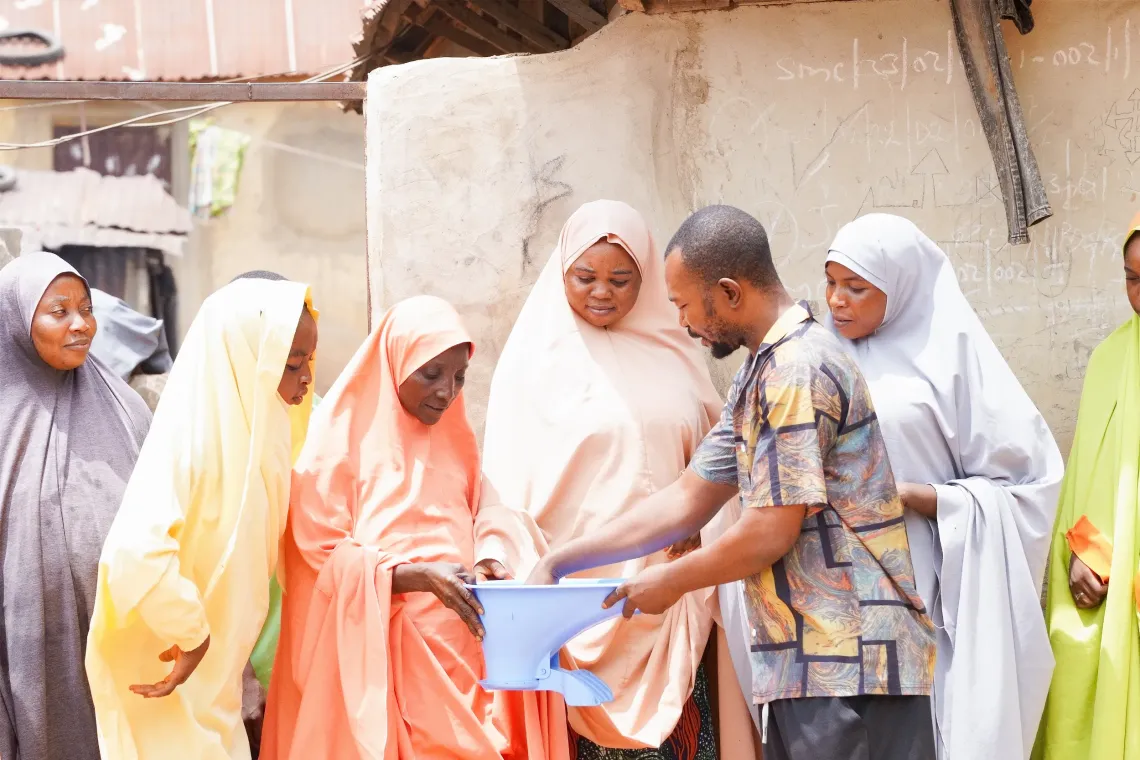
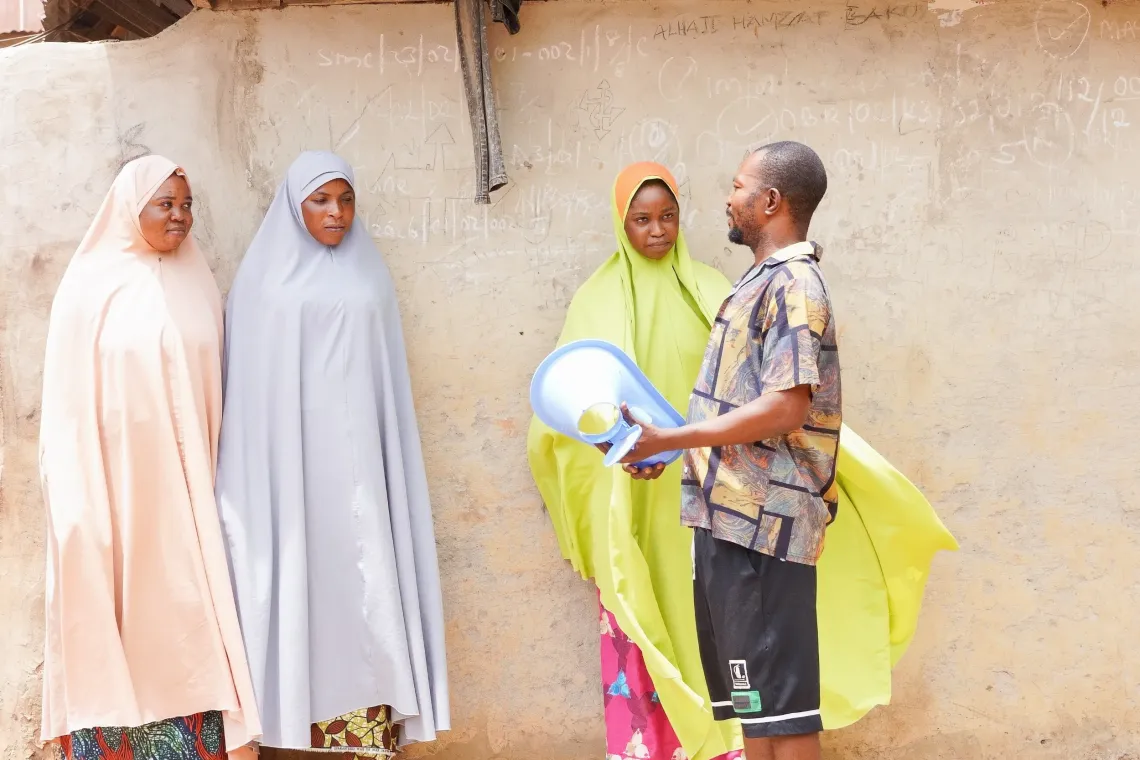
For Ugochukwu, that word of mouth means his business is growing. But what matters to him most is what he sees beyond his shop.
“I am happy because children are going to school more and spending less time in hospitals,” he said. “People no longer have to go into the bush, where they risk harassment or snake bites. The environment is cleaner.”
And somewhere along the way, Ugochukwu acquired a new name.
“When I visit the community, the children run towards me shouting, ‘Mr Toilet! Mr Toilet!’” he said with a smile.
It is a nickname he wears with pride.
Because Ugochukwu is no longer simply a trader selling toilets from a shop in Kwaita market. He has become an advocate, an entrepreneur and, for dozens of families, the man who helped make something they once considered too expensive finally possible.
With support from China EXIM Bank, UNICEF is helping sanitation entrepreneurs like Ugochukwu gain the knowledge, skills and practical tools they need to take affordable sanitation into communities.
For Ugochukwu, one training changed a 15-year-old business.
For more than 50 families in Kwali, it has helped change something much more fundamental: where they can safely go to the toilet.