The Man Builds Toilets So Children Can Grow Up Safer
A mason in northeast Nigeria is turning toilets into a lifeline for families, one household at a time
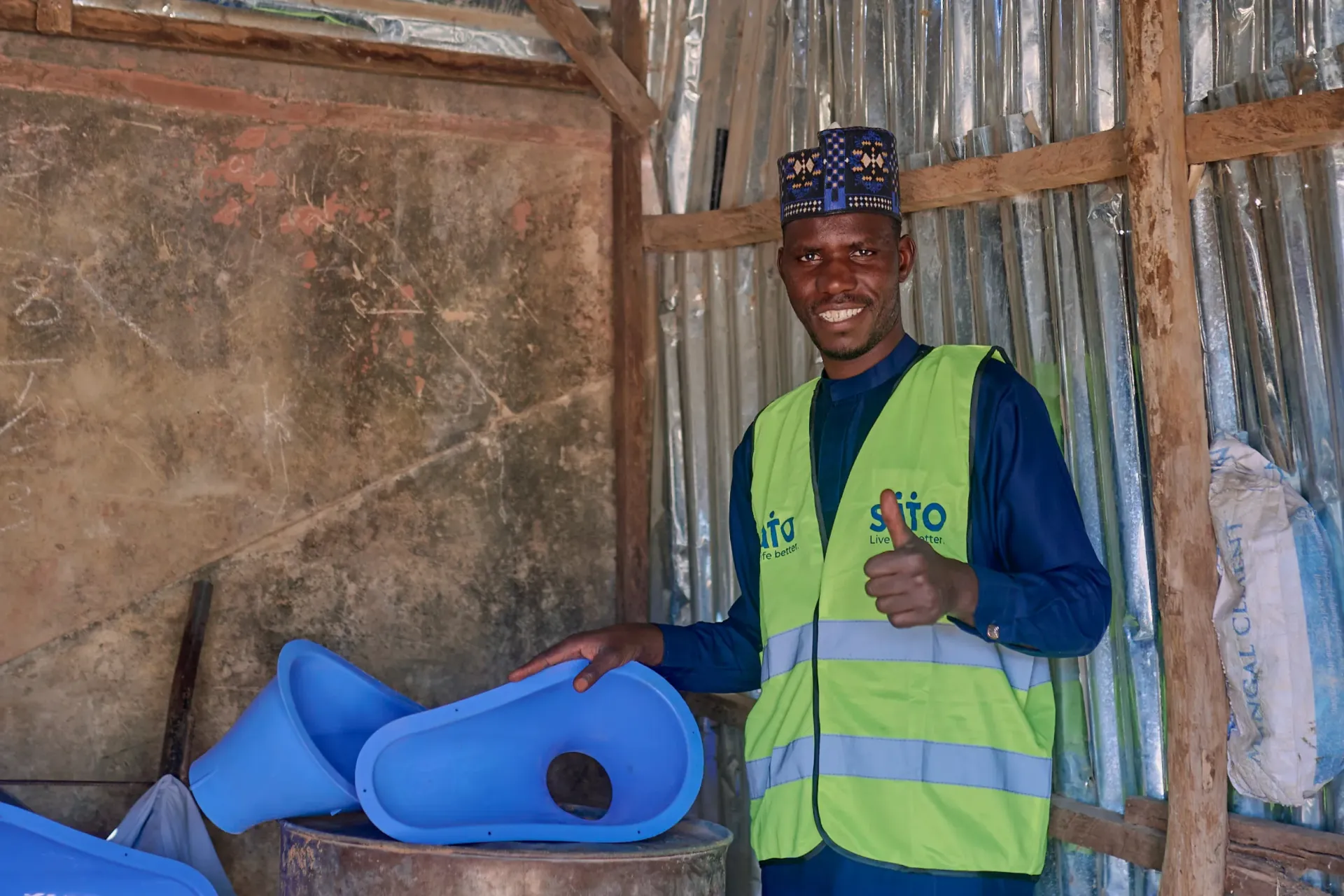
Whenever Ahmad Kukuri arrives in communities like Damagum or Jakusko in northeast Nigeria, people call out his name before he even steps out of his vehicle.
Some wave from doorways. Others stop him on the road just to greet him or offer prayers.
“People tell me, May God bless you. We never thought we could own a decent toilet in our lives," Ahmad says quietly. “That makes me happy.”
For years, toilets were a luxury many families in these communities could not afford. Open defecation was normal. Children often fell sick. During the rainy season, dirty water mixed with human waste and spread disease quickly through crowded homes and schools.
Now, Ahmad spends his days moving from house to house, helping families build toilets that are safer, cleaner and dignified.
Under his arm is almost always a worn blue ledger book and a pen. Inside the book are names, payment records and instalment plans. But for Ahmad, the book represents something much bigger.
Hope.
“This book contains the names of families paying gradually for their toilets,” he says. “Whenever they make a payment, I tick their names until the loan is completed.”
He knows nearly every compound in the communities where he works. He knows which homes have elderly people, which families have many children, which households waited years to afford even the simplest toilet.
“Almost every improved toilet you see around here, I have worked on it,” he says with a smile carrying equal parts pride and disbelief.

The work is physically exhausting. Cement dust coats his clothes. The heat can be unforgiving. Some days stretch late into the evening.
But Ahmad keeps going because he has seen what a toilet can mean to a family.
Not comfort.
Protection.
Especially for children.
In many communities across northeast Nigeria, children remain vulnerable to diseases linked to unsafe sanitation and contaminated water. Open defecation increases the spread of diarrhoea, cholera and other illnesses that continue to threaten children’s lives.
According to the World Health Organization, a single gramme of human faeces can contain millions of viruses and bacteria. Diseases linked to unsafe sanitation remain one of the leading causes of preventable illness and death among children.
In collaboration with the Yobe State Government, UNICEF is supporting efforts to end open defecation through a sanitation financing initiative funded by the Government of Germany through KfW.
The approach allows vulnerable households to build improved toilets without paying the full amount upfront.
Entrepreneurs like Ahmad access financing through selected microfinance banks, construct the toilets for families, and households repay gradually through agreed instalments.
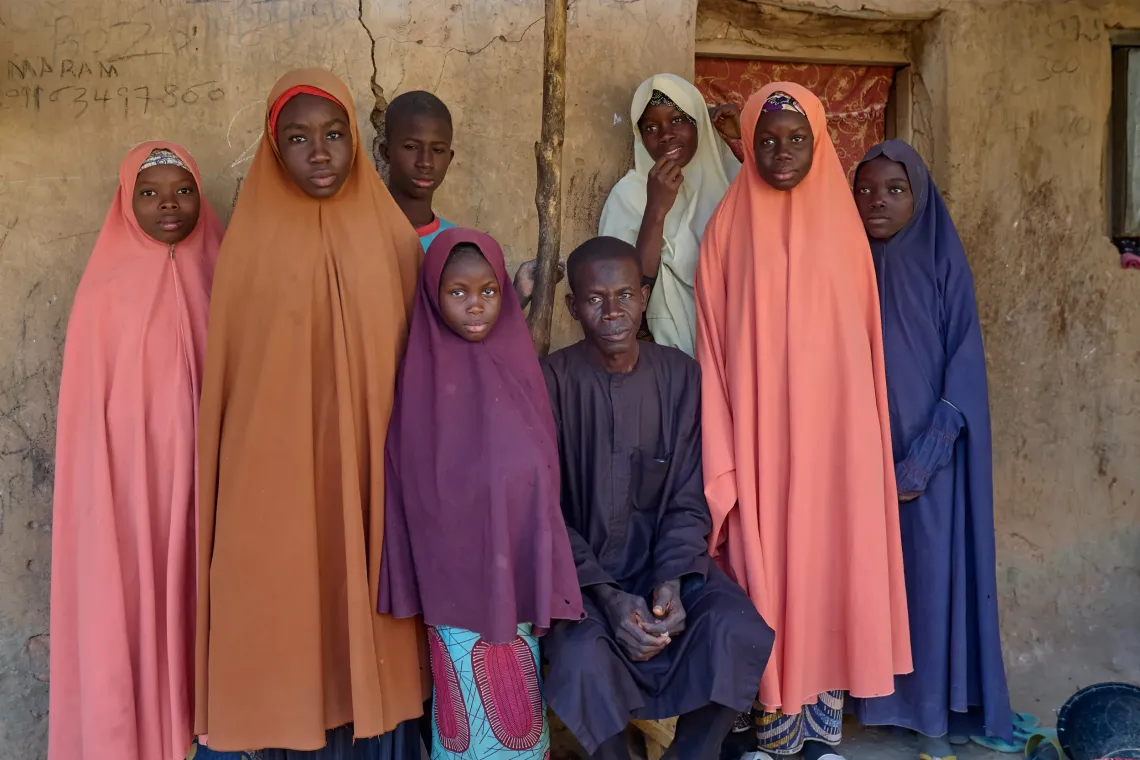
For many families, it is the first time owning a proper toilet has felt possible.
“My mission is to see Yobe become open defecation-free,” Ahmad says. “Now that people can pay in instalments, demand is very high. Families who waited decades can finally build good toilets.”
Inside Ahmad’s small shop are stacks of blue Sato pans in different sizes. To most people, they are ordinary sanitation materials.
To Ahmad, they represent transformation.
“Improved toilets do not smell. They do not attract flies. They use little water and are easier to keep clean,” he explains. “People feel proud owning them. It has become something people aspire to have.”
Since 2016, Ahmad has constructed more than 100 improved toilets across Potiskum, Gashua, Jakusko and Fune.
But the business has changed more than communities. It has changed him too.
Before this work, Ahmad sold concrete blocks for a living. He remembers laughing when he was first invited for sanitation training nearly a decade ago.
“They were talking about toilet business,” he says, shaking his head at the memory. “Honestly, I thought, ‘How can someone do this kind of work?’”
Now he speaks about sanitation with the conviction of someone who has seen its impact up close.
Children missing school because of illness. Mothers struggling without privacy. Families living with the constant risk of disease.
Today, Ahmad employs more than 30 workers.
“What started as something I laughed about has changed my life completely,” he says. “UNICEF trained us properly and taught us standards. But beyond business, this work gives me purpose.”
He pauses briefly before adding:
“When a child grows up healthier because their family finally has a toilet, that means something.”
In communities where children once risked falling sick simply because there was nowhere safe or clean to use a toilet, Ahmad is helping change that reality quietly, one household at a time. With cement-stained hands, a ledger book tucked under his arm and years of persistence behind him, he is doing more than building toilets. He is helping families protect their children, reclaim dignity and imagine a healthier future.