In Ajiari, a Small Treatment Point Is Saving Lives from Cholera
With funding from the Nigeria Humanitarian Fund (NHF), UNICEF is bringing life-saving cholera treatment closer to families in northeast Nigeria.

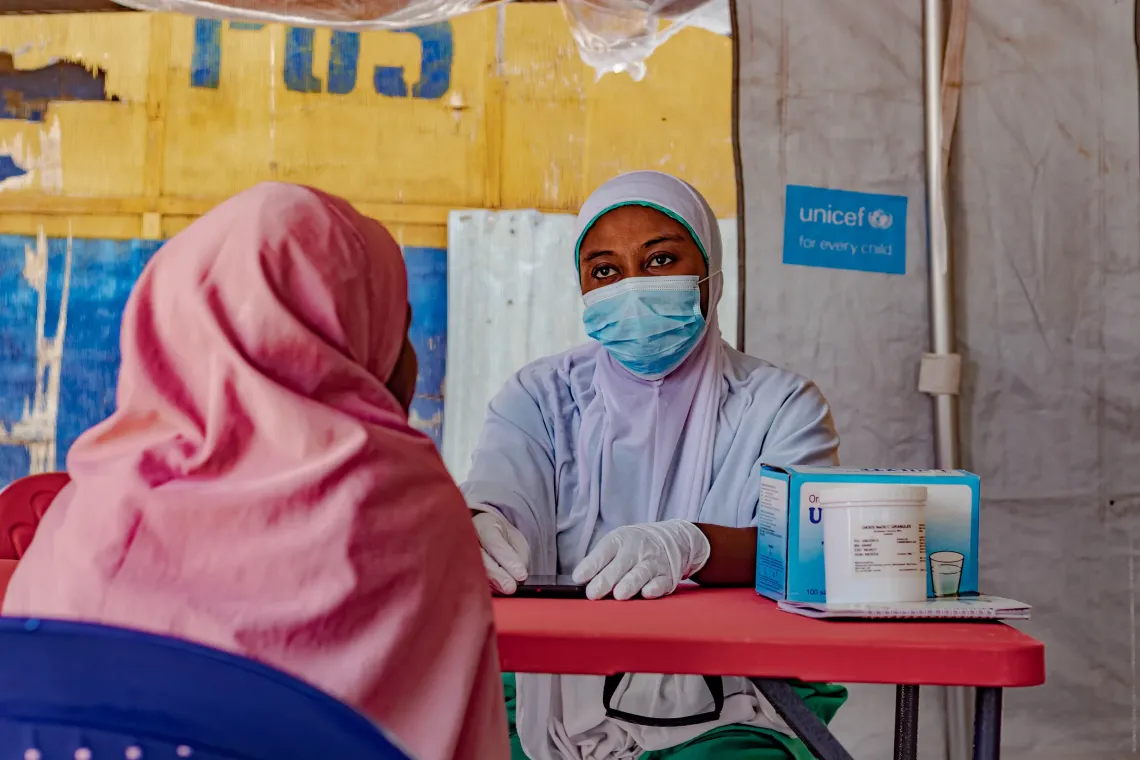
Every patient who walks into the Oral Rehydration Point (ORP) in Ajiari is welcomed with a smile.
It is a simple gesture, but for many people arriving weak, frightened and dehydrated, it is often the first sign that help has arrived.
For Maryam Abdulkadir, a UNICEF-supported health worker, every smile carries a purpose. Behind it is the urgency of knowing that cholera can claim a life within hours if treatment is delayed.
"When patients arrive, we first ask about their symptoms and how they are feeling," she explains. "We check whether they have diarrhoea, vomiting or both before deciding on the treatment they need. We give Oral Rehydration Solution (ORS) and zinc tablets, monitor them closely, and if we see that someone is seriously ill, we immediately refer them to the Cholera Treatment Unit."
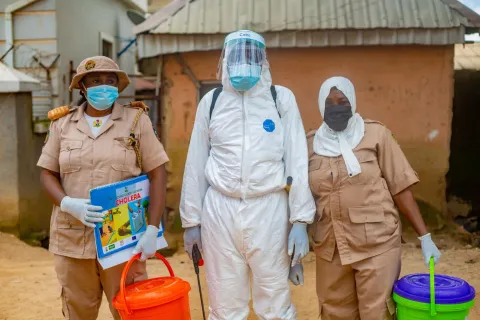
As Borno State battles one of its worst cholera outbreaks in recent years, health workers like Maryam have become the first line of defence.
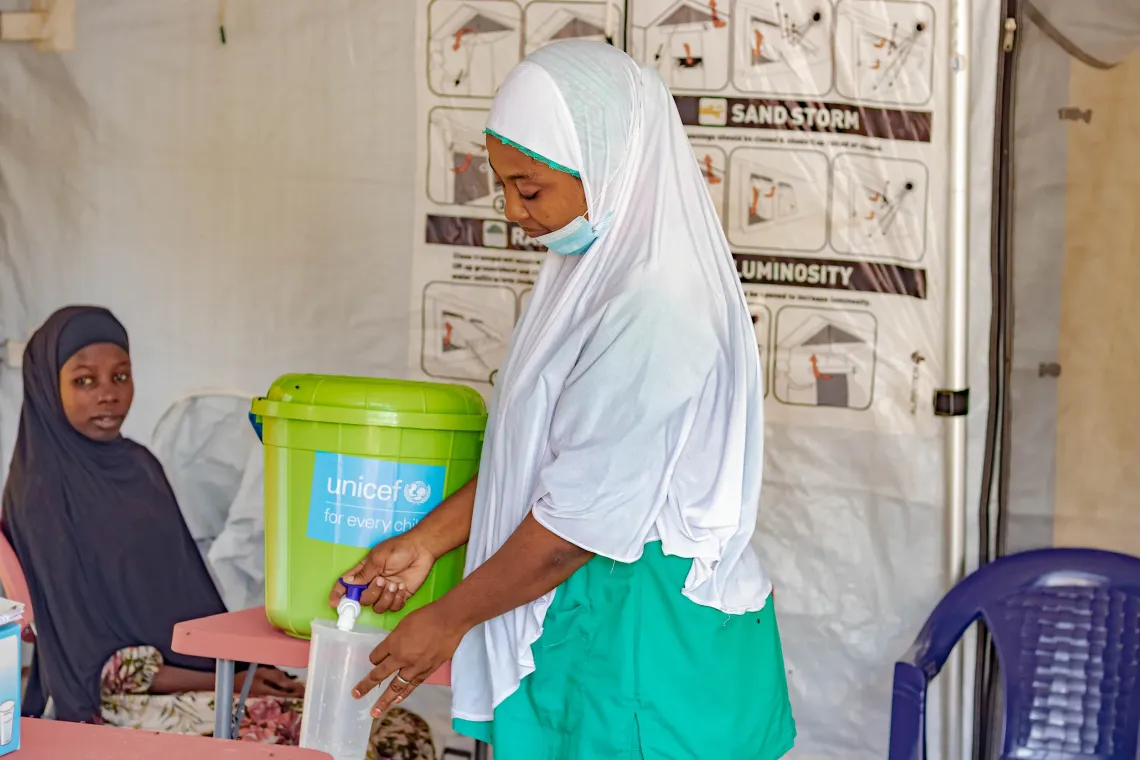
More than 35,000 cholera cases and over 150 deaths have been recorded since the outbreak was declared. In densely populated communities such as Ajiari, where families live close together and many remain vulnerable after years of conflict, access to treatment can mean the difference between life and death.
To bring care closer to affected communities, UNICEF, with funding from the Nigeria Humanitarian Fund (NHF) and in partnership with the Borno State Government, has established community-based Oral Rehydration Points across the state. These centres provide immediate treatment for suspected cholera cases, stabilize patients with mild illness and quickly refer severe cases to Cholera Treatment Units for advanced care.
For Maryam, every patient has a story.
But one little boy is impossible to forget.
"One experience that really touched me was when a four-year-old orphan who lives with his grandmother was brought here," she recalls. "He was extremely weak when he arrived. After assessing him, we immediately referred him to the Cholera Treatment Unit so he could receive the advanced care he needed. Knowing that we acted quickly and helped him get life-saving treatment really warmed my heart. Experiences like this remind me why our work is so important."
Since opening in June, the Ajiari ORP has treated nearly 450 people. Only 10 patients have needed referral for advanced treatment, a clear indication that early intervention within the community is preventing many cases from becoming life-threatening.
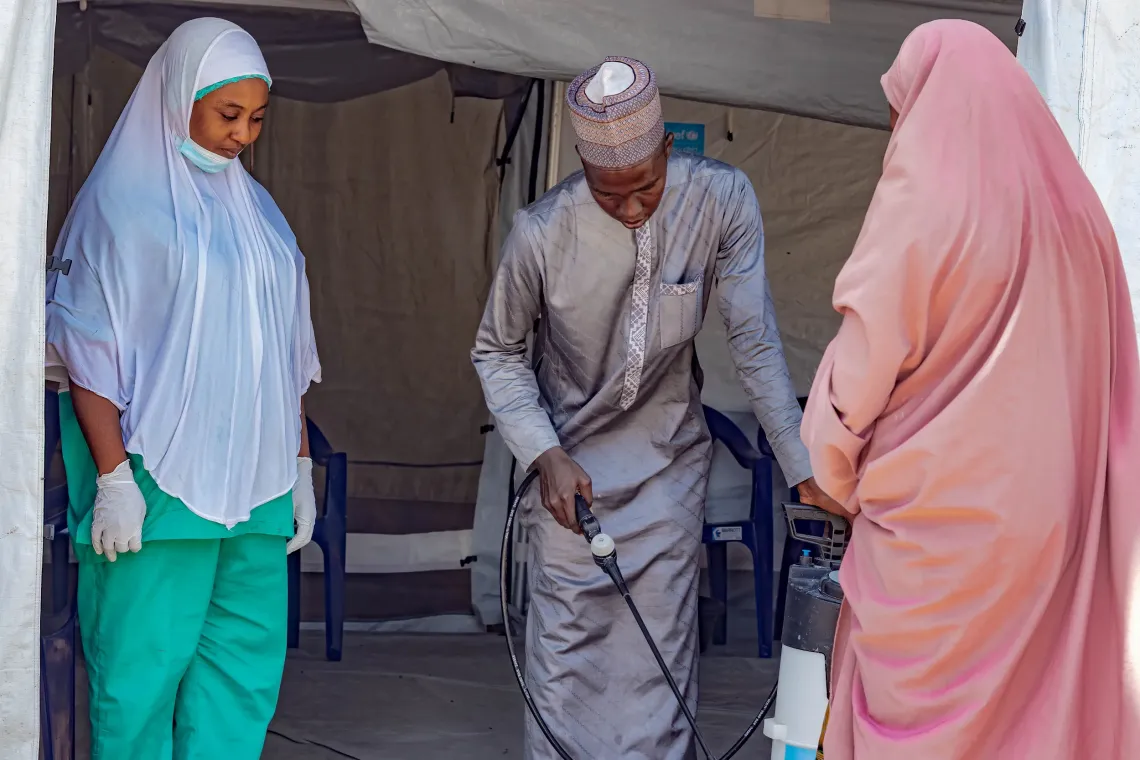
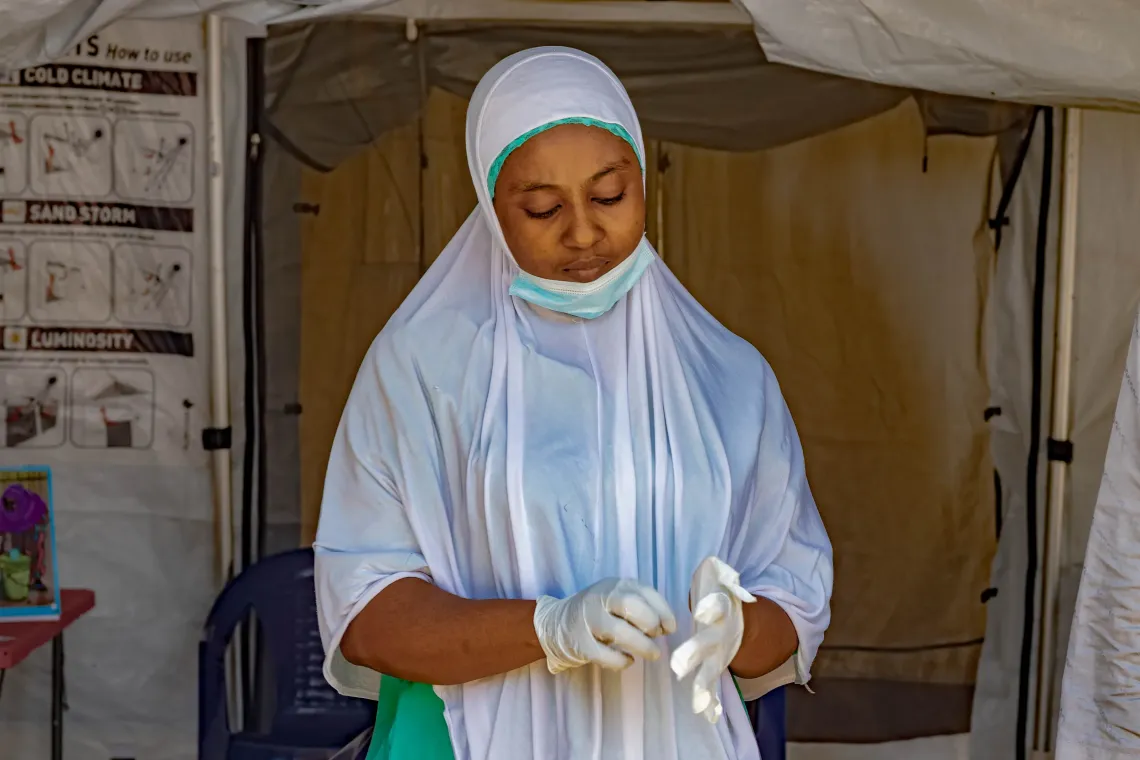
Every day, around 30 patients come through its doors to receive Oral Rehydration Solution, zinc tablets and close monitoring before returning home to recover.
"We have referred only those patients whose condition required advanced medical care," Maryam says. "UNICEF provides everything we need to run this ORP, the tents, Oral Rehydration Solution, medicines, zinc tablets and other medical supplies. Their support allows us to receive patients quickly, begin treatment immediately, monitor them closely and refer severe cases without delay."
For Maryam, however, the greatest reward cannot be measured in statistics.
It comes when a patient walks back through the same door, no longer weak or frightened, but smiling.
"There are many things that make me happy as a healthcare worker," she says. "But nothing compares to seeing our patients recover. When they come back to thank us after getting better, it reminds me that every effort we make is worthwhile. Those moments give me the strength to continue serving my community."
In a community where cholera can spread quickly, the modest treatment point in Ajiari is doing something remarkable. It is bringing life-saving care within walking distance, giving families a place to turn before it is too late, and helping more children and adults return home safely.