Mandalay Diary
Mental health challenges plague survivors of devastating Myanmar earthquake
- English
- မြန်မာ
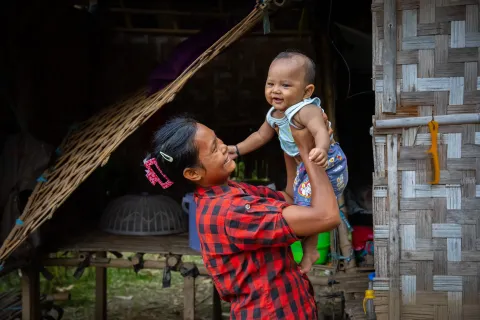
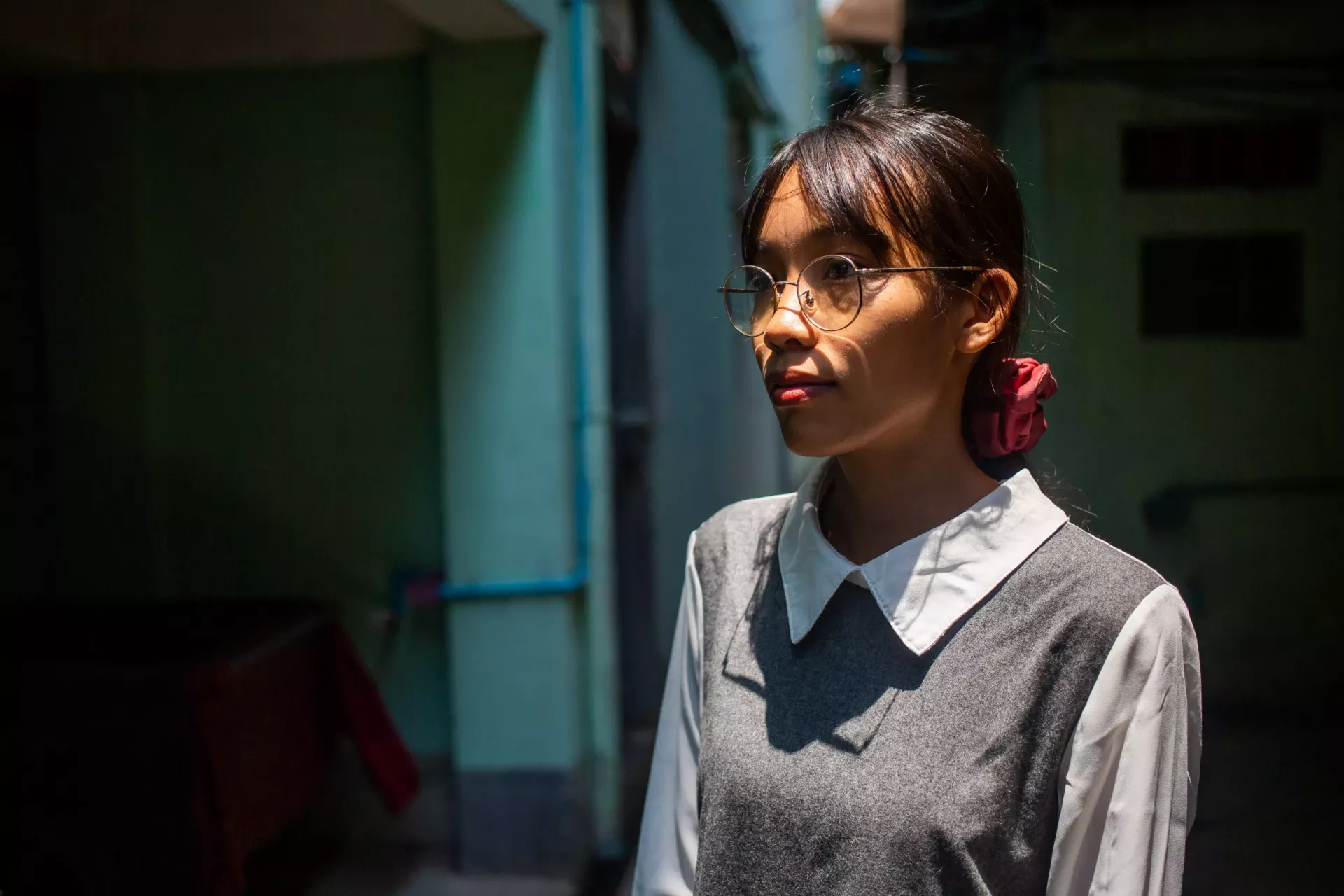
Hnin Eain is 24 years old and lives with her mother in Kyauk Se, Mandalay, Myanmar. Two months have passed since a devastating 7.7 magnitude earthquake hit her region, but for many in her community, the ground still feels unsteady.
The tremors haven't stopped. Aftershocks of around 4.0 magnitude shake the region almost every week, keeping the community on edge. The most recent and strongest was a 5.1 magnitude aftershock on 17 May, centred right in Kyauk Se, where Hnin Eain lives.
"I felt our wooden house sway, and instantly, I was back to that terrible day two months ago," she recalled. "My heart raced, my hands shook, and sleep became impossible again."
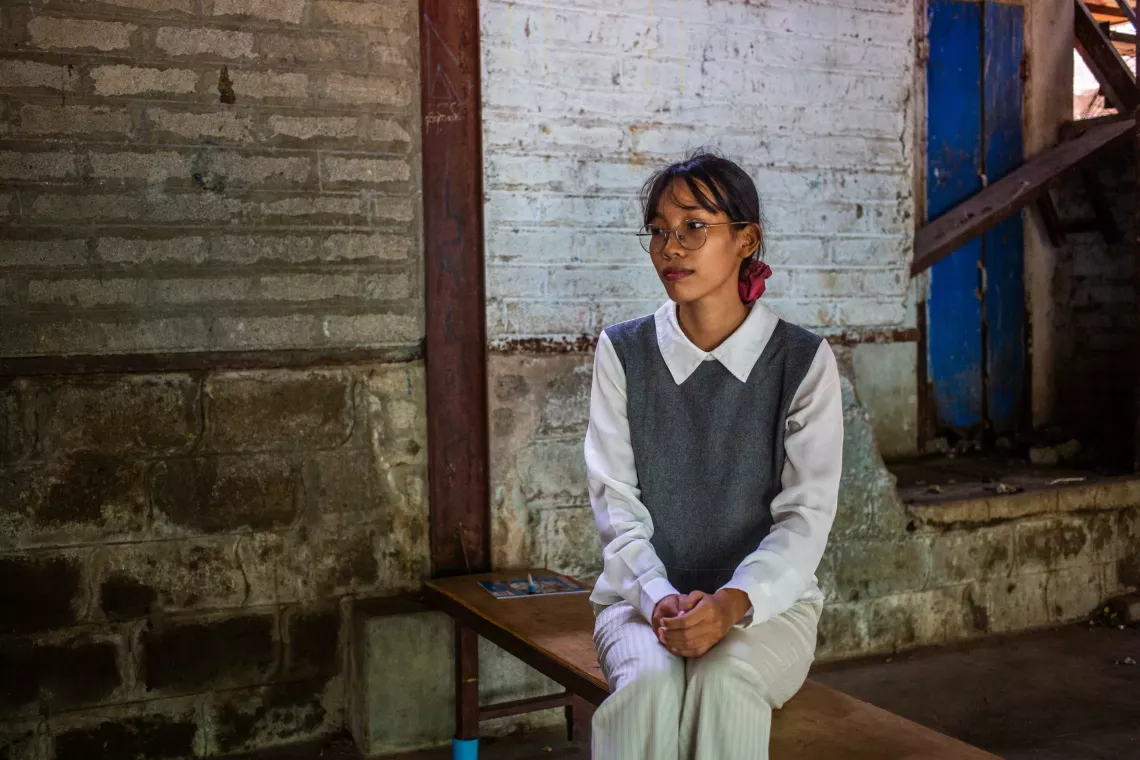
Her community has already endured so much. Just a few weeks before the earthquake, floods swept through the neighbourhood, leaving families struggling to rebuild. Then the earth shook, and everything that seemed solid crumbled.
"I remember walking through town after the earthquake, seeing destruction everywhere," Hnin Eain said. "Families trapped under collapsed buildings, children crying for their parents. But the image that will never leave me was the nursery – a building full of children, some trapped, some injured, all terrified."
She watched local volunteers dig with their bare hands, desperately trying to reach the children inside. "The sound of their voices calling for help still echoes in my mind every night."
That day changed something inside her. She began feeling disconnected from friends, lost in her own thoughts. "Sometimes I would be talking to someone and suddenly feel like I was watching the conversation from far away, not really present," she explained. "I didn't understand what was happening to me until I realised this was trauma – something many of us were experiencing, but few were talking about."
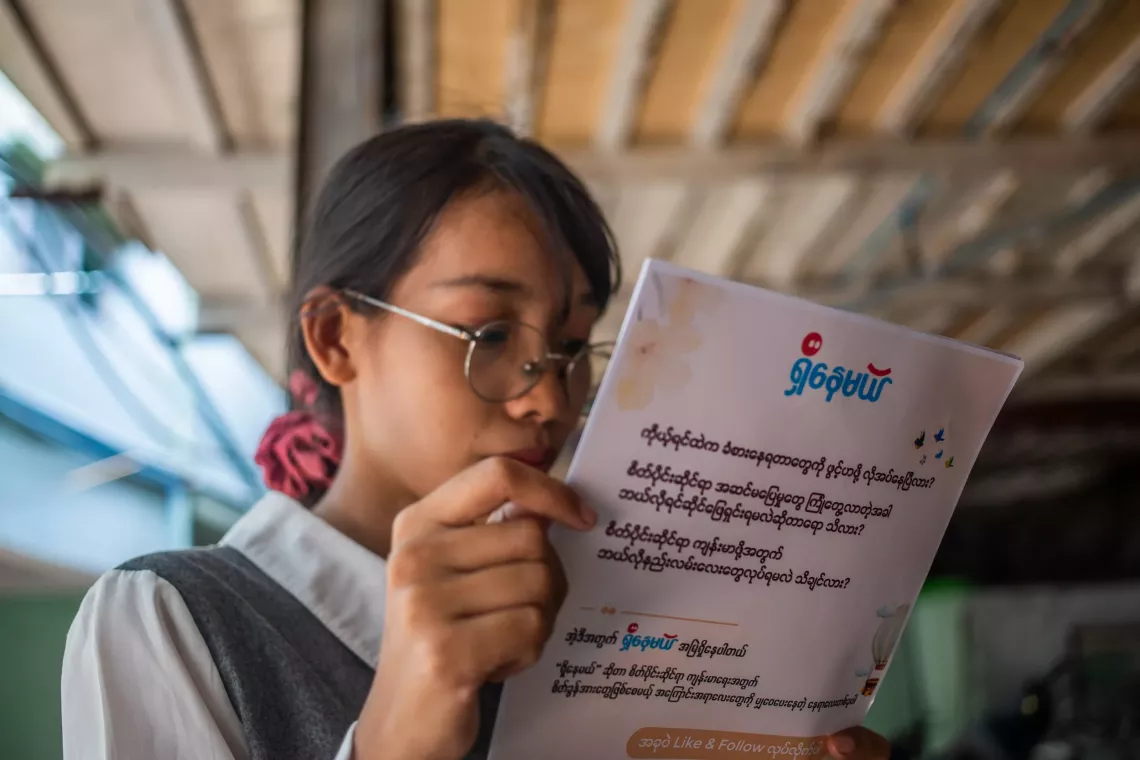
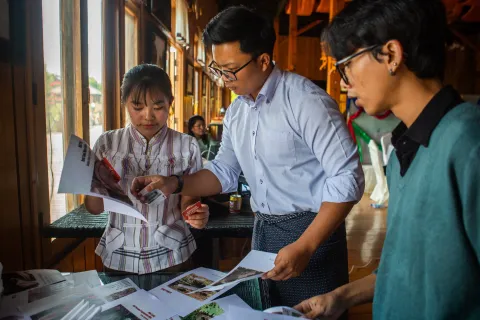
Hnin Eain is one of young volunteers at U-Report Myanmar since 2022, co-creating social media contents and articles to engage with her fellow young people. Despite her own mental health struggles following the earthquake, she became even more deeply involved in mental health advocacy through the platform.
Weeks after the disaster, , she met a young boy who had survived the nursery collapse. When she spoke with his caregivers, she discovered something heartbreaking: they had no idea how deeply traumatised he was.
"This little boy had watched his teachers and classmates die, but the adults around him thought he was 'just quiet' or 'a bit sad’,'" she said. "They didn't see the nightmares, the way he flinched at loud noises, or how he stopped playing with other children."
This encounter strengthened her resolve to write about mental health on the U-Report platform. "We cannot rebuild our communities if we ignore the invisible wounds," she said. "Children and adults alike are carrying trauma that needs recognition, understanding, and support."
"Hnin Eain's articles about mental health have opened my eyes to what many of us are going through but couldn't name," said Thant, an 18-year-old U-Reporter from Yangon. "Her writing makes me feel less alone and gives me courage to talk about my own struggles."
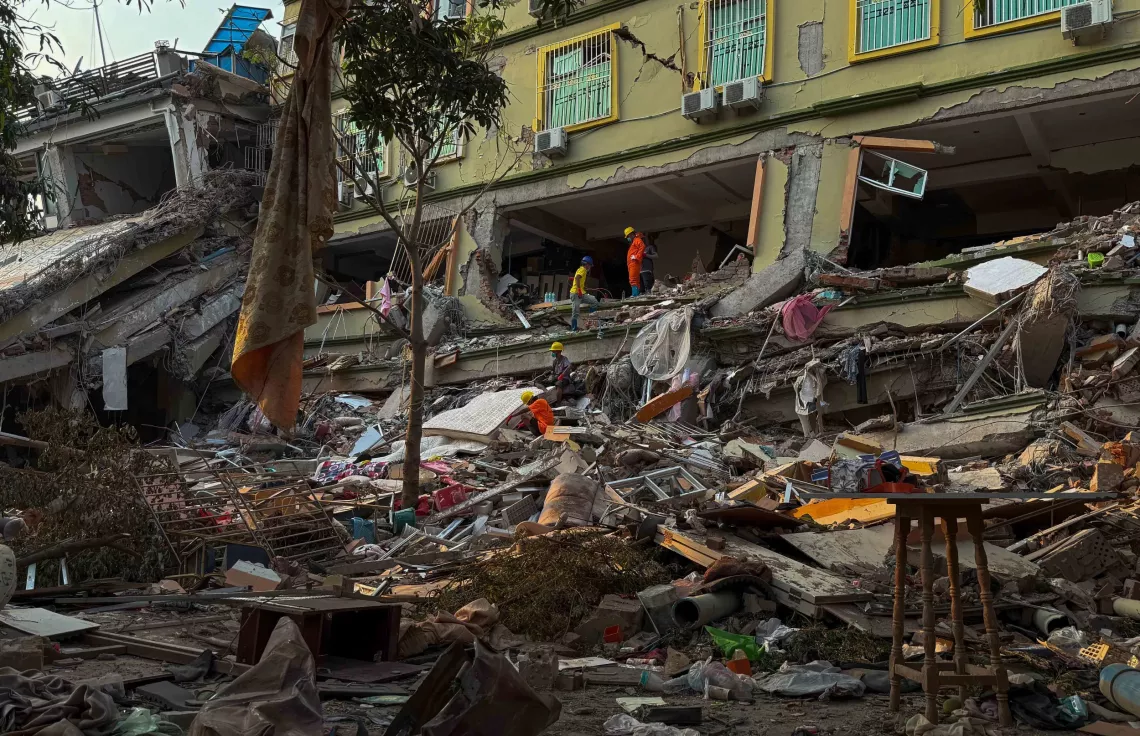
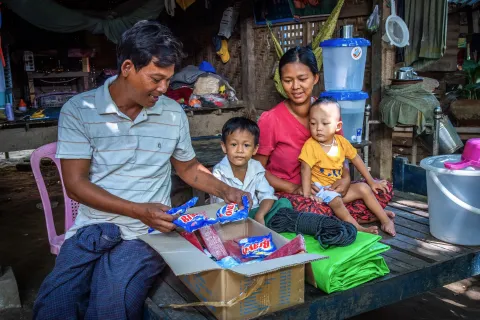
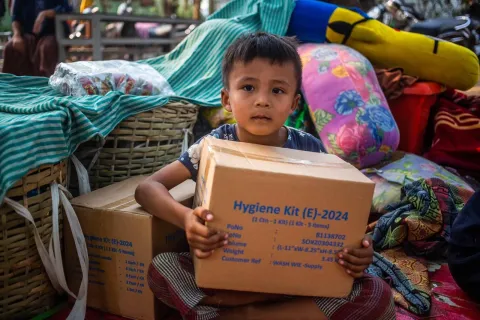
Two months after the earthquake, Hnin Eain's neighbourhood still resembles a disaster zone. Many families continue sleeping outside, too afraid to return to damaged homes, especially after each aftershock serves as a reminder that danger persists. "There are families that still do not have running water or electricity," she said. "These families have no income and rely on their neighbours to survive, which creates more problems for everyone trying to cope and recover."
The uncertainty weighs heavily on everyone. "I could not sleep at night because I am afraid of the frequent aftershocks in our region," Hnin Eain admitted. "When will they stop? When will we feel safe again? When will children be able to sleep through the night without fear?"
But in those sleepless hours, she also reflects on hope. She thinks about volunteers who dug with bare hands to save children, neighbours sharing their last bowl of rice with families who have nothing, and the stories she writes for U-Report that might help someone else feel less alone.
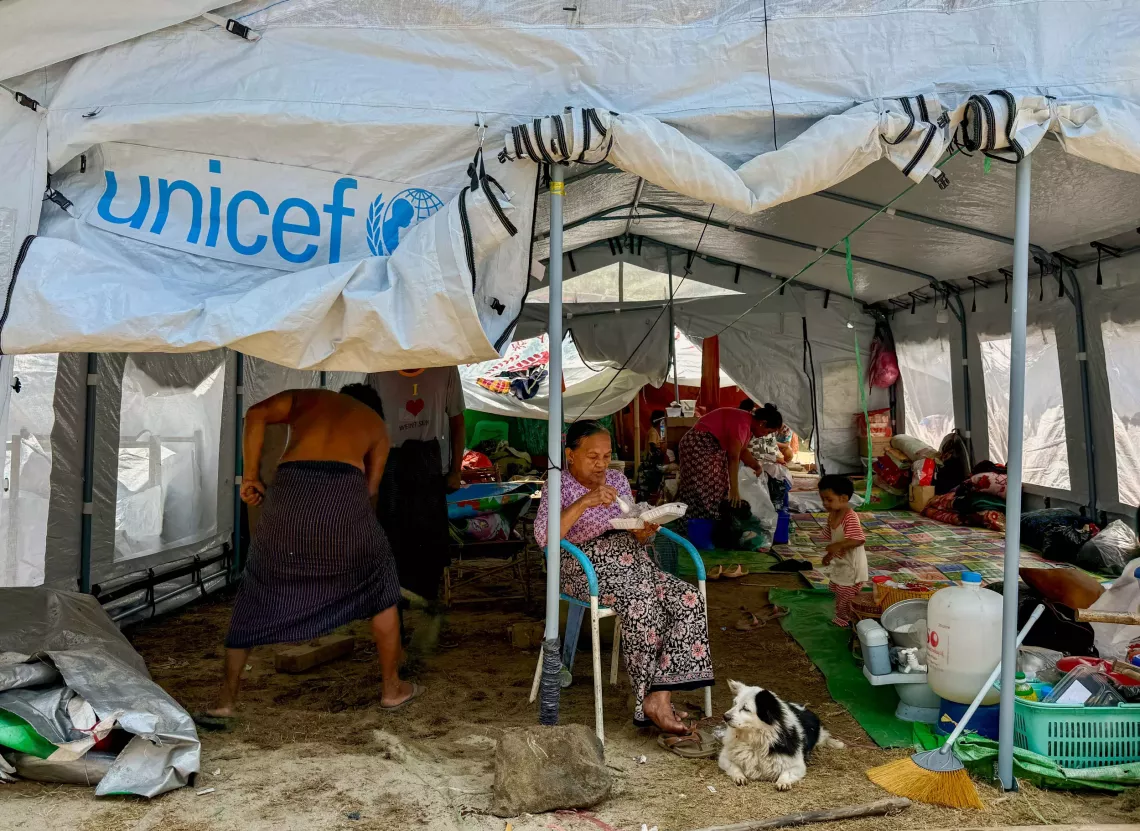
Through her writing, she advocates for comprehensive support. "We need professional counsellors who understand trauma. We need safe spaces for children to express their fears. We need communities that recognise that asking for help is not weakness – it's courage."
She has learned to care for her own mental health too. "I talk to other U-Reporters about my feelings. I practice deep breathing when the anxiety becomes overwhelming," she shared. "I remind myself that survival is not just about having food and shelter – it's about healing our hearts and minds too."
Her message to other young people facing trauma is deeply personal: "Your feelings are valid, your fears are real, and you are not alone. Whether you survived an earthquake, floods, or any other crisis, there is no shame in seeking support. Talk to someone you trust. Share your story. Help others share theirs."
To the world watching Myanmar, she emphasised the importance of sustained attention: "Two months may seem like a long time, but for earthquake survivors, recovery is measured in years, not weeks. We need continued support – not just for rebuilding homes, but for rebuilding lives, dreams, and the sense of safety that allows children to sleep peacefully at night."
Her final words carry both determination and hope: "We are still here. We are still hoping. And we are still healing, one day at a time."
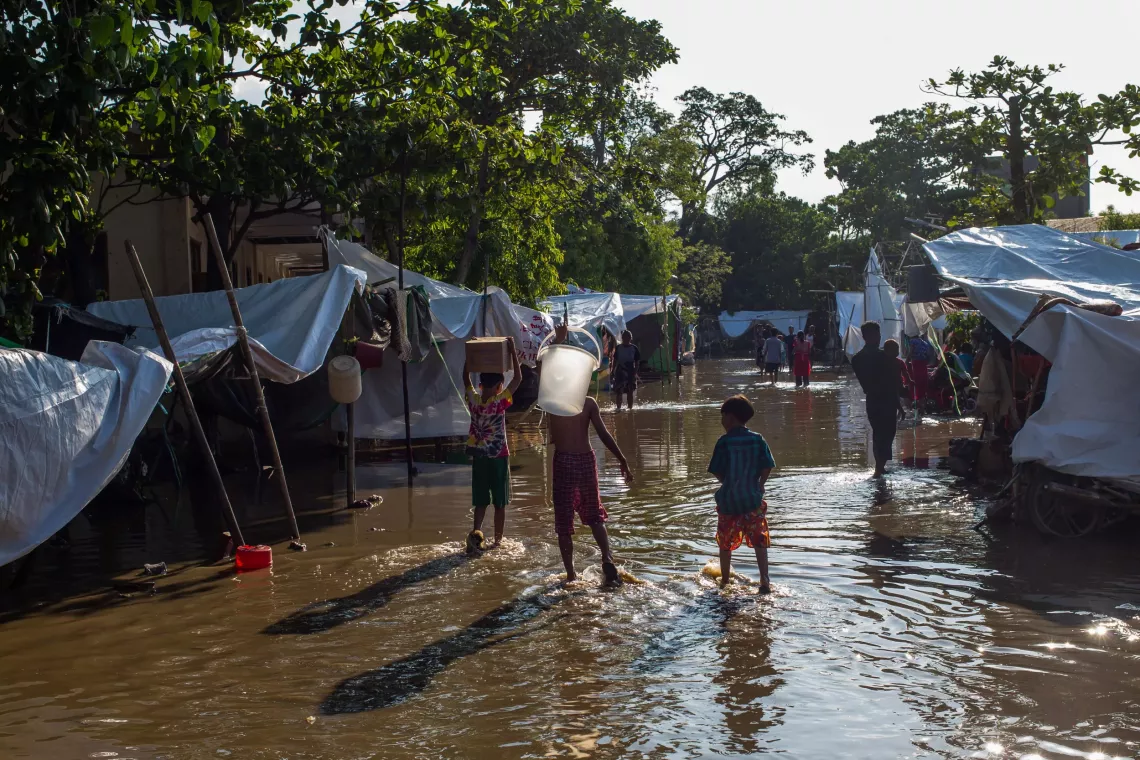
As communities like Hnin Eain's continue their long journey, Myanmar faces additional challenges on the horizon. The country, ranked as the world's second-most vulnerable to extreme weather events, is approaching another monsoon season. The approaching rains bring particular concern for earthquake-affected areas where families are still living in damaged homes or temporary shelters. Myanmar's vulnerability to natural disasters, including cyclones, seasonal flooding, landslides, and earthquakes, means that communities already struggling with trauma and recovery may face compounding crises. Recent flooding from Typhoon Yagi in September 2024 affected over one million people, demonstrating how quickly new disasters can overwhelm communities still recovering from previous emergencies.
UNICEF Myanmar continues to work with communities, local partners, and international organisations to provide essential health and nutrition services, water and sanitation services, mental health support, and emergency preparedness, as the country faces these overlapping challenges. For young people like those Hnin Eain advocates for, building resilience means addressing not only immediate needs but also strengthening community capacity to cope with future disasters.