Clean hands save lives: Global Handwashing Day 2024 in Myanmar
Why Are Clean Hands Still Important?

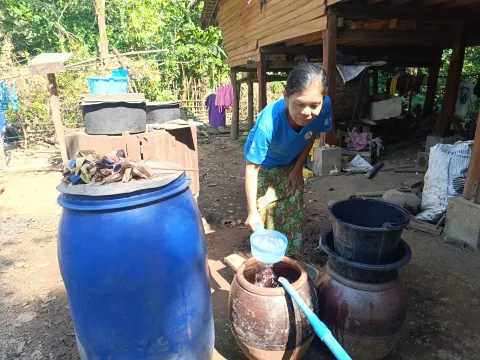
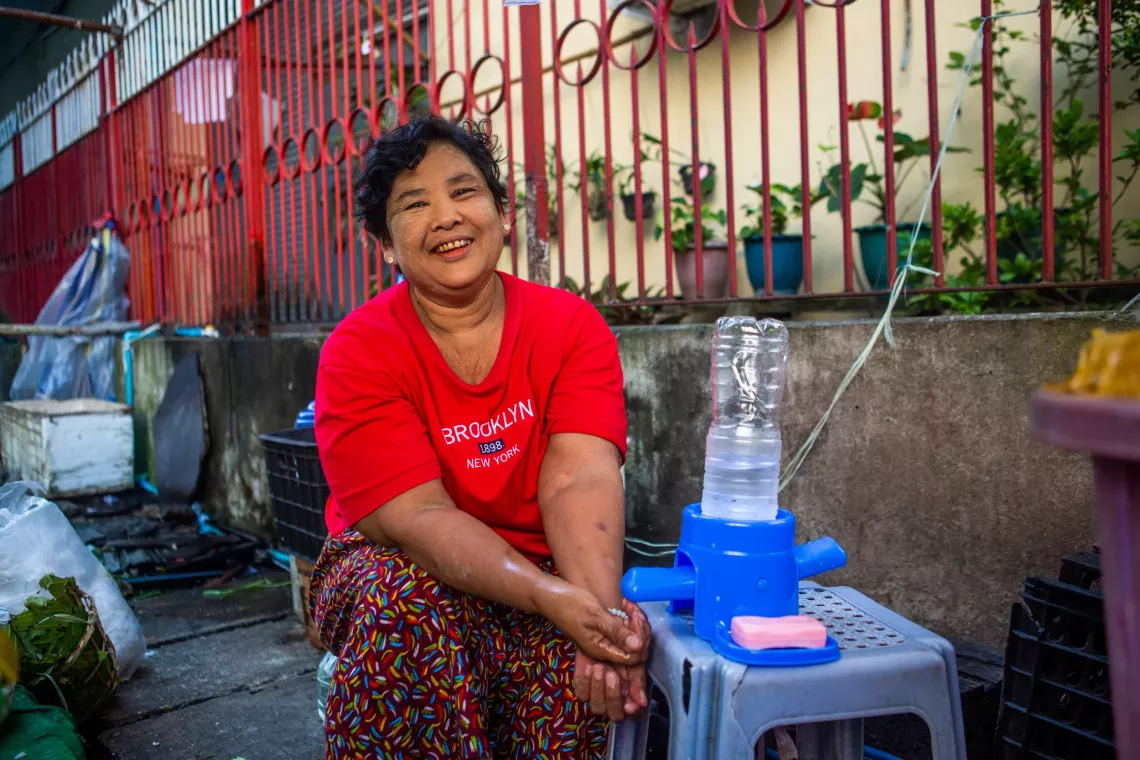
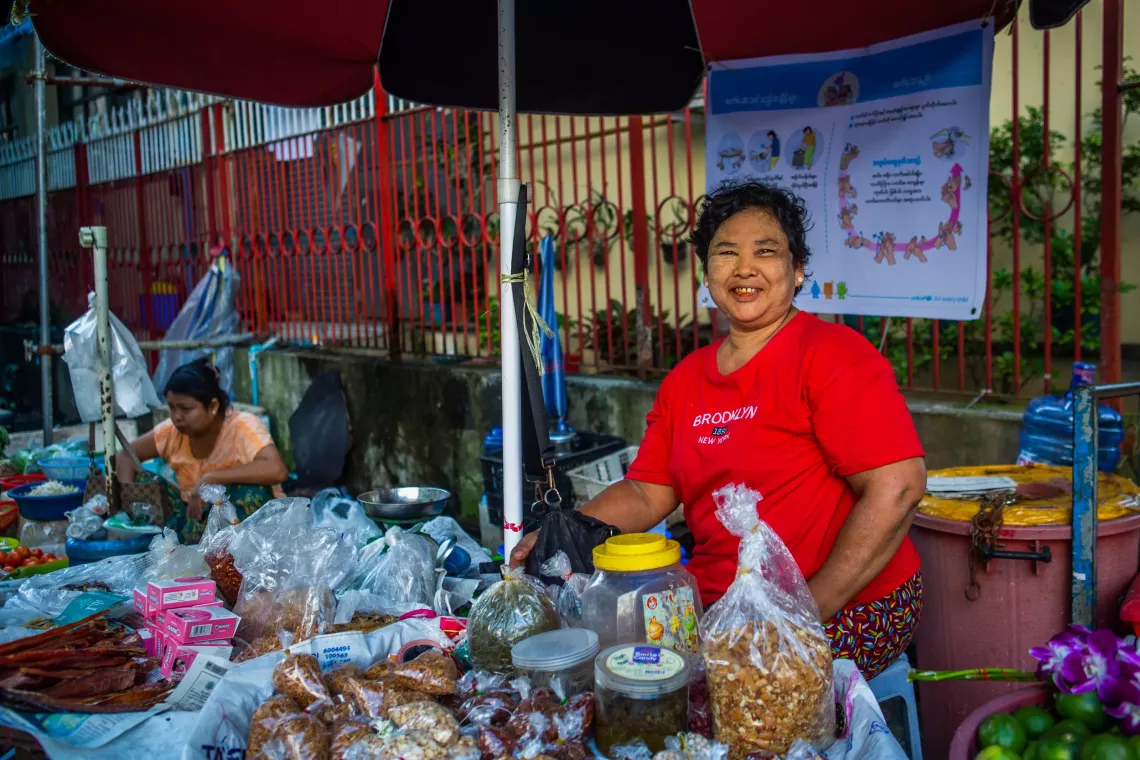
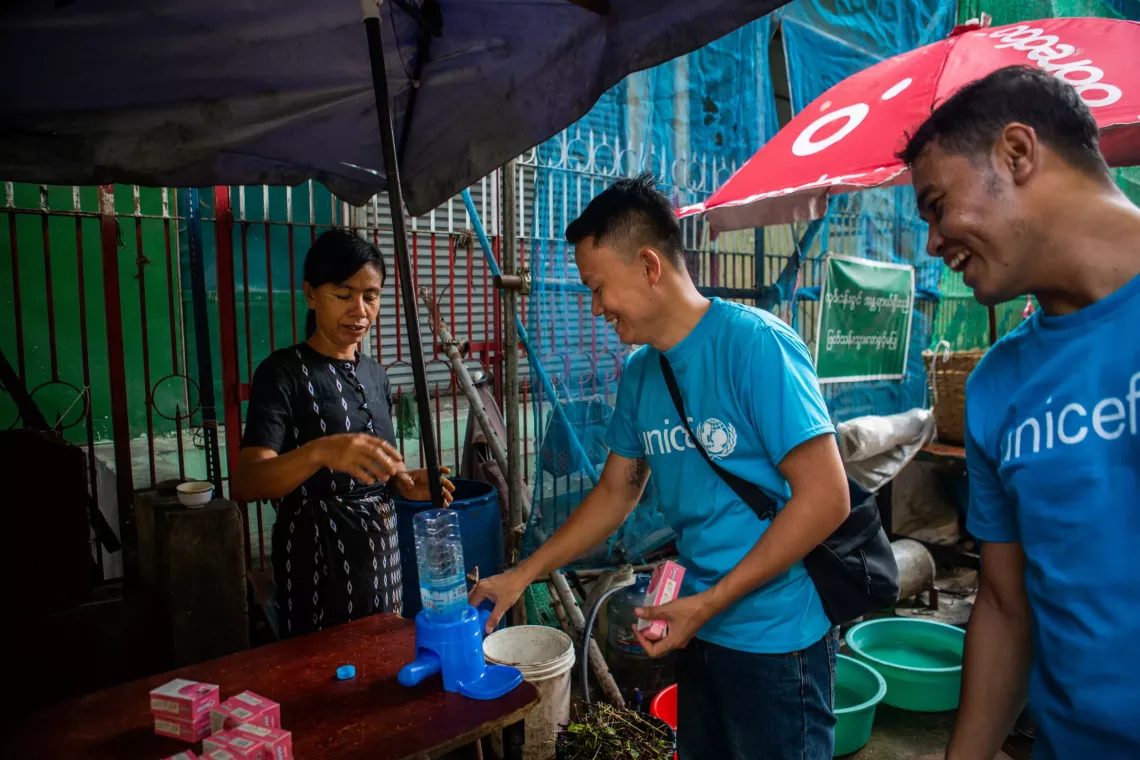
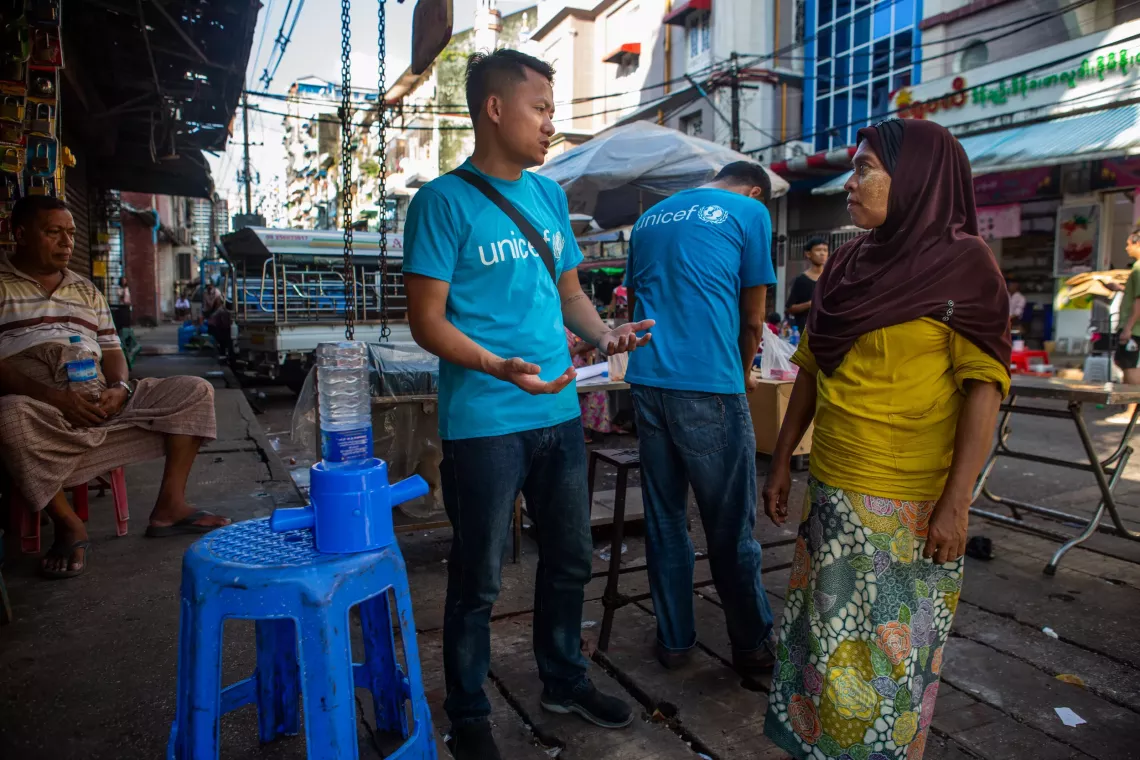
In the heart of Yangon’s bustling streets, street vendor Hla Nu pauses at her portable handwashing station—a small but mighty addition to her daily routine. Gifted through a recent campaign, the station stands as a symbol of health and resilience. “I never realized how much handwashing could protect my customers and family until now,” she says, her hands glistening with soap and water.
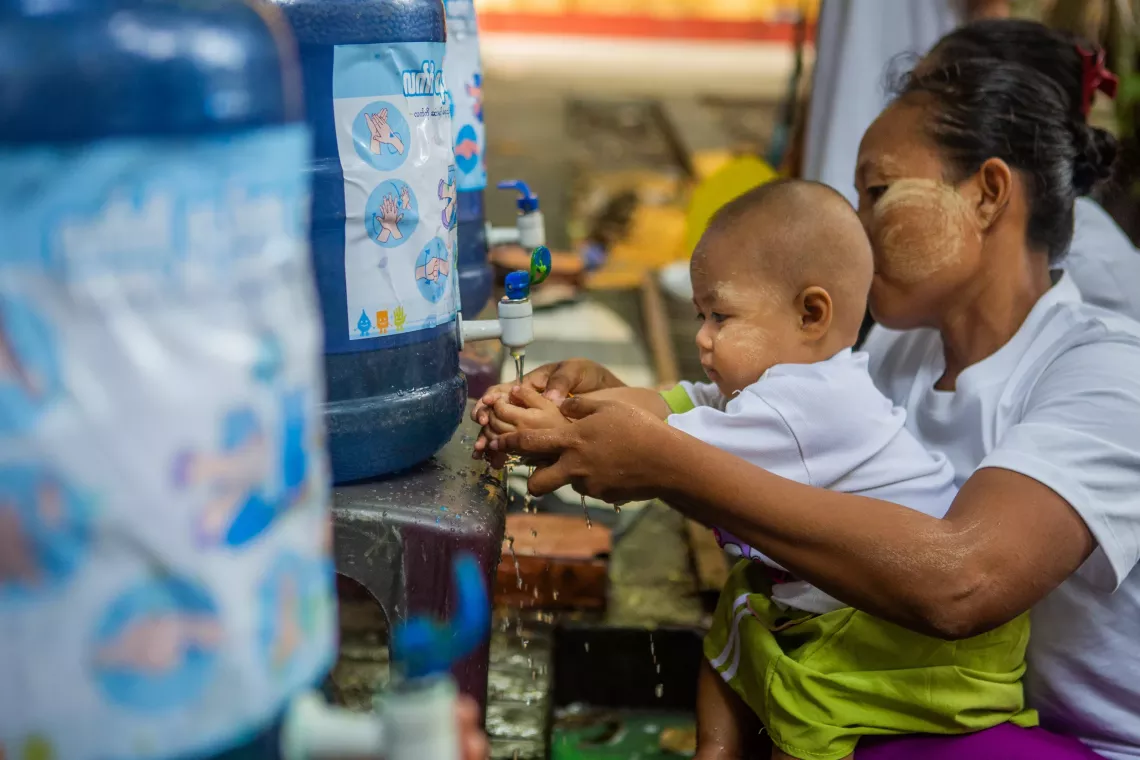
Hla Nu’s story is one among millions during Global Handwashing Day 2024 in Myanmar, where the theme “Why Are Clean Hands Still Important?” resonated deeply. For a country grappling with widespread flooding and outbreaks of acute watery diarrhoea (AWD), this year’s campaign was more than a celebration—it was a vital response to urgent public health risks.
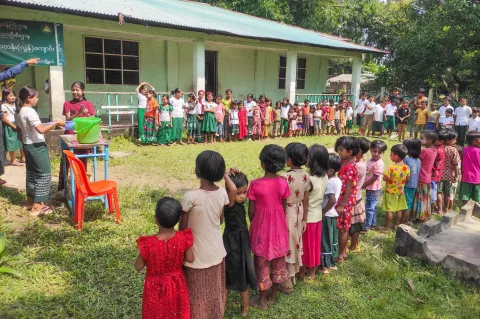
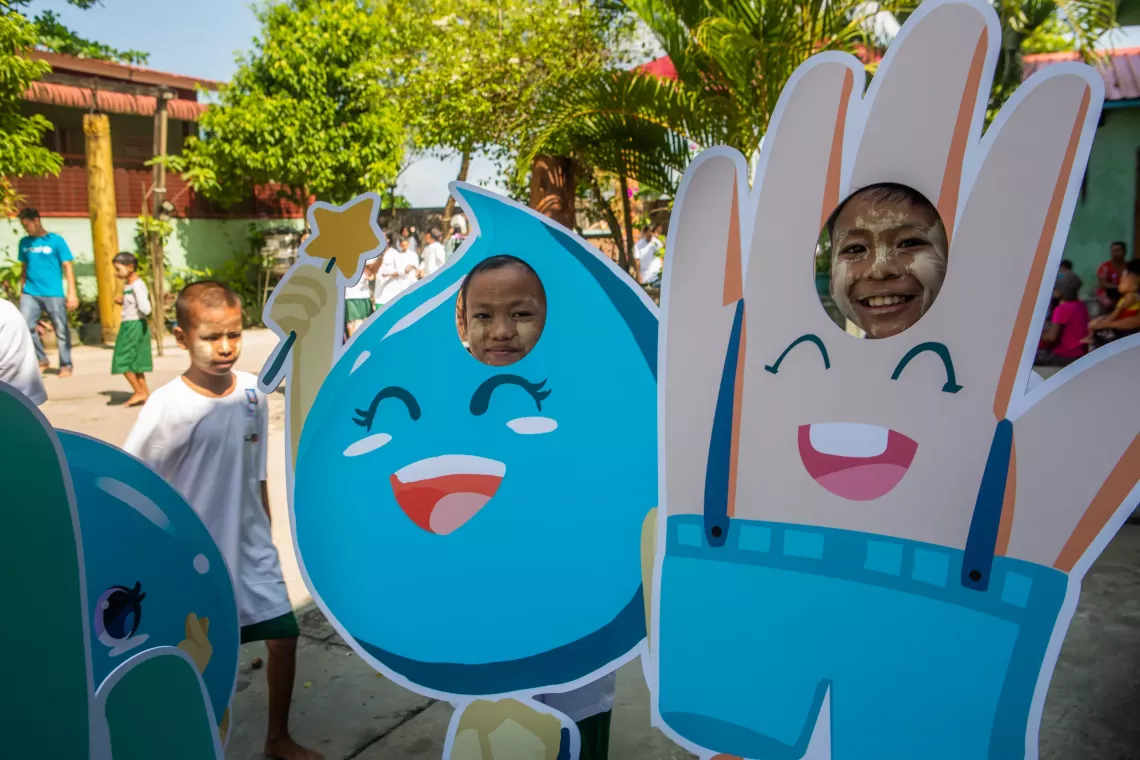
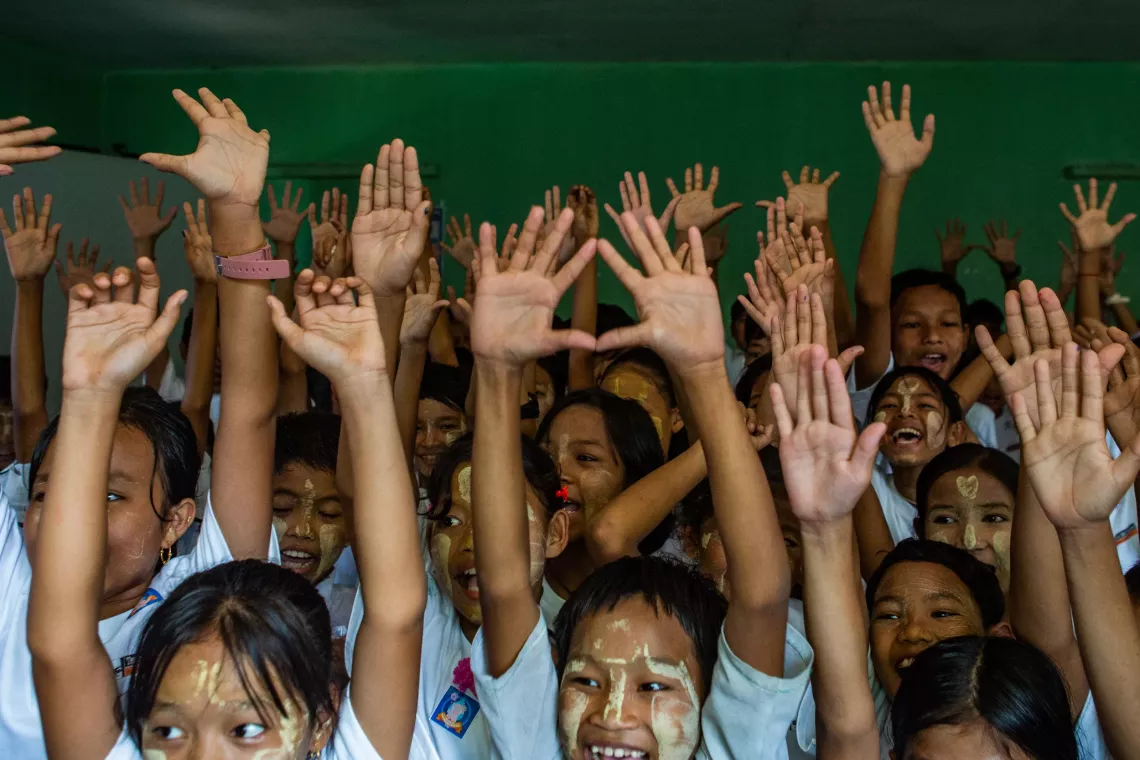
Across the country, from monastic schools to remote camps for internally displaced persons (IDP), UNICEF and its partners translated the message of hygiene into action. Creative initiatives like TikTok dance challenges, handwashing stations for street vendors, and live demonstrations sparked engagement, making hygiene education accessible and memorable.
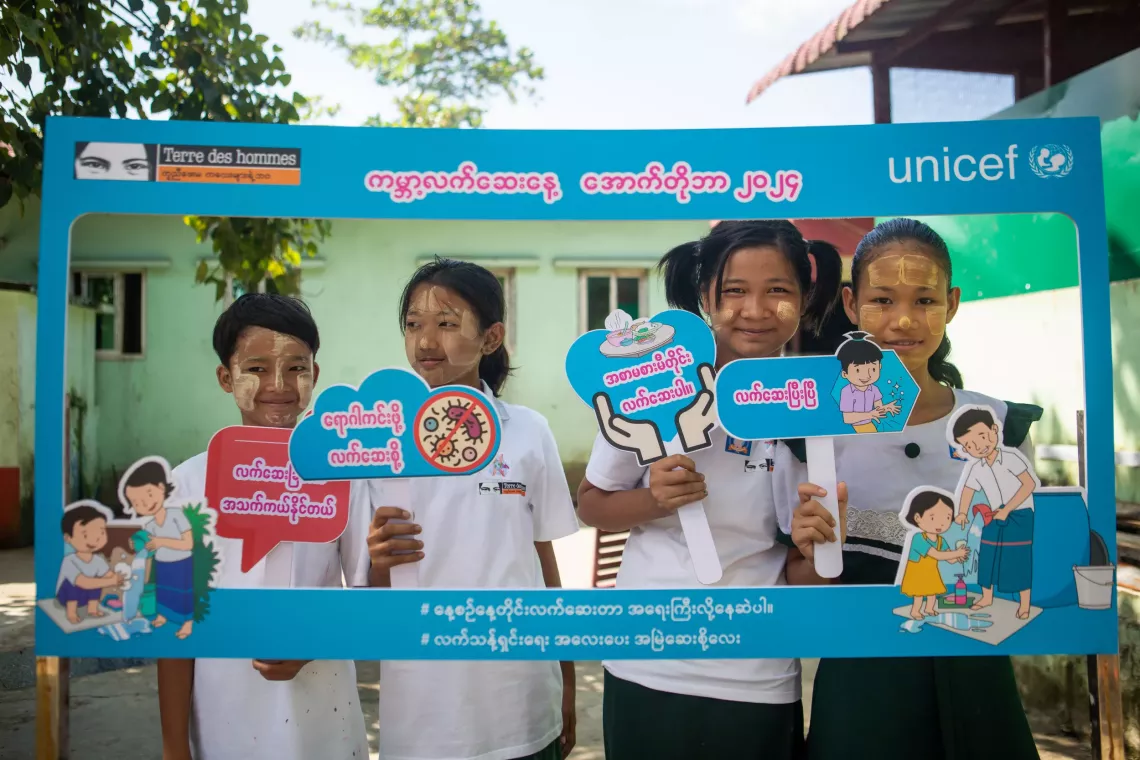
For children like eight-year-old Thandar, who lives in an IDP camp, learning to wash hands became a lesson in survival. Community volunteers held interactive sessions, teaching children the connection between clean hands and good health. Clutching a brightly coloured poster from the event, Thandar beams, “It’s fun to wash hands and keep clean.”
The campaign reached over 10.8 million people including via digital platforms and social media channels, overcoming logistical hurdles and ongoing insecurity to deliver a simple yet lifesaving message. In flood-hit areas, where clean water is scarce, and sanitation facilities are damaged, handwashing serves as a first line of defence against waterborne diseases like Acute Watery Diarrhoea (AWD).
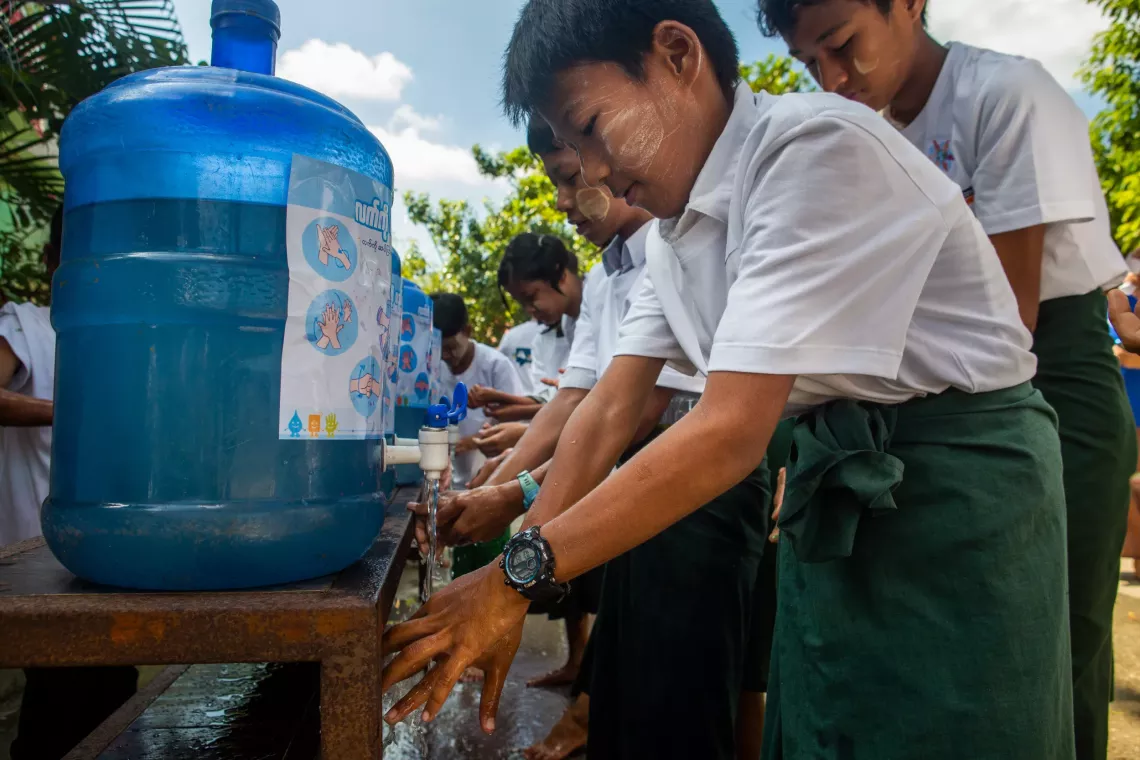
The significance of this campaign is crucial in the context of the broader WASH crisis in Myanmar. Approximately 5.5 million people lack access to basic water services, while populations in displacement camps and conflict-affected areas struggle with limited access to basic sanitation. Thousands of families rely on unimproved water sources, and many schools in conflict-affected regions lack safe drinking water.
These gaps expose children and families to heightened risks of waterborne diseases, further exacerbating the vulnerability created by ongoing conflict and natural disasters. Monsoon floods and the remnants of Typhoon Yagi devastated several communities across central and southern Myanmar this year, directly affecting 1 million people, including 300,000 children.
Efforts like Global Handwashing Day play a crucial role in addressing these challenges, demonstrating how small, targeted interventions can yield life-saving results. Yet, much remains to be done.
As Myanmar continues to navigate its complex humanitarian crisis, the success of campaigns like this serves as a beacon of what is possible. They remind us that even in the face of immense challenges, simple actions—like washing hands—can protect lives, restore dignity, and lay the groundwork for a healthier future.
For Hla Nu, Thandar, and millions like them, clean hands are not just a habit—they are a lifeline. As we move forward, ensuring access to safe water, sanitation and hygiene must remain a priority, not just for a day but every day.