2024: A harrowing year for Myanmar’s children as conflict and crisis deepen
Myanmar in 2024
- English
- မြန်မာ
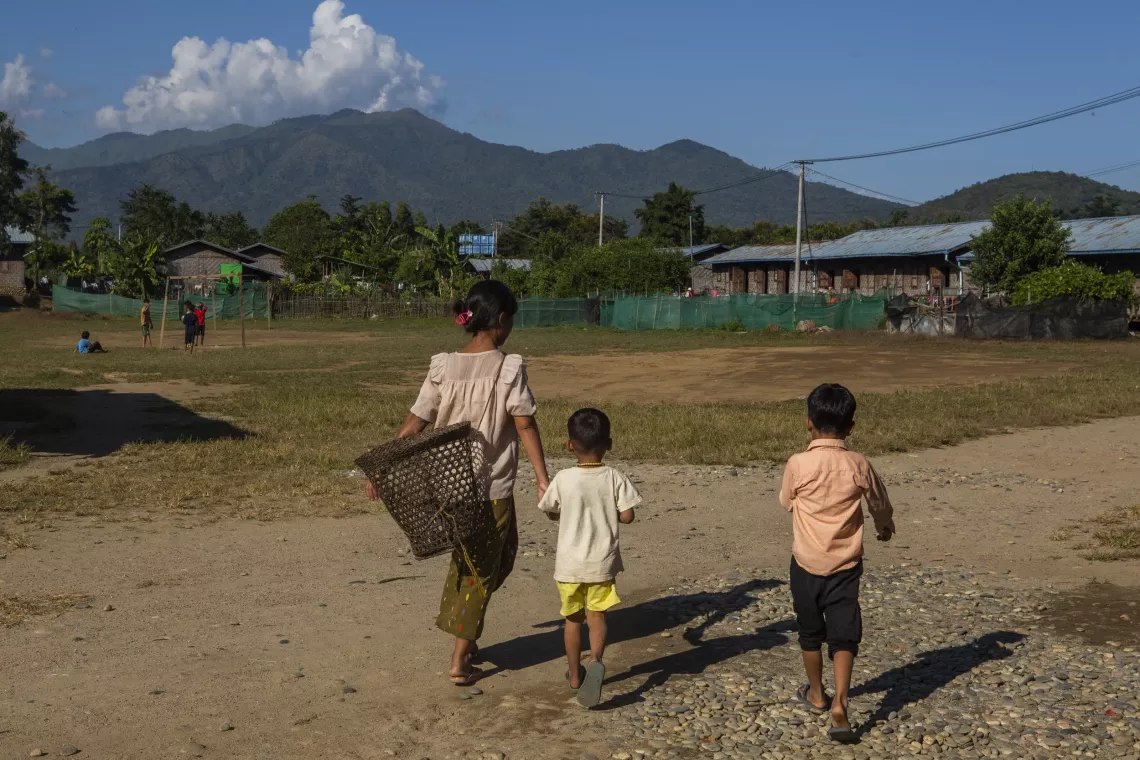
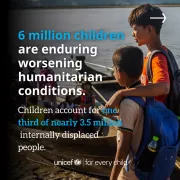
The year 2024 has been harrowing and challenging for Myanmar’s children, who continue to bear the heaviest burden of escalating conflict and violence across the country. Some 6 million children are enduring worsening humanitarian conditions, while children also account for over 33 per cent of nearly 3.5 million internally displaced people.
The increasing and indiscriminate use of landmines, airstrikes, and other deadly weapons in civilian areas has further eroded the already limited safe spaces for children. Schools, hospitals, and playgrounds have been struck in this relentless crisis.
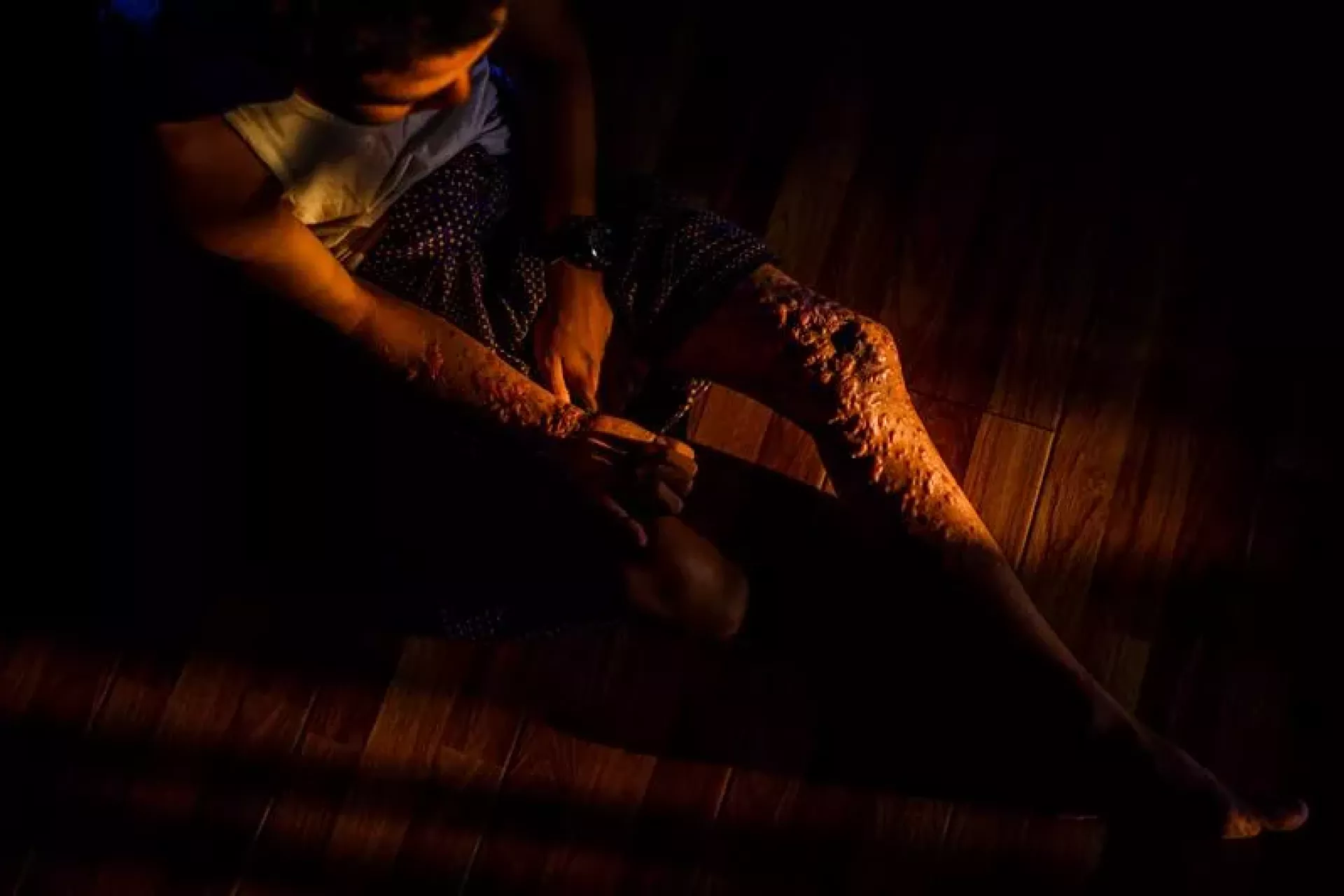
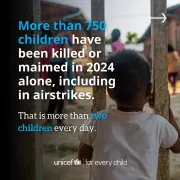
More than 750 children have been killed or maimed due to the conflict in Myanmar this year, including by airstrikes – that is more than two children every day.
At least 250 children were killed or injured by landmines and explosive remnants of war (ERW) between January and September alone – more than in any other country in the world. Nearly all states and regions of Myanmar are now contaminated by landmines and ERW, posing grave risks to children.




These grave risks, along with the large-scale disruptions to critical services, including healthcare and education, compounded by a declining economy, are putting the well-being of more Myanmar children at risk than ever before.
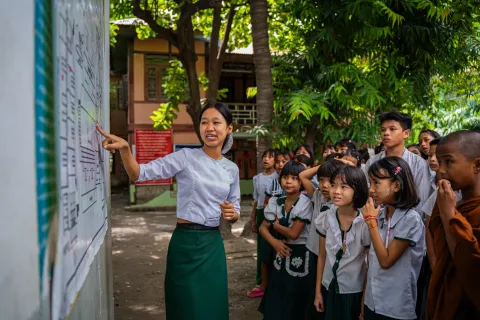
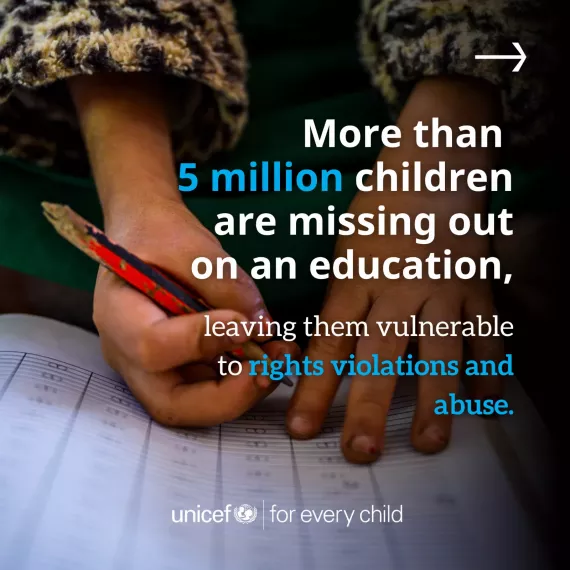
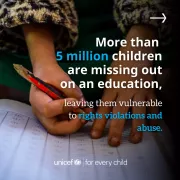
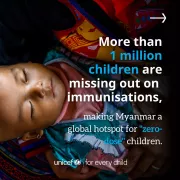
Over 1 million children are consecutively missing out on vital immunizations, making Myanmar a global hotspot for "zero-dose" children. More than 5 million children are missing out on education, leaving them vulnerable to forcible recruitment into fighting, early or forced marriages, sexual exploitation and abuse, and other grave rights violations.
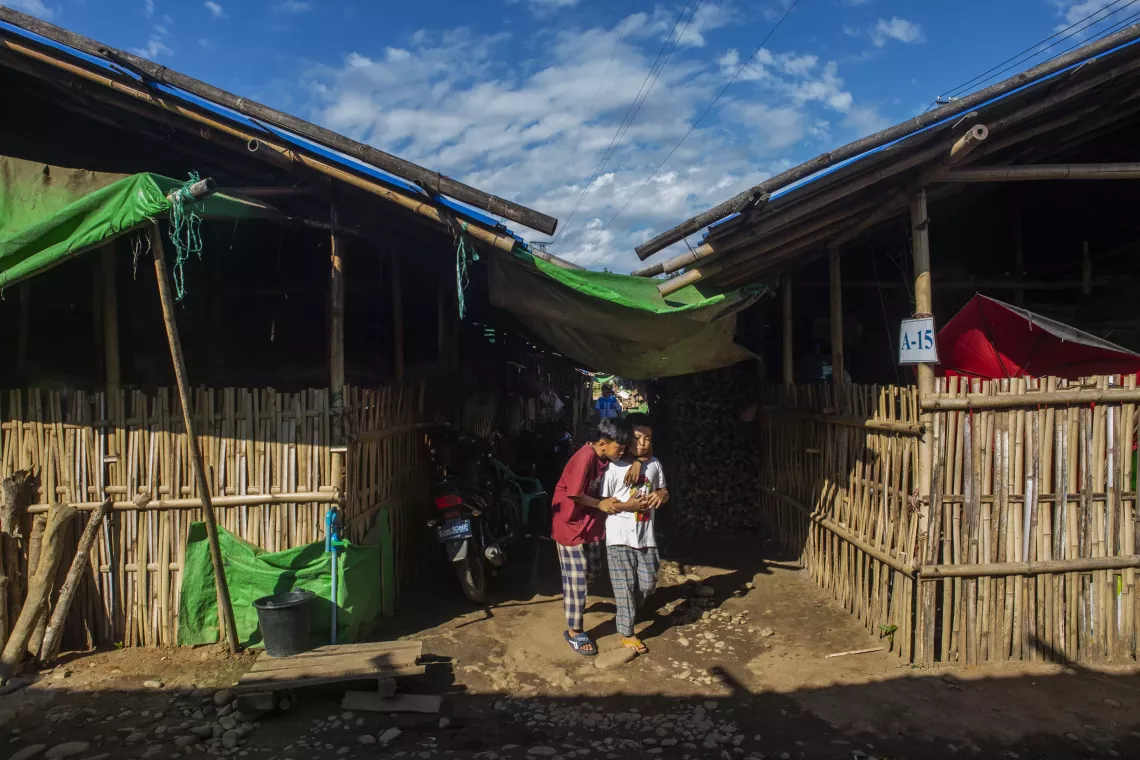
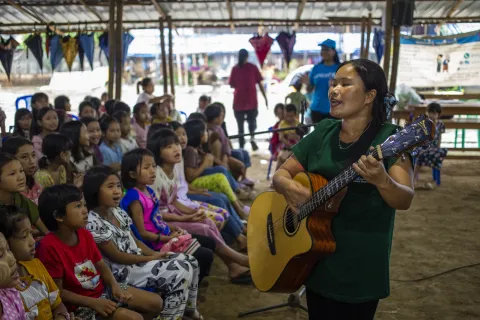
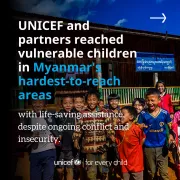
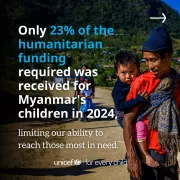
Throughout 2024, UNICEF, together with our partners, including local and community-based actors, worked tirelessly to deliver life-saving assistance and services to some of the most affected and vulnerable children, including those in hard-to-reach areas and challenging contexts, despite ongoing conflict, insecurity, and access constraints. However, acute funding shortages have limited the scale and coverage of the response, with only 23 per cent of the required funding received.
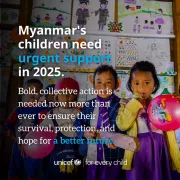
As we head into 2025, timely, sufficient, and flexible funding will be critical to urgently address the growing needs and provide a lifeline for conflict-affected and vulnerable children across Myanmar, who are teetering on the edge. Bold, collective action is needed now more than ever to ensure their survival, protection, and hope for a better future.