How does poverty affect children differently?
Even a temporary period of poverty can have long-lasting impacts on a child’s cognitive development, physical and mental health, and their opportunities as an adult
- Crnogorski
- English
- Shqip
No one benefits from poverty. But for children, whose bodies, brains and nervous systems are still developing, poverty's impacts can be particularly consequential – potentially leading to developmental delays, mental health issues, poorer cognitive development and long-term health problems, among other challenges. As adults, those who experienced poverty in childhood also are more likely to be unemployed or in lower-paid jobs, to have encounters with the criminal justice system and to experience poverty themselves.
All of this results in significant costs for society at large. One analysis on childhood poverty in the United States, for example, found that every dollar spent on reducing poverty saved seven dollars in economic costs. In the United Kingdom, it has been estimated that the lost earnings that result from childhood poverty's consequences for later employment opportunities are equivalent to at a loss of 12 billion GDP per year – almost 1 per cent of GDP.
But poverty is not just an economic issue. Given what we know about how it can redirect normal child development in both the short and long-term, it is also a public health crisis.
How poverty rewires the brain
One reason that poverty in childhood can have life-long impacts is because of the stress that it causes for vulnerable, developing brains and bodies.
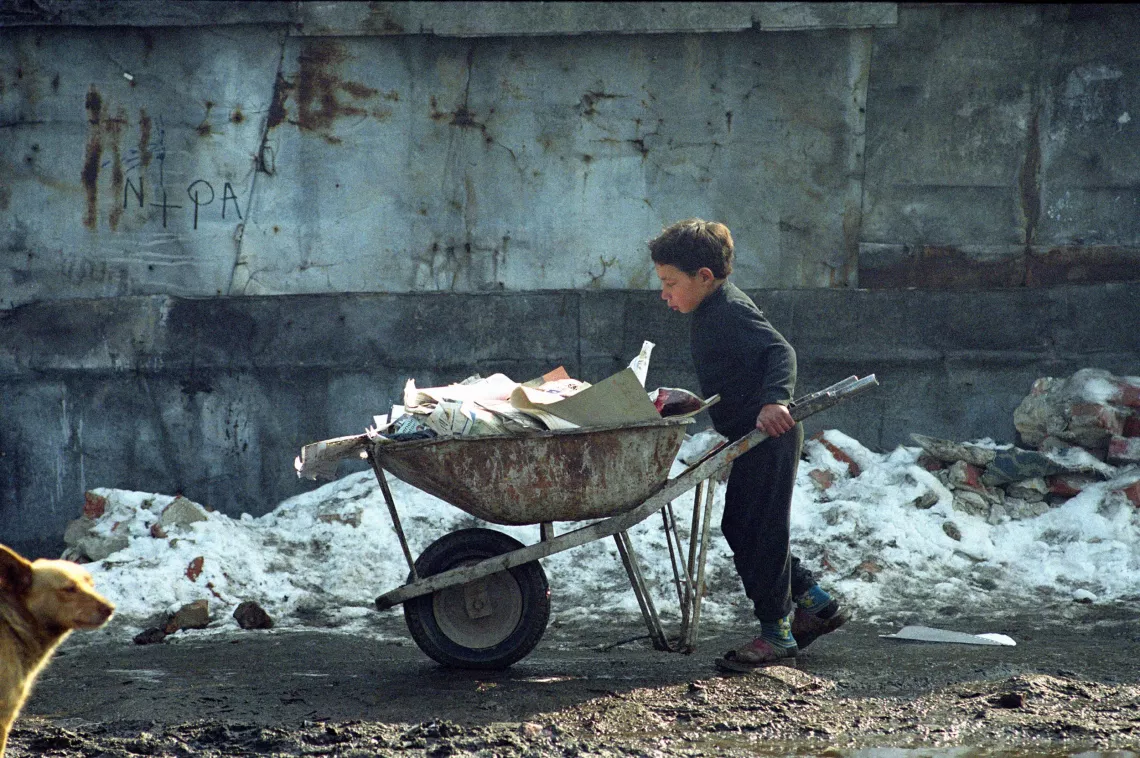
In countries including Belgium, Croatia, Italy, Estonia and Poland, for example, more than one-third of eight-year-olds say they are always, or often, worrying about family money. Children also can absorb their parents' stress: studies have shown that, as early as infancy, babies experience physiological stress in response to their mothers' own stress response.
When children experience chronic stress, it can rewire their brain development. The part of the brain that processes emotional reactions, the amygdala, may show heightened activity long-term, leading them to overreact to everyday stressors. Stress hormones like cortisol may inhibit the development of the hippocampus, a part of the brain that is crucial for memory and cognitive processing, making it harder for children to learn effectively.
Other changes to the prefrontal cortex, white matter and other parts of the brain can make chronically stressed children have emotional dysregulation, hypervigilance and difficulty with executive function, which helps us to think rationally and make good decisions.
The interrelated impacts of growing up poor
Part of the reason that poverty has such an impact on children is because of how it intersects with, and causes, other types of trauma. Children in poverty can be at greater risk of experiencing adverse childhood experiences like interfamily violence, for example –experiences that in and of themselves increase the chance of developing depression, anxiety, or drug dependence greater.
Living in poverty often means other forms of deprivation, too.
One is that families living in poverty are more likely to lack access to fresh, nutritious food. Research has found that children who live in food-insecure households have, on average, poorer overall health and poorer academic outcomes than children who live in food-secure households. This is part of why programs providing school lunch to children in low household incomes, for example, have found that children who benefited from school lunch saw benefits into young adulthood, making it more likely that children would pursue education for longer, reducing the likelihood of health diagnoses, and even increasing later incomes.
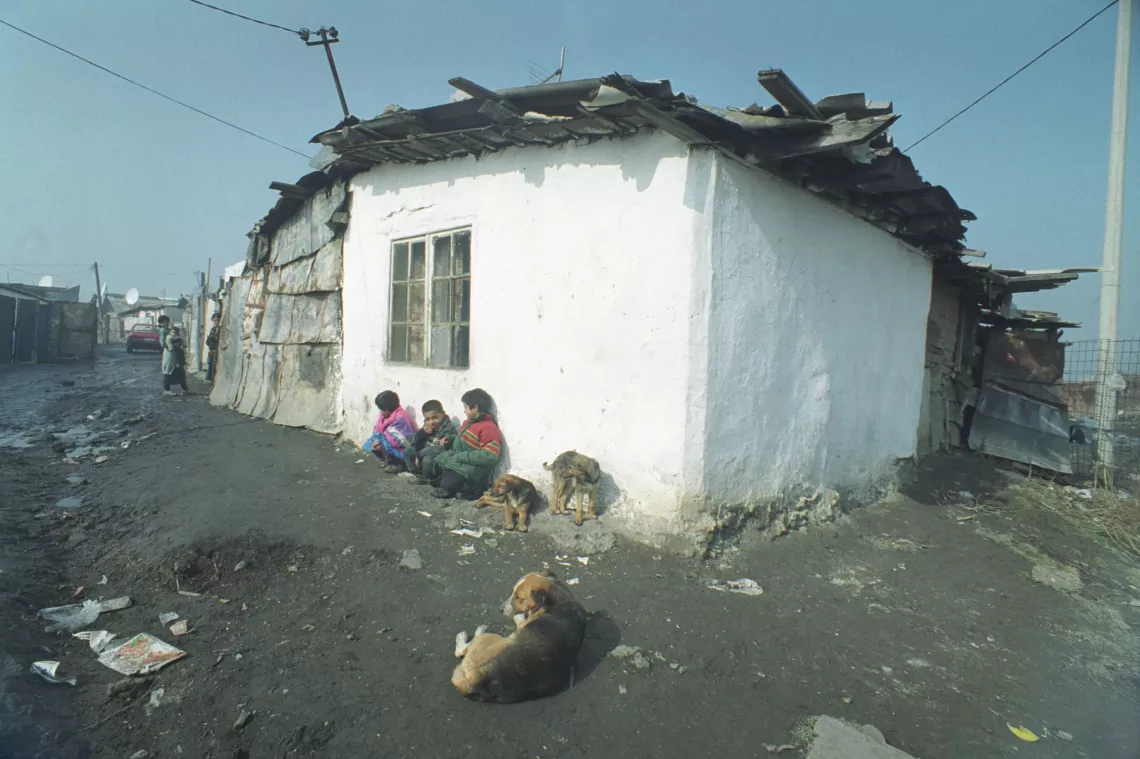
There are also environmental factors. Children who live in poverty are more likely to live in neighbourhoods that have higher levels of air pollution, for example, which we know also impacts their development for the worse.
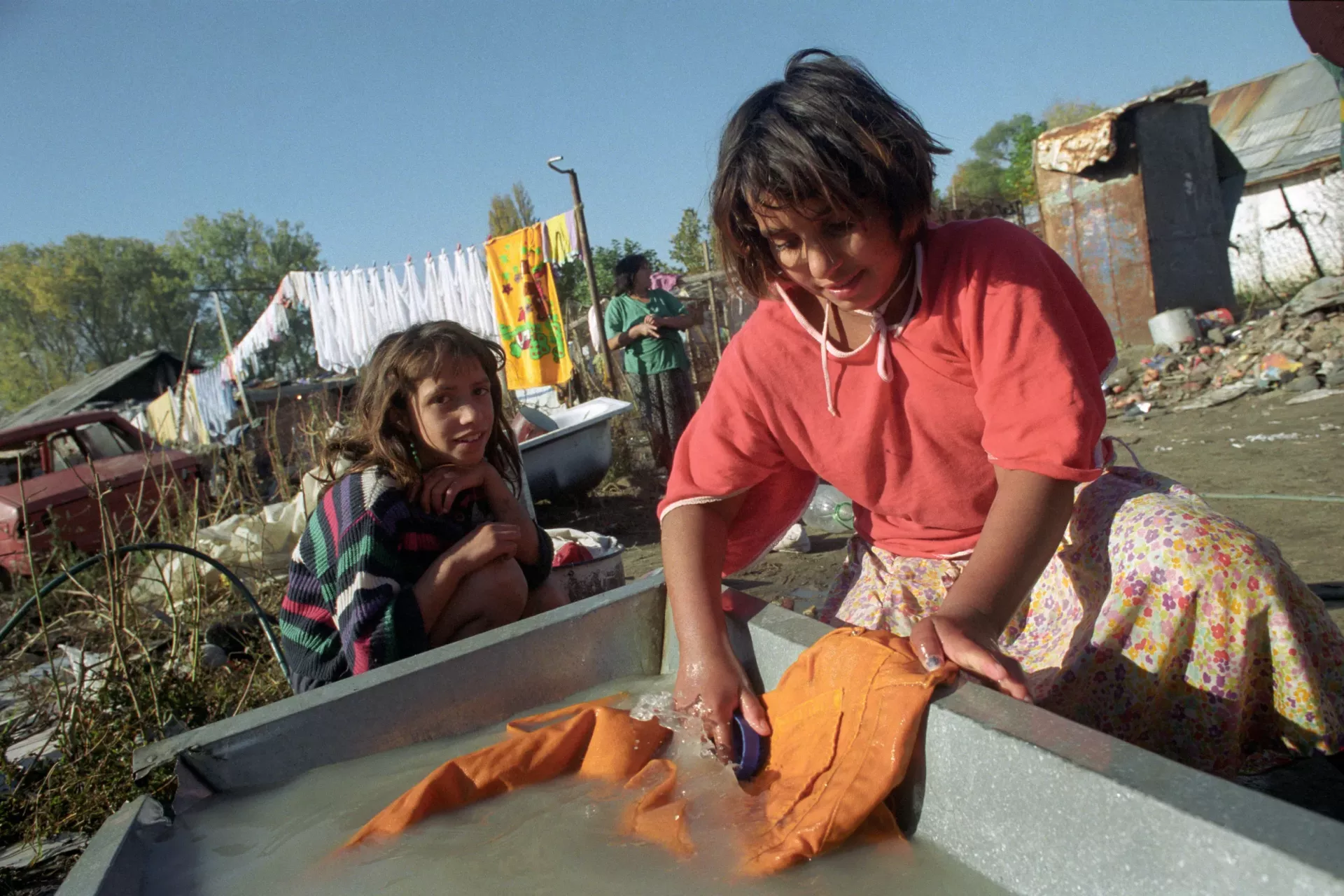
Finally, poverty also often intersects with other challenges. Children in poverty are more likely to be from non-majority communities that face discrimination, such as Roma or migrant and refugee communities. They are also more likely to have parents who are not citizens of the country in which they live.
Addressing child poverty and social exclusion is a priority for UNICEF in the Europe and Central Asia region. UNICEF supports governments to understand who and where children living in poverty are and what support they and their families need.
Financial well-being in childhood is not static. Changes within the household (such as job loss) and external factors (such as natural disasters) can cause both gradual and drastic changes in children’s welfare. UNICEF supports countries in the region to leverage technology and new approaches to more frequently monitor children’s well-being to allow governments to respond more quickly and effectively.
Social protection mechanisms, including cash transfers, play a critical role in protecting children and their families from poverty and its detrimental impacts on all aspects of life. Well-designed and well-funded social protection systems can lift children out of poverty, facilitate access to services and opportunities, and cushion the impacts of shocks and disasters which might otherwise push children and their families into poverty.