Young people in Moldova call for environmental policies that protect their health and future
On World Environment Day, students from 30 schools simulated the EU Environment Council and proposed solutions
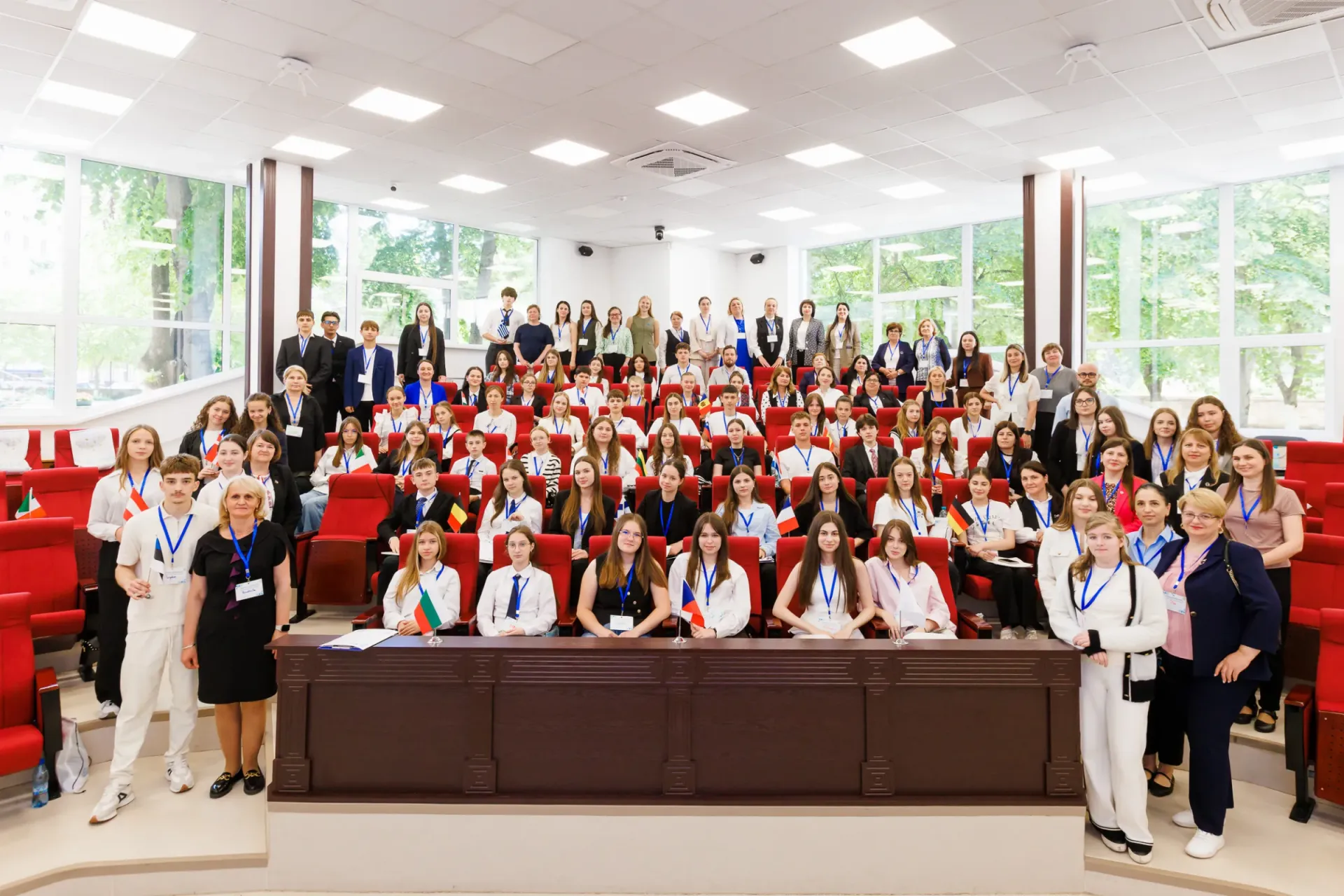
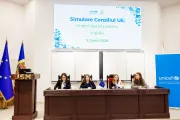
Chișinău, 5 June 2026 – On World Environment Day, students from 30 schools across the Republic of Moldova came together for the event “Simulation of the Council of the European Union: young people decide for the environment”, organized as part of the “EcoEd Moldova - developing environmental skills and climate knowledge among young people” initiative.
The main purpose of the event was to create a democratic space where the voice of the new generation could be heard directly by decision-makers, while ensuring recognition and protection of every child’s fundamental right to a clean and sustainable environment.
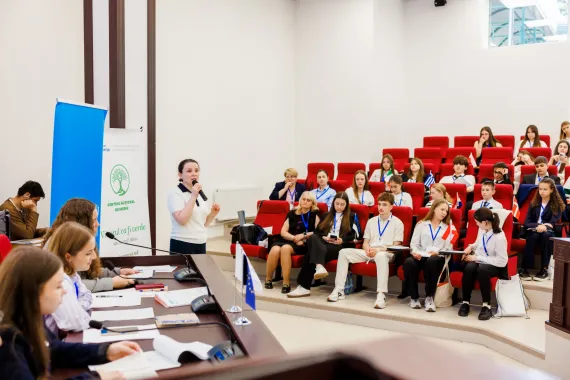
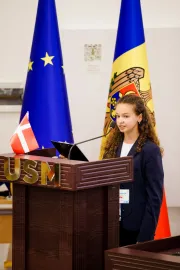
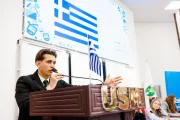
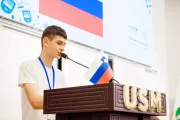
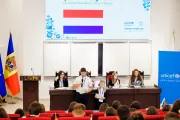
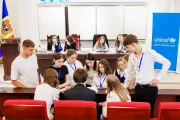
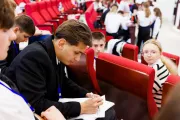
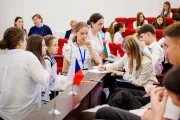
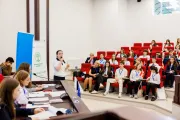
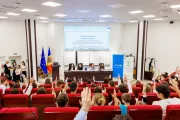
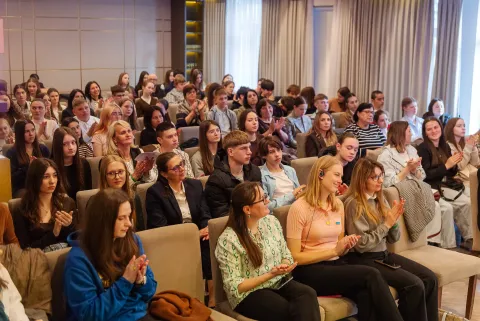
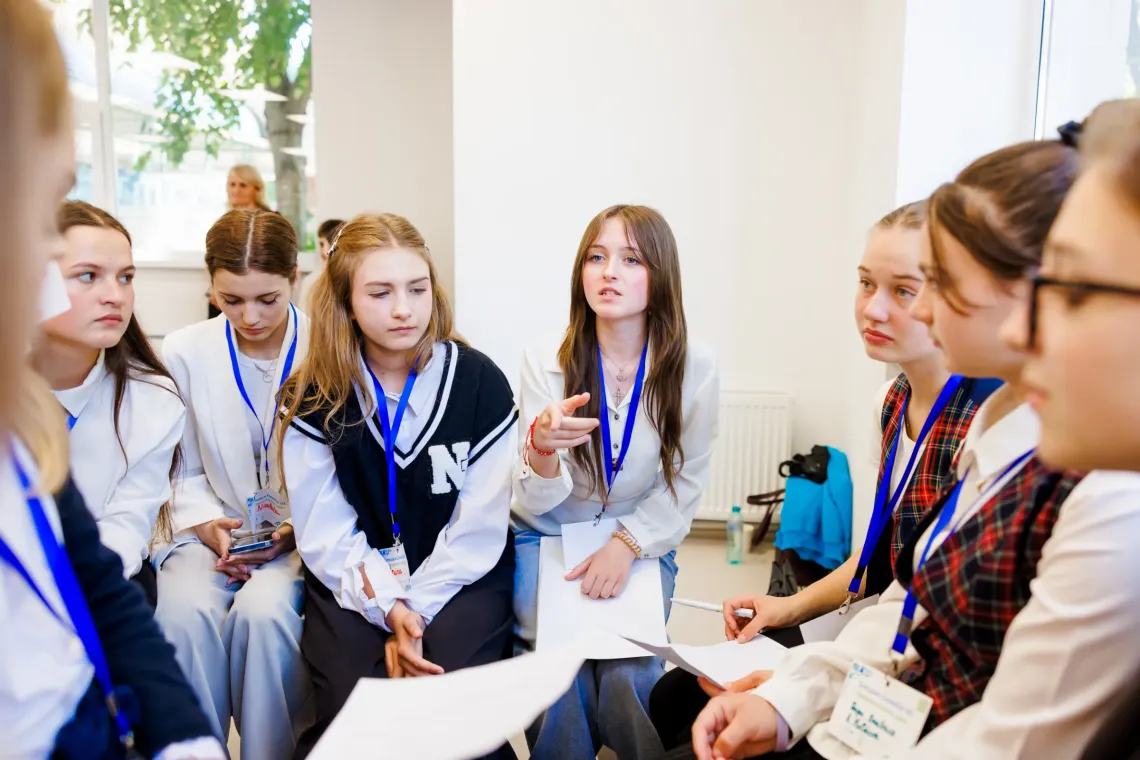
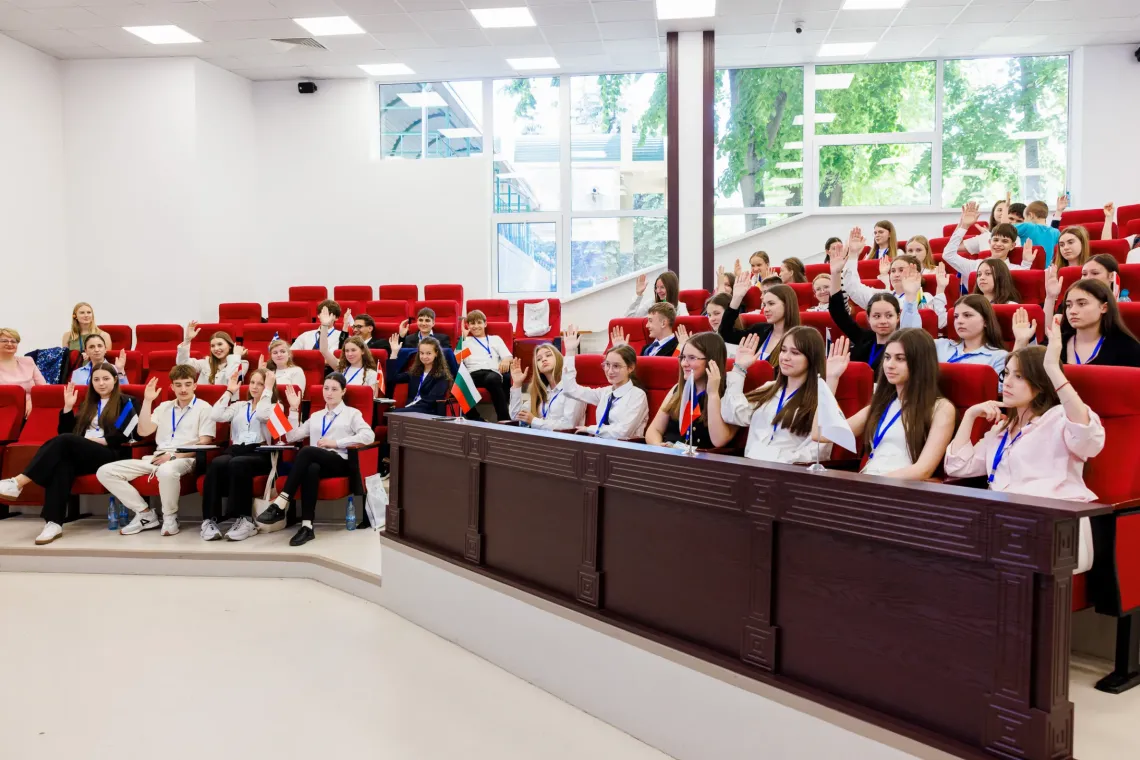
Moldova State University became a true hub of European democracy, as students stepped into the role of European diplomats, representing Member States of the European Union. They took part in debates, negotiations and thematic working groups focused on children’s right to a clean, healthy and sustainable environment.
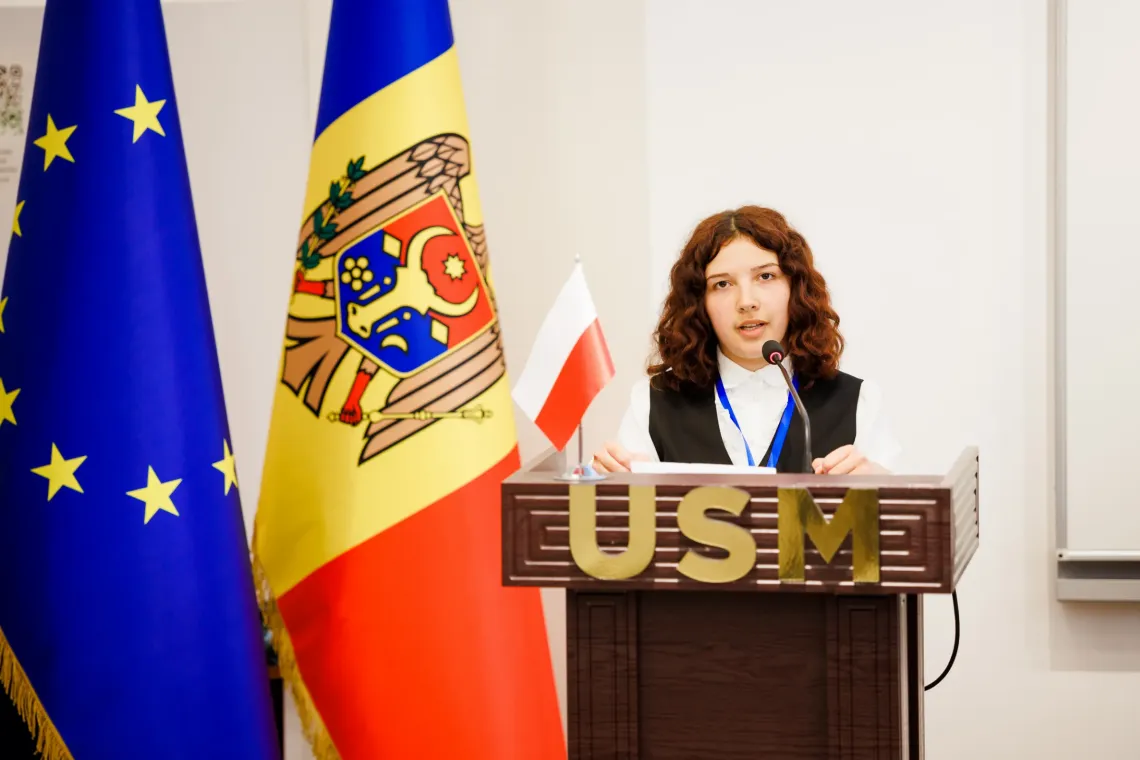
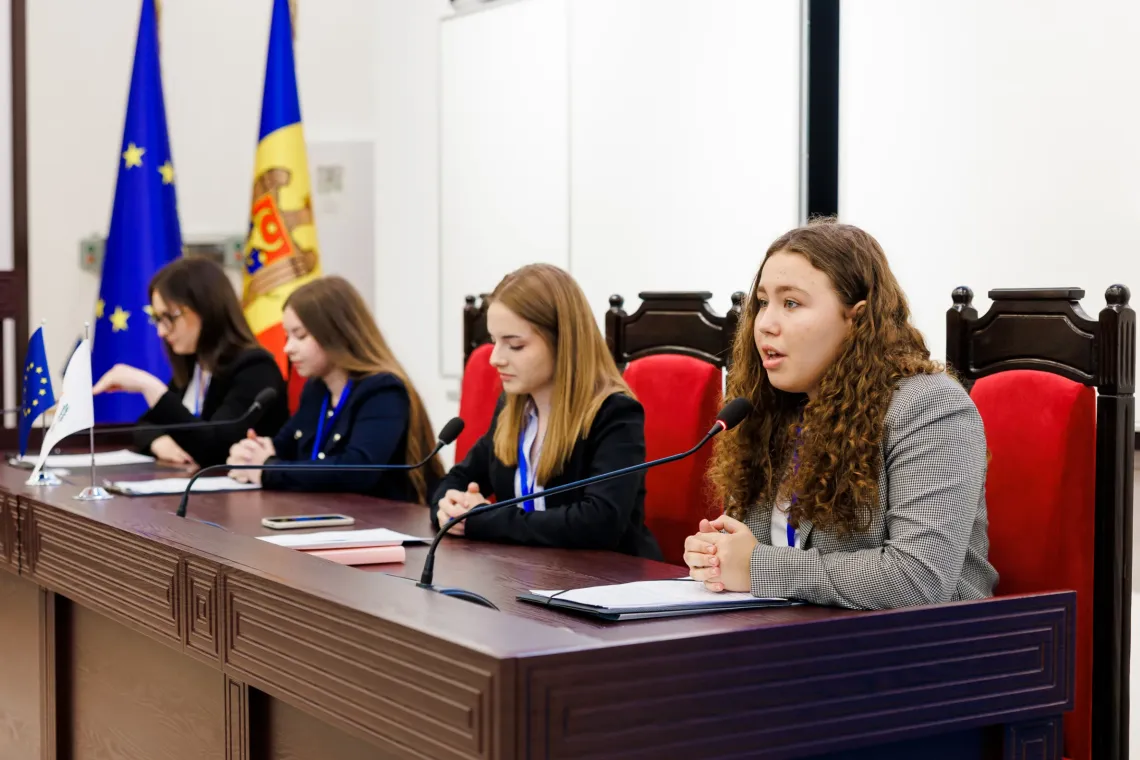
Opening the event, Gerrit Maritz, Deputy Representative of UNICEF in Moldova, emphasized that a healthy environment is not a luxury, but a fundamental right, noting that although children contribute the least to climate change, they bear its heaviest burden:
“Children and young people are not simply beneficiaries of environmental policies; they are partners and stakeholders whose perspectives can improve decisions and outcomes. That is why today is not about adults speaking on behalf of young people, but about creating a space where you can speak for yourselves - and be heard. In Moldova, where nearly 8 in 10 young people surveyed say that climate change has already affected their families, your voice is not just a theory, but clear evidence.”
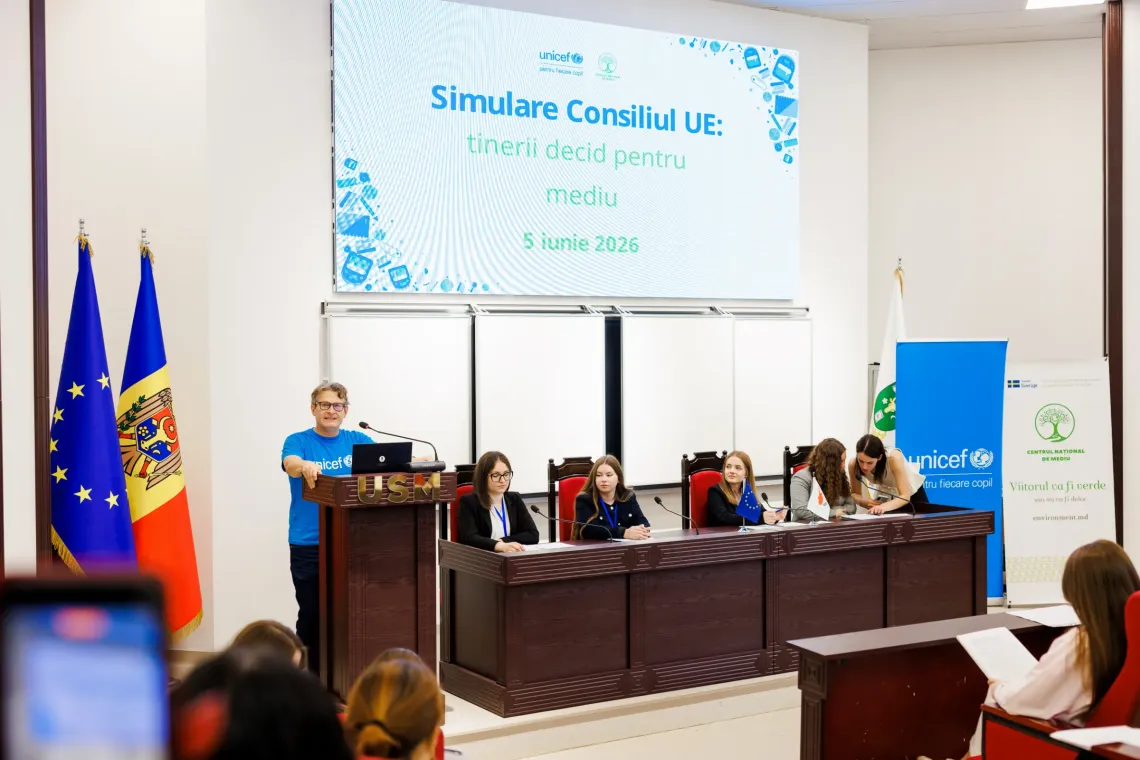
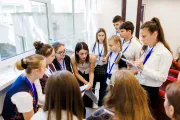
The activity provided young people with a democratic space for participation, where they analysed environmental challenges in the Republic of Moldova, explored European good practices, and formulated concrete recommendations for the authorities.
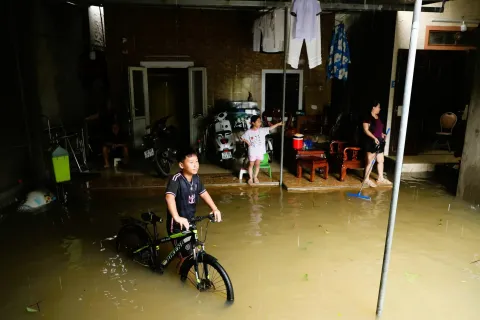
While acknowledging Moldova’s recent progress - including the expansion of environmental programmes in schools, the development of water and sanitation networks, and measures to improve energy efficiency and afforestation - young people stressed that these efforts are no longer sufficient in the face of increasingly severe droughts and floods.
During the debates, participants addressed five priority areas:
- air quality in spaces used by children;
- access to safe drinking water and sanitation services;
- the impact of climate change on children’s health;
- the right to environmental education and information;
- the participation of children and young people in environmental decision-making.
The event culminated in the adoption of the participants’ conclusions and recommendations, as well as the „Joint declaration of children and young people on the right to a healthy environment”, addressed to the Ministry of Environment and state institutions. The document reflects the concerns of children and young people about environmental issues that affect their health, education, well-being and future.
Young people called for urgent action focused on four pillars:
- Universal environmental education: developing and implementing environmental education programmes in all educational institutions, alongside the creation and improvement of green spaces in schools.
- Safe infrastructure: guaranteeing universal access to safe drinking water and taking stronger measures to reduce air pollution, which remains the greatest environmental risk in Europe and directly affects children.
- Participatory governance: establishing clear and permanent mechanisms for consulting young people in environmental decision-making and adopting strong legislative documents that legally guarantee children’s right to a healthy environment.
- Sustainability: promoting organic agriculture on a large scale as a solution for adapting to the climate crisis.
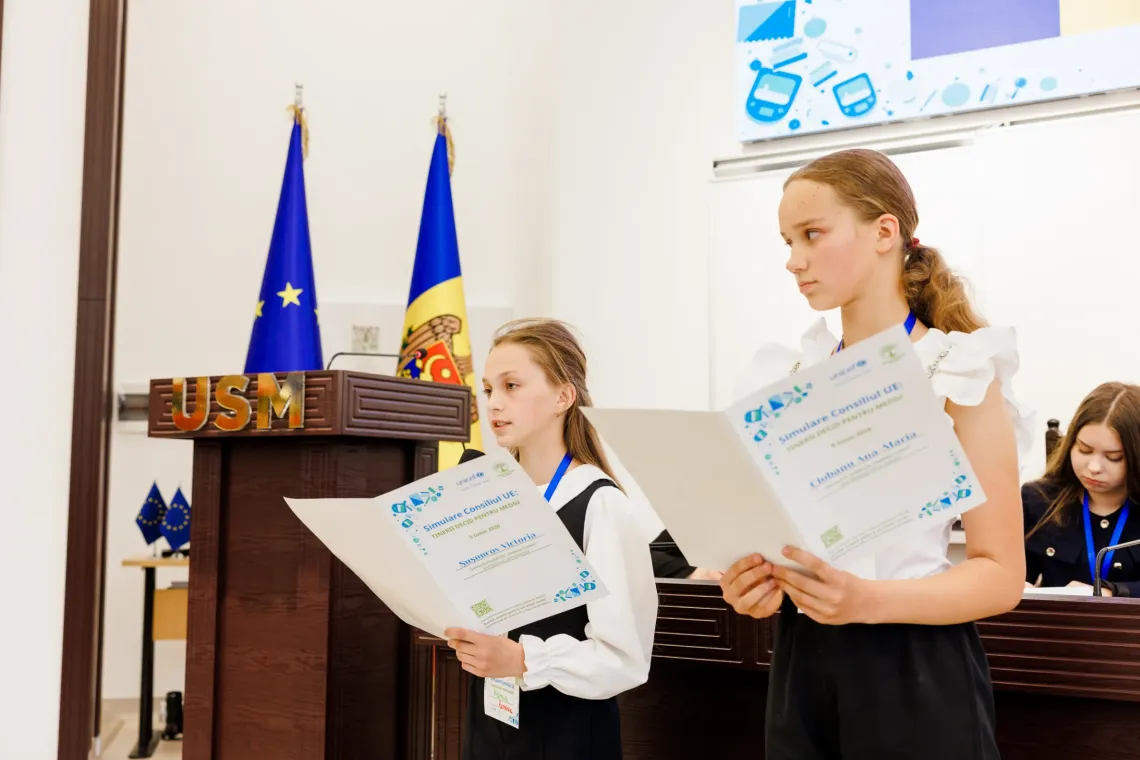
For the participants, this practical exercise served as a direct bridge to the authorities. From the outset, young people highlighted “the practical importance of the exercise we are carrying out today: the resolution will provide authorities with a valuable perspective on how we, as young people, perceive environmental challenges and identify solutions”.
This perspective is rooted in the belief that protecting nature must become an absolute national priority, because “investing in a clean environment is not an expense, but a sound investment in the health of future generations, and ensuring children’s right to a healthy environment is the greatest challenge of our century.” For this reason, the new generation is taking an active role in this process, convinced that “young people’s involvement in environmental protection is not only a responsibility, but a guarantee for the future, while a healthy environment for children means a stronger Europe tomorrow.”
Through their recommendations, young people called for the explicit integration of children’s rights into environmental policies, the expansion of air quality monitoring in schools and communities, investment in water and sanitation infrastructure, the inclusion of children’s needs in climate change adaptation strategies, the strengthening of environmental education in schools, and the creation of genuine mechanisms for consulting children in the development and monitoring of public policies.
Participants emphasized that the right to a healthy environment is closely linked to other fundamental rights of the child, including the rights to life, health, education and development. They also warned that the environmental decisions taken today will directly shape the lives of current and future generations.
The event marks the completion of an important stage of the “EcoEd Moldova - developing environmental skills and climate knowledge among young people” initiative, implemented by the National Environmental Center and UNICEF Moldova. Through the project, young people were encouraged to understand better the link between climate, the environment and children’s rights, and to transform the challenges they observe in their communities into concrete proposals and actions.