International Earth Day
In Sadaclia and Edineț, students turn data into action to protect their communities
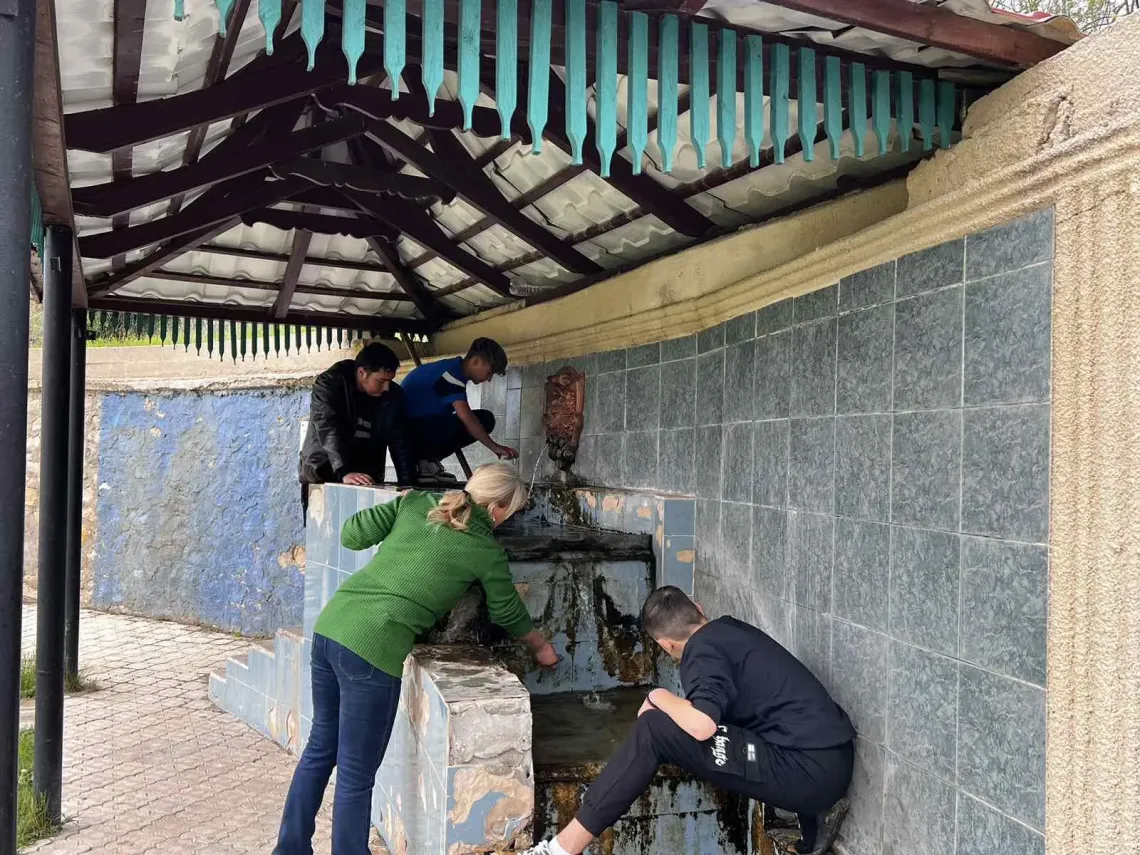
In Sadaclia, a student lowers a testing strip into a well and waits. As the colour slowly changes, it reveals something many families have long lacked: a clear answer about the safety of their water.
For many households in the Basarabeasca district, well water is part of everyday life. Yet official data shows that a significant number of these wells do not meet drinking safety standards. Nitrate contamination, in particular, poses serious health risks, especially for children and infants.
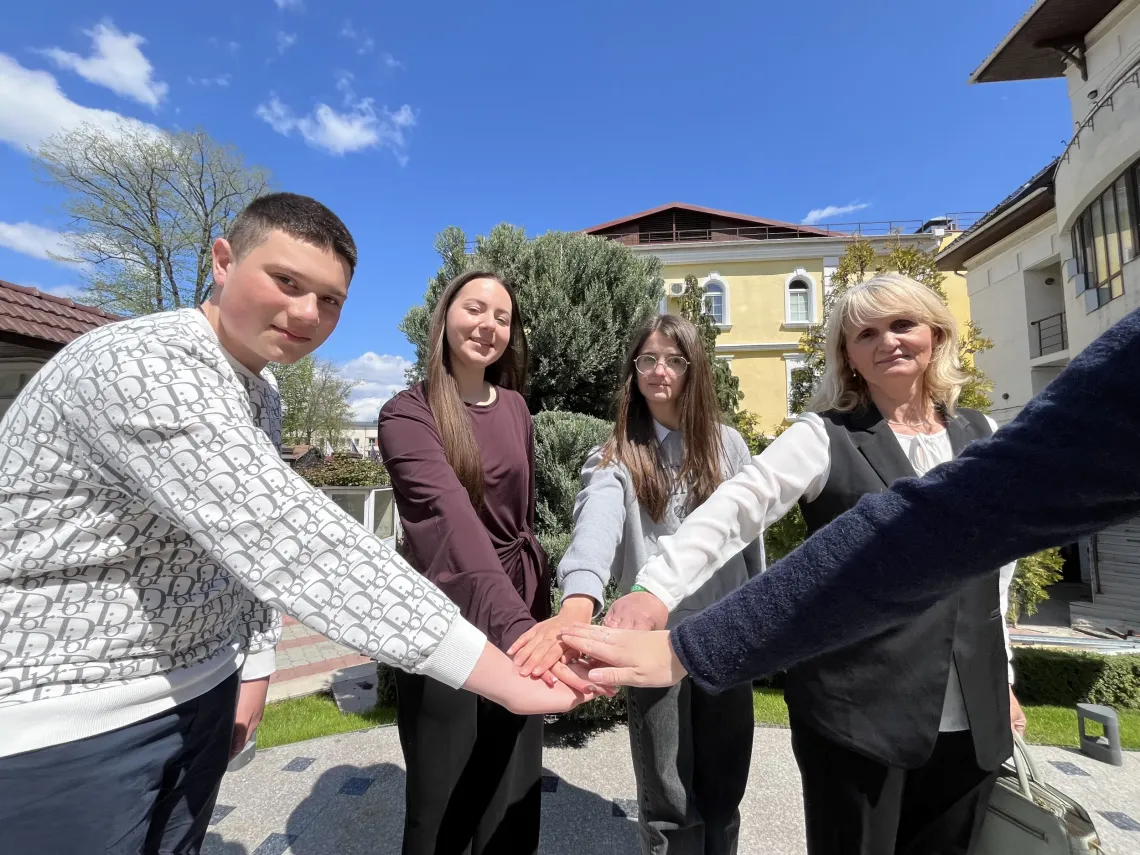
At the “Mihai Eminescu” High School, a group of students decided to act. Calling themselves the “H2O Guardians,” they began testing water from both private and public wells using pH meters and specialised strips. In total, they analysed 25 water sources, transforming their school laboratory into a space that serves the wider community.
Their findings are now being compiled into a digital map, designed to help residents make informed decisions about water consumption. What started as a school initiative has become a practical tool for public health - showing how access to reliable data can support safer choices.
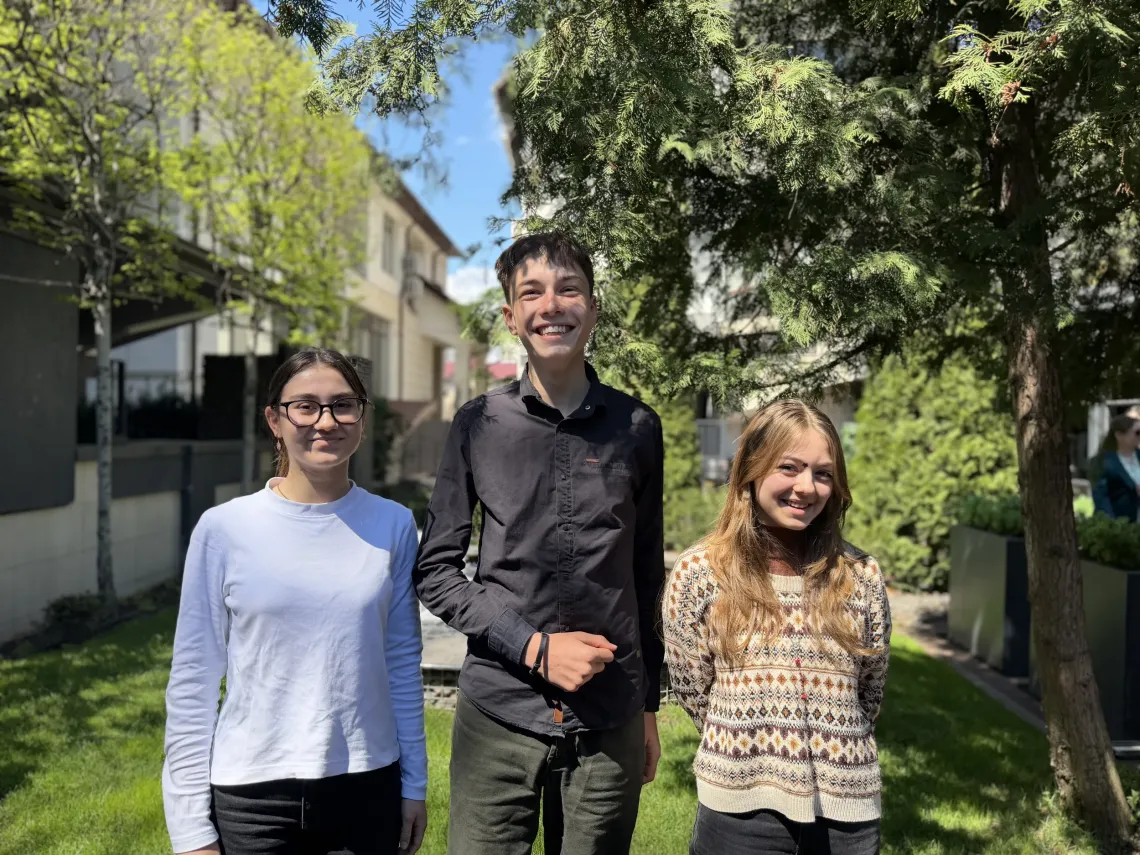
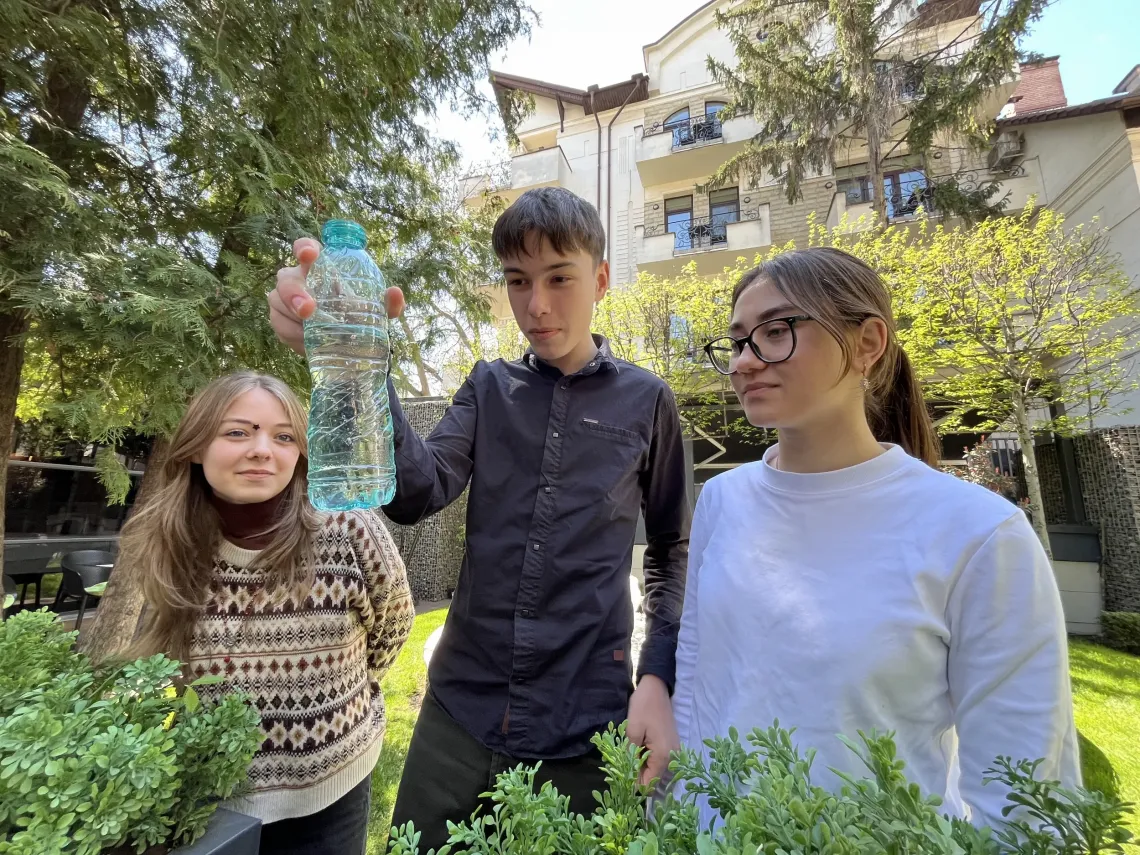
“We learned that water is much more important than it seems at first glance, and that through small actions we can protect the health of many. Our motto is: water is the source of life - et’s protect it together,” says Cătălina Busuioc, a 12th-grade student.
Project coordinator Adrian Macari highlights an important shift: “monitoring, once irregular, is becoming part of how the community understands and protects its own health”.
In Edineț, the starting point was not a single issue, but a pattern.
At the “Pan Halippa” High School, the “Ecologists” team began by observing their surroundings and engaging with residents. They noticed how hard water affected household appliances, while traffic and seasonal burning influenced air quality. Even subtle changes - such as water discoloration - pointed to broader environmental challenges.
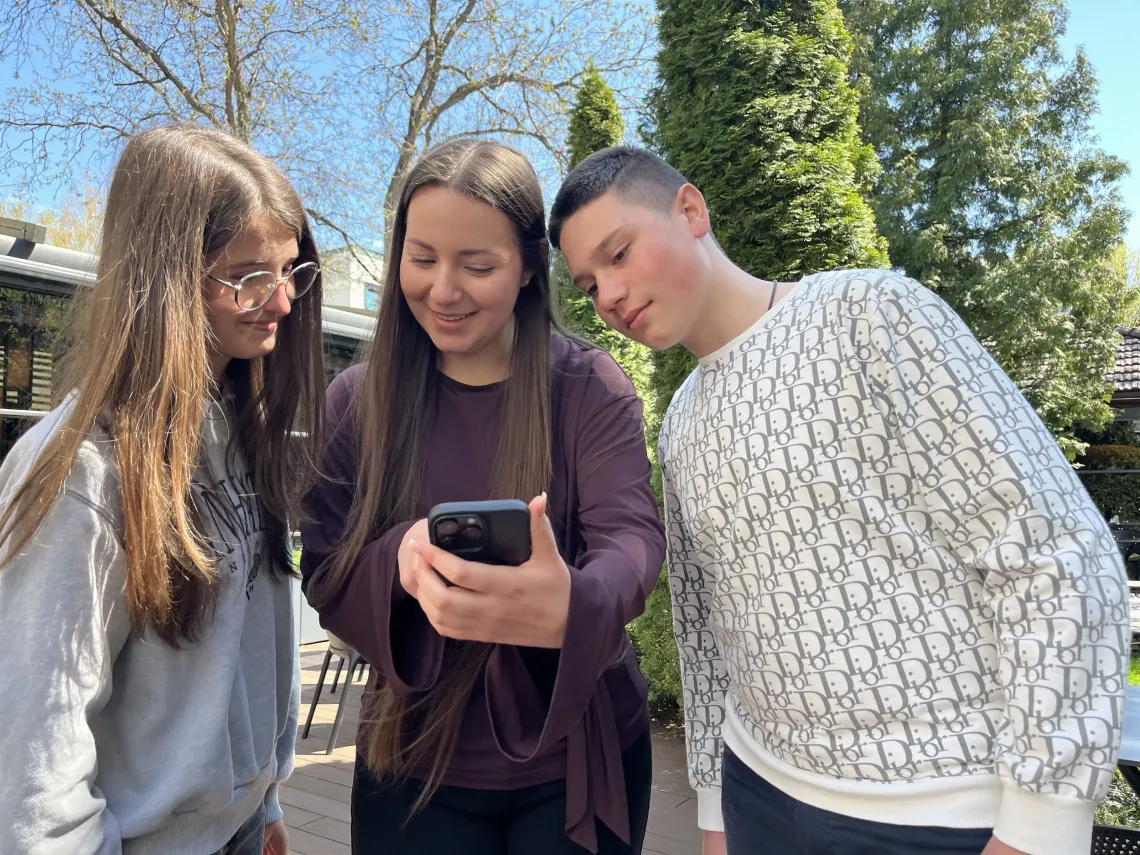
The students turned these observations into measurable data. Using digital sensors, they monitored air quality, tracking levels of carbon dioxide, formaldehyde, and volatile organic compounds. At the same time, they introduced practical solutions. Compost bins built on school grounds now offer an alternative to burning dry leaves - helping reduce air pollution and supporting community health.
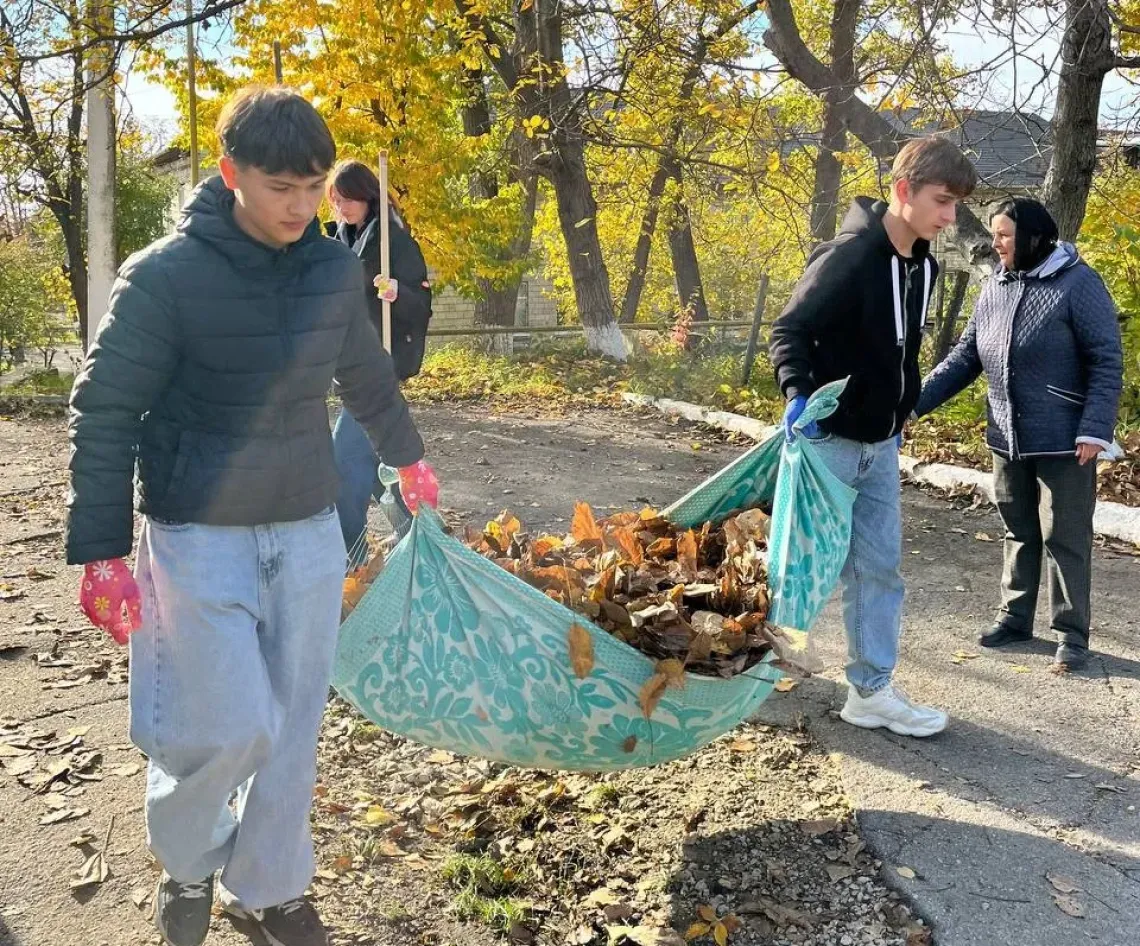
Project coordinator Liudmila Pirojoc emphasises the importance of collective action:
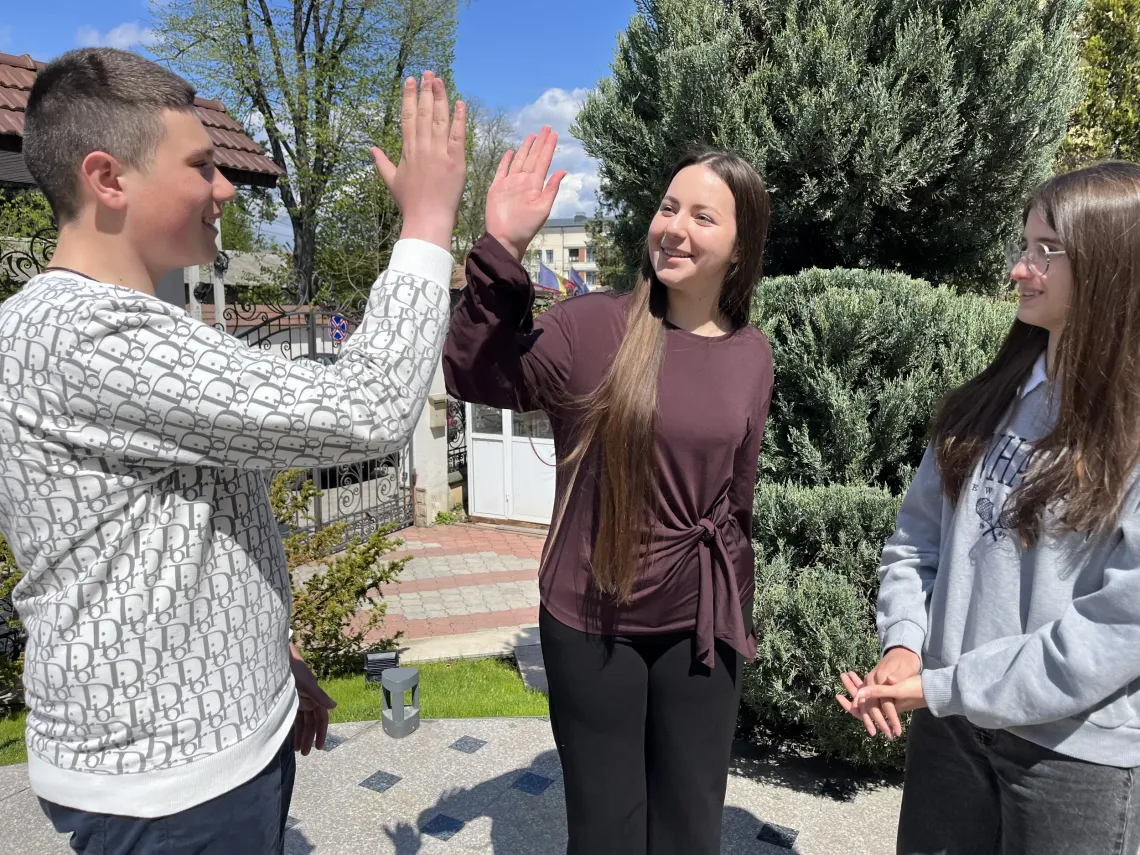
“Environmental change depends on each of us. We are encouraged to see openness from local authorities and residents.”
The students share a clear message:
“Only together can we solve problems in our city and beyond. We want to be heard because we care about our community and our planet.”
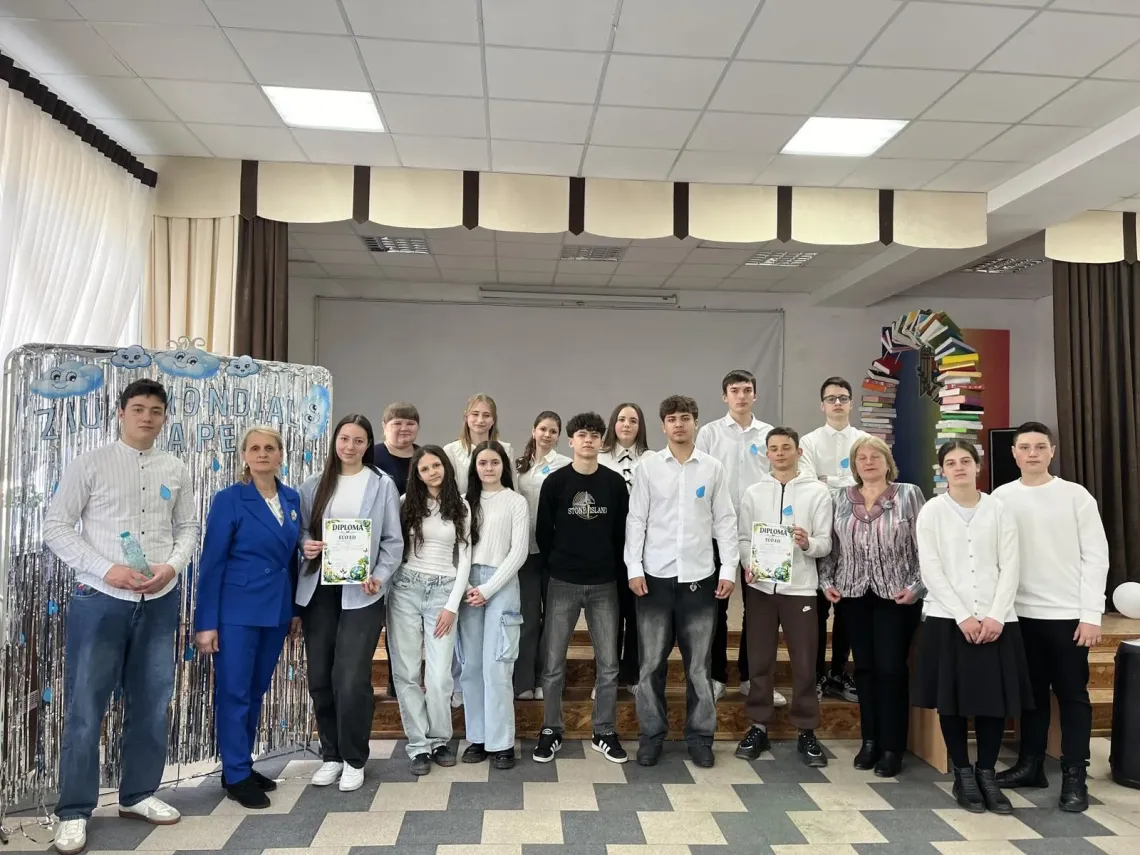
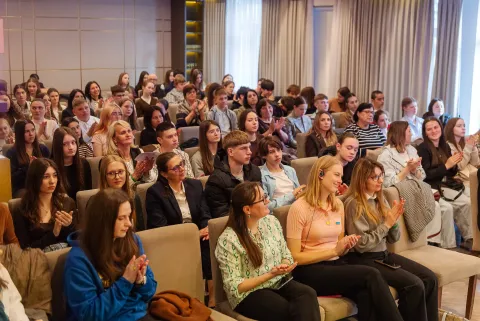
The experiences of Sadaclia and Edineț reflect a broader reality: environmental and climate challenges are often visible in everyday life, but effective solutions require reliable data, practical tools, and sustained engagement - especially from young people.
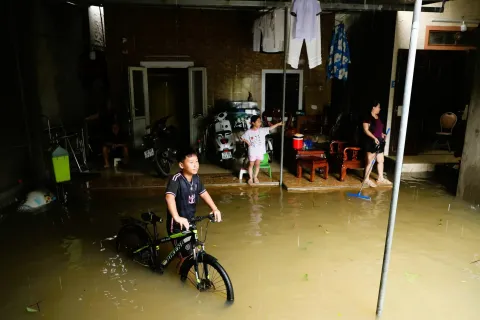
On International Earth Day, these initiatives show that protecting the environment begins with understanding it. Testing water before consumption can prevent health risks. Composting organic waste reduces harmful emissions. Sharing data strengthens awareness and supports better decisions at the community level.
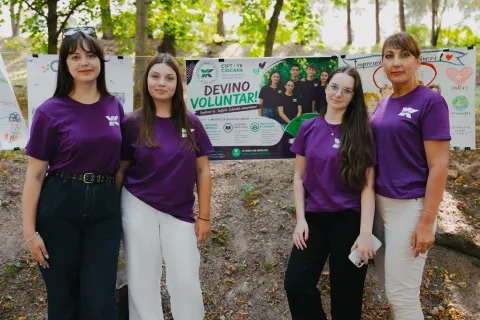
These efforts are part of the UNICEF project“EcoEd – school for a green future”, implemented by the National Environmental Centre. The programme empowers students to move beyond theory and apply knowledge in ways that directly benefit their schools and communities - highlighting the critical role of education in addressing climate change and environmental challenges.