In the key regions of Cahul and Ungheni, young people are contributing to building a greener future
Thanks to the financial support of the European Union under the "EU4Moldova: Key Regions" Program
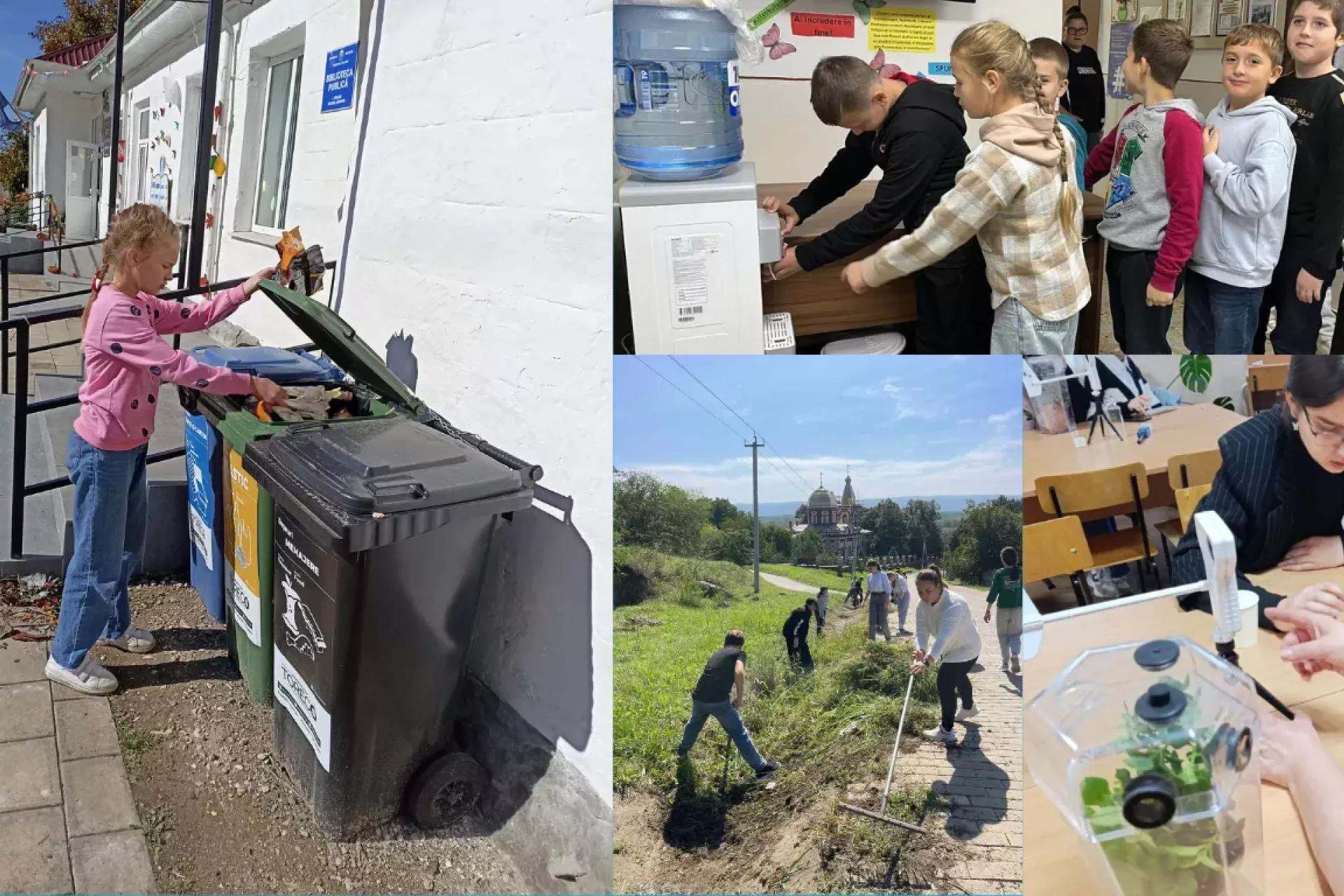
Around 1,000 teachers and students from Cahul and Ungheni had the opportunity to implement solutions that promote responsible behavior towards the environment and ecological balance within their institutions. This was made possible thanks to the European Union's support of 10,000 euros provided to the beneficiaries of the initiative "Eco-School: A Healthy Environment in Cahul and Ungheni", carried out under the "EU4Moldova: Key Regions" Program, funded by the European Union and implemented by UNDP Moldova and UNICEF. With this funding, project beneficiaries implemented eco-projects in their schools.
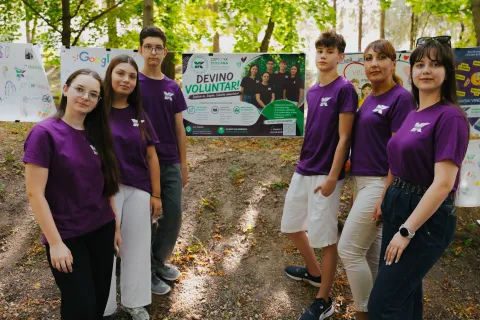
From installing water filters and creating green spaces to promoting recycling and organic farming, the youth have shown that they have the power to become agents of change starting with their communities.
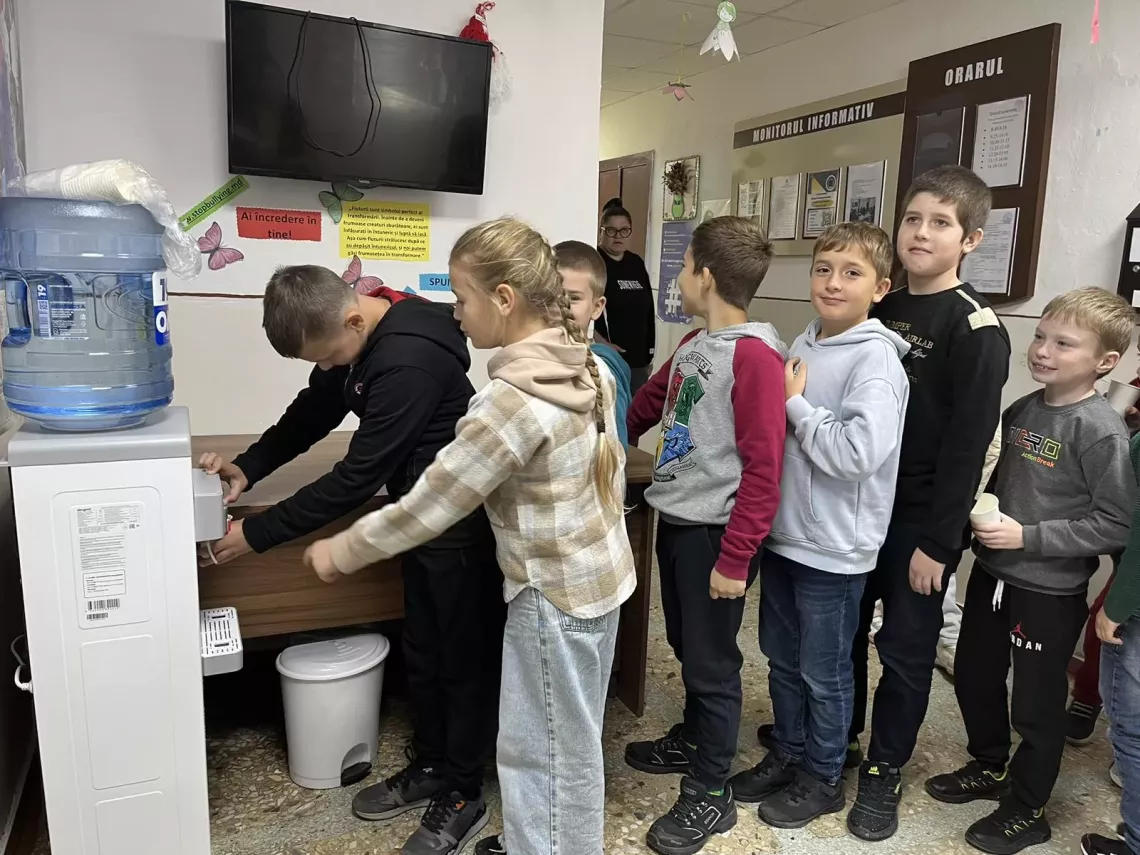
Access to safe drinking water is a fundamental right, but in many rural areas, especially in disadvantaged communities, children face a severe lack of this essential resource. As part of the "Eco-School: A Healthy Environment in Cahul and Ungheni" initiative, water quality analyses were conducted, providing a clear picture of the current situation and identifying the best solutions for each school. Some educational institutions have already implemented concrete measures to ensure access to drinking water and proper hygiene conditions, such as installing water filters, pump reservoirs, water coolers, and rainwater collection systems.
An especially important aspect, but often overlooked in discussions about hygiene in schools, is the specific needs of girls. Therefore, the beneficiaries focused on ensuring an environment that promotes personal hygiene and provides girls with all the necessary resources. Through the "Girls' Education" project, the school equipped the institution with special boxes containing feminine hygiene products, thus ensuring every young girl's right to proper intimate hygiene.
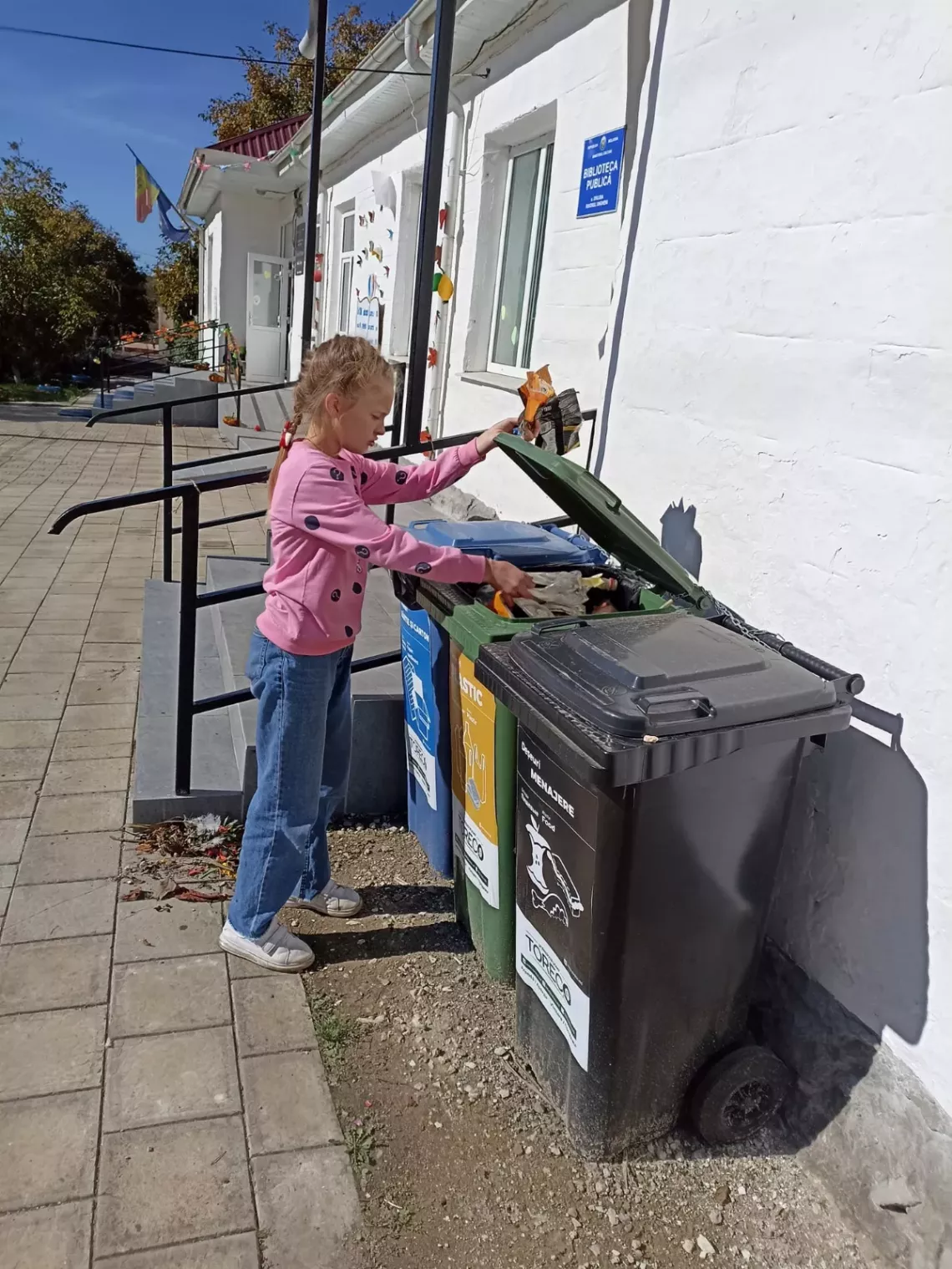
Another key aspect of the "Eco-School: A Healthy Environment in Cahul and Ungheni" initiative is the proper waste management. Many participating schools have implemented waste segregation projects, including the collection of electrical and electronic waste, transforming educational institutions into models for environmentally responsible communities. Students were also encouraged to give new life to the collected waste, turning it into useful and aesthetic items.
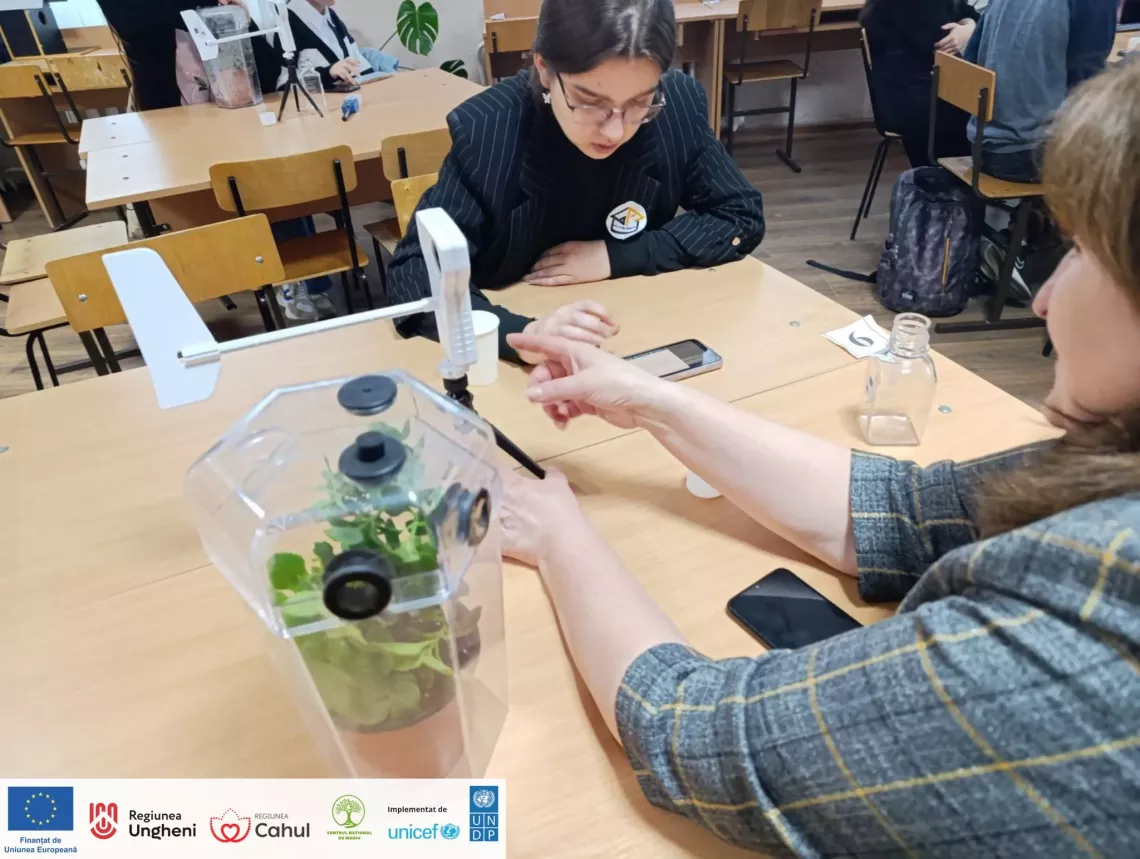
The beneficiaries of the initiative also adopted a proactive approach in combating climate change and promoting energy efficiency, successfully implementing innovative projects that combine green technologies and environmental monitoring systems. For example, some schools replaced old bulbs with LED ones, while other institutions equipped students with sensors to monitor air and soil quality, literally turning them into "nature detectives."
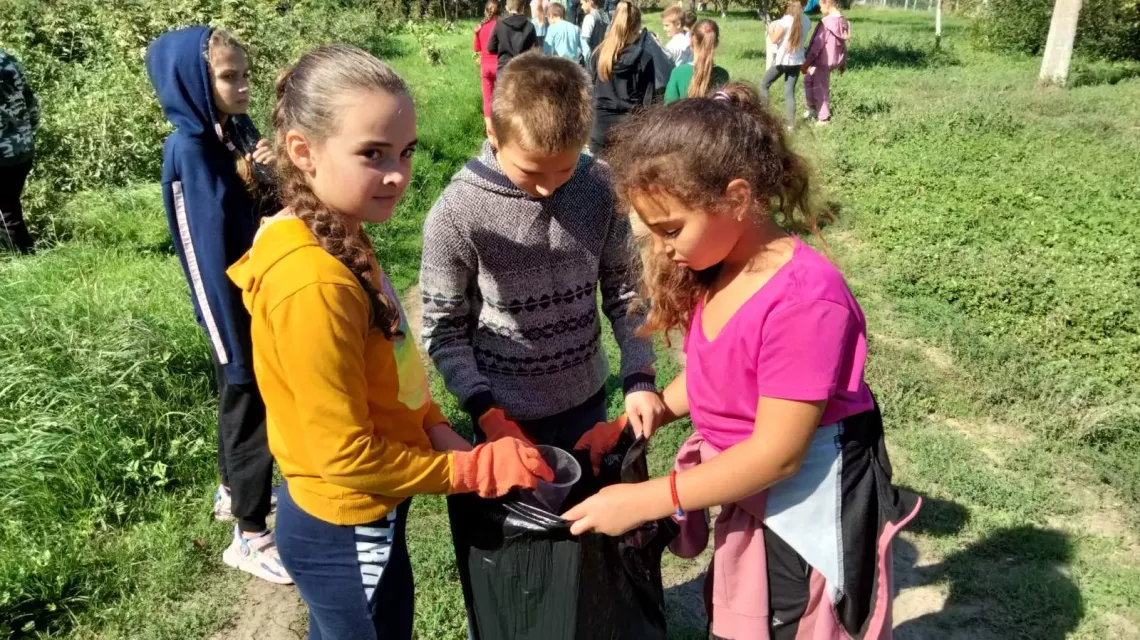
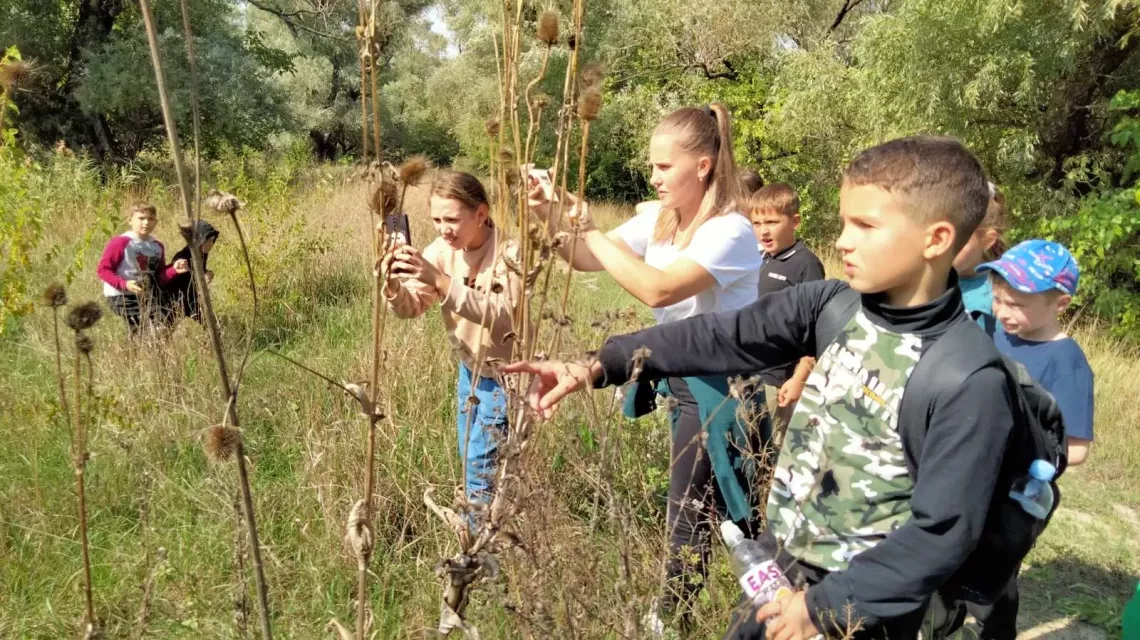
The projects implemented under the "Eco-School" initiative cover a wide range of practical activities, from environmental education and raising awareness of environmental issues to concrete actions to improve the surrounding environment, such as clean-up campaigns, planting, field research, and more. Students are actively involved in these projects, contributing to their personal development and the formation of a generation that is responsible for the environment.
The "Eco-School: A Healthy Environment in Cahul and Ungheni" initiative involved 11 educational institutions from Cahul district and nine from Ungheni district, reaching about 1,000 teachers, students, and their parents. The initiative was part of the UNICEF project "Improving the Knowledge and Skills of Youth in Water, Sanitation, Hygiene, and Environment in the Key Regions of Cahul and Ungheni", implemented by the National Environment Center under the "EU4Moldova: Key Regions" Program, funded by the European Union and implemented by UNDP Moldova and UNICEF.