Socio-emotional education: results
Final results of the Socio-Emotional Learning Programme in 150 Resource Centres
Highlights
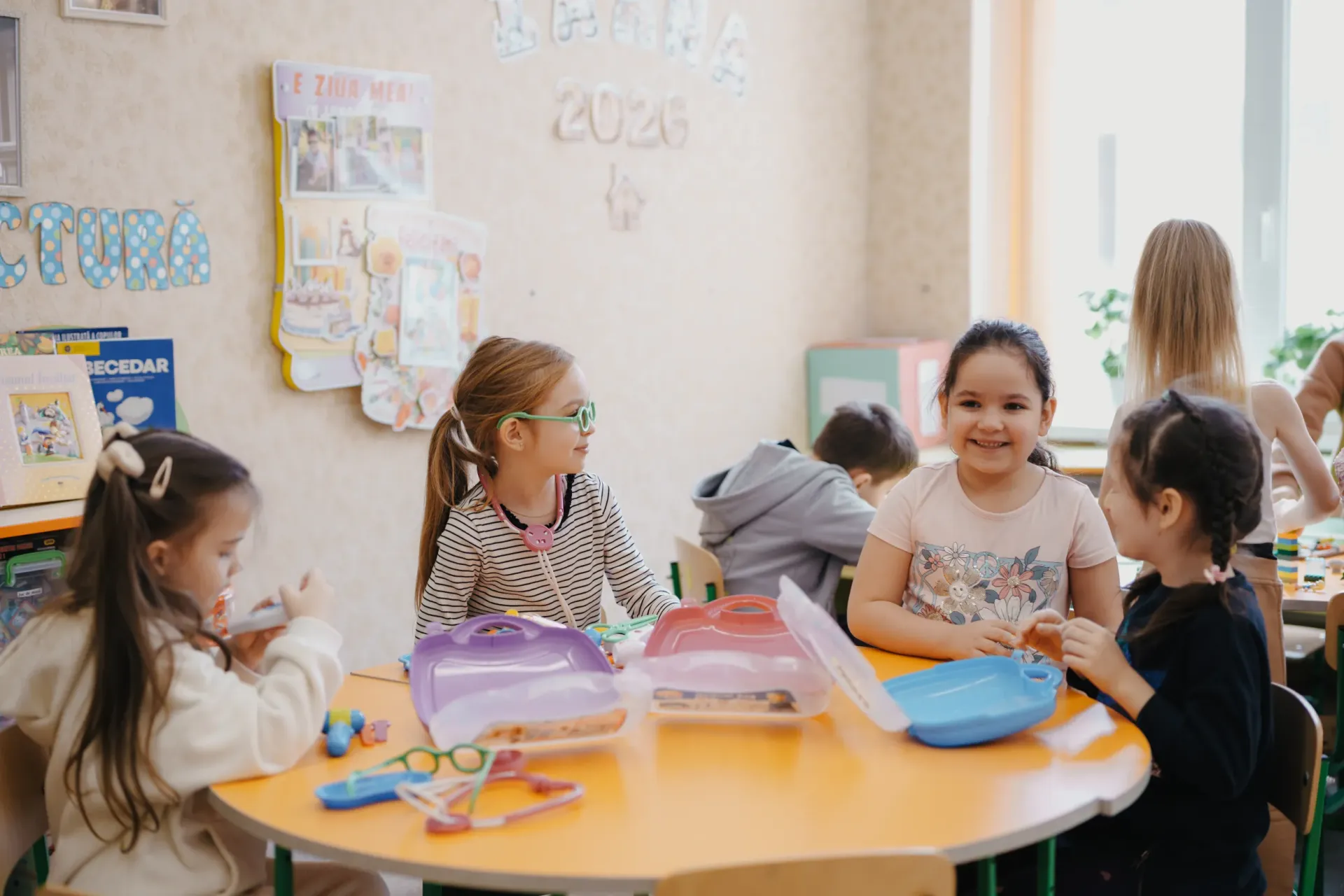
Around 30,000 children, 1,400 groups and 2,400 educators benefited from the Think Equal Socio-Emotional Learning Programme, implemented in early childhood education institutions across the Republic of Moldova.
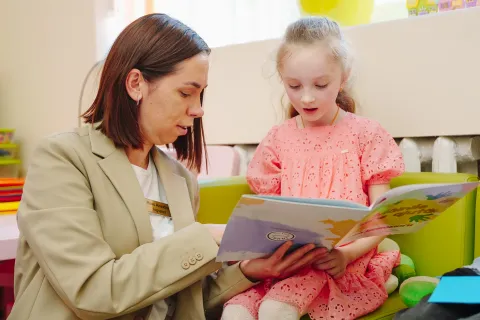
The programme was introduced in 150 Resource Centres / Learning and Play Centres, with the aim of supporting the development of empathy, emotional self-regulation, cooperation, inclusion and positive relationships among children.
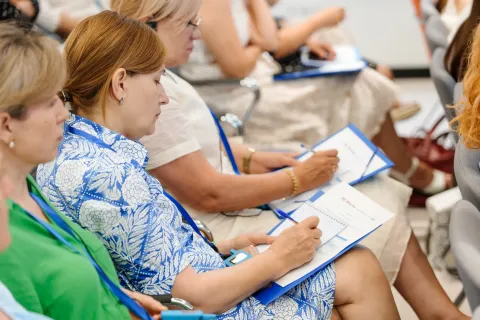
The final evaluation included 1,450 children and 120 educators, representing approximately 5% of the total number of beneficiaries. Data were collected at the beginning and at the end of the programme through classroom observations, child assessments, focus groups and questionnaires completed by educators.
The results show clear progress in children’s socio-emotional development:
• the share of children providing more complex responses related to understanding emotions increased from 22–26% to around 50%;
• children’s ability to manage frustration, as reported by educators, increased from 31.3% to 59.8%;
• helping behaviours increased from 25.3% to 55.5%;
• recognition of others’ emotions increased from 23% to 49.5%;
• 93.9% of educators reported improved relationships among children;
• the share of children who rarely display aggressive behaviours increased from 59% to 70.6%;
• 75.7% of educators observed positive changes in children’s behaviour at home as well.
The evaluation also indicates positive changes in the way children understand equality, diversity and acceptance of others. More children demonstrated inclusive attitudes, greater empathy towards their peers and a stronger ability to cooperate in the classroom.
The programme was positively assessed by educators, receiving an average score of 8.7 out of 10. Most educators described it as a valuable intervention for children’s holistic development and for creating a safer, more inclusive and more child-friendly learning environment.
The findings of the report confirm that socio-emotional learning, when integrated from early childhood, can help children better understand their emotions, build positive relationships and relate to others with greater care and respect.
The socio-emotional learning programme was developed by Think Equal and translated, adapted and nationally validated by the Ministry of Education and Research in partnership with UNICEF. The implementation of the programme, including educational resources and teacher training, is financially supported by the Governments of Germany, Korea and the United States of America.