89% of children are ready for school
UNICEF: Most children in Moldova are developmentally on track for school, first national assessment finds
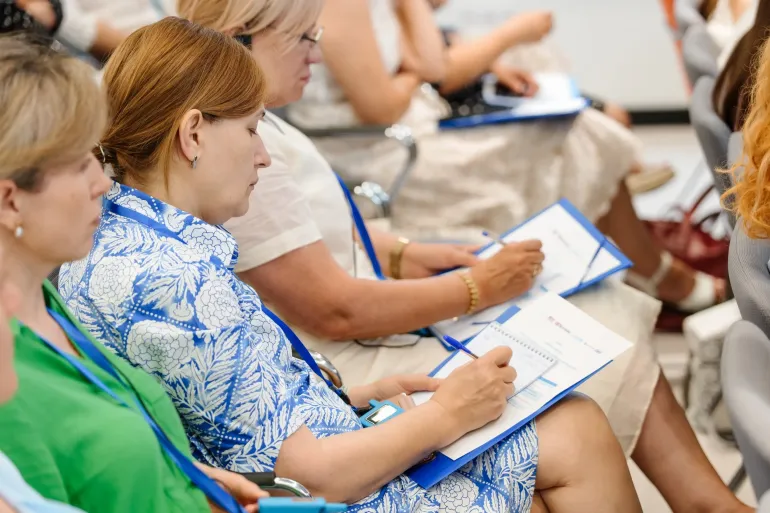
Chișinău, 17 July, 2026. For the first time, the Republic of Moldova has a national picture of how children are developing before they enter primary school. The results of the International Development and Early Learning Assessment (IDELA), validated today by the Ministry of Education and Research with support from UNICEF and partners, provide new evidence to strengthen early childhood policies and ensure every child has the best possible start in life.
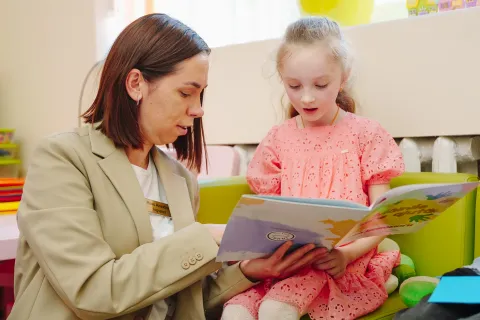
Conducted in April and May 2026, the assessment included approximately 2,000 children from preparatory groups across the country. Beyond measuring children's early literacy, numeracy, motor and social-emotional development, the study also examined the learning environments that influence children's readiness for school, including interactions with teachers, access to books and learning materials, and support at home.
The assessment found that 89 per cent of children are developmentally on track for the transition to primary school, with an average IDELA score of 81 per cent, confirming that Moldova has a strong foundation for children's school readiness.
The findings also identify important priorities for further investment. While children demonstrate strong motor development and emergent numeracy skills, social-emotional development requires greater attention. Although most children are developmentally on track overall, only 66 per cent meet the expected benchmarks across all four developmental domains simultaneously, highlighting the importance of supporting children's development in a balanced and holistic way.
The assessment also reveals disparities in school readiness. Children in rural communities, children in the northern region, boys and children with special educational needs are less likely to be developmentally on track than their peers. Positive teacher-child interactions, supportive home learning environments and access to books and early learning materials were consistently associated with stronger developmental outcomes.
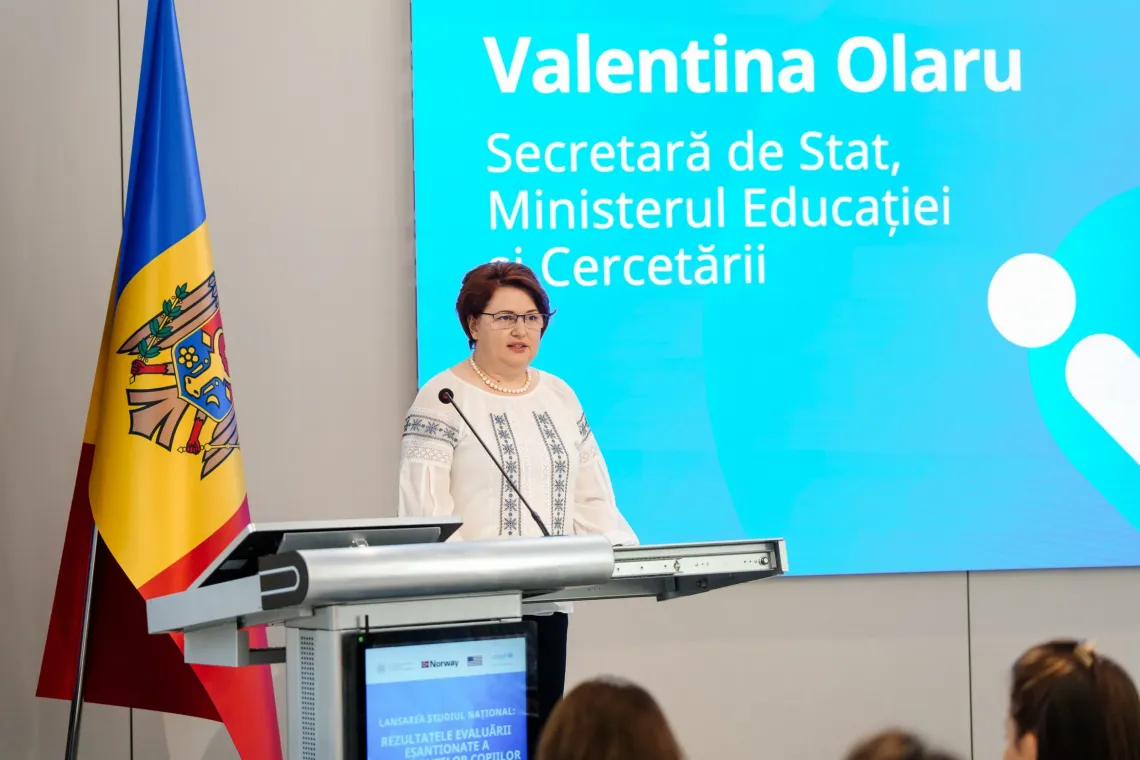
“The assessment gives us a clear picture of the system’s strengths and of the disparities we still need to address. Based on these findings, we will continue to develop policies and interventions that support every child’s holistic development and ensure a successful transition to primary education,” said Valentina Olaru, State Secretary at the Ministry of Education and Research.
The findings also provide encouraging evidence for continued investment in inclusive early learning. Children attending preschools with UNICEF-supported Resource Centres and Play and Learning Hubs demonstrated slightly stronger outcomes in literacy, numeracy and social-emotional development, alongside richer learning environments. More than 33,000 children—including children with disabilities, children from vulnerable communities and refugee children—currently benefit from these centres. As the initiative is still at an early stage, the assessment provides an important baseline for measuring future progress.
The results will inform the ongoing revision of Moldova's Early Learning and Development Standards and preschool curriculum, helping policymakers direct resources where they can have the greatest impact and strengthen support for the children who need it most.
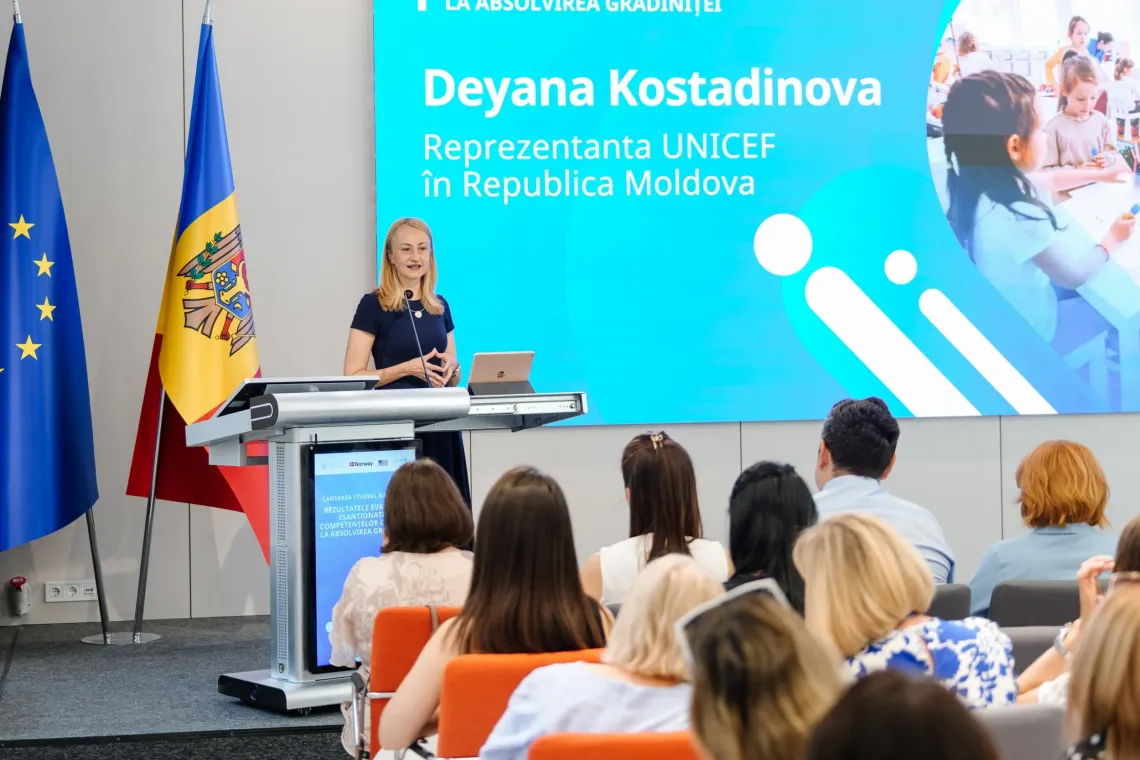
"Evidence gives us a clear picture of where early investment can make the greatest difference. Turning that evidence into better outcomes for children will require a broader coalition of partners. International support remains essential, but the future of Moldova's children is also a national investment—one that calls for growing commitment from government, the private sector and society as a whole. If today's assessment tells us where success begins, our investments should begin there too," said Deyana Kostadinova, UNICEF Country Representative in Moldova.
The assessment was implemented by the Ministry of Education and Research in partnership with UNICEF, Save the Children and iData, and with the participation of researchers, preschool educators, parents and local authorities.
The initiative was made possible through the generous support of the Government of the United States, the Government of Norway and the Global Humanitarian Thematic Fund.
The full study is available here: School Readiness Assessment: Moldova 2026 | UNICEF Moldova
Media contacts
About UNICEF
UNICEF promotes the rights and wellbeing of every child, in everything we do. Together with our partners, we work in 190 countries and territories to translate that commitment into practical action, focusing special effort on reaching the most vulnerable and excluded children, to the benefit of all children, everywhere.
For more information about UNICEF and its work for children, visit www.unicef.org
Follow UNICEF on Twitter, Linkedin and Facebook