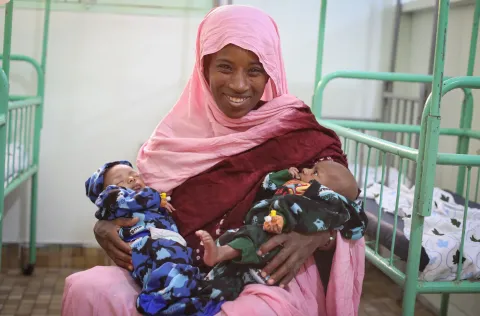
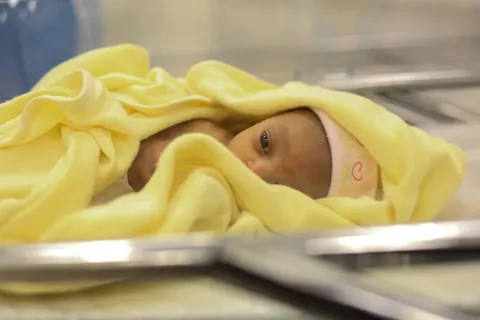
Delivering Healthy Outcomes for Mali’s Mothers and Newborns
UNICEF, with support from The Church of Jesus Christ of Latter-day Saints, aims to reduce maternal and newborn mortality in Mali by improving the country’s health infrastructure and training its dedicated health workers.
- Français
- English
A welcome sound heralding a new era of health care
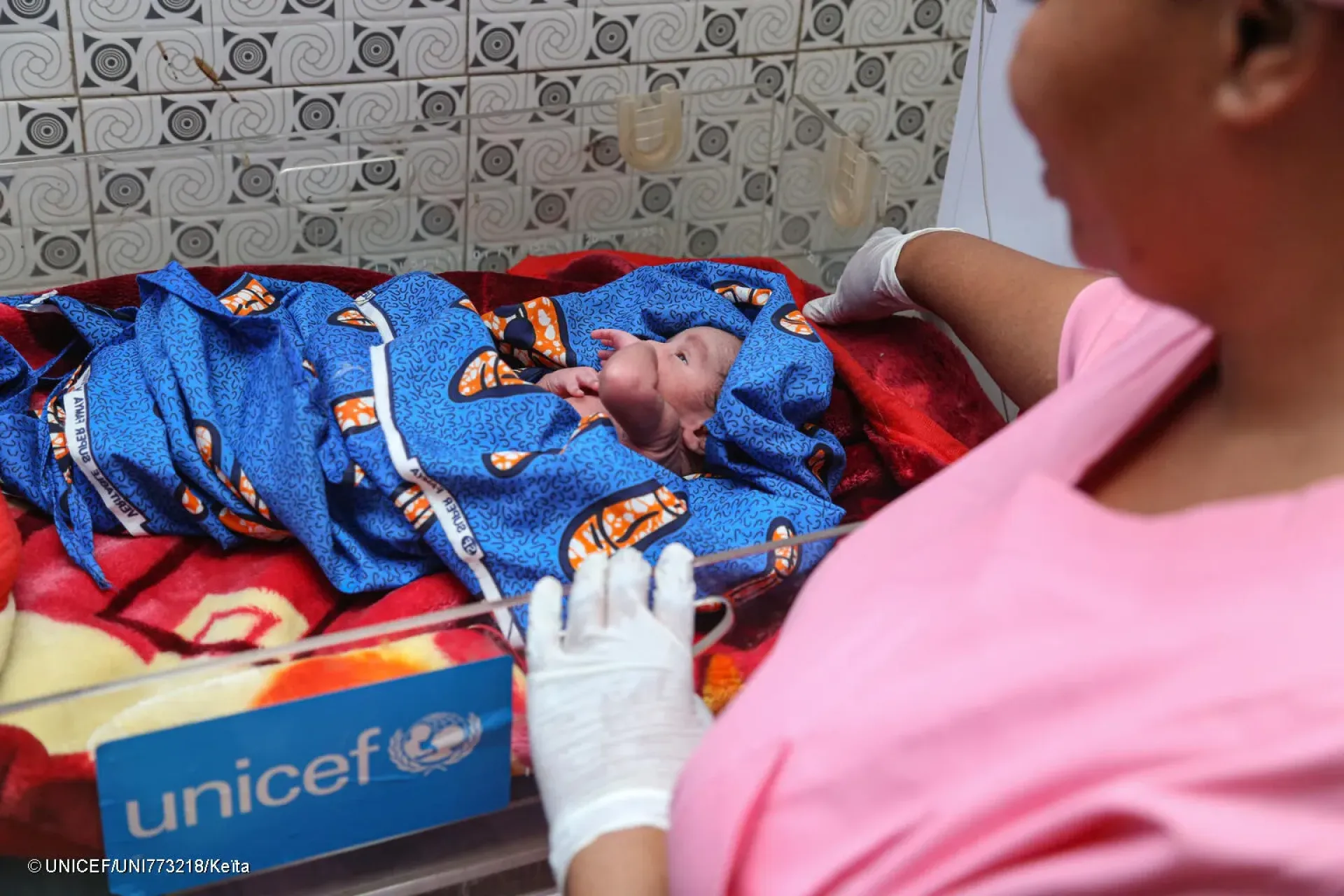
The first cry of a newborn is a raw, urgent sound that turns anticipation into relief and exhaustion into purpose for health workers. Every obstetric nurse remembers that first birth when they held their own breath until the infant’s wail burst forth. In this moment, years of training shift from theory to reality, as the carer tends to mother and infant. In facilities like the Ambidedi-Koré Community Health Center, 28 miles (45 kilometers) from Kayes in western Mali, that moment is now met with renewed optimism and confidence.
The region faces severe maternal and neonatal health challenges: Too many mothers die during childbirth, and too many children do not survive to see their first birthdays. According to the 2024 Mali Demographic and Health Survey, the city of Kayes has the highest neonatal mortality rate in the country, with 32 deaths per 1,000 live births. For every nurse in this region, every healthy birth is a victory.
"We are not just caregivers. We are the beating heart of our community."
UNICEF increases access to better, more resilient health care services
In Mali, one in 34 newborns never take a second breath.
To reduce the risk of infant mortality, UNICEF, in collaboration with the Mali Ministry of Health and Public Hygiene and with support from The Church of Jesus Christ of Latter-day Saints, has launched an initiative to strengthen health systems in Mali and two other countries.
Health professionals and volunteer health workers bear the brunt
In this small corner of Mali, 36-year-old obstetric nurse Nafissatou is playing a key role in a profound public health transformation. Known for her gentle, comforting presence, Nafissatou approaches every challenge and success with unwavering dedication.
Yet, despite — or perhaps because of — her region’s newborn birth rate, Nafissatou’s purpose is clear: To turn despair into hope, to save lives and to raise others up. "We are not just caregivers. We are the beating heart of our community," she declares passionately. “Together, we have woven a beautiful tapestry of hope. As long as we support each other, hope will continue to flourish.”
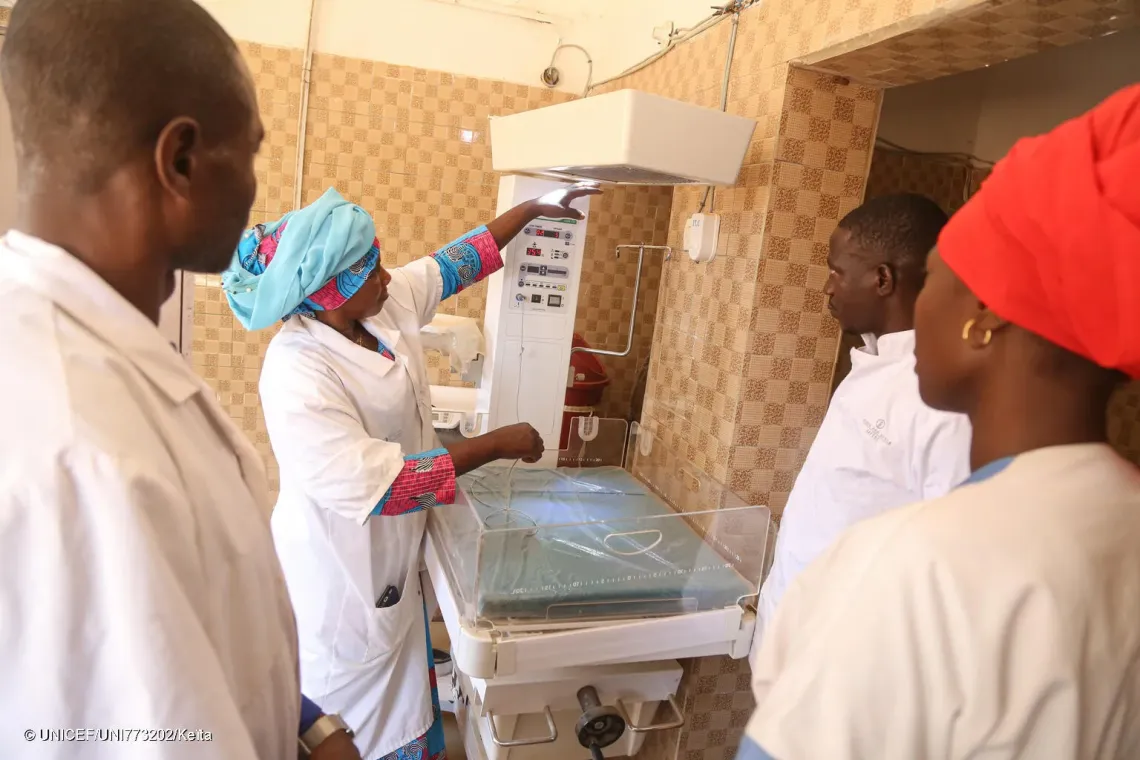
Led by the Kayes Regional Health Directorate, the "Strengthening Health Systems for Every Child" initiative, supported by UNICEF, has established new emergency obstetric and neonatal care sites while also renovating existing ones. Yet infrastructure alone does not save lives — people do. Alongside these improvements, health professionals like Nafissatou have received rigorous training, enhancing their skills and renewing their confidence and sense of purpose.
“The training sessions were very beneficial," Nafissatou explains. "They served as refreshers and also included case studies and practical exercises to help us better manage neonatal obstetric emergencies and save lives.”
The impact is undeniable. 70 maternal and neonatal care sites have been established, including 54 newly built facilities in hard-to-reach communities.
Mali’s mothers receive safer, enhanced support in childbirth
Expectant mothers, once hesitant, now attend antenatal visits confident that skilled, well-equipped professionals will guide them. Obstetric emergency care has expanded remarkably, rising from 45.5 percent in 2022 to 65 percent in 2024.
Oumou, a joyful and optimistic 27-year-old mother, is among the many women whose birthing experiences have been improved. She vividly remembers the hardships of her first five deliveries. "Before, the delivery room was poorly lit, and caregivers had to use flashlights for nighttime deliveries. There was no water or indoor toilets. We had to fetch water from far away to wash clothes and meet basic needs after childbirth. Now, we have water on site, and the room is spacious, and well-equipped."
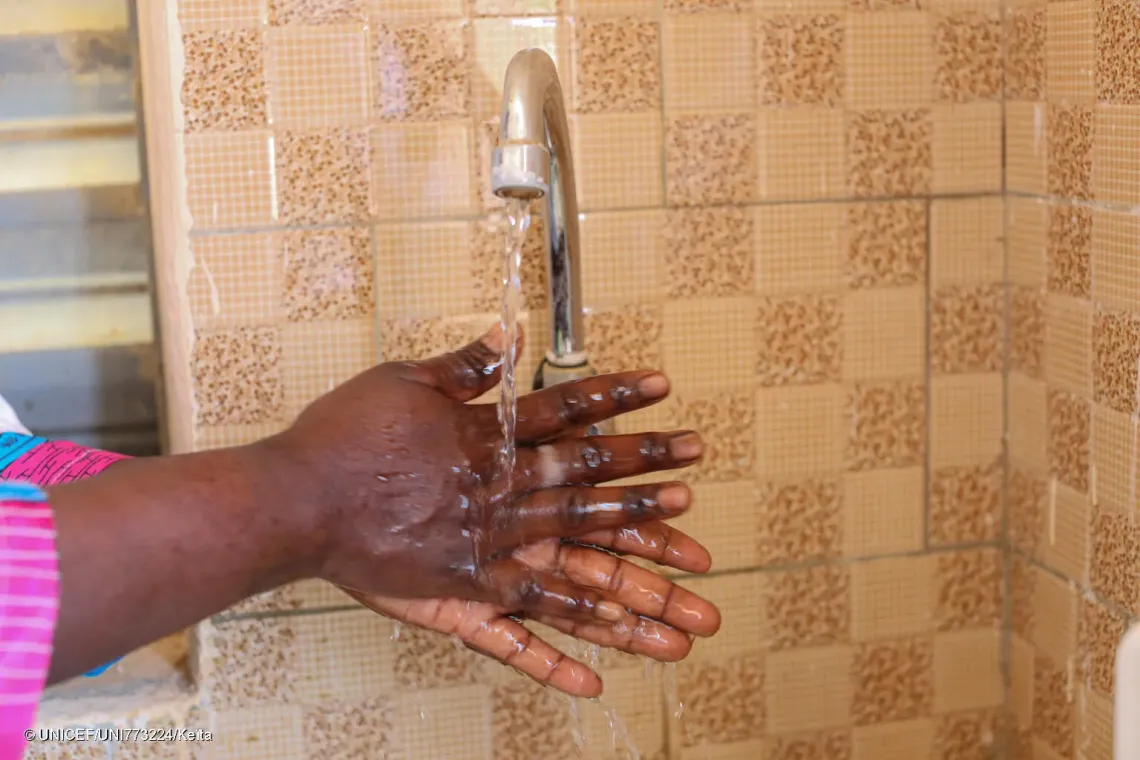
These improvements go beyond patient comfort — they save lives. Clean water pipes have been installed, solar panels illuminate the delivery rooms, and an incinerator ensures the safe disposal of medical waste, which was previously left outside. Every detail of these changes reflects UNICEF and local partners’ deep commitment to the well-being of every mother and child.
"The secret to this success lies in the cooperation among stakeholders — community health workers, local authorities and communities — thereby strengthening collective responsibility."
During her prenatal visits, Oumou met Nafissatou, who guided her through maternal health, nutrition and newborn care. "I benefited from her valuable advice throughout my last two healthy pregnancies." Oumou shares.
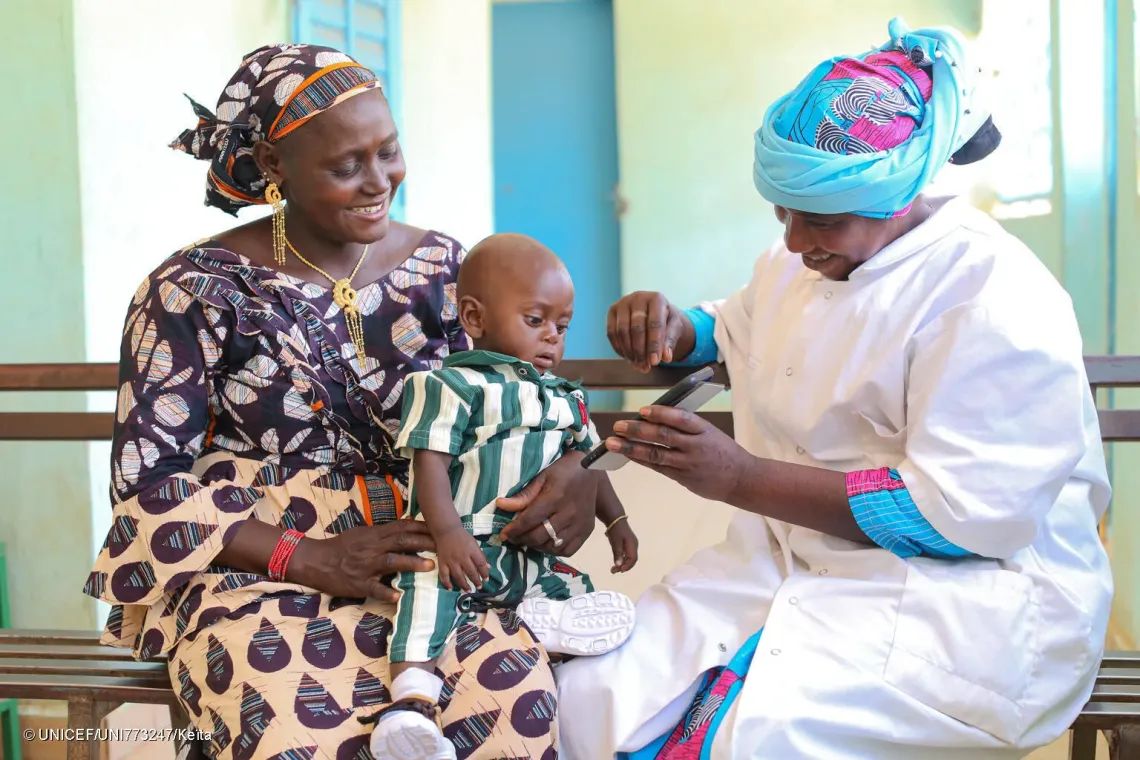
And the numbers tell the story of the health system enhancements. Ambidedi-Koré used to conduct 200 consultations per month, roughly six per day. Today, the Center sees 600 per month, indicating a dramatic rise in patient attitudes about seeking care. “When mothers find themselves in health facilities that prioritize cleanliness and are equipped with necessary resources," Nafissatou says, "their motivation to visit significantly increases."
Collaboration leads to healthy outcomes and the promise of brighter futures
Dr. Diarrah Soumare, head of the health division at the Regional Health Directorate in Kayes, explains, “The secret to this success lies in the cooperation among various stakeholders — community health workers, local authorities and communities — thereby strengthening collective responsibility. The improvements are not just numbers. They represent the promise of a better future for every new life born in Kayes, a future nurtured by dedicated community health workers and trained professionals like Nafissatou.”
None of this would be possible without the generosity of UNICEF’s global supporters. Critical funding from organizations like The Church of Jesus Christ of Latter-day Saints enables UNICEF to support governments like Mali’s in strengthening public health systems and ensuring that every mother receives appropriate care and every child is healthy, educated, protected and respected.
UNICEF does not endorse any brand, company, organization, product or service. All footage featuring UNICEF programs is courtesy of ©UNICEF.