Cleanliness means health
In Sub-Saharan Africa, only 58% of the health centers have clean water and only 64% have good hygiene services

- Français
- English
In 2014, the region of West Africa was affected by the Ebola epidemic. In Mali, as a measure of prevention, the Water, Sanitation and Hygiene in health centers project was implemented in the zones most at risk by UNICEF and its partners, thanks to support from the European Union. Three-and-a-half years later, here is an overview.
In Sub-Saharan Africa, only 58% of the health centers have clean water and 64% have good hygiene services, even though access to clean water and practicing good hygiene can prevent deadly diseases. In Koulikoro and Sikasso, two populated regions in southern Mali, significant changes are taking place.
“263 health centers and 2.4 million inhabitants now benefit from the Water, Sanitation and Hygiene project in health facilities,” explains Kakou Arsène Batcho, a specialist in Water, Sanitation and Hygiene at UNICEF in Mali.

Thanks to improved infrastructure, sessions to promote hygiene, and strong mobilization of women, the results of improved hygiene in these health facilities are evident.

“Our health center has become very clean.”
“Our health center has become very clean,” affirms Assétou Traoré, who lives in the village of Farabana, located in Koulikoro region. “We do a major cleaning of the outside every two weeks. Rooms and courtyards are cleaned every day and all materials and equipment used, including beds and mattresses, are washed systematically with disinfectant soap and water. Before, the community health center [CSCOM] was cleaned only once or twice a year.”
The Water, Sanitation and Hygiene package encompasses six major axes: access to water, management of dirty water and sewage, management of waste from health care functions, control of infection vectors, prevention and control of infections, and promotion of hygiene in communities.

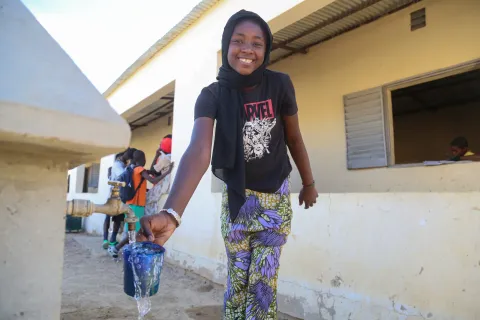
Manfa Kéita, vice president of the health center in Farabana, is very happy with the results of the project. “It’s allowed us to gain access to clean water. All refuse is now put in trash cans, sorted and incinerated. Sorting enables good management of biomedical waste and sharp waste products, thanks to the acquisition of a new incinerator.”

The effects of the project are being felt even beyond healthcare facilities.
“Even in our families, the program was useful. Thanks to a variety of educational discussions, our meals are now cooked in a clean environment and served with utensils that have been washed and rinsed well. We wash our hands with soap throughout meal preparation,” says Nassan Traoré, focal point for community health in the village of Djiguidala. She goes from door to door in the village every day to raise awareness of good hygiene practices.

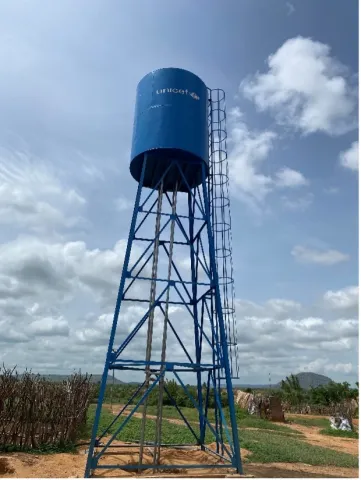
In the village of Sido, others echo Mrs Traore’s opinion. “Before this project, we faced a serious hygiene problem in the village, as well as at the CSCOM,” explains the Sido village chief, Tamba Doumbia. “We had to transport water in containers to meet the needs of the health center. Today, we’re relieved, and the villagers are all happy to have a water tower, as well as an incinerator, in our CSCOM. That will contribute to the improvements in hygienic conditions and avoid numerous common diseases. May God bless our benefactors!”

“Before this project, we faced a serious hygiene problem in the village, as well as at CSCOM.”