UNICEF MADAGASCAR: Transitioning to solar energy for a sustainable future.
Enhancing local capacity and reducing carbon emissions to protect children and communities.

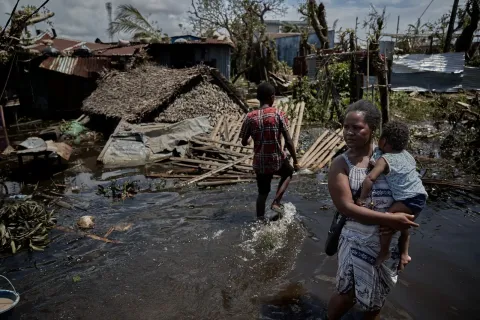
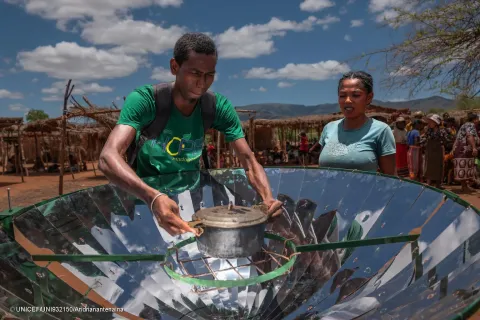
UNICEF Madagascar has been transitioning to solar energy since January 2023 in field offices, to tackle the challenges posed by climate change, particularly those affecting children, as highlighted in the 2021 Children’s Climate Risk Index report, which stresses that children in Madagascar are among the most affected by the effects of climate change. This initiative aims to promote sustainable operations, reduce carbon emissions and ensure reliable power supply. In addition, the use of solar energy allows UNICEF to save and invest more resources for the children we serve, thus strengthening our ability to meet their basic needs.
For the UNICEF office in Tolagnaro, southern Madagascar, Misaina, Education Administrator of the Anosy Region, says that installing solar energy systems has transformed the way the whole team works. Before, staff wasted time waiting for power to come back on after long power cuts. Now they can work safely and without interruption, responding more quickly to the needs of children. “UNICEF has not only taken an important step in adopting solar energy, thus freeing the office from traditional electricity dependency, but also taken a huge responsibility in terms of protecting environment,” Misaina adds.
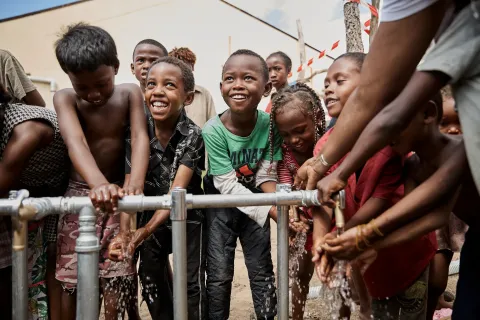
UNICEF has not only set up solar energy systems in its offices, but also extended this initiative to local beneficiaries. In the rural commune of Andranobory, water, sanitation and hygiene (WASH) facilities such as hand washing devices, latrines and a water cistern have been set up. Mayor Mahavotsitsy Jean Christophe explained that in the past, residents had to walk 25 kilometres to the town of Amboasary to access basic services due to frequent power cuts. Thanks to solar energy installed in 2023, these services are now available locally, which significantly improves living conditions and allows the community to better meet the health and hygiene needs of its inhabitants.
Since the installation of the solar energy system in this commune in 2023, the way of working has changed considerably. All IT equipment also provided by UNICEF can now be powered by solar energy. The mayor confirms, “Retirees, for example, can now make photocopies of their life certificate and national ID card directly in our office, thus allowing them to update their pension documents for the National Social Insurance Fund (CNAPS). In addition, the photocopying fees go directly into our fund, which allows us to maintain our computer equipment.”
UNICEF Madagascar has also installed solar panels at the Public Health Services (SDSP) in the district of Amboasary Sud since 2022. The Medical Inspector, Dr Solofonirina Dera Nomenjanahary, says this initiative helps maintain the cold chain necessary for the preservation of vaccines 24 hours a day.
“We have been going through a very difficult period in this district for a long time, as the power outages are unpredictable and can last several hours or even a whole day. Thanks to solar energy, donated by UNICEF, we can now store our vaccines in refrigerators that meet the required standards, thus making it possible to distribute them to Basic Health Centres (CSBs) and other providers,” he says.


The commune of Ankaramena, in the district of Amboasary also receives solar energy. Natacha, midwife and head of the Health Basic Center (CSB) of this commune, confirms it.
« Before, we used an oil-powered refrigerator, but it required ongoing funding for the purchase of wicks. This funding stopped and the refrigerator started to break down. We received solar panels as well as a new refrigerator in 2022. Now vaccines for children are still available. However, we face persistent challenges. We have nine communities to serve, but only eight freezers to store the batteries needed for storing vaccines in vaccine carriers during distribution, » says Natacha.
The interview of our colleague Misaina in this video highlights the impact of installing solar energy in Tolagnaro’s office. This transition – carried out by UNICEF Madagascar with financial support from the Green and Accessible Fund (GrAF) and other donors – marks a major step towards a more sustainable and resilient future. By ensuring reliable electricity and reducing carbon emissions, this initiative not only changes working conditions in the field and health services, but it also enhances local capacity to better serve communities. These actions demonstrate UNICEF’s commitment to preserving the environment while effectively addressing the needs of children and families, thereby ensuring long-term benefits.