Strong, independent and striving for autonomy together
Discover through these images the strength of the women in the community of Ambila, who fight every day to improve the life of their families and their own well-being.
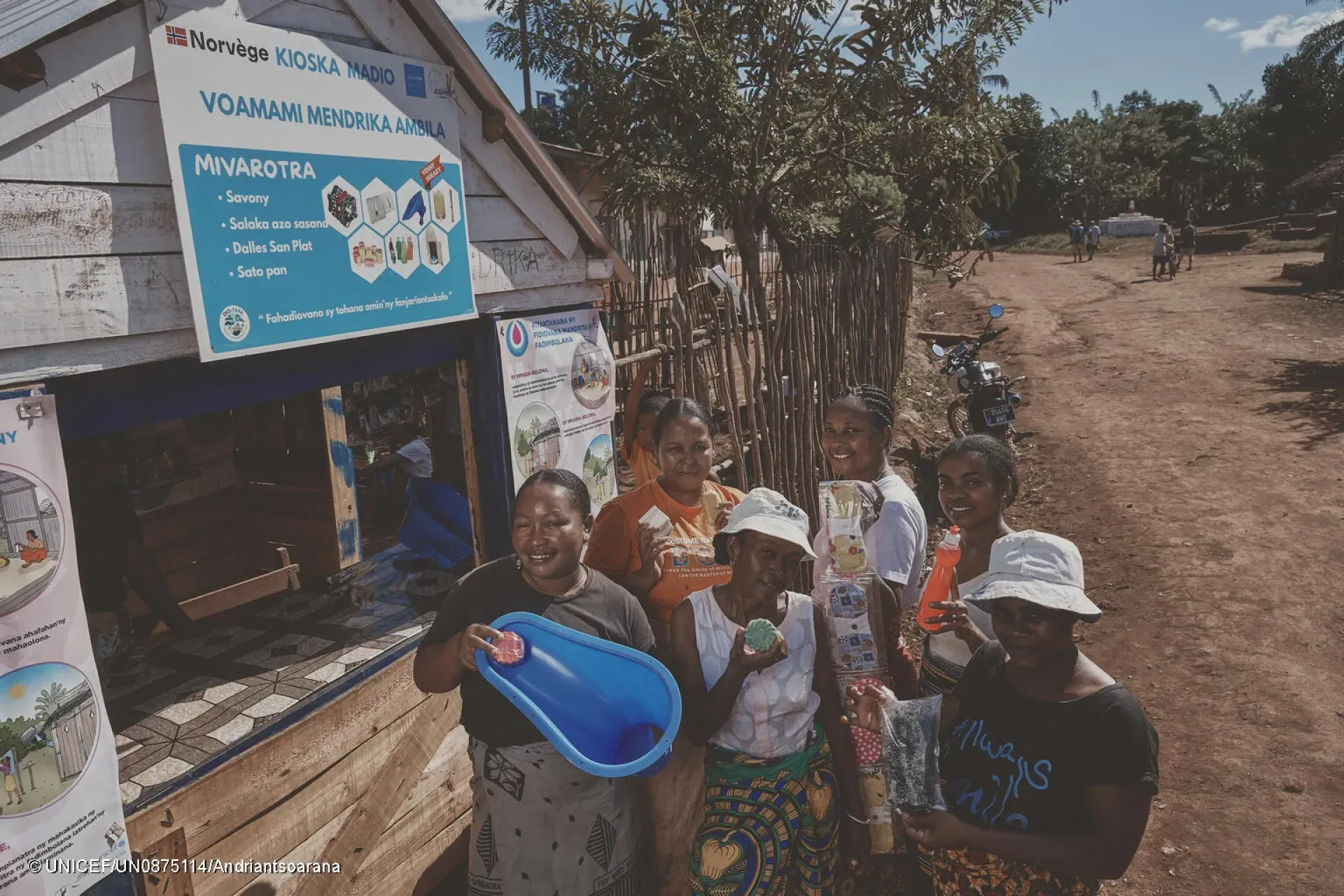
In the commune of Ambila, the Vaomami Mendrika community savings group was created as part of the Dio-Tafa project. It has 23 members, only one of whom is a man, and the majority of the members are single mothers and female heads of household. The members support one another and save funds by making weekly contributions, with the option of accessing loans if necessary. This system is highly beneficial for the group.
Since 2025, the group has developed income-generating activities. The members produce bar and liquid soap, and also sell eco-friendly charcoal, smokeless stoves and reusable sanitary towels. In the same year, they opened a shop called ‘Kiosque Madio’, where these products are sold.
Today, the group also carries out awareness-raising activities in village markets and at major events. It promotes responsible purchases, good hygiene practices and resource management.
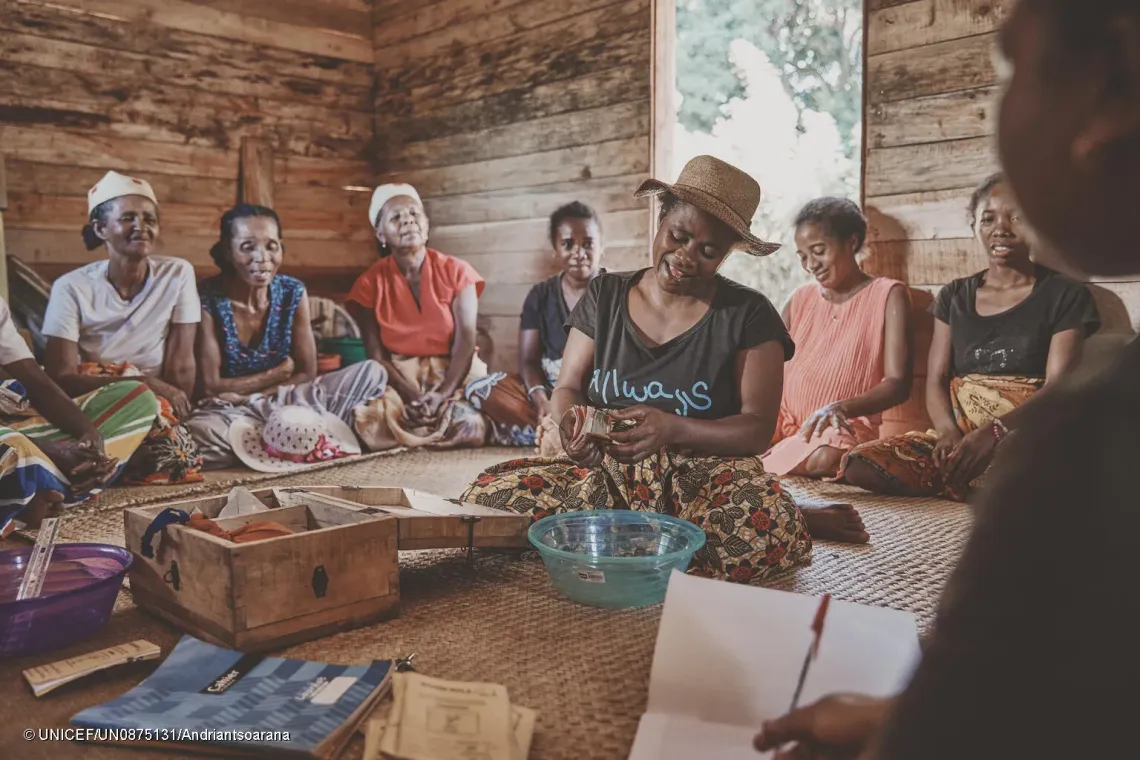
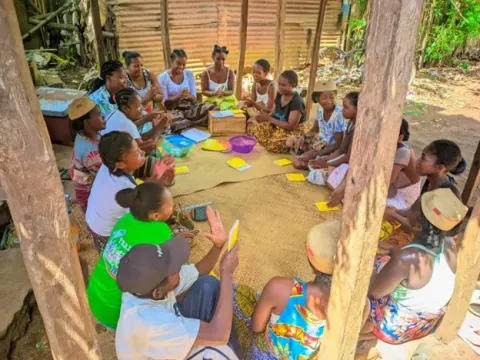
One of the group members sits in the middle of the others during the weekly meeting to collect and count the contributions.
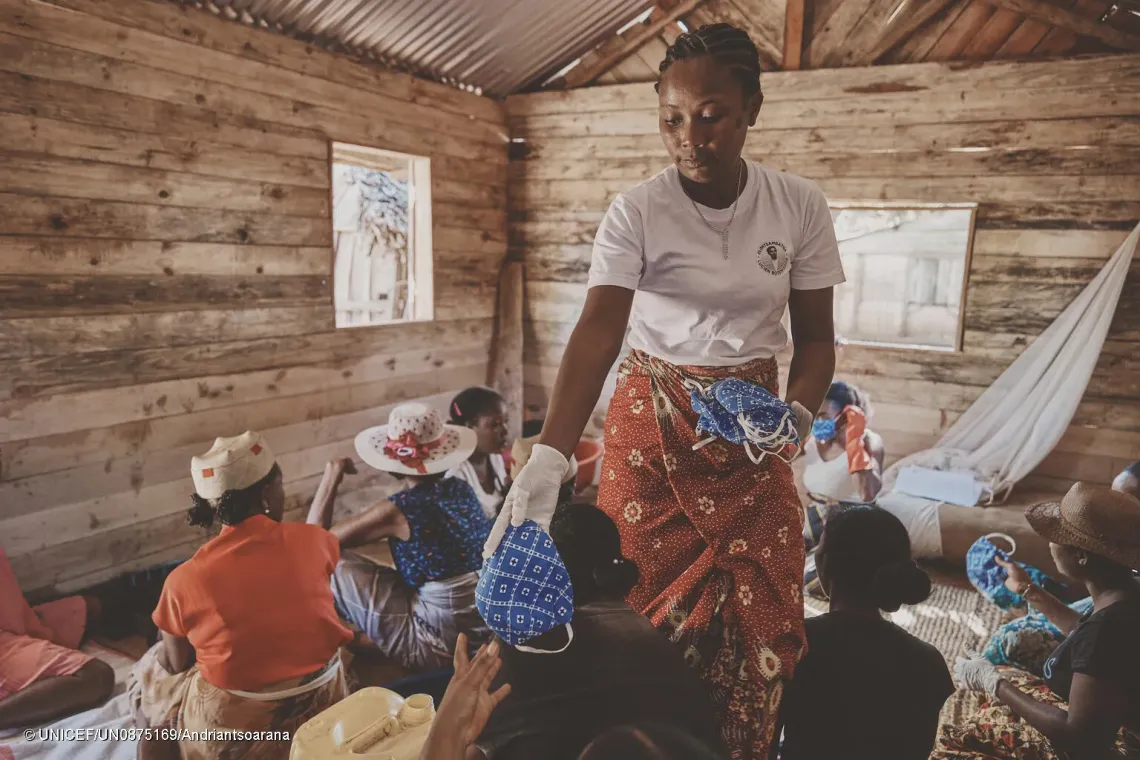
Rakotoarison Marovavy Damienne, aged 35, chairwoman and founder of this association, is handing out protective masks before the production of soap for sale.
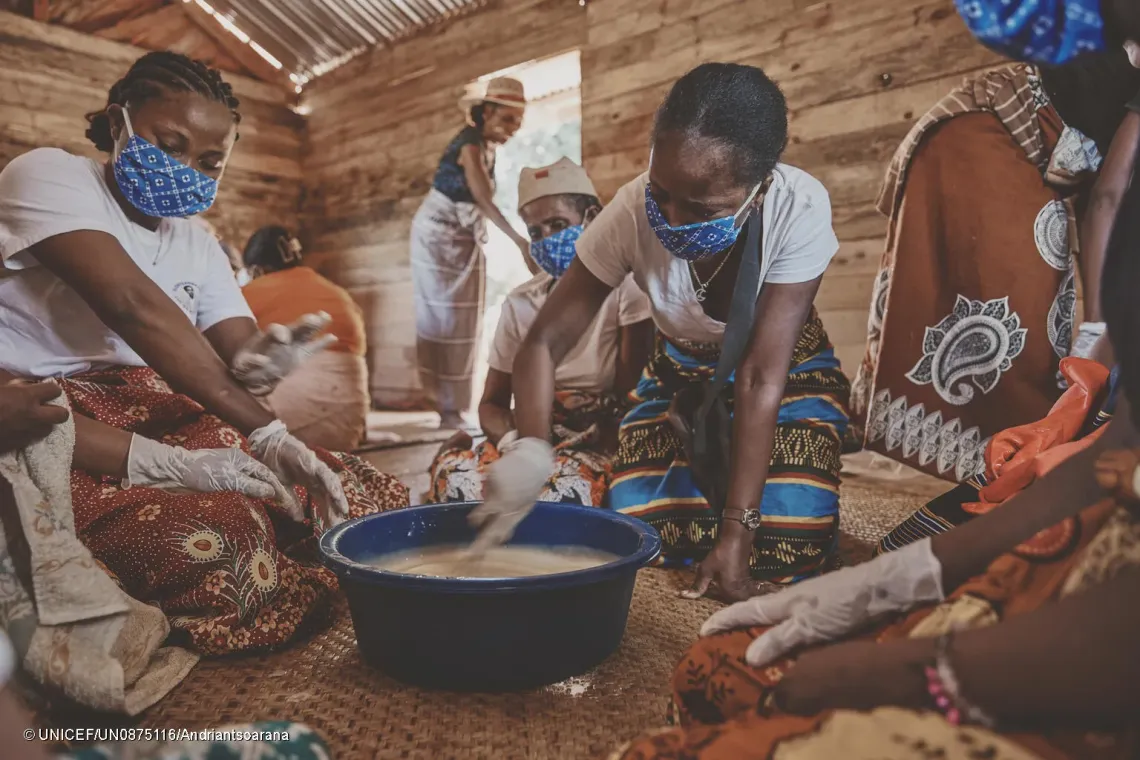
Mickaelle Sylvie Tolojanahary, aged 42, mixes the ingredients to make soap, a lengthy process that requires strength and patience.
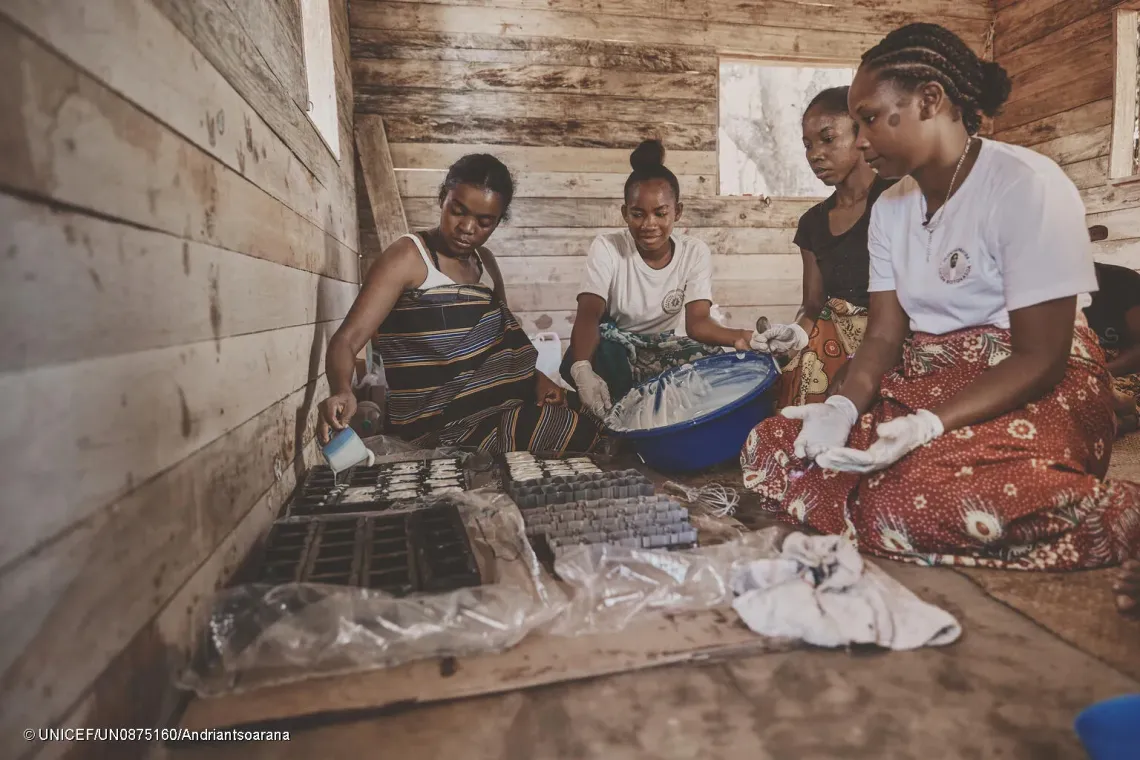
Raharimanana Lucie Adrienne, aged 29, the association’s treasurer, pours the ingredients into the mould to make soap, under the watchful eye of Marovavy (on the right), the association’s chairwoman.
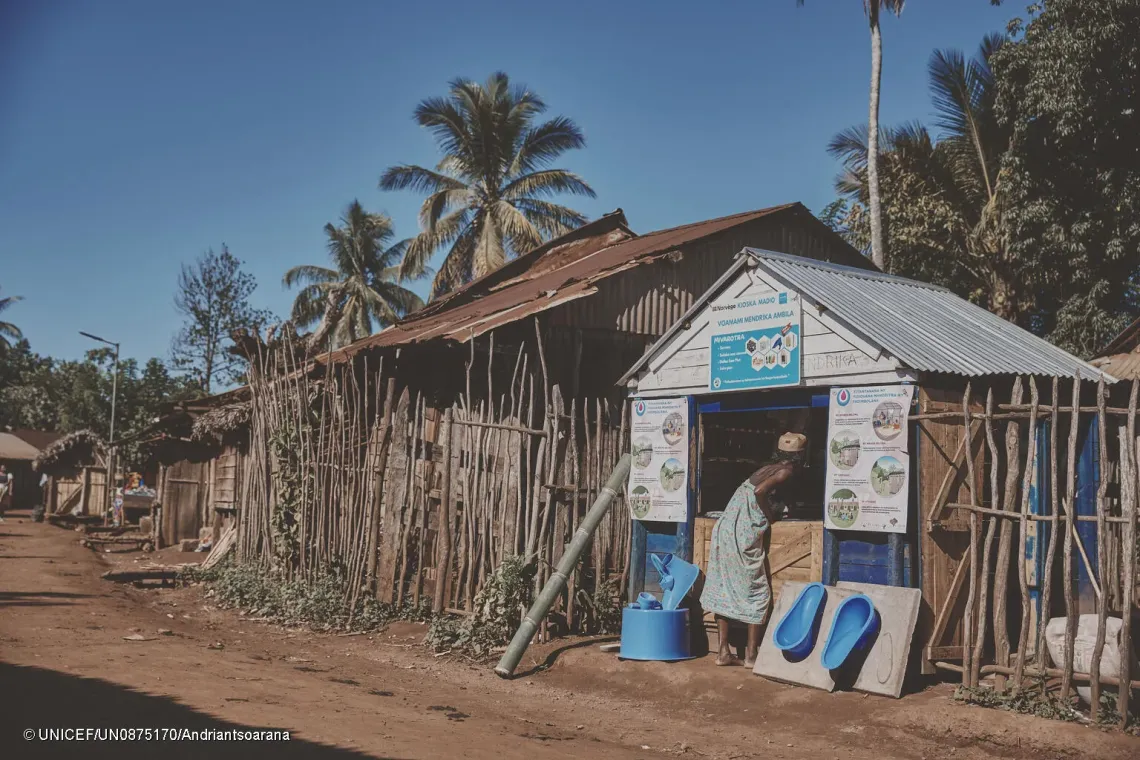
The shop, known as ‘Kiosque Madio’, set up by the Vaomami Mendrika community savings group.
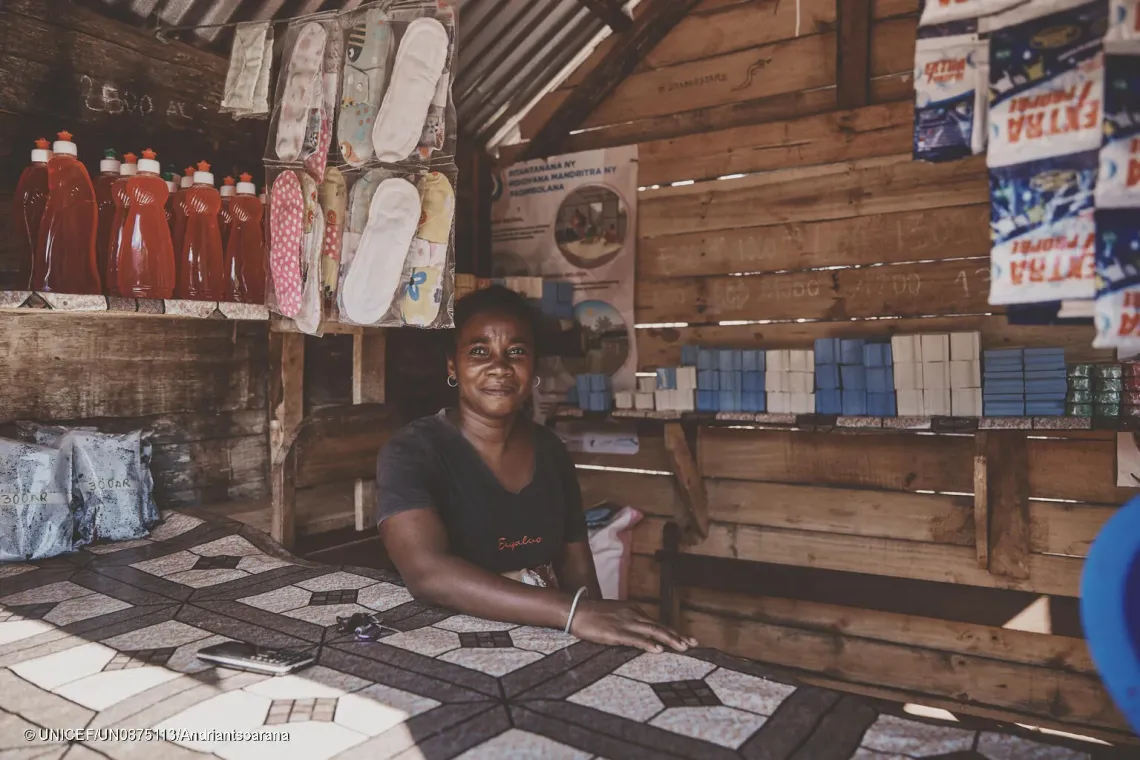
A member of the group is on duty at the shop.
I feel safe with the other women in this group.
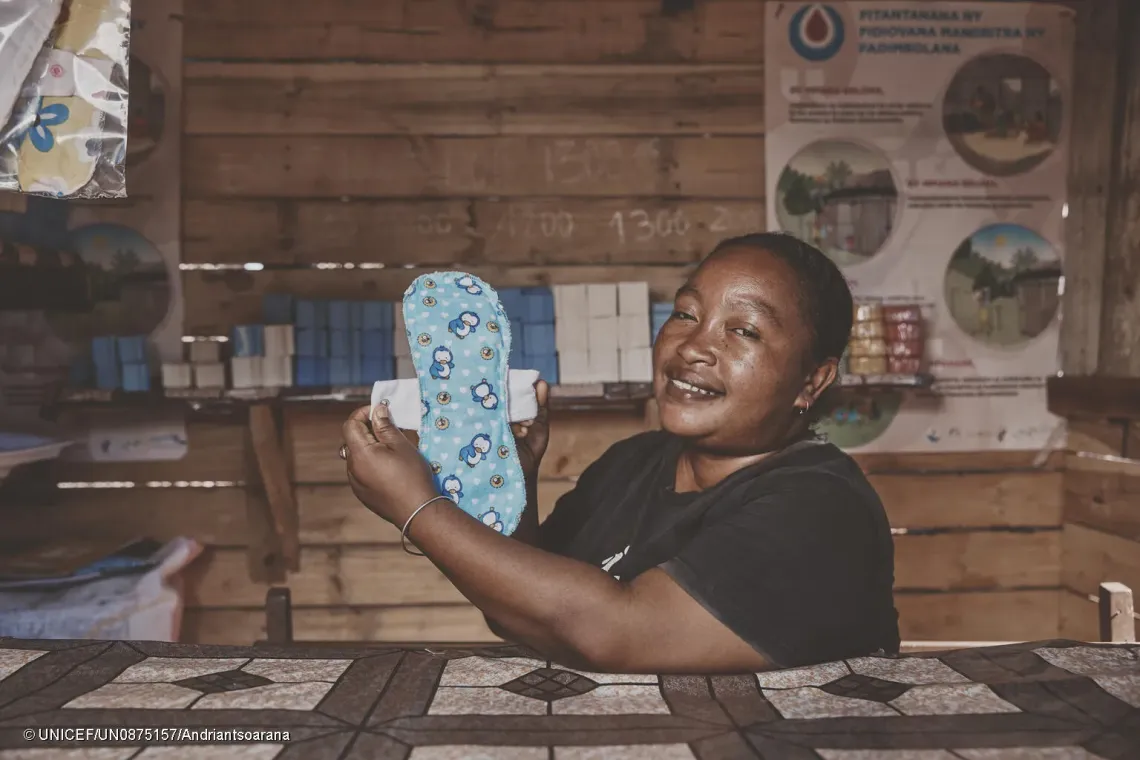
A portrait of Hasina Marie Clémence, aged 35, holding up a reusable sanitary towel on sale at the kiosk.
People need the products we sell because hygiene is essential. They are also affordable for everyone, including teenagers.
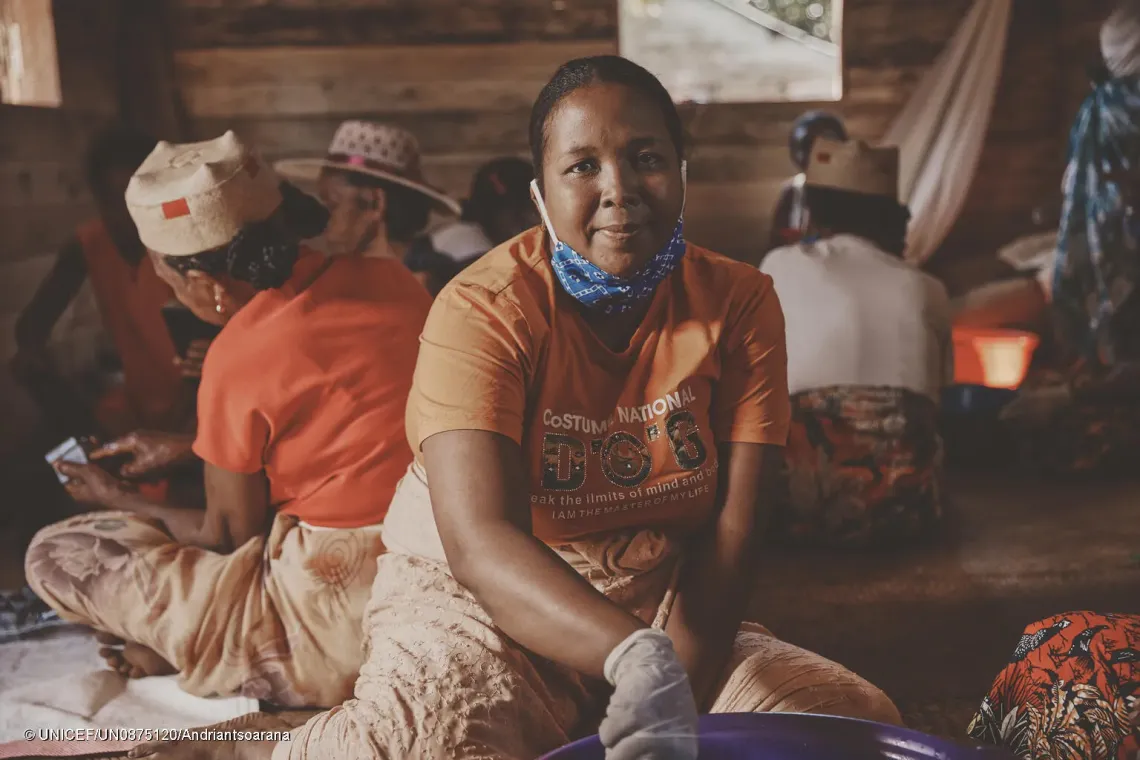
A portrait of Razafiarivony Nambinintsoa, aged 36, taken while she was making soap.
I get a lot of support from the group. I’ve also learnt a great deal from it, and having access to credit really helps me to pay for my children’s education. This organisation gives me strength every day.
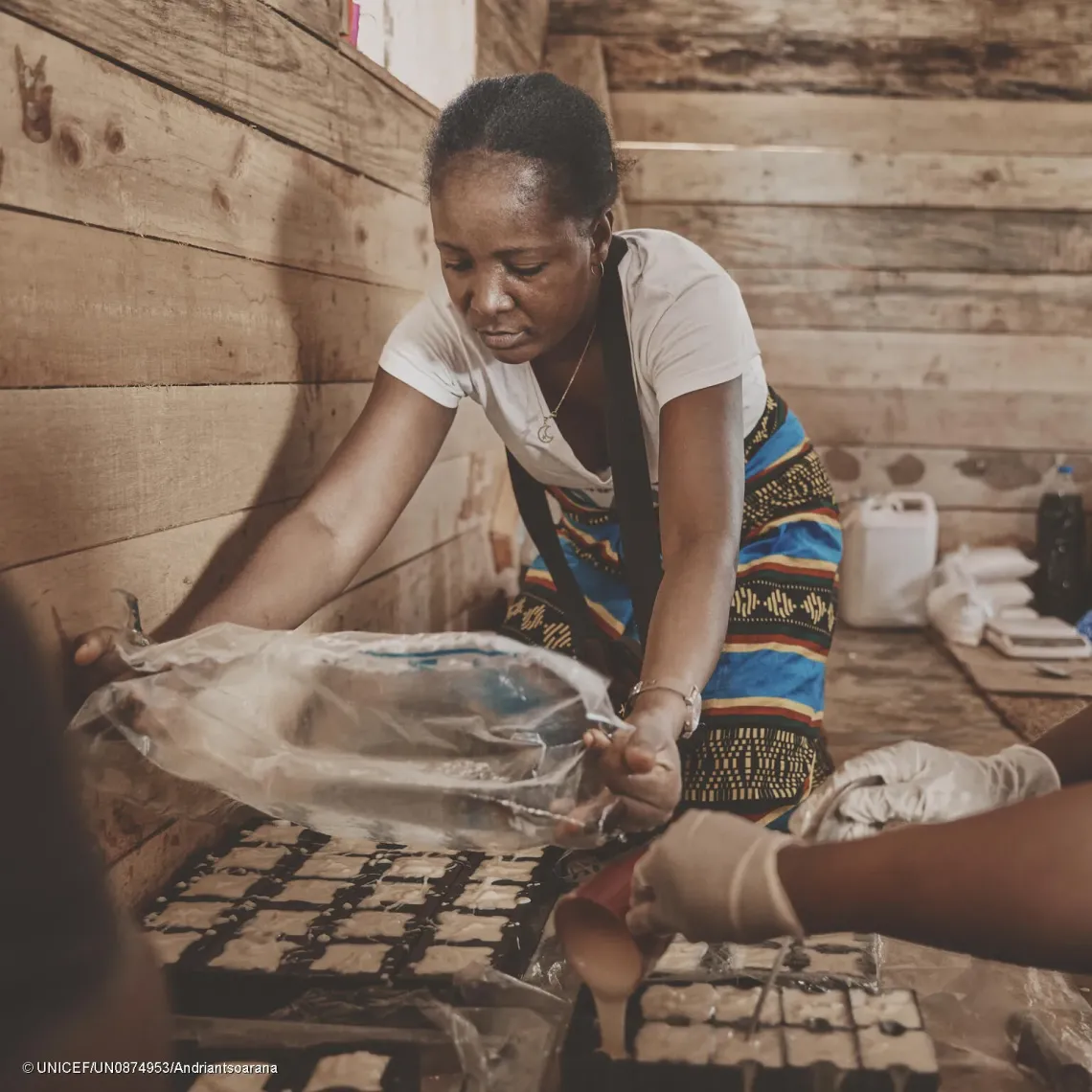
Tolojanahary Mickaelle Sylvie, aged 42, one of the group’s members, covers the mould with a plastic sheet to make the soap.
Note: Norway is funding a four-year (2024–2027) joint Water, Sanitation and Hygiene (WASH) and Nutrition project, implemented by UNICEF and WFP. This project aims to provide integrated support to smallholder farmers and vulnerable communities living in cyclone-prone areas of south-eastern Madagascar. Its objective is to strengthen the resilience, livelihoods and the nutritional health of vulnerable populations in six areas of the Mananjary and Manakara districts.