The ongoing trauma left by cyclone Jude
Nearly a month after cyclone Jude swept through southern Madagascar, the aftermath is still visible in the daily lives of the population, particularly children, who recount their experiences.
- Français
- English
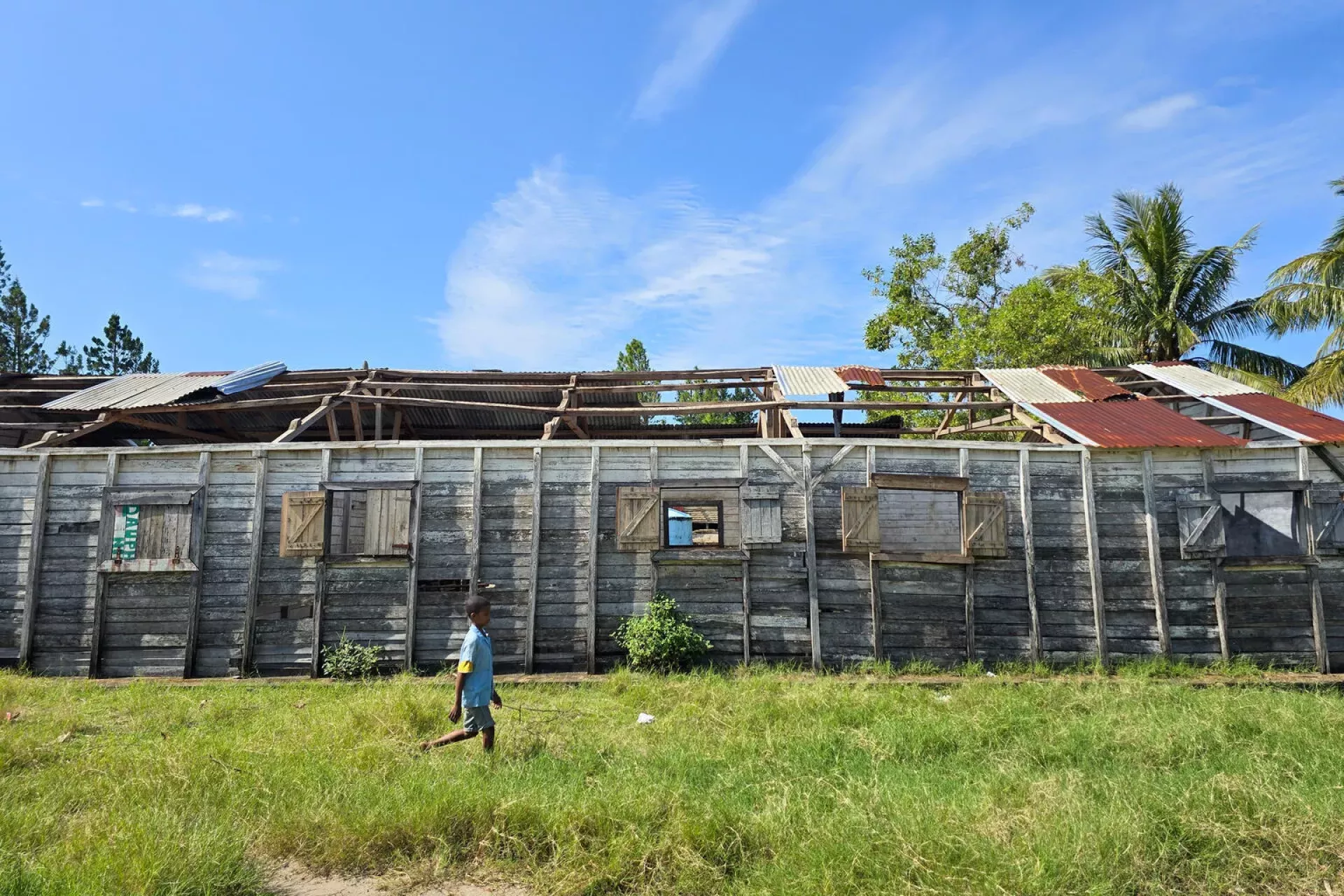
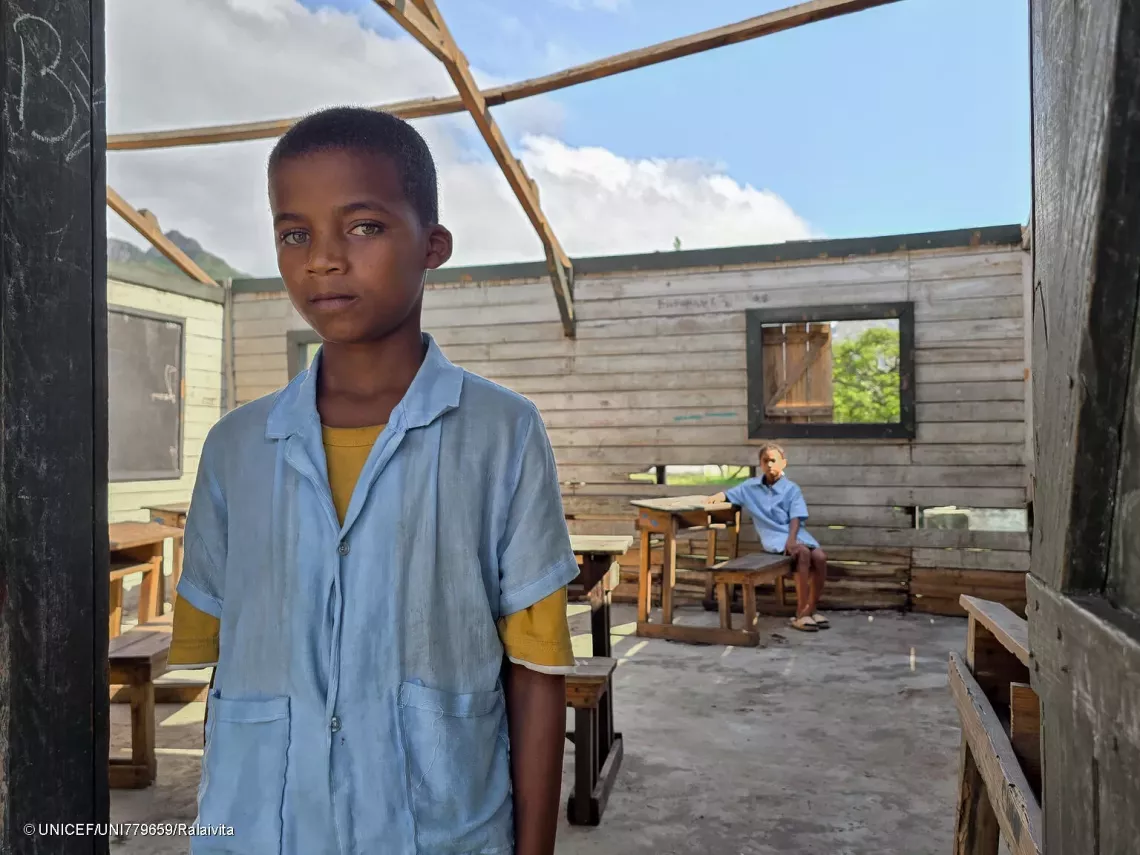
This morning, all is quiet in the courtyard of the Lanirano general secondary school in Fort-Dauphin. The students have just finished their exams for the second term and are getting ready to enjoy two weeks of holidays. Despite the joy of having a break, their faces clearly show signs of tiredness. In the centre of the schoolyard, a building with three classrooms stands out: the wooden planks are worn and the roof has been almost completely blown off. The traces left by cyclone Jude are still clearly visible and their extent is striking.
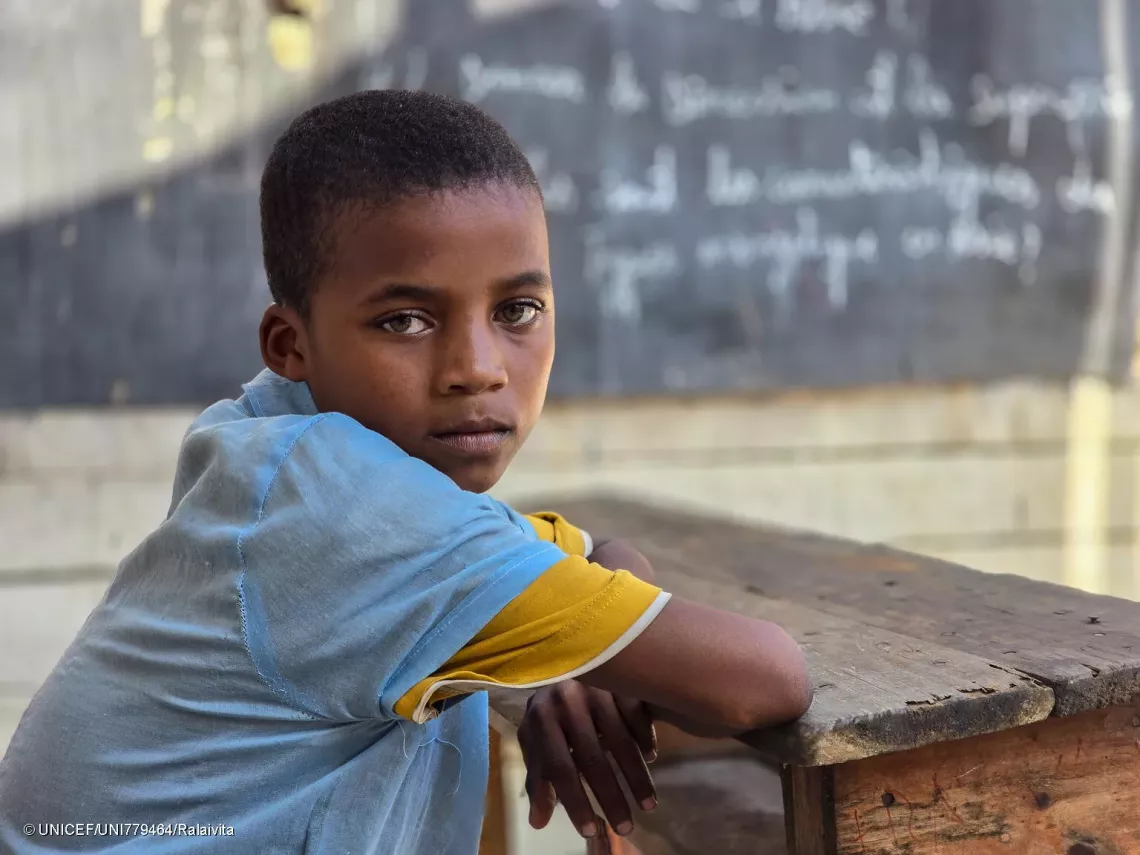
Edvin, 13, recalls the storm. “It was during the night. The wind was so strong that I got frightened. I put all my school supplies in a plastic bag so that water would not damage them,” he recounts. The next day, they could see that their house had suffered significant damage.
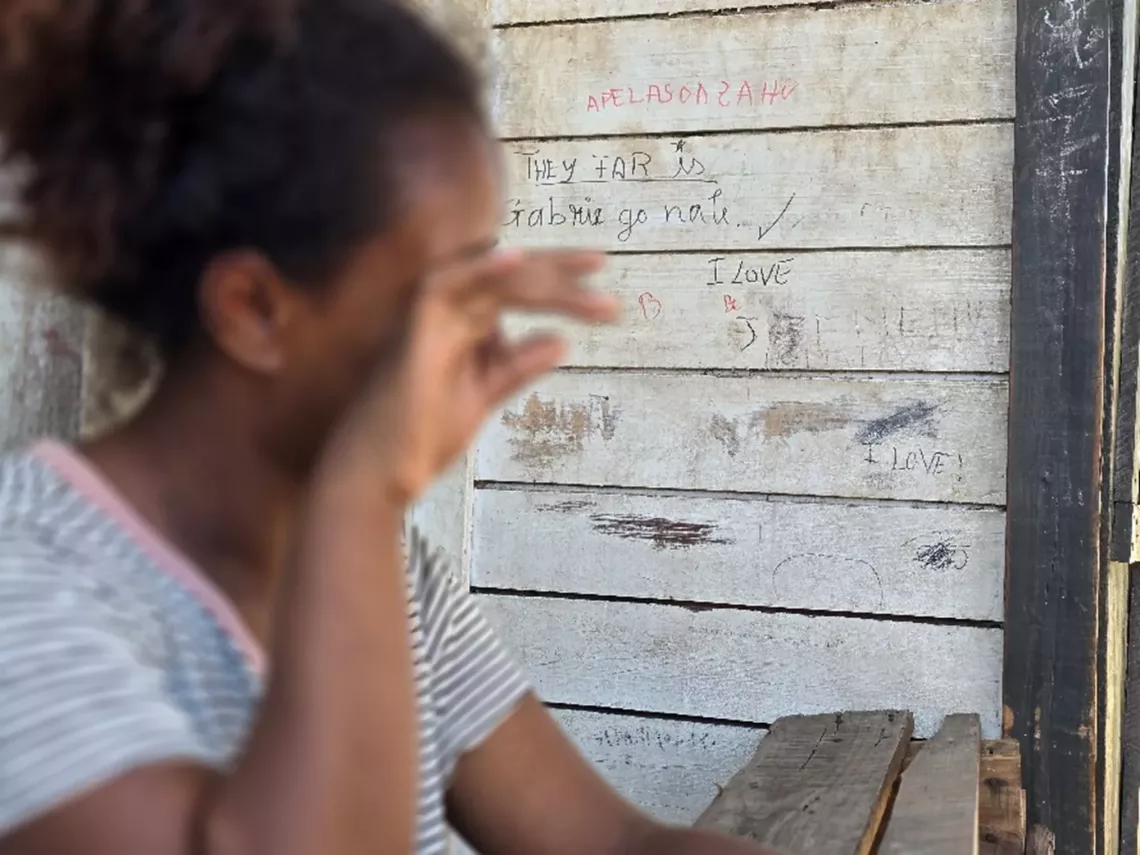
Christianah, 11, is in the same class as Edvin. She says that the impacts of the storm continue to disrupt her studies. “Since the classroom doesn’t have a roof anymore, we can't learn properly. When it rains, we have to stop the lessons. When the weather is fine, the sun shines strongly on us from 10 o'clock onwards. The teachers also have to stop the lessons,” she explains.
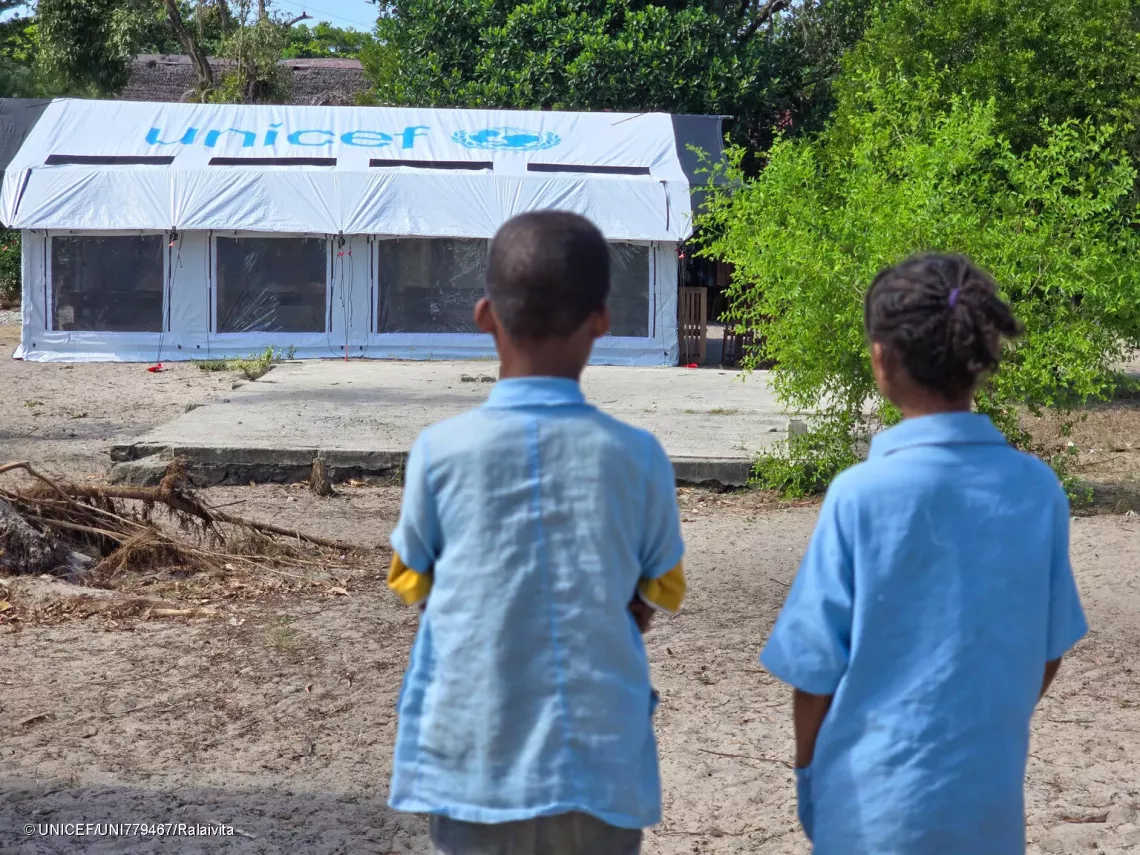
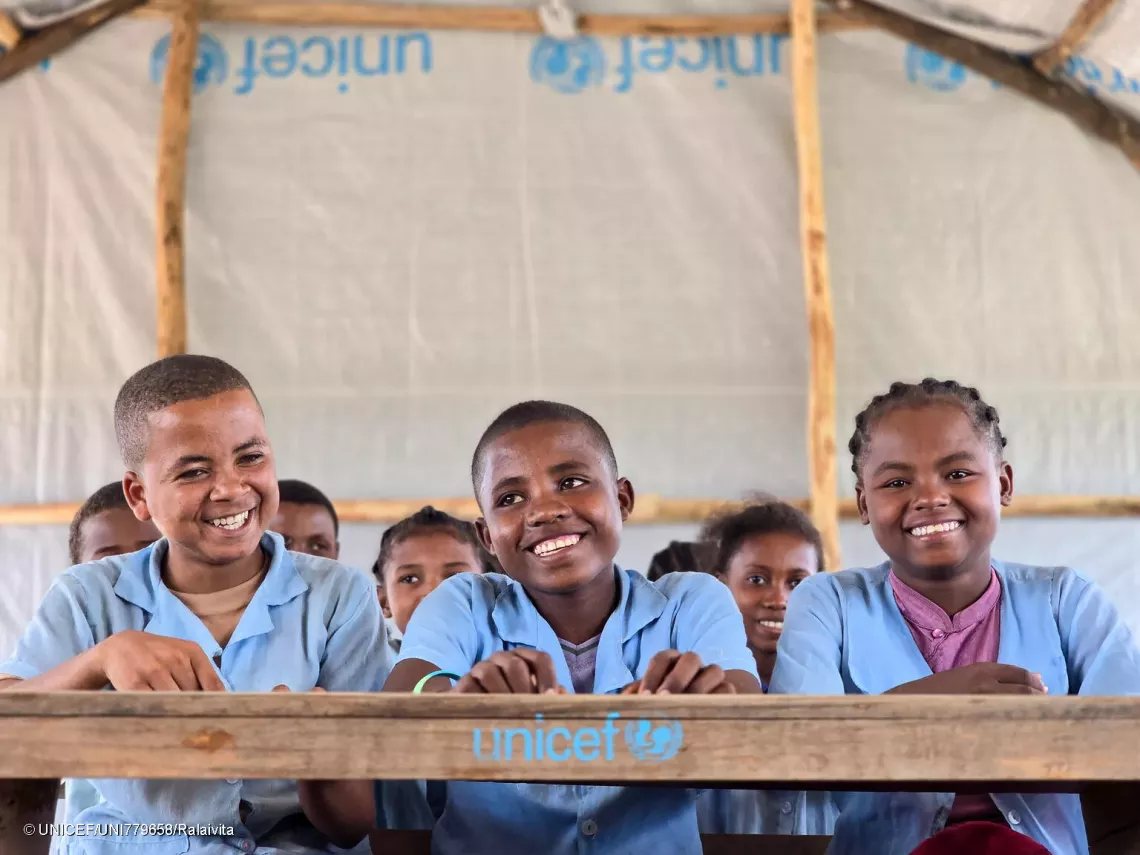
Cyclone Jude affected more than 26,000 people and left more than 130,000 students out of school in Madagascar, mainly in the regions of the Great South. These areas are already vulnerable due to chronic drought, a situation exacerbated this year by two successive tropical storms. At this secondary school attended by 140 students, classes were able to resume a few days after Jude made landfall. This was not the case for the secondary school in Ankirikiriky, in the district of Amboasary, where classrooms were completely destroyed, forcing a three-week interruption in learning. Classes could only resume after a tent provided by UNICEF was set up to serve as a temporary classroom.
The importance of psychosocial support
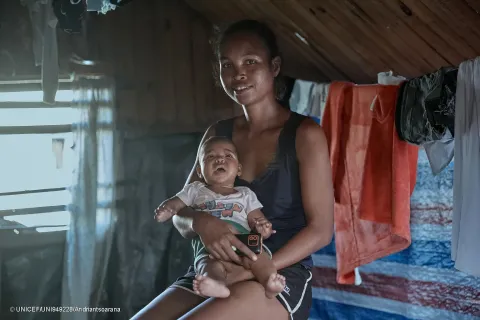
Tahiana, a volunteer teacher with a local association, lives in the area where the school is located. Tahiana, a 23-year-old single mother, is raising her seven-year-old son, who has multiple disabilities, with the help of her parents. The memories of the storm are still vivid. “While I was holding down the metal roof of the house, which was threatening to blow away, my son and my sister were hiding under the table. They are still traumatized,” she says, clearly upset. “On top of that, we had to redo all our administrative paperwork, such as birth certificates, because they were damaged by the water that flooded the house,” she adds.
Thanks to the support of social workers mobilized on the ground, the family was able to receive psychosocial support. “They gave us much more than words: they listened to us, they were a reassuring presence, and they helped us to find a degree of resilience,” says Tahiana, her eyes filled with emotion. Families like Tahiana's were deeply affected by cyclone Jude, and the trauma is still very palpable. Today, their house has only been partially rebuilt, and their income remains very precarious. But despite the difficulties, the family remains hopeful and fights every day to regain a dignified life.
Nearly a month after this natural disaster, which are more frequent and intense due to the effects of climate change, UNICEF and its partners are continuing their efforts to respond to the emergency. Interventions are underway in the areas of education, health, nutrition, water, sanitation and hygiene, as well as child protection.
“It was the first time I experienced something so terrifying. We were alone at home; my mother couldn't get back because she was stuck in town.” – Christianah, 11
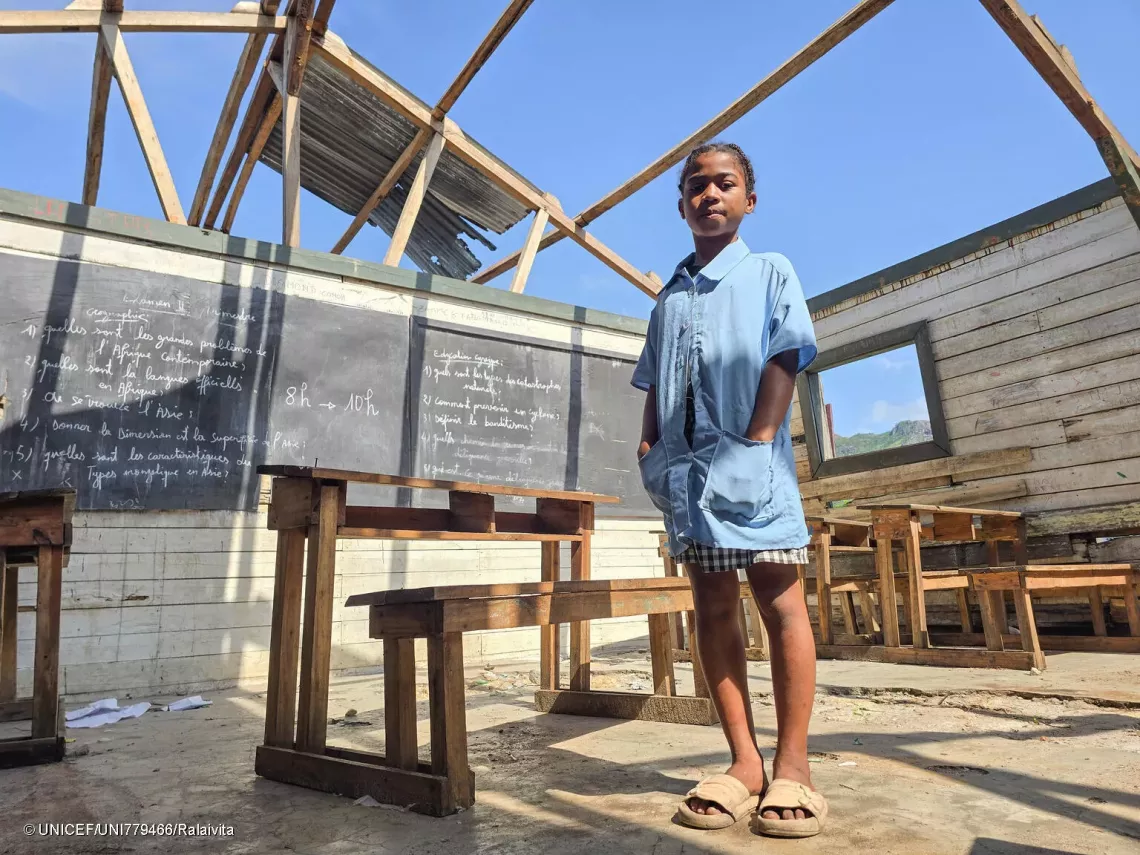
“I'm scared all the time during class. As soon as there's a bit of wind and the remaining metal sheets start to rattle, I'm afraid they'll fall on me.” – Edvin, 13
“Before the cyclone, our family was already living with very little, but now I think we've hit rock bottom.” – Tahiana.
Note: The response to cyclone emergencies in 2025 was made possible by flexible funding, which enabled UNICEF to implement essential life-saving activities.