Let's celebrate diversity!
International Women's Day, equality today for a sustainable future!
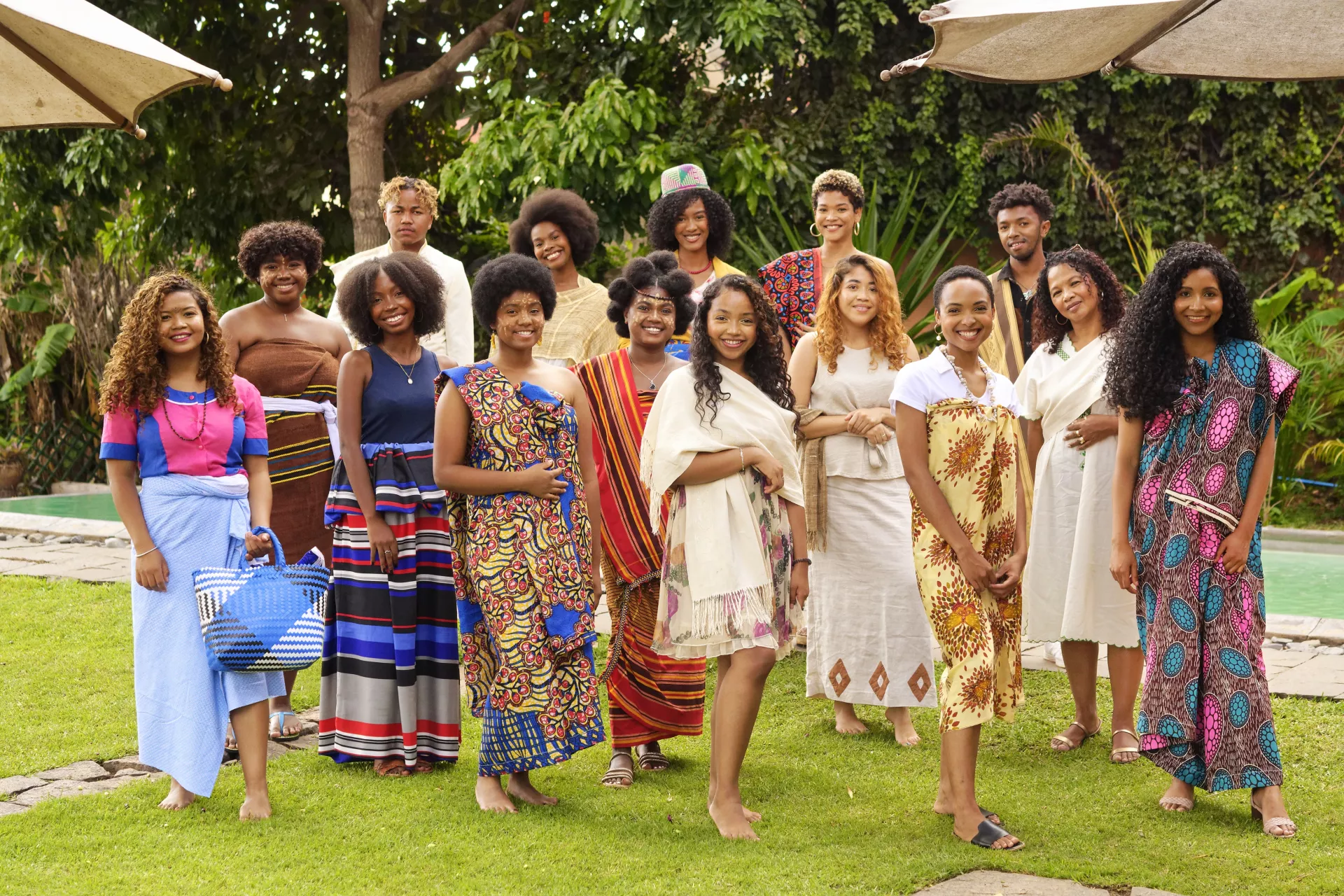
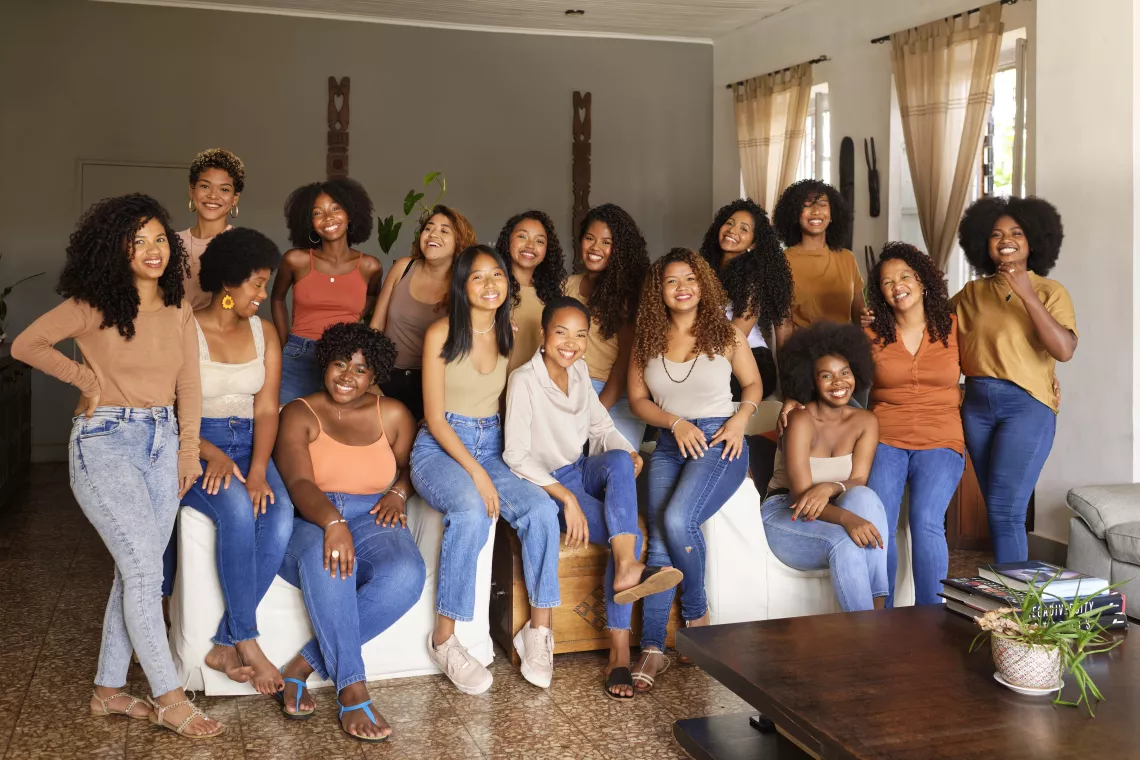
To mark International Women's Day this year, we want to go back to basics and highlight the diversity of women from all over Madagascar.
Why? Even while the fight for women's rights continues, there remains a certain pressure on women to meet certain standards of appearance. In Madagascar, one of those beauty criteria has been hair – specifically straight hair. Since 2017, a group called Curly Aho has tried to change that, advocating for women to adopt a more natural look and for greater acceptance within the society of curly hair.
Beyond physical appearance, the group also highlights the richness and diversity of Malagasy culture.
Sakalava women, from western Madagascar
Antaimoro women, from south-eastern Madagascar
Antakarana women , from northern Madagascar
Betsileo women, from southern part of the central highlands
Antandroy women, from the deep south of Madagascar
Bara women, from the southern plateaux
Betsimisaraka, from eastern Madagascar
Merina, from the central highlands
Message for International Women's Day
The Sakalava women of western Madagascar
They wear printed “lambahoany” (pareo) daily, which they tie under their arms. Masonjoany, a magnificent face painting obtained from Santal wood, also protects the skin from the sun. A simple traditional outfit adapted to the region’s climate.
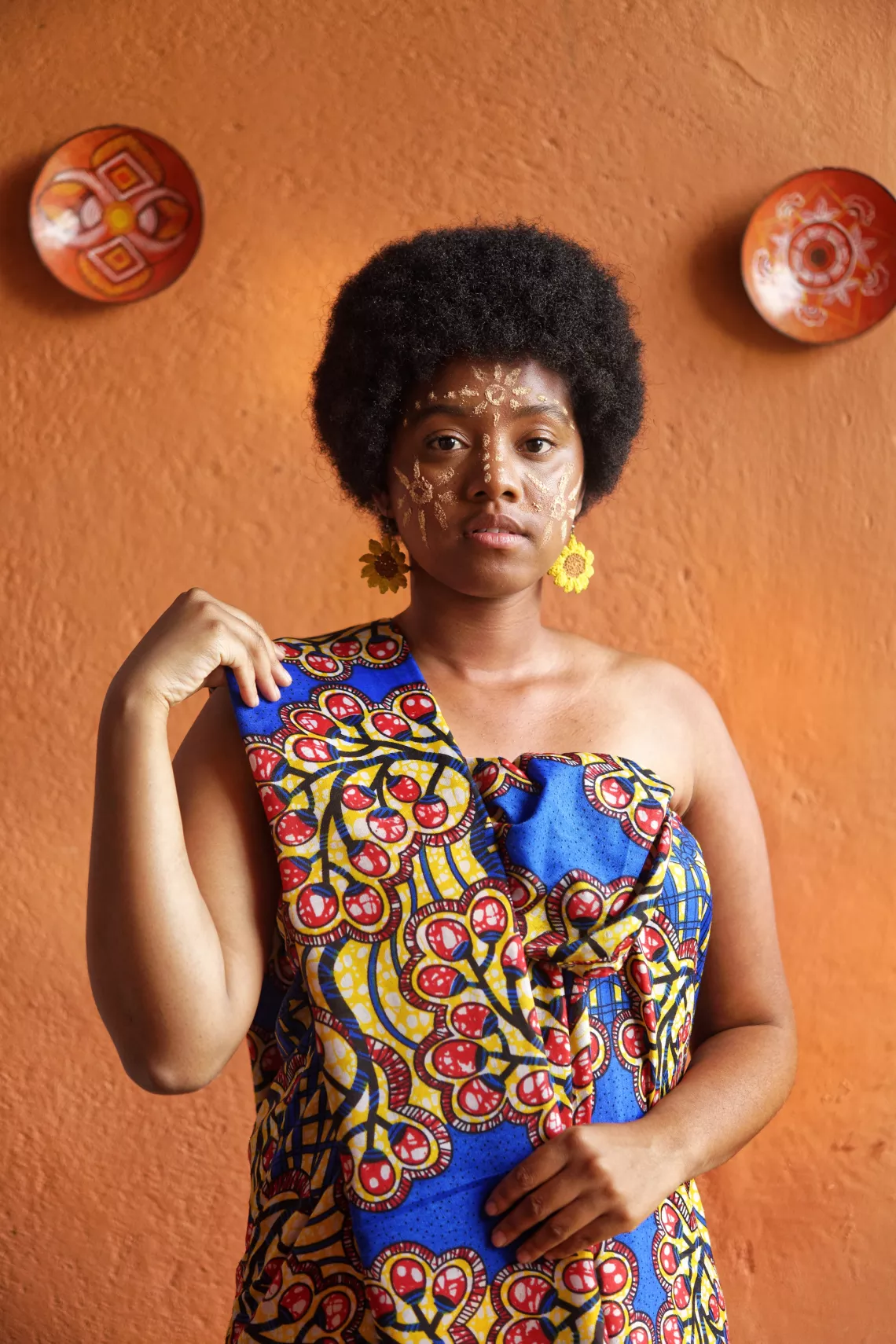
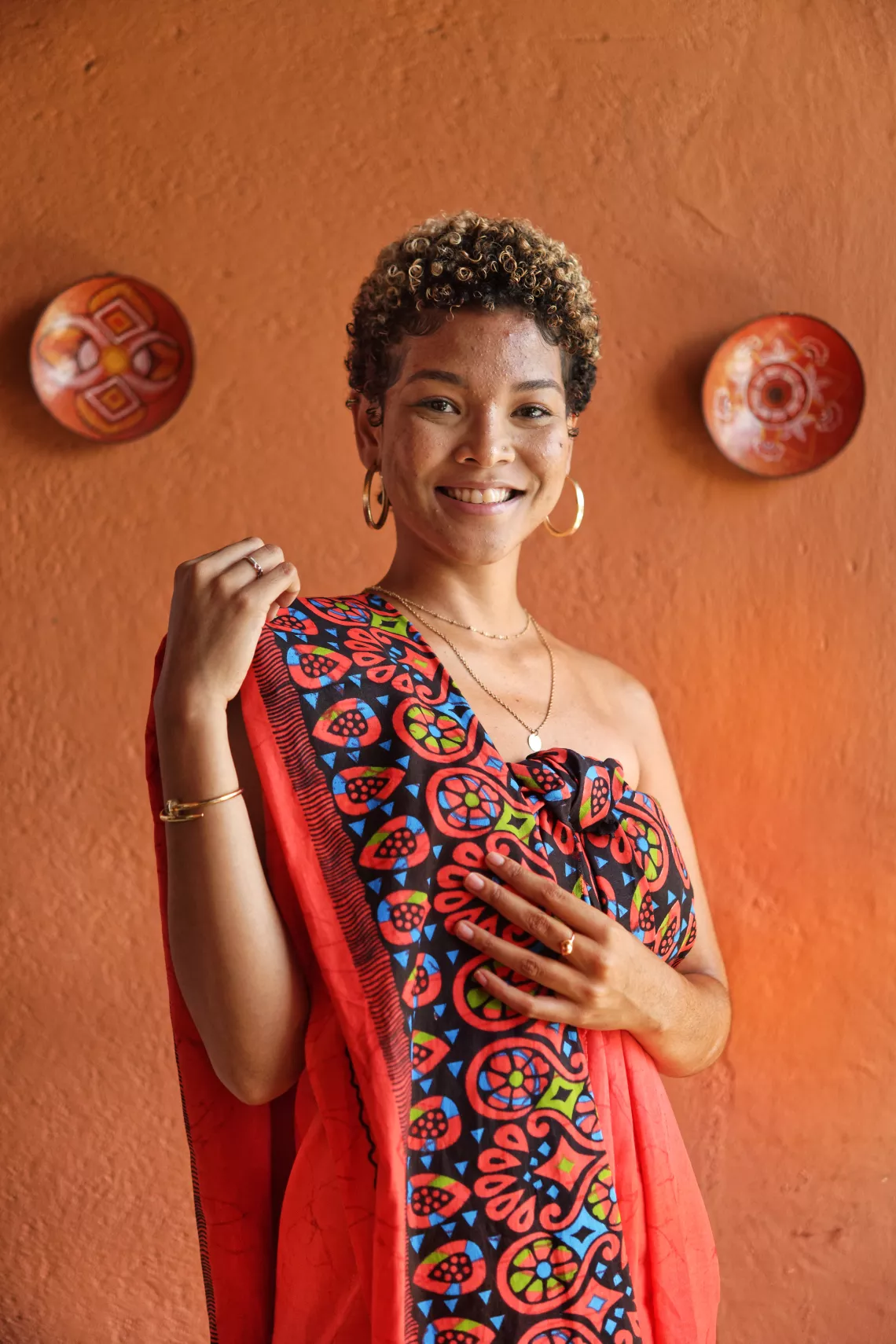
For Sakalava women, like the lamba landy (a piece of silk fabric, for major ceremonies), the sobahya is a "lamba" of great value and used to be a sign of nobility worn only by sovereigns during cultural festivities. Nowadays, this costume is worn during important events such as weddings.
>> Back to top
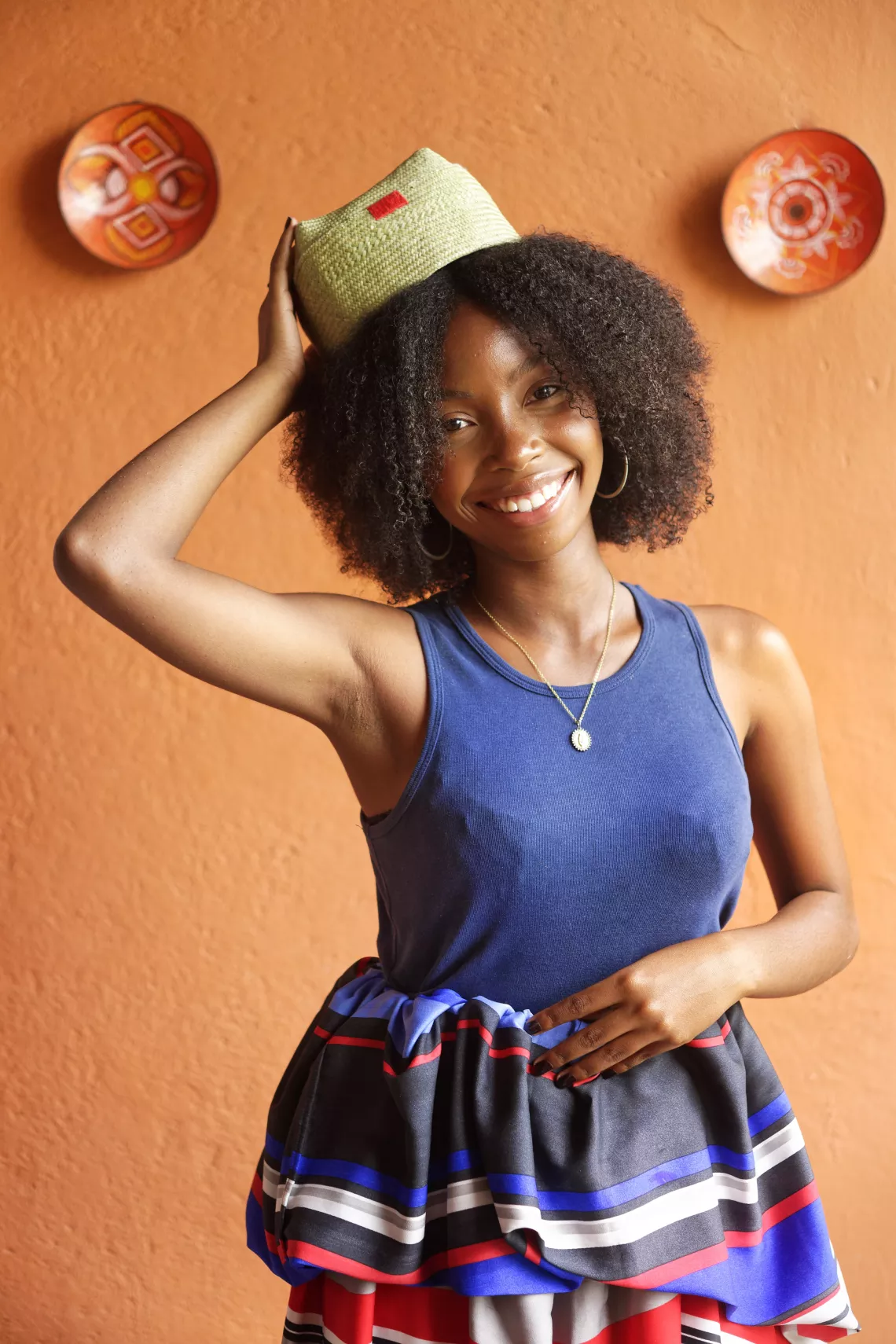
The Antaimoro women, from south-eastern Madagascar
They are renowned for the hand-made manufacturing of Antaimoro Paper (paper pulp made from the bark of avoha trees endemic to the South East of Madagascar). Regarding their clothing, they are distinguished by their striped lambahoany (pareo) worn at the waist and their straw hat.
>> Back to top
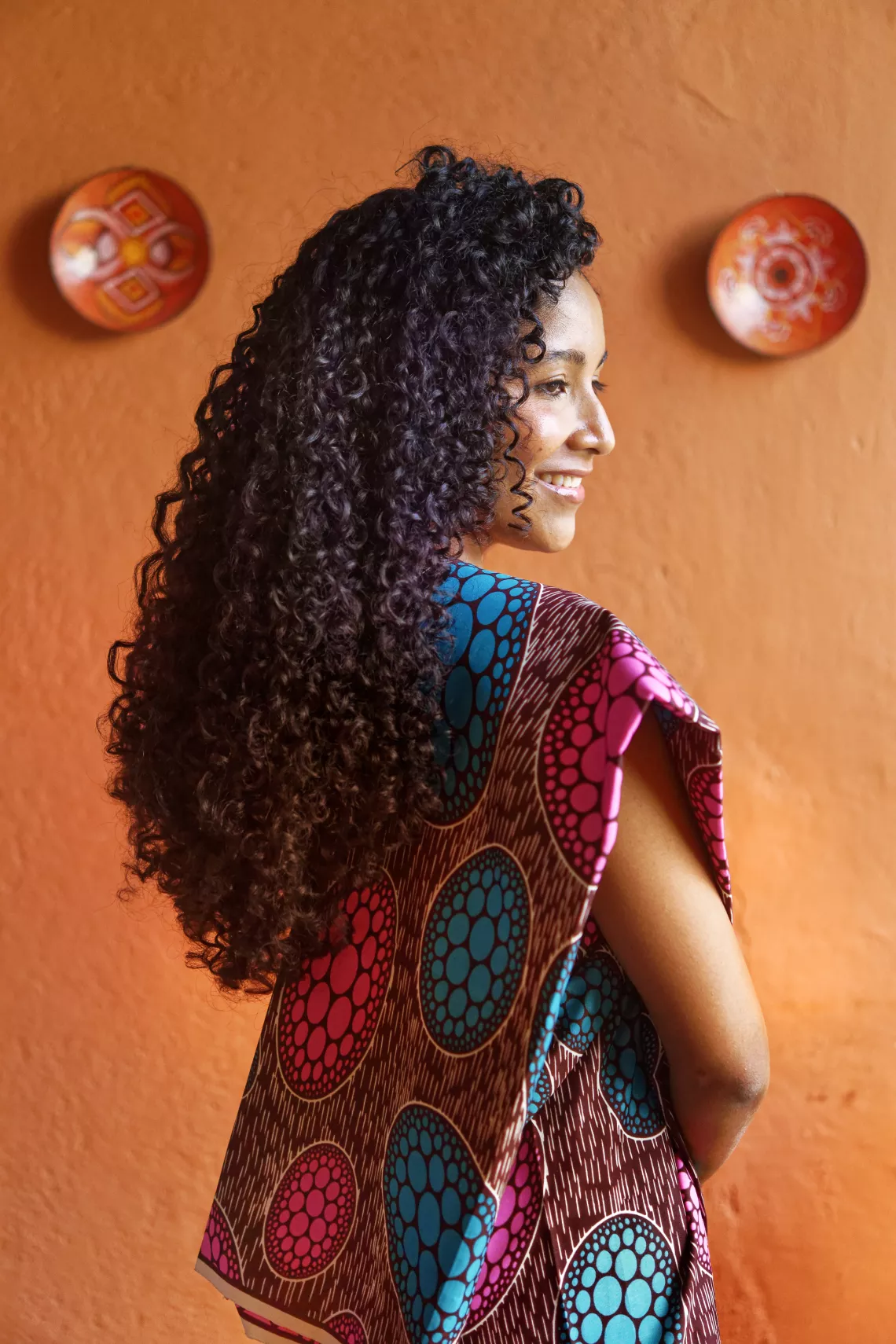
The Antakarana women, from northern Madagascar
For traditional clothing, they wear matching "lamba" such as the salovana which is a fabric sewn and tied at the chest and the kisaly which is a kind of shawl that is put on the head or shoulders. These days, only older women wear these traditional clothes on a daily basis, while younger ones only wear them on special occasions: festivals and ceremonies, parades, or mourning.
>> Back to top
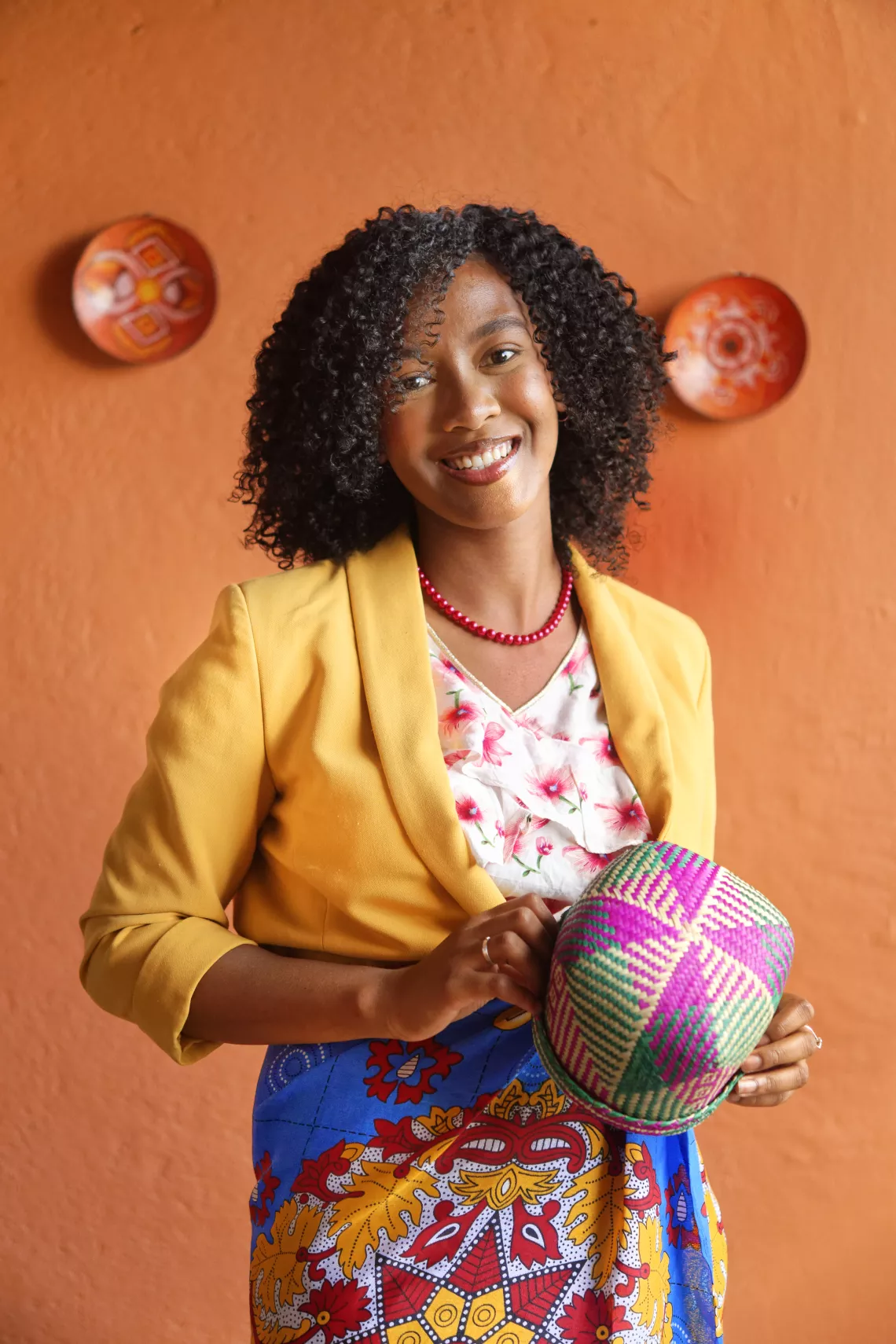
The Betsileo women, from the southern part of the central highlands
They are known for their legendary sense of hospitality. During special occasions, as well as in everyday life, their clothing stands out by its bright colours. The lambahoany (pareo) is worn tightly around the waist and used as a cover.
>> Back to top
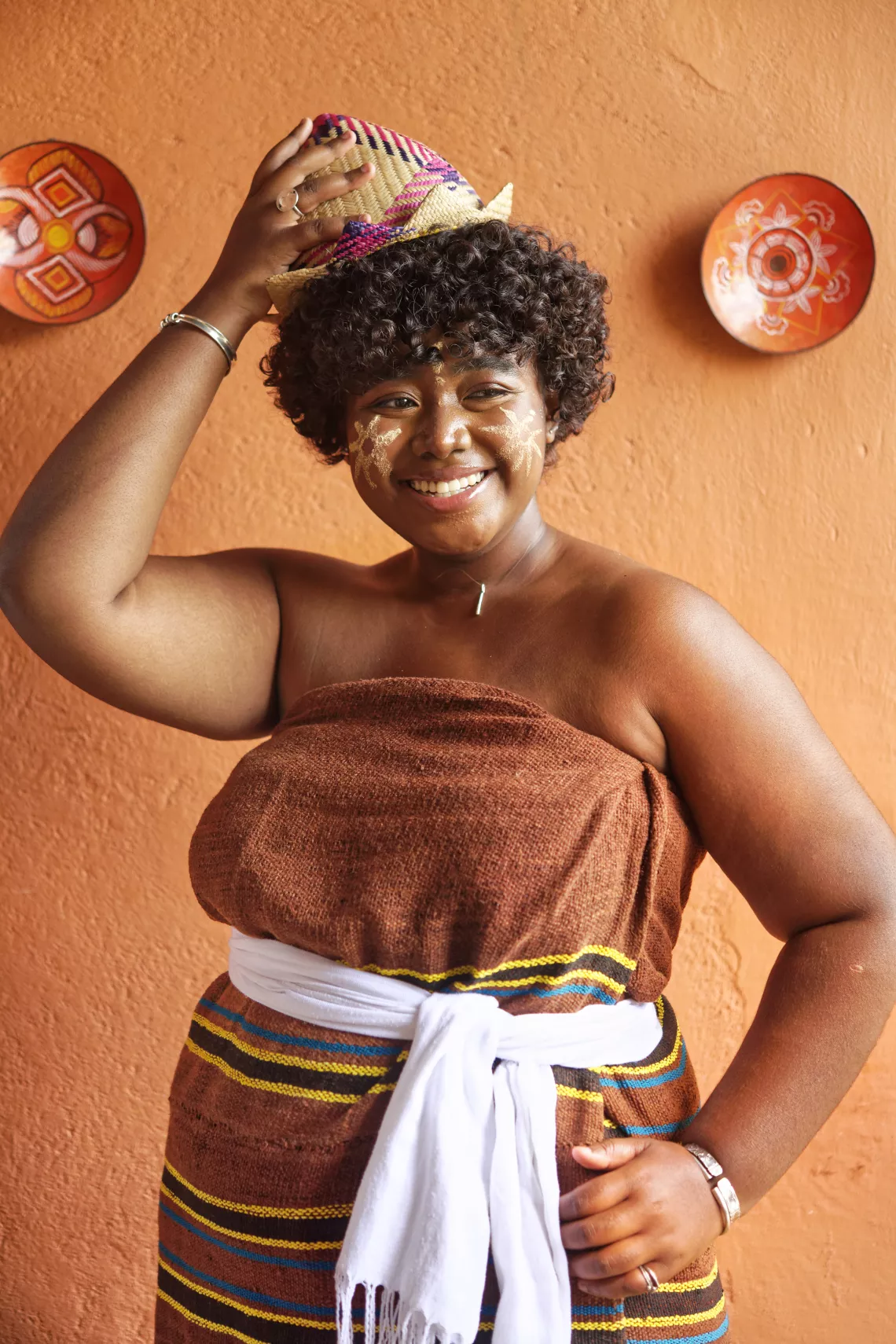
The Antandroy women, from the deep south of Madagascar
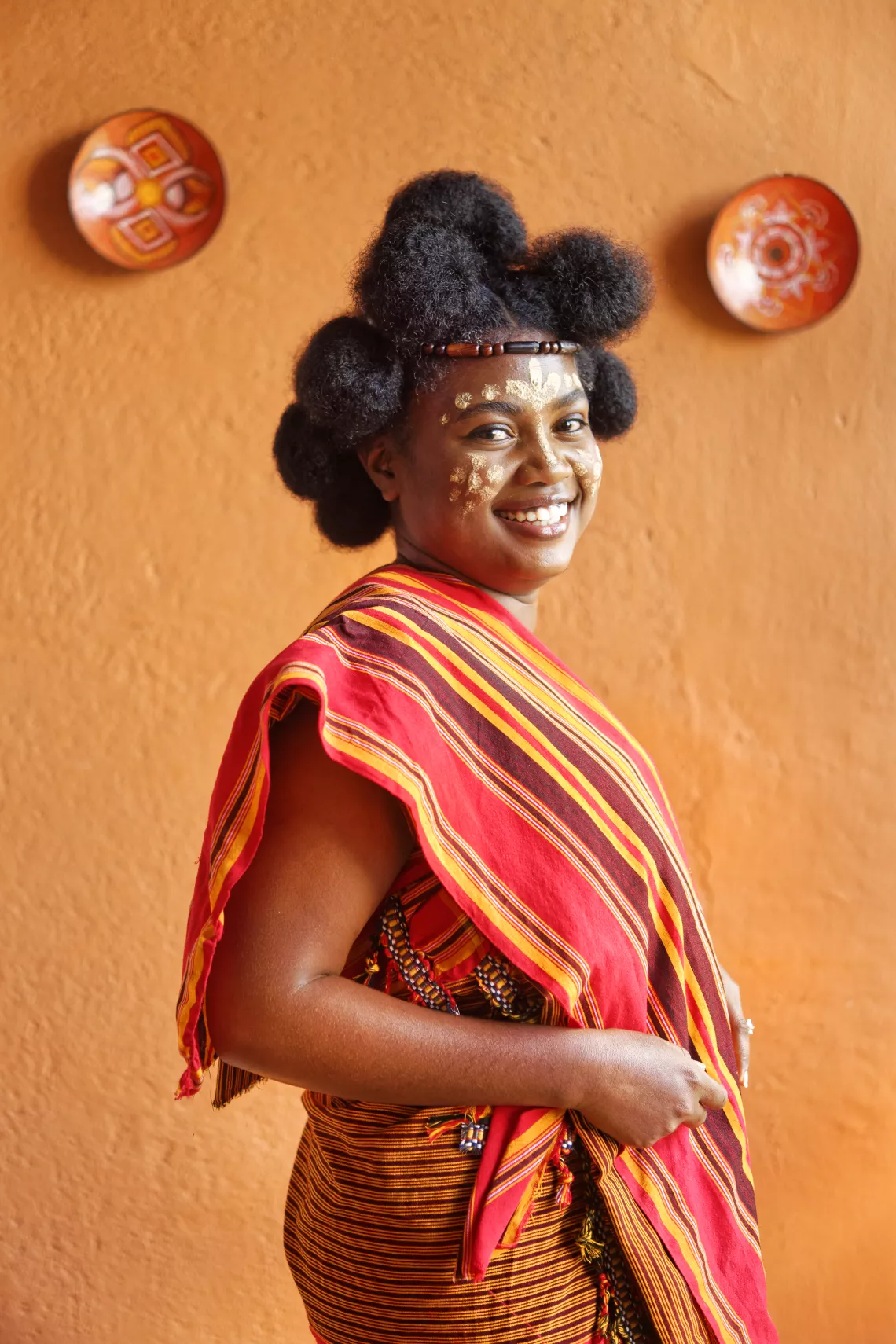
They are known for their traditional and unique know-how in the manufacture of Mohair rugs. The Lamba “Firake” is a traditional outfit of great value among the Antandroy. Worn on the occasion of a special event: ceremony, parties …. and always accompanied by ornaments like the “vangovango” (a sterling silver bracelet) and silver necklaces.
>> Back to top
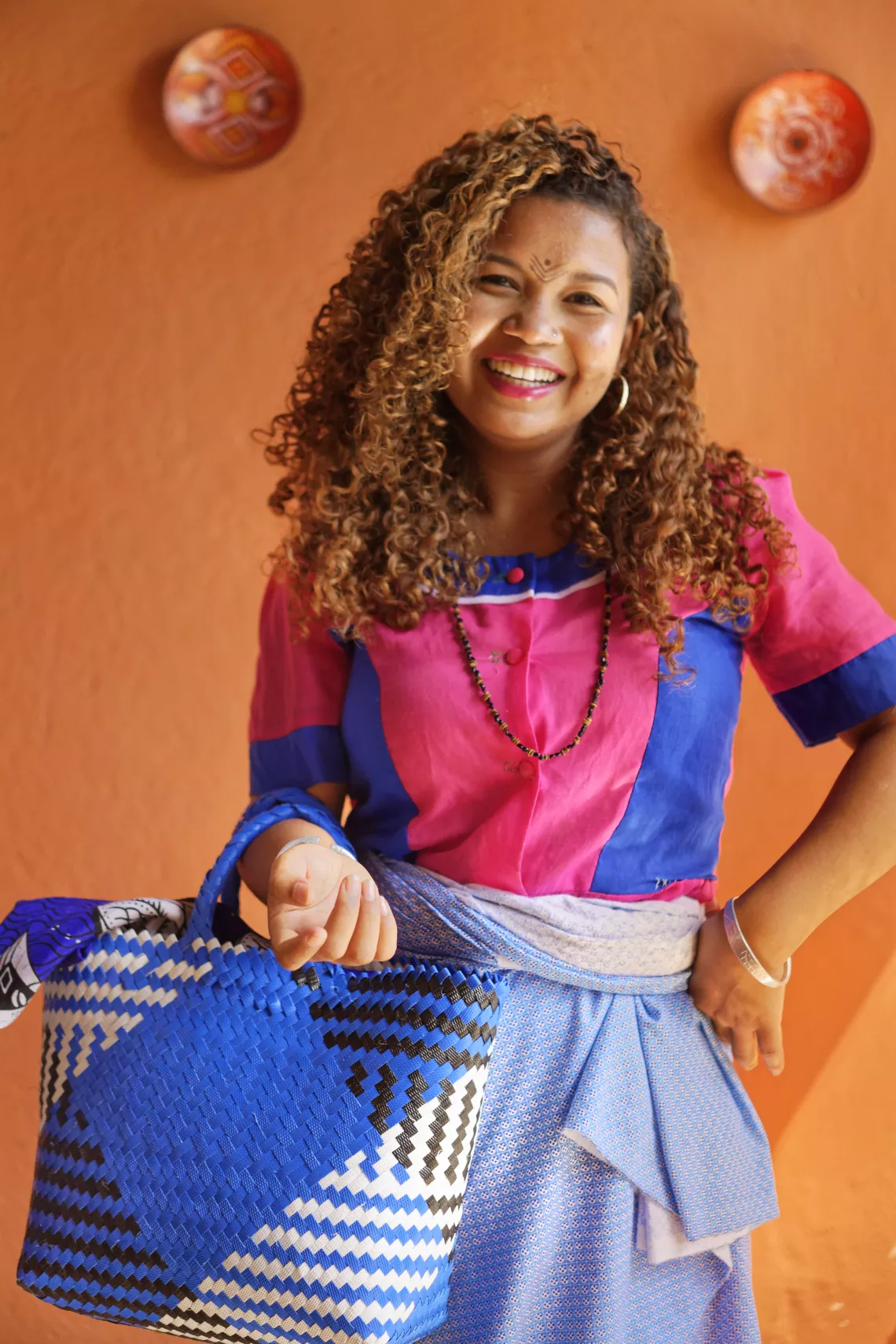
The Bara women, in the southern highlands
They are particularly courageous and sociable women. In daily life and during events, traditional clothing is characterised by brightly coloured dresses, brightly coloured lambahoany (pareo) and flannel lamba in various colours which are tied at the chest, or on the waist, and sometimes completely covers the body. The drawing on the forehead is done with a black pencil, whose marks show the status of a woman: married or single.
>> Back to top
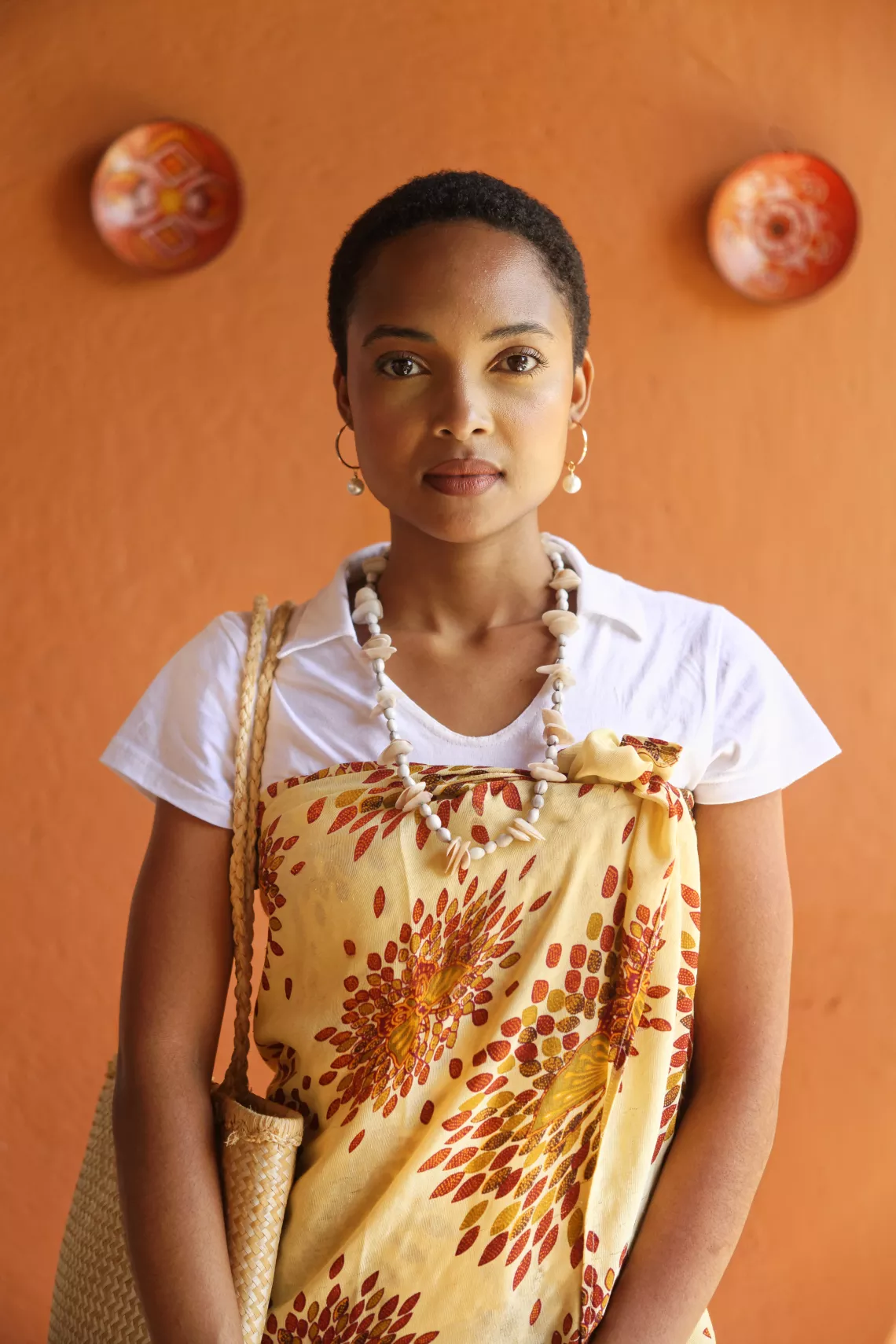
The Betsimisaraka women of eastern Madagascar
For traditional clothing, they often wear the Salovana (pareo) which they tie around the chest or around the waist. This simple outfit adapts to any circumstance: field work, housework, and also for special occasions such as Tsaboraha (ritual ceremony in honor of the ancestors) and other important events.
>> Back to top
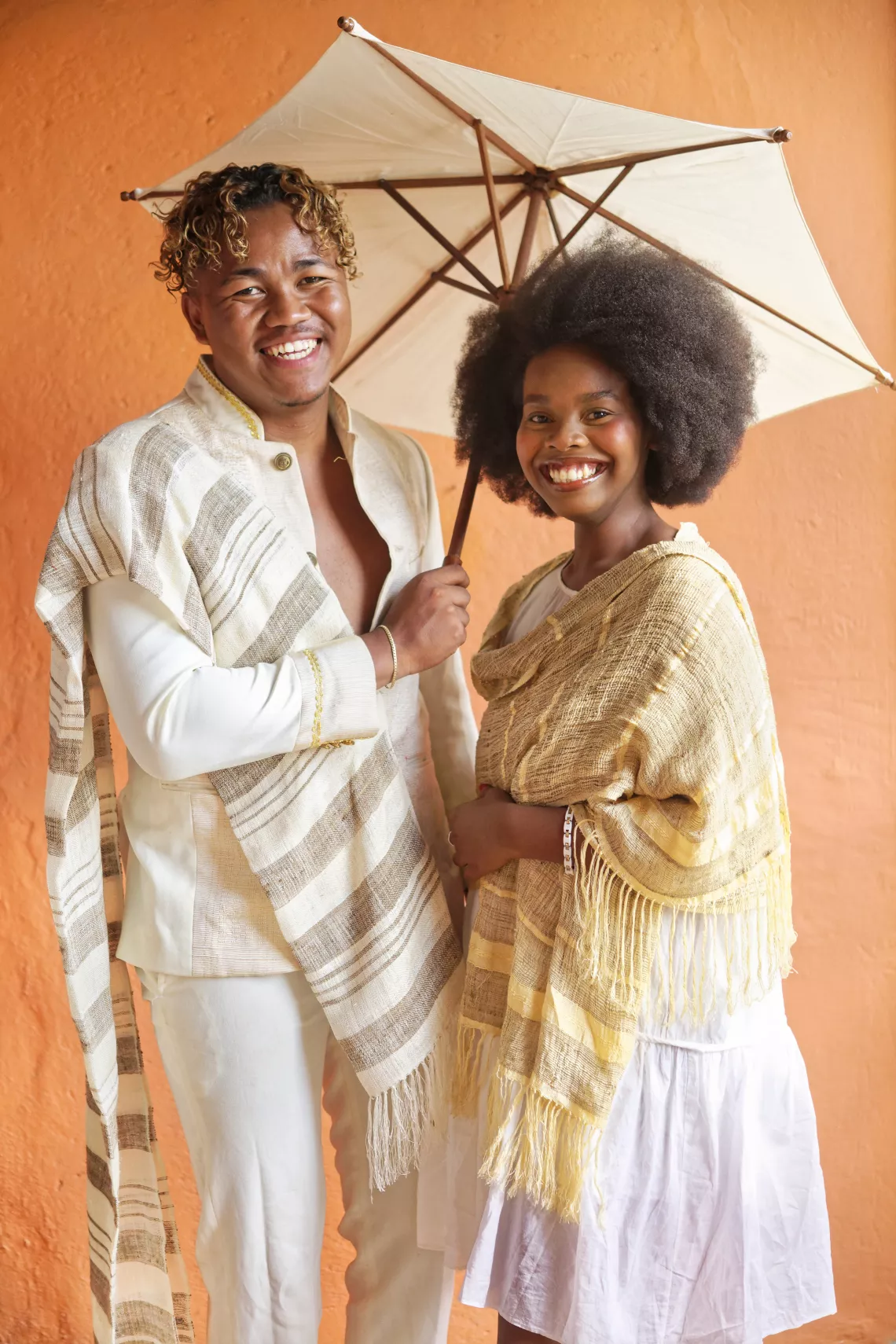
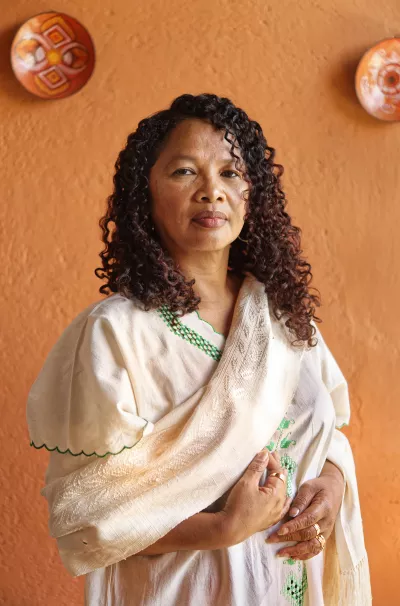
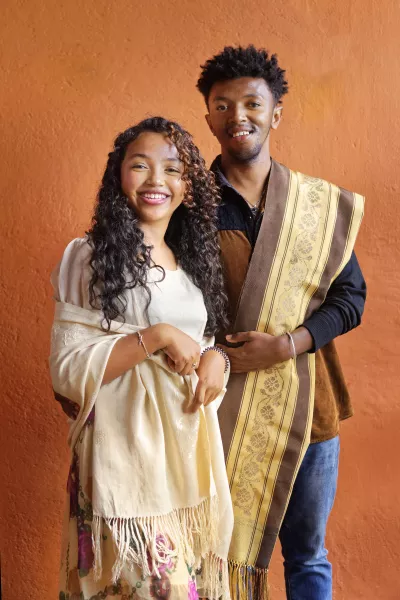
Merina women, from the central highlands
For their traditional costume, they wear a dress always accompanied by the “Lamba” with various choices of fabrics: rofia, landihazo, landy, which are equivalent to the silk or cotton shawl, and sometimes accessorized with an umbrella. A simple outfit that adapts to any circumstance of life: parties, mourning, daily life.


>> Back to top
“Empowered girls power progress. Girls all over the world are standing up for their rights and calling for exactly these kinds of steps. We need to listen. Global stability, peace, and prosperity depend on it.
On International Women’s Day, let’s commit to a girl-focused COVID-19 recovery that helps create a more just and equal post-pandemic world for girls, and a brighter, more peaceful and prosperous future for us all.”