Lebanon’s water supply system: on the verge of collapse
“Lebanon’s critical water infrastructure is reaching a breaking point. Unless immediate action is taken, the public water supply networks will collapse and, directly or indirectly, eliminate access to safe water to more than four million people”

- English
- العربية
Highlights
So concludes a UNICEF-supported assessment based on data collected by the country’s public Water Establishments in May and June 2021.
The assessment describes the water supply system as operating unsustainably due to the economic crisis roiling Lebanon.
The correlation between the decline in access to electricity nationwide and water production is at the centre of the water system's rapid deterioration. Blackouts and intermittent power supplies are threatening the capacity of the water system to treat, pump and distribute water.
Water providers couldn't afford to buy spare parts for maintenance or fuel for their electricity generators as they had no access to hard currency due to the collapse of the Lebanese currency against the US dollar.
Since 2019, the Lebanese pound’s (LBP) devaluation has caused a thirteenfold increase in the cost of water provisioning and the operation and maintenance of the system, including consumables and supplies.
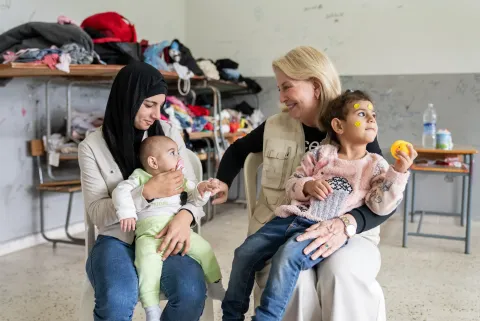
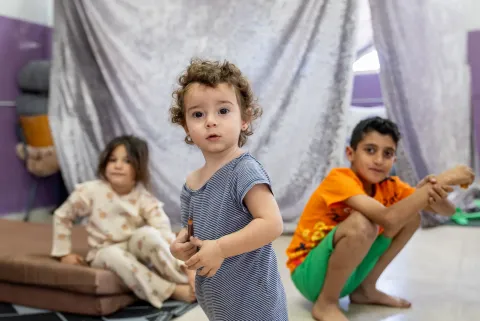
The country’s vital infrastructures are disintegrating. While this will inevitably impact the health, welfare and finances of the entire nation of almost 6 million Lebanese, Syrians, Palestinians and other nationalities, it will be babies and young children who are especially vulnerable as water and sanitation-related diseases remain one of the leading causes of death for children under five.