Before the Bell
How early childhood education is changing the way children start school in Laos
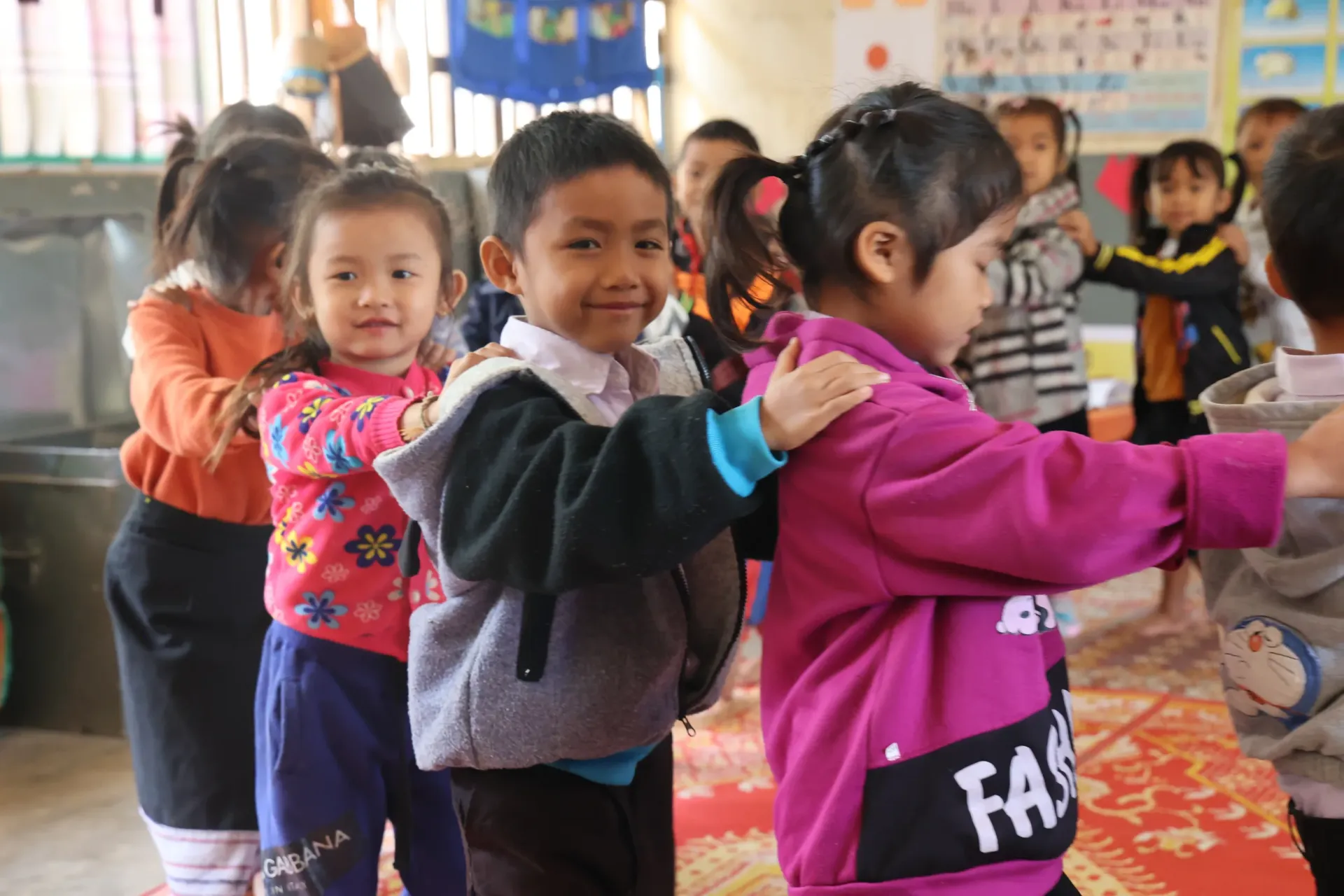
On a clear afternoon in the south of Lao PDR, you can hear Nakanong School before you arrive. The low hills carry the sound outward — children's voices, laughter, and the sound of play. Thirty minutes down a rough road from the district centre in Phine, the small school sits at the edge of the village, and most days, it sounds like something is working.
Ms. Keomany Phonphakdee, the school's principal, remembers clearly when it did not:
“I used to see children arriving at primary school, with their faces clouded with worry. But today, when they arrive, I see the children's faces are filled with smiles and brightness in their eyes. Seeing change in children is the most rewarding part of my work,” says Ms. Keomany Phonphakdee, Principal of Nakanong School.
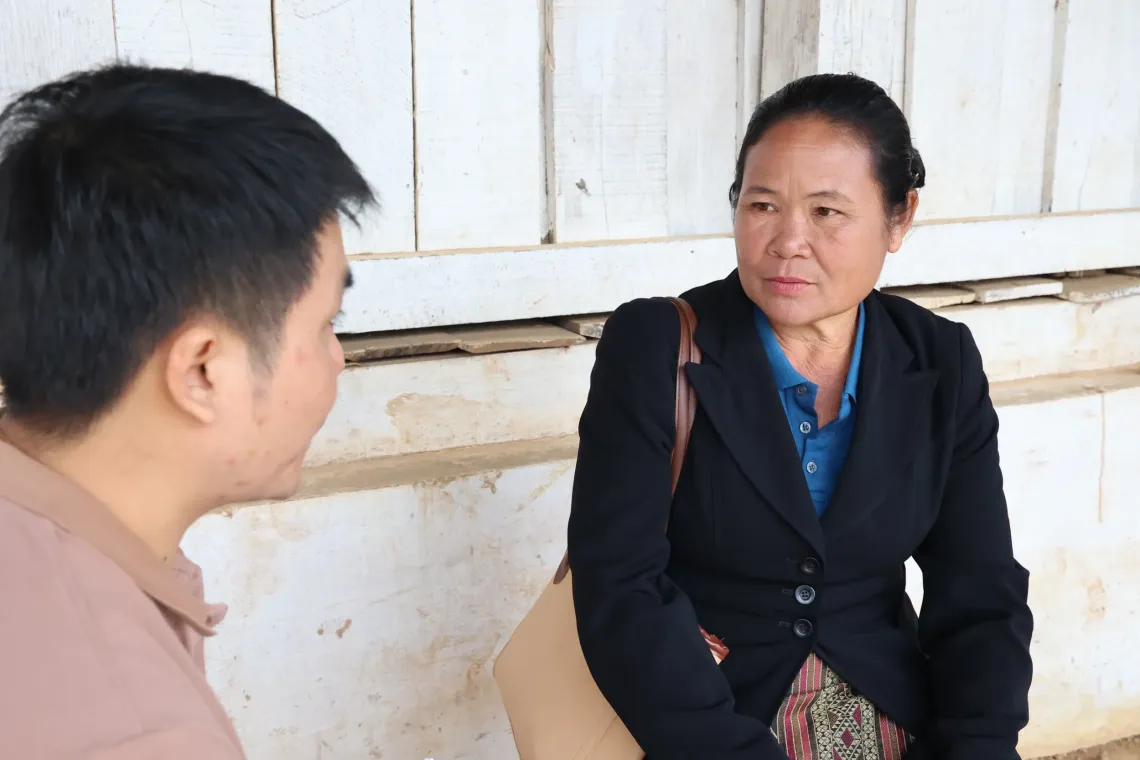
The change she describes took years, and it began with a problem she had watched accumulate slowly. In Nakanong village, early childhood education was widely regarded as play — something that might happen before real school began, or more often, something that did not happen at all. Most parents kept their young children home to help with household chores until they were old enough for Grade 1. When those children finally arrived at primary school, the gap was immediate and visible.
"I usually saw teachers struggling to manage classes because children didn’t know how to follow rules or stay focused. That happened because they had never been to a school environment", Ms. Keomany, Principal of Nakanong School, said.
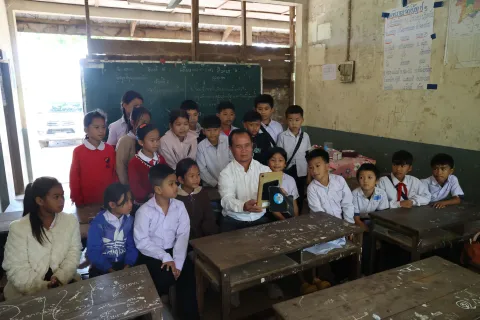
The shift began with a UNICEF-supported exchange workshop that brought pre-primary and Grade 1 teachers into the same room — for many of them, the first time they had ever compared notes. With support from UNICEF and the Ministry of Education and Sports, teachers began using Individual Child Monitoring Books: a practical tool that tracked each child's readiness, strengths and difficulties as they crossed from one stage to the next, so that the teacher receiving a child knew something about who they were before they walked in the door.
“Now, teachers can clearly see what each child is good at and what they struggle with, so they can support each child individually — not treat everyone the same,” Ms. Keomany explains.
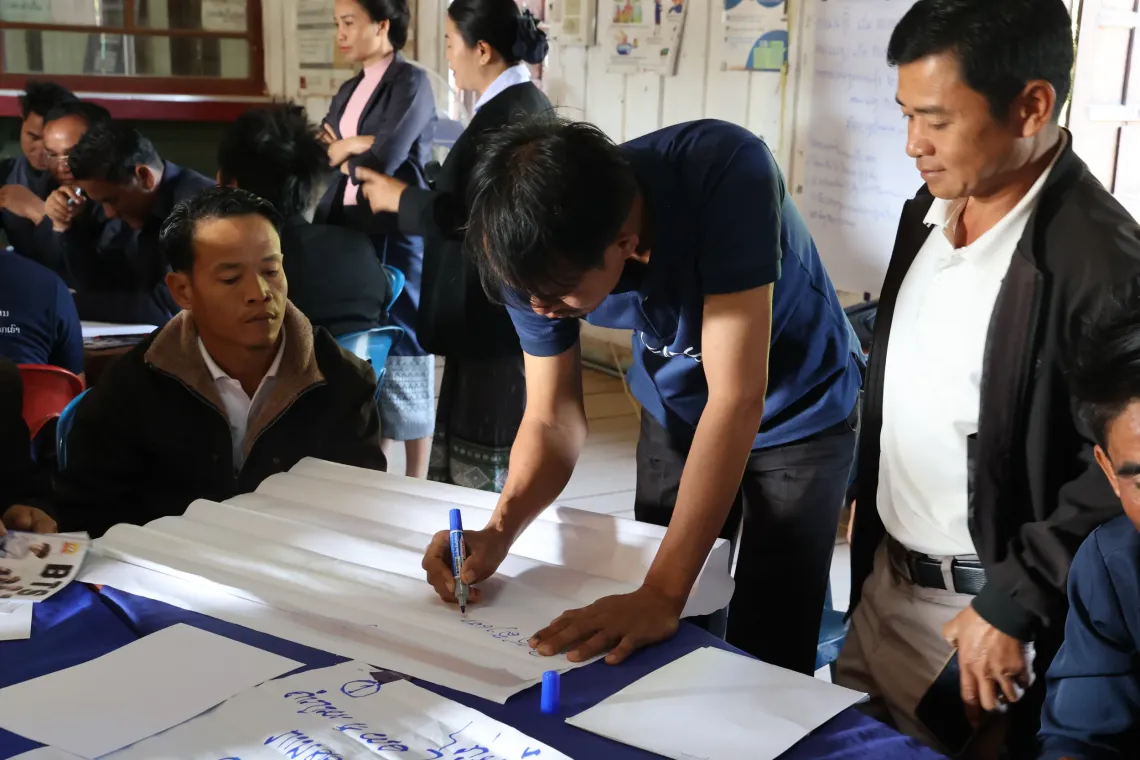
The classroom itself changed too. Rather than rote repetition and quiet rows, teachers shifted toward play, group activities, music, storytelling and hands-on experience. The difference found its way home.
“Parents always tell us their children are humming the class songs when they get home,” Ms. Keomany said. “And the parents notice that their children are more respectful of each other, playing more freely, having more fun day by day.”
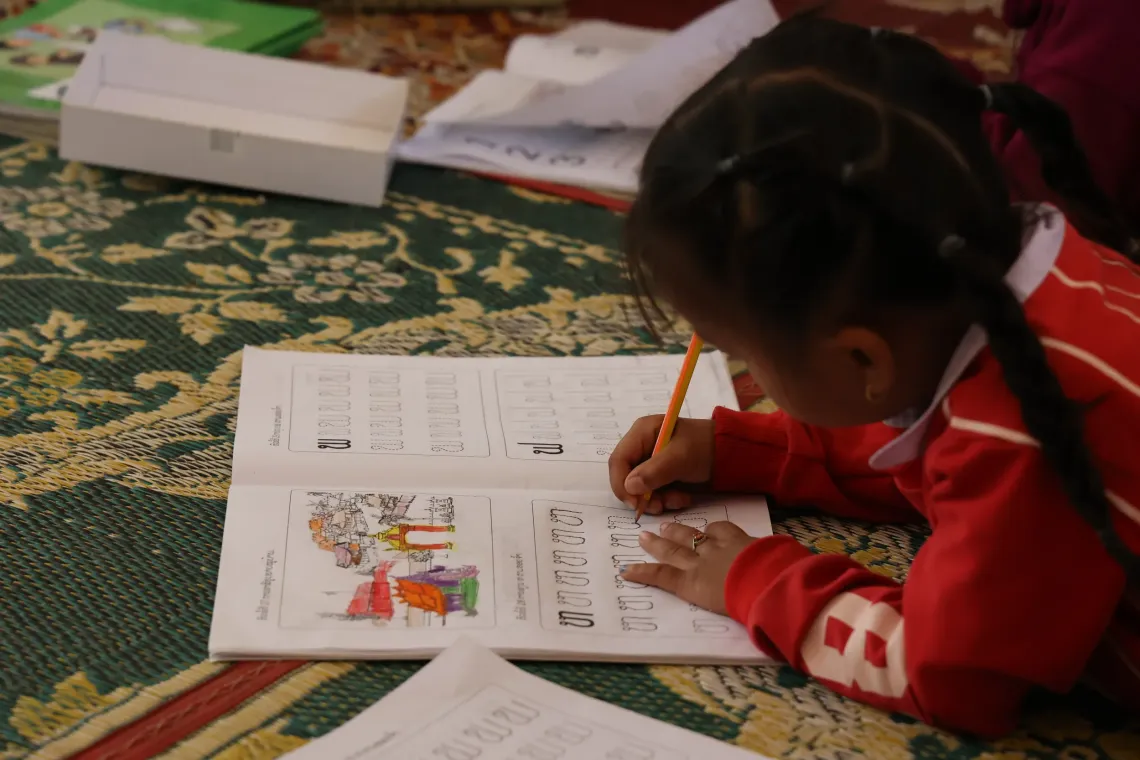
Today, mornings at Nakanong School begin with roosters and children walking in with bright faces. Tears on the first day of Grade 1 are rare now. Children arrive already knowing how to hold a pencil, recognise numbers, follow instructions and work alongside others. Those who once stood still at the classroom door now raise their hands to share.
Parents have moved closer too — attending school events, helping clean the classrooms, more present in their children's school days than anyone would have predicted a few years ago.
Ms. Keomany now works as a mentor to other school principals across the area, passing on what she and her teachers worked out together. She does not describe it as a transformation. She describes it as a bridge: “Early childhood education is like planting seeds today for the tree of opportunity in the future.”
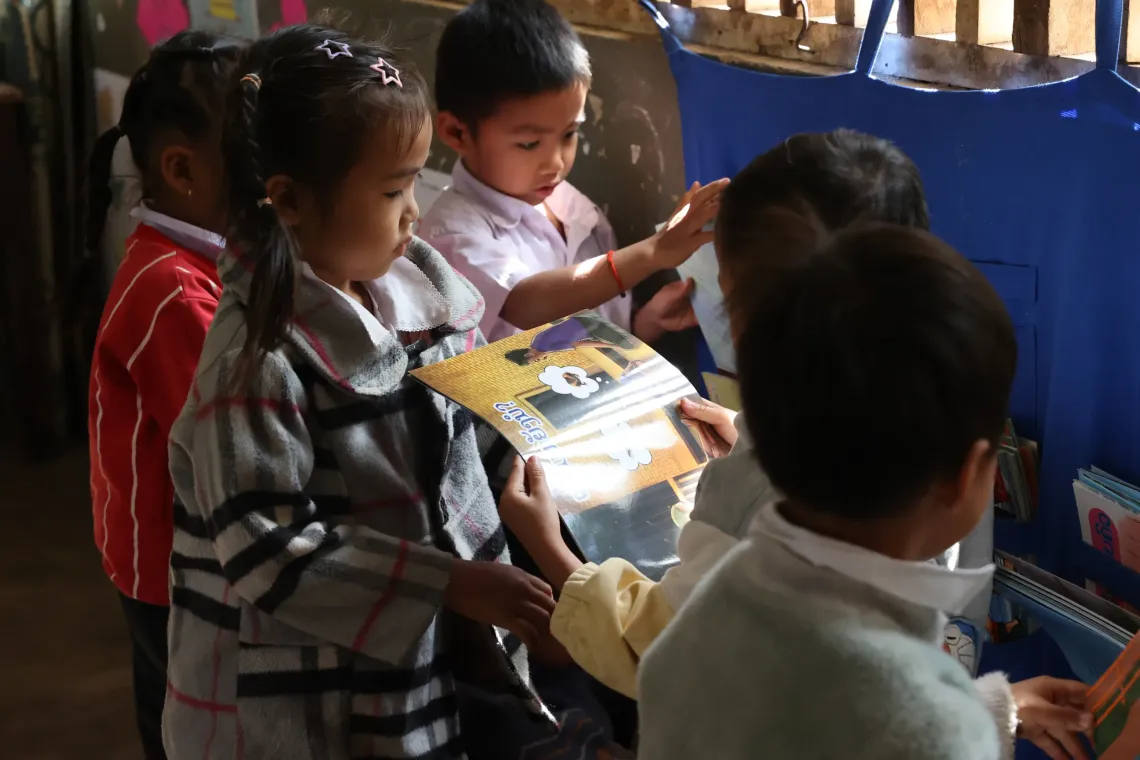
The programme is supported by the Australian Government through the Australian NGO Cooperation Program (ANCP). UNICEF has been working closely with the Government of Lao PDR to expand access to quality ECE, particularly in remote and disadvantaged areas, and to ensure a smooth transition to Grade 1 through the Community-Based School Readiness programme, and parenting programmes to promote equitable access to ECE and strong learning foundations for the children.