

Climate Change
Why climate change is a child rights issue.
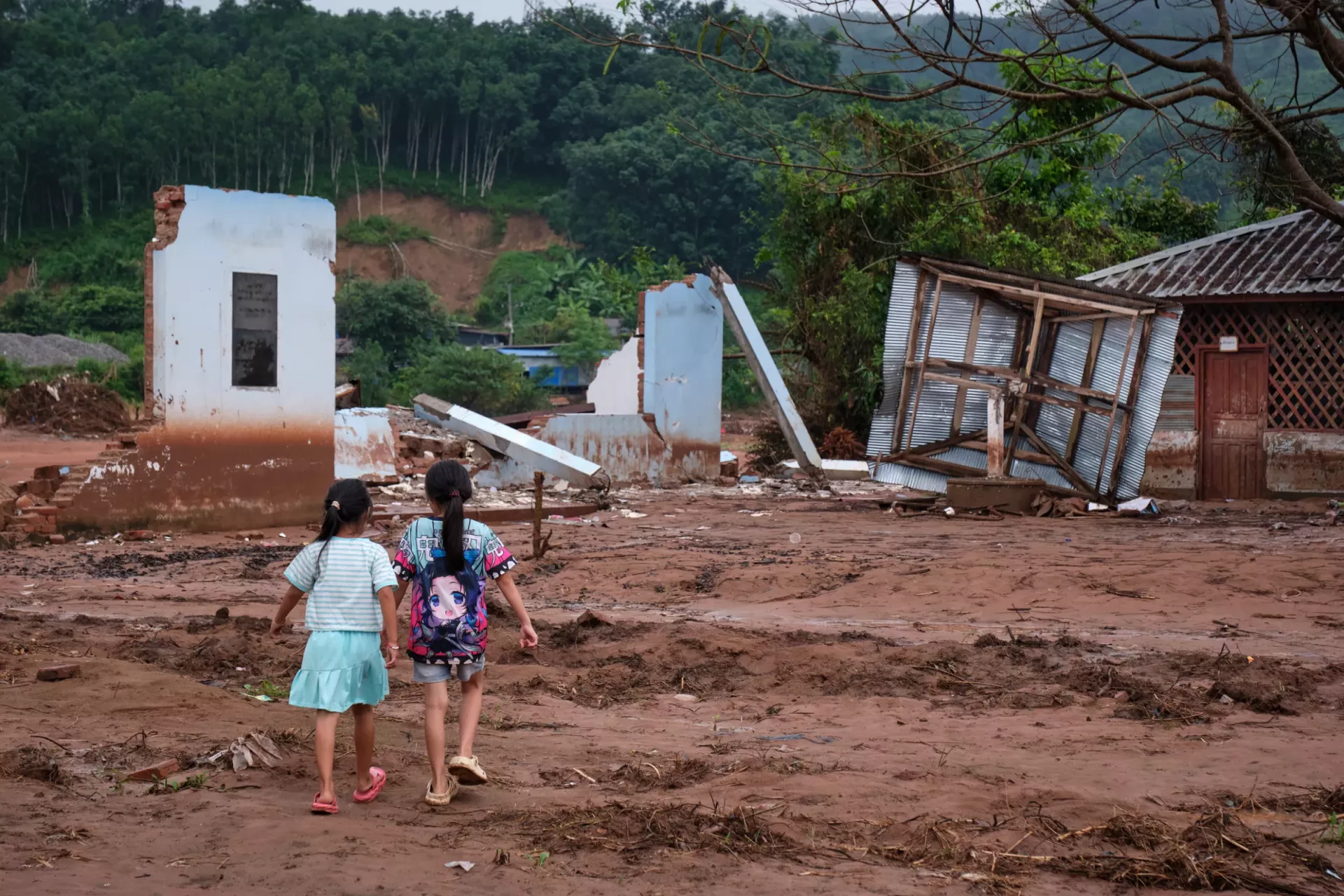
Climate change is already amplifying vulnerabilities faced by children in Lao PDR and around the world. Extreme weather events—such as heatwaves, floods, storms, and drought—destroy crops, contaminate water sources, damage schools and health centres, and threaten children’s health and nutrition. These challenges particularly affect the poorest, most isolated communities. Climate change thus exacerbates existing inequalities and poses one of the gravest threats to child survival and development.
Impact on Children
Climatic shifts worsen food insecurity by reducing crop yields and raising food prices, which in turn undermines efforts to tackle stunting. Changing rainfall patterns and prolonged drought can cause water scarcity, forcing families to rely on unsafe sources. Rising temperatures and altered ecosystems also expand the range of mosquito-borne illnesses such as dengue fever and malaria. Meanwhile, air pollution from burning forests or agricultural fields—potentially exacerbated by changing climate conditions—can lead to respiratory issues, including pneumonia, the leading cause of death in young children in Laos.
Extreme weather disrupts schooling when floods damage buildings or schools must be used as evacuation shelters. Children may miss weeks or months of lessons, with many never returning. Drought or heatwaves can impede learning when children lack water or must spend more time fetching it, leaving less time for school. Moreover, climate-related stress and uncertainty can contribute to mental health issues among adolescents.
Why Children Must Be Central to Climate Action
Children bear little responsibility for climate change but will live with its consequences far longer. Many already reside in areas at high risk of climate shocks. Yet child-specific concerns have been largely overlooked in climate policymaking and finance. Planning for disaster risk reduction, adaptation and mitigation must explicitly address children’s needs—covering everything from designing disaster-resilient schools and health facilities to involving youth in climate decision-making. Young people’s leadership can catalyse progress if given a genuine platform.
Resilience and Solutions
- Climate-Smart Infrastructure and Services: Build schools and clinics that can withstand floods and storms, fit them with solar power and reliable water systems, and ensure they remain functional during emergencies. Offer “safe school” programmes, including retrofitting buildings and training students and teachers in disaster preparedness.
- Disaster Preparedness and Early Warning: Put community-based disaster risk reduction strategies in place, making sure children’s safety is a key focus. Establish early warning systems that reach every household, including in remote villages, and conduct drills in schools. Store essential supplies—such as water purification tablets and emergency food—near high-risk areas.
- Reduce Environmental Hazards: Phase out open burning, invest in cleaner cooking fuels, and restore forests to protect water sources and lower the risk of landslides. Promote clean urban transport to reduce air pollution.
- Youth Engagement: Incorporate environmental education into school curricula so children understand climate impacts and sustainability from an early age. Encourage youth-led clubs and projects—tree planting, waste reduction campaigns, advocacy forums—that foster a new generation of climate-conscious citizens.
A Call to Action
Climate change is a generational crisis, demanding urgent steps to integrate child rights into all climate strategies. As Lao PDR refines its national adaptation and mitigation plans, children’s needs must be front and centre, with dedicated funding for child-focused measures. Priority should also be given to supported young people with opportunities to develop green skills and develop solutions which help communities mitigate or adapt to the impacts of climate change and environmental degradation.
Every fraction of a degree of global warming avoided, every flood-safe school constructed, every polluted area restored—these actions are investments in the lives and futures of Lao PDR’s children.