At least 25.8 million children in Latin America and the Caribbean are exposed to El Niño-related droughts and floods
Climate phenomenon threatens children's access to food, water, health, education and protection services across the region
- Español
- English
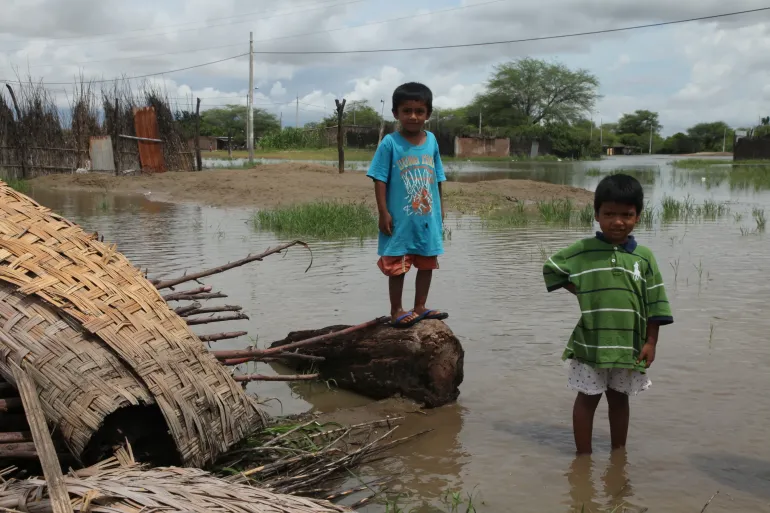
PANAMA CITY, PANAMA. 30 September 2026 – At least 25.8 million children in Latin America and the Caribbean – an estimated one in seven – face growing risks from the most severe drought and flooding as the El Niño phenomenon takes hold across the region, exacerbating existing inequalities, vulnerabilities and disrupting access to essential services, according to UNICEF estimates.
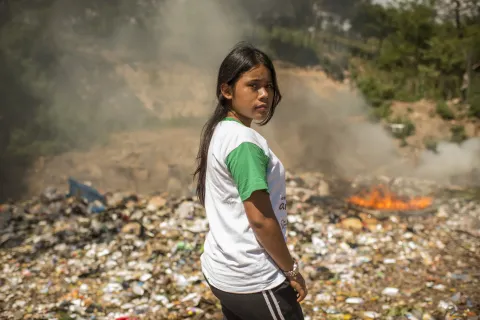
The impacts of El Niño are expected to vary by subregion. In the Central American Dry Corridor, which includes parts of Guatemala, El Salvador, Honduras and Nicaragua, reduced rainfall is forecast to affect agricultural production, increasing food insecurity and malnutrition risks for children and families already facing challenges in accessing food and safe water. These conditions may also disrupt school attendance and learning continuity.
In the Caribbean, drought conditions could affect the livelihoods of the most vulnerable communities across the Eastern Caribbean and Jamaica and compound long-term crises in Cuba and Haiti. At the same time, as the hurricane season progresses, warm Caribbean waters continue to pose a risk of devastating damage and disruption for hundreds of thousands of children and their families.
The Pacific Coast of Mexico and South America, including some parts of Argentina, Brazil, Chile, Ecuador, Peru, Uruguay and Paraguay are expected to experience above-average rainfall, increasing the risk of flooding, damage to infrastructure, and disruptions to schools, health services, and water systems. Meanwhile, other areas in Bolivia, Colombia, Chile and Venezuela face declining reservoir levels and an elevated risk of wildfires. In the Amazon basin, drought conditions are expected to lower river levels, potentially isolating riverine and Indigenous communities.
“The increasingly visible and severe effects of El Niño threaten to push even more children into deeper vulnerability and increase existing inequalities,” said Roberto Benes, UNICEF Regional Director for Latin America and the Caribbean. “We must act now to strengthen preparedness, protect essential services and ensure children receive the support they need.”
UNICEF works with governments and humanitarian actors throughout the region to strengthen national emergency preparedness. This includes monitoring and risk analysis, estimating impacts and identifying key actions before, during and after climate events. UNICEF also supports the activation of sectoral mechanisms to implement anticipatory actions, ensuring that essential services reach those who need them most.
“The hurricane season is also being shaped by El Niño. A single major storm can cause widespread destruction and disrupt the lives of hundreds of thousands of children and their families,” added Benes. “As climate shocks become more frequent and severe, UNICEF is calling for increased investment in preparedness, resilience and early action measures to protect children before disasters occur.”
UNICEF urges governments, partners and donors to act now to mitigate El Niño's impact on communities through three key actions:
- Invest in anticipatory action to help communities prepare for El Niño before disasters strike, reducing risks and protecting children.
- Provide flexible, multi-year financing that enables rapid action based on forecasts while strengthening long-term resilience and disaster risk reduction.
- Close the child-specific funding gap: Increase support for essential services including nutrition, healthcare, safe water, education and child protection, ensuring that children's needs remain at the center of emergency responses.
For 2026, UNICEF has requested US$53.8 million to prepare for and respond to emergencies across Latin America and the Caribbean, including to strengthen disaster preparedness and anticipatory action ahead of the forecast impacts of El Niño. As of 30 June, a 55 per cent funding gap remained.
Note for editors:
- All figures included in this release are estimates based on current analyses and forecasts. They remain subject to change as the El Niño phenomenon evolves.
- Estimates of children exposed to El Niño-related hazards are based on a preliminary analysis conducted by UNICEF's Latin America and Caribbean Regional Office in September 2026, covering all countries in the region. Exposure was estimated using official national estimates, humanitarian country team joint analysis for ENSO, the Global Child Hazard Database, and GeoSight's Children's Climate Risk Report 2026 (CCRR) exposure layers. The analysis focused on children living in municipalities forecast to face the most severe rainfall deficits (drought) or excesses (flooding) this season associated with the El Niño-Southern Oscillation (ENSO).
- The regional analysis represents a subset of the broader Global Child Hazard Database and CCRR 2026 exposure dataset, and reflects the country-level estimates of children living in geographic areas exposed to El Nino impact-related hazards. Based on this analysis, an estimated 25.8 million children are living in municipalities facing very high severity impacts from either rainfall deficits or excess rainfall associated with El Niño.
- Multimedia assets available here: Link
Media contacts
About UNICEF
UNICEF, the United Nations agency for children, works to protect the rights of every child, everywhere, especially the most disadvantaged children and in the toughest places to reach. Across more than 190 countries and territories, we do whatever it takes to help children survive, thrive, and fulfill their potential.
For more information about UNICEF and its work, please visit: www.unicef.org/lac
Follow UNICEF on X, Instagram, Facebook, Tiktok and Youtube.