“I was in bed with my one-month-old nephew when the bed started moving. At first, I thought it was my older nephew kicking the bed,” recalls Gabriela, 16.
“Then suddenly, everything started shaking. I had never experienced anything like that before. I don't know how I stayed calm.”
June 24 changed her family´s life forever. As the earthquakes shook Venezuela, Gabriela reacted instinctively: she picked up her newborn nephew and sought shelter alongside her sister and her other nephew.
“We managed to get to safety. I was holding my nephew in my arms. My sister, my other nephew, and I all hugged each other,” she recalls.
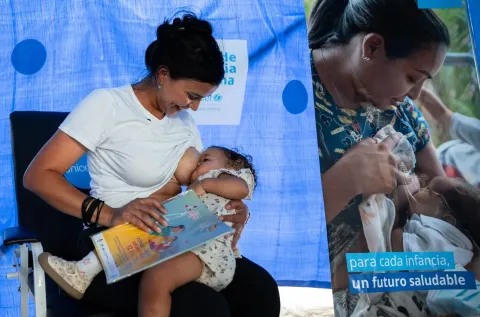
Today, Gabriela, her sister, and her nephews are in one of the temporary camp set up for families who lost their homes or whose houses are unsafe after the earthquakes. Their new reality unfolds inside a tent, where they receive basic support while trying to rebuild their lives.
But beyond the material losses, the earthquakes also left emotional scars.
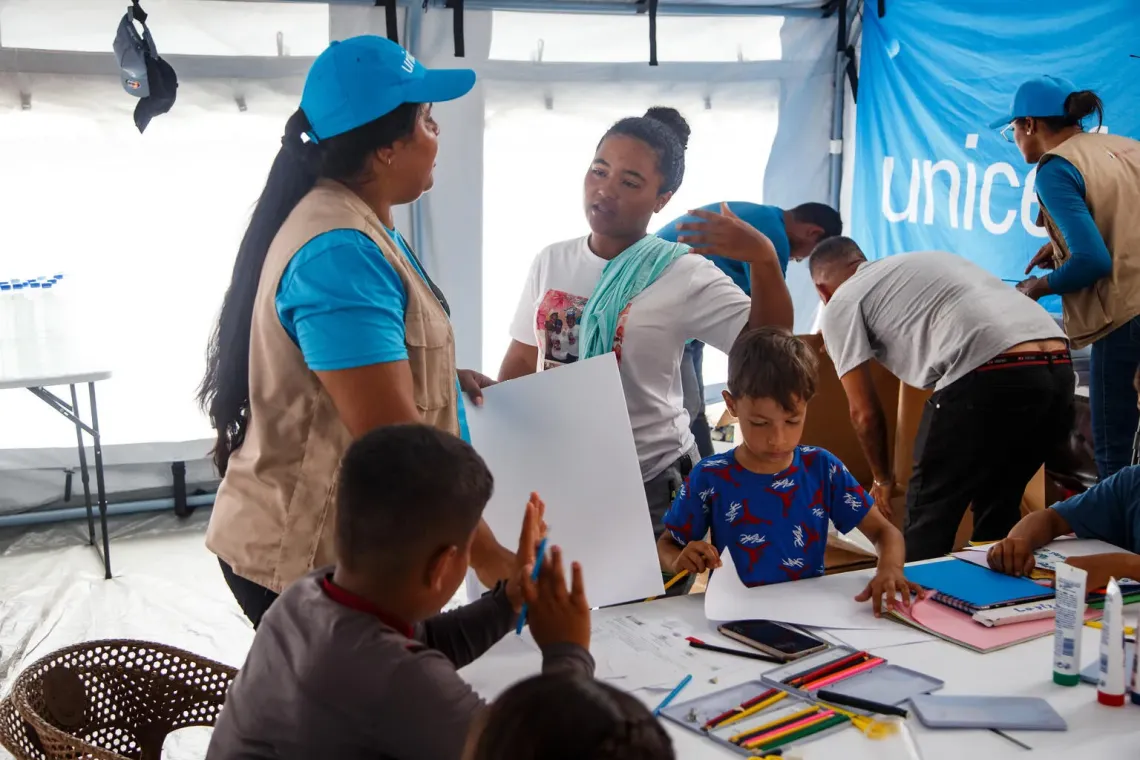
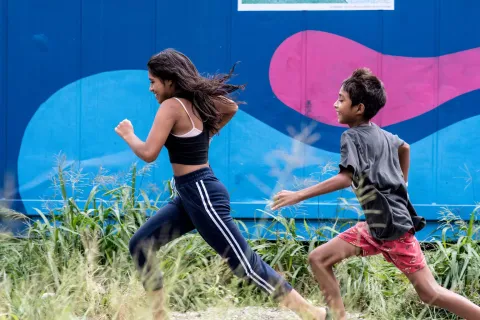
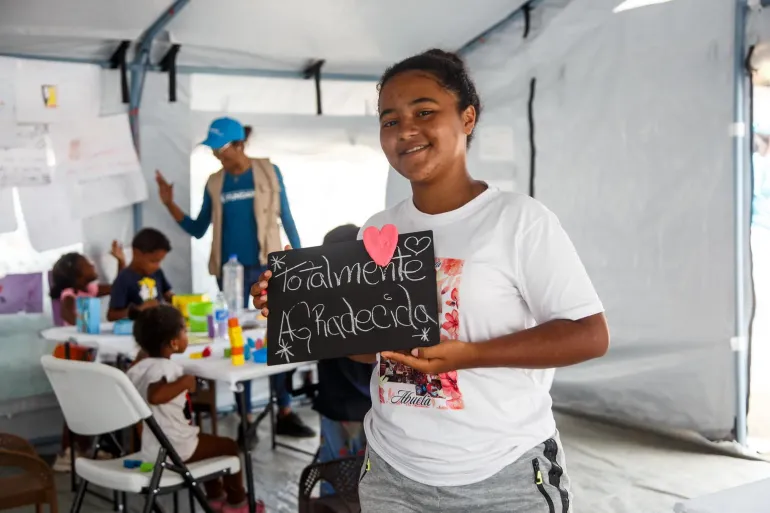
At the Child-Friendly Space established in Catia La Mar, Gabriela regularly participates in activities designed for adolescents. There, she finds a safe place to share experiences, process emotions, and connect with other young people who have gone through similar situations.
“Adolescents find it difficult to express how we feel. It's not easy,” she explains.
“Having these spaces is amazing. I like helping others. Besides participating in the activities, I also enjoy supporting the group activities for younger children.”
-Gabriela
Gabriela’s desire to help has become part of her own healing process. As she supports younger children through recreational and emotional support activities, she is also strengthening her own resilience.

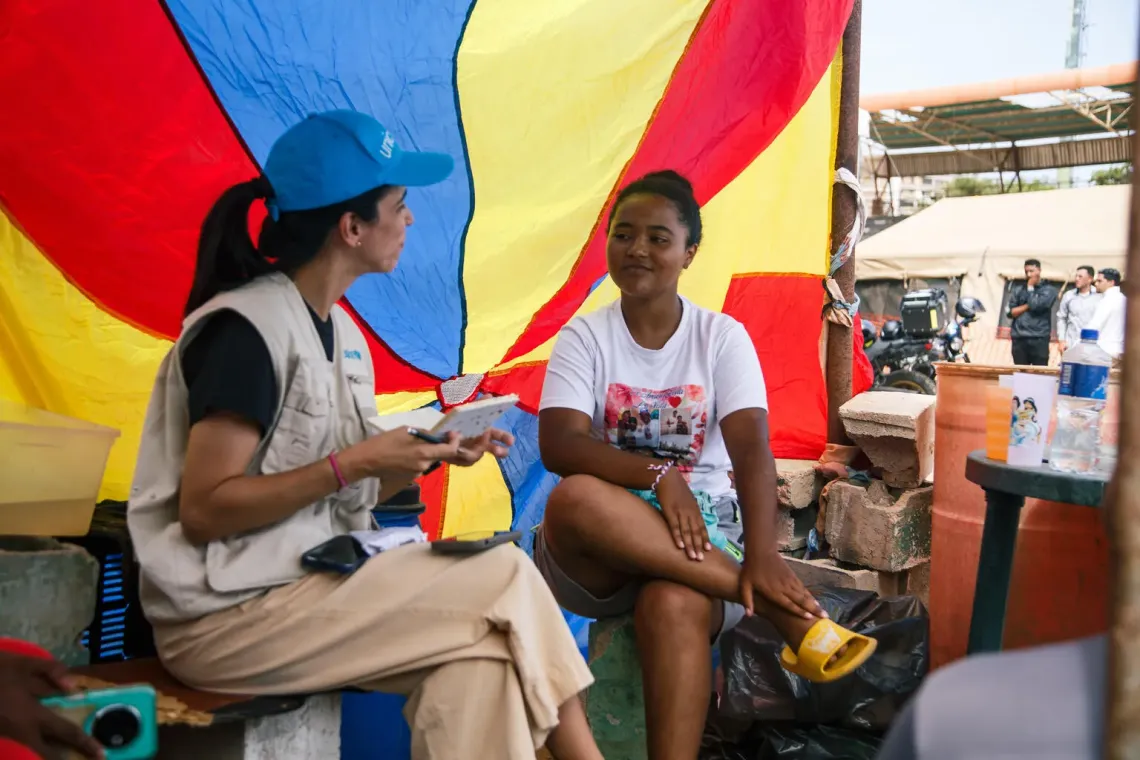

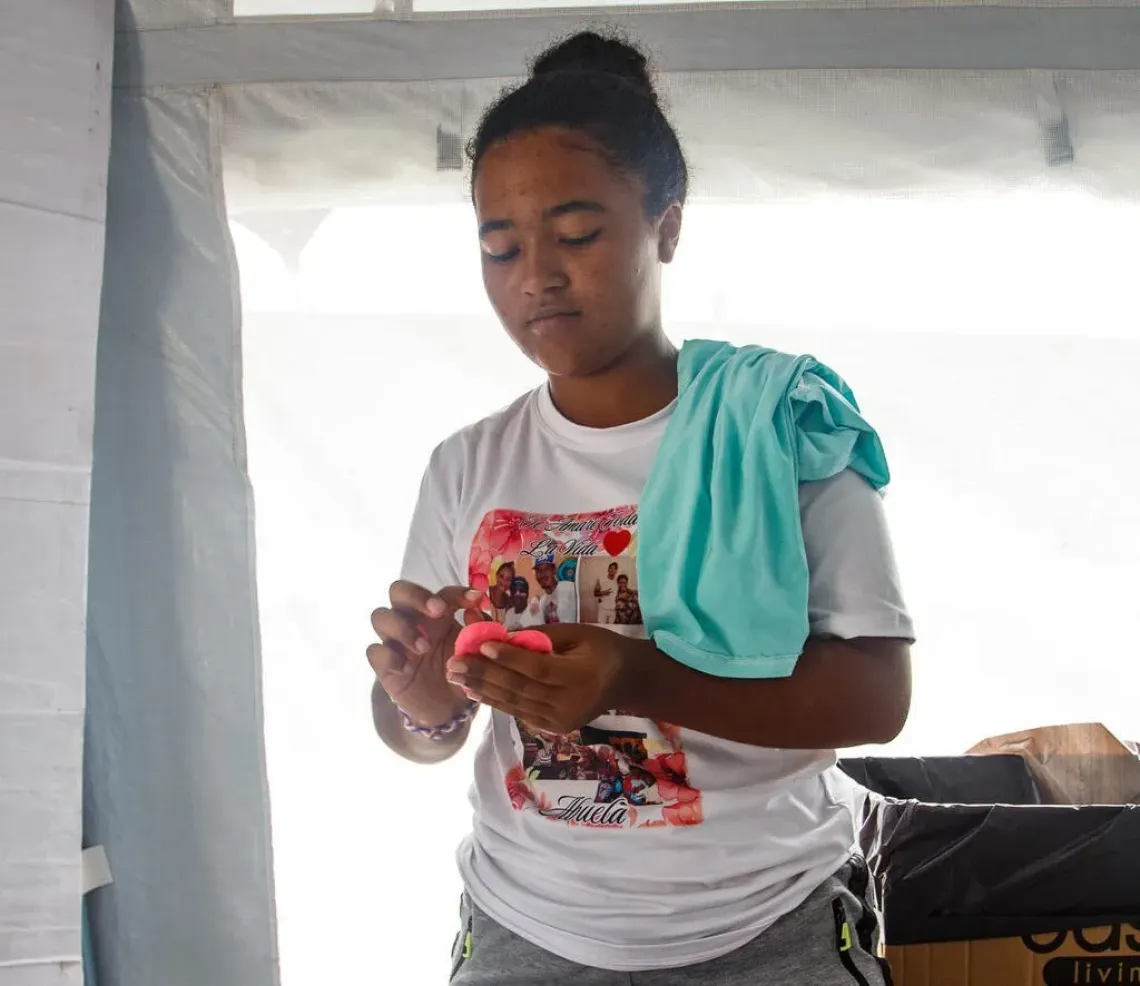

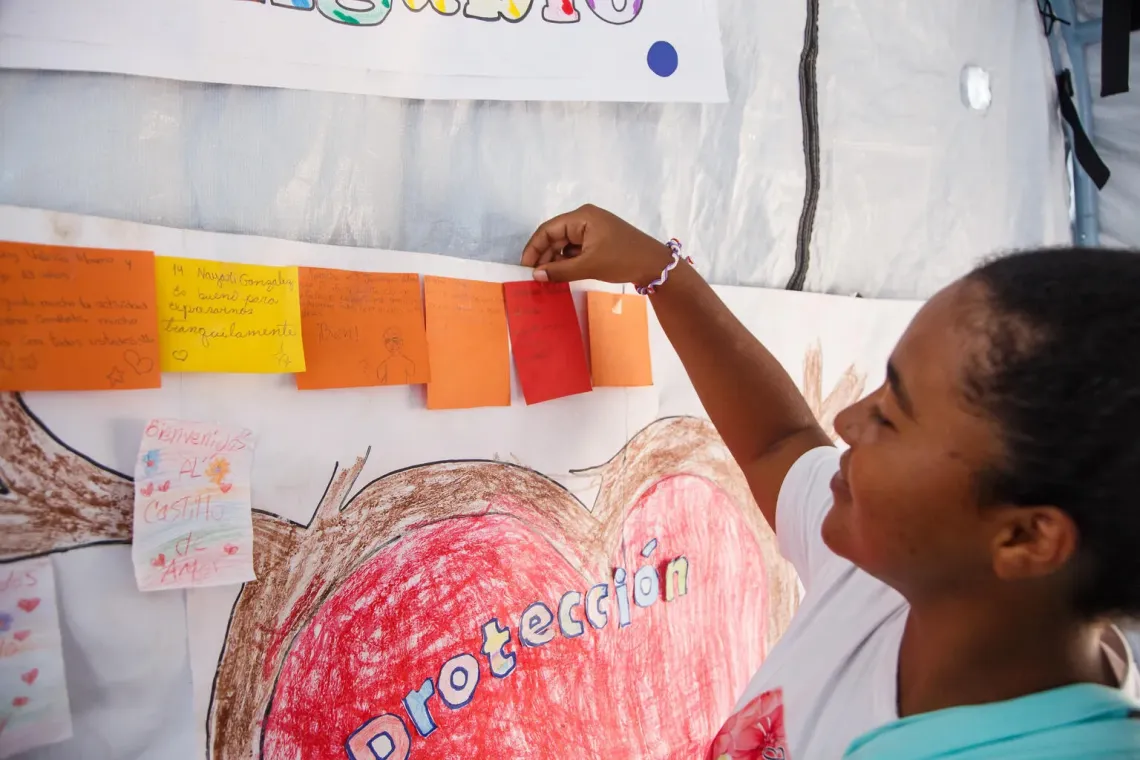
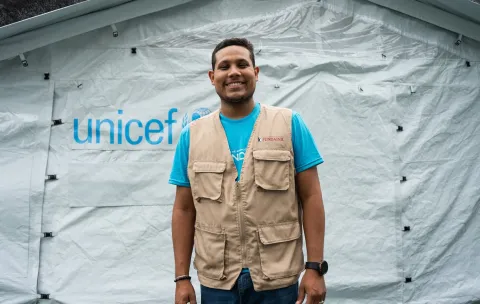
For UNICEF and its partners, providing psychosocial support is a key priority of the emergency response
During the days following the twin earthquakes, three Child-Friendly Spaces were established in La Guaira, Venezuela, at José María Vargas Sports Complex, César Nieves Stadium, and Playa Grande to reach hundreds of affected children and adolescents.
UNICEF is also scaling up child protection interventions to ensure that children and adolescents affected by the emergency have access to safe environments, protection information, and specialized services whenever needed. As part of the response, violence prevention and response efforts are also being strengthened, with a particular focus on adolescent girls and women.