Zero Deaths, One Mission: Protecting Every Child in Issyk-Kul
How Issyk-Kul region achieved zero measles deaths in 2025 through vaccination, partnership, and public trust
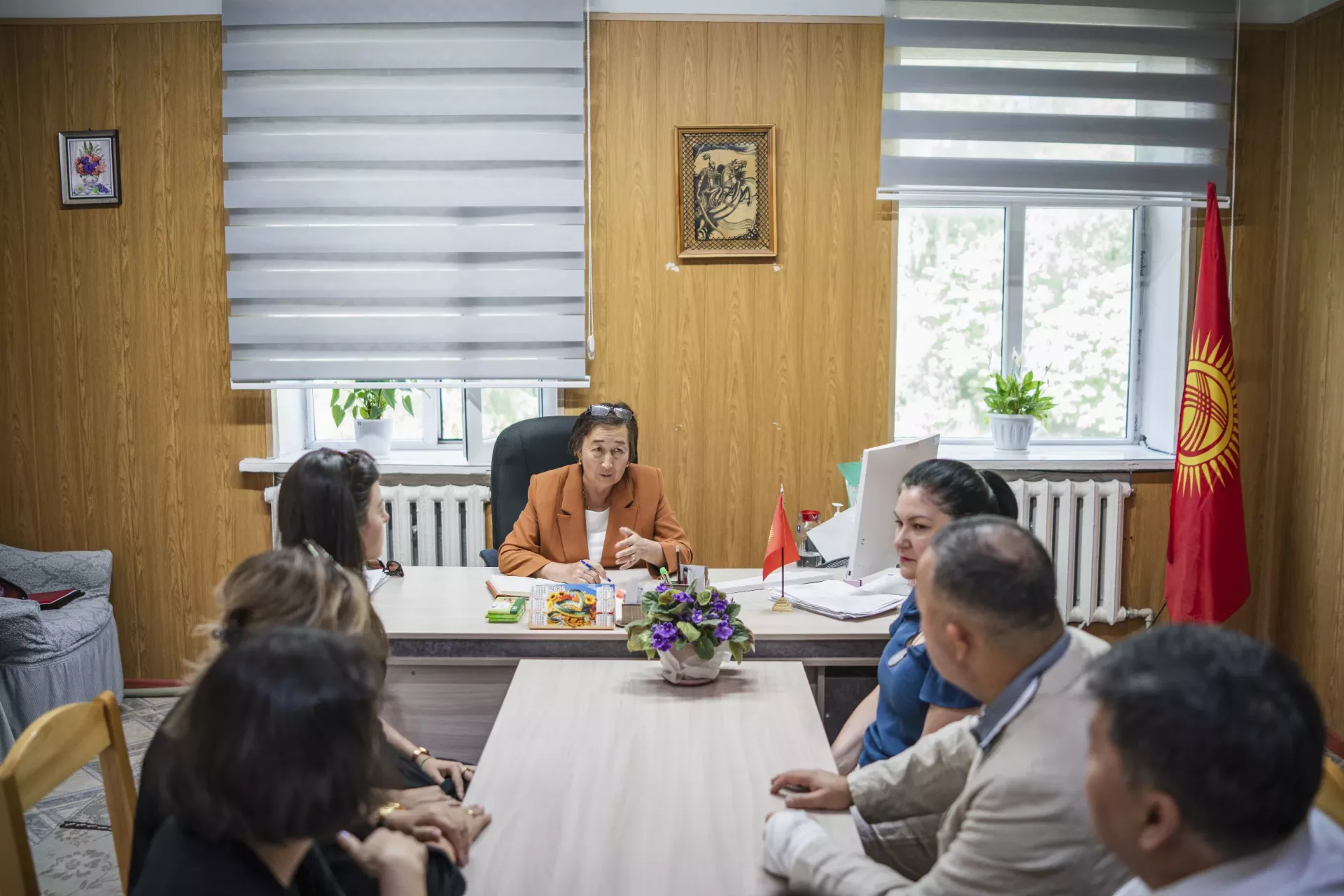
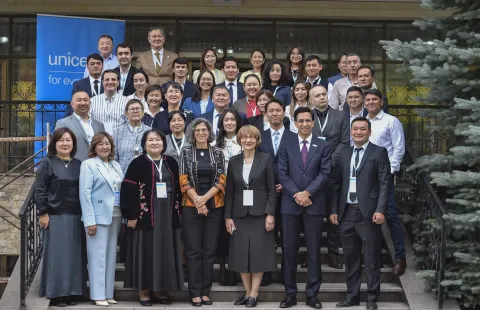
As part of the Joint Appraisal to review the progress of Gavi, the Vaccine Alliance grants in the Kyrgyz Republic—a key moment to reflect on achievements and plan the way forward—a Gavi delegation visited Issyk-Kul region alongside the Republican Center for Immunoprophylaxis (RCI) and UNICEF Kyrgyzstan.
The delegation witnessed firsthand why Issyk-Kul region has the lowest measles outbreak rates in the country.
Gulushkan Taylakova, Head of the Issyk-Kul Regional Center for Infectious Disease Control and Sanitary Surveillance, and Lilia Bekturova, the Regional Immunologist, shared striking data: measles incidence in Issyk-Kul is nearly six times lower than the republican data, accounting for just 1.3% of national cases, despite the region representing about 7.5% of the population. Notably, there have been zero measles-related deaths in the region in 2025.
While it might seem that low population density plays a role, Issyk-Kul is actually one of the busiest regions in Kyrgyzstan, especially during the summer tourist season hosting over 2 million visitors every summer, with Karakol attracting tourists year-round thanks to its ski resorts. According to health officials, most measles cases in the region in 2025 were linked to visitors, which makes outbreak control even more complex. Yet the region has consistently maintained high vaccination coverage.
The low infection rate is a result of many interconnected factors: strong community outreach, diligent contact tracing, rapid outbreak response, dedicated healthcare workers, and, crucially, technical and logistical support provided to RCI by UNICEF, made possible through GAVI funding.
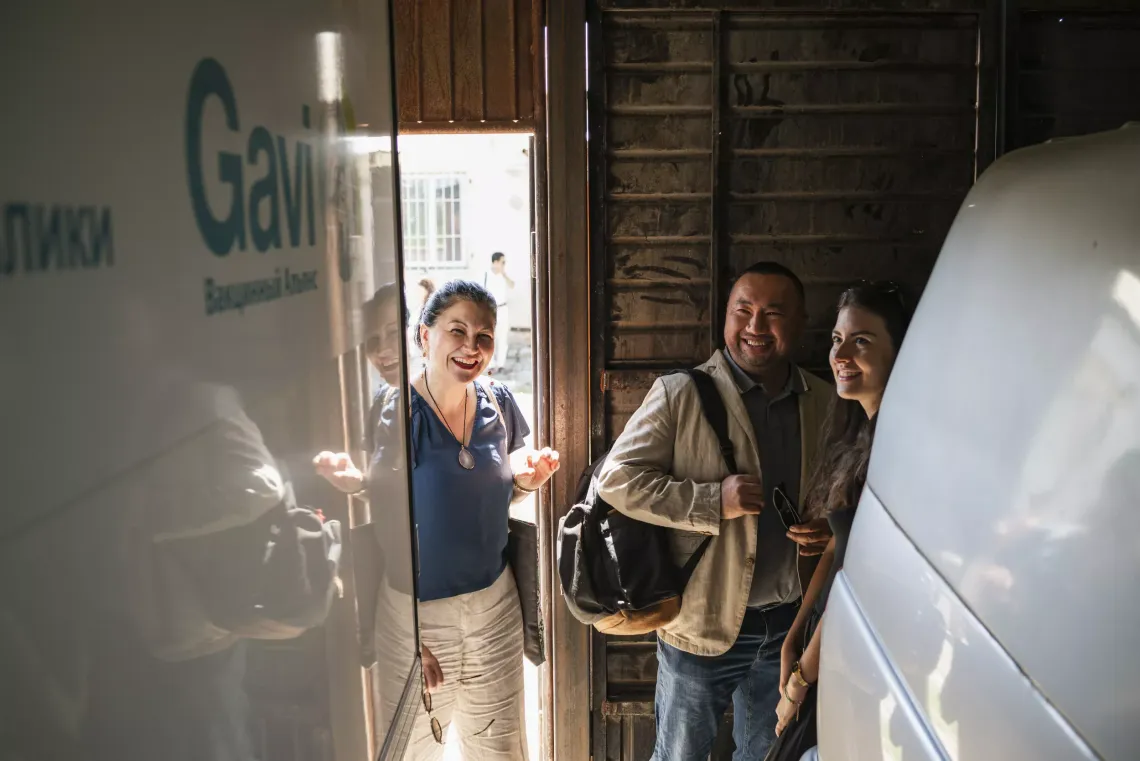
Over the past few years, thanks to Gavi and UNICEF, Issyk-Kul has received vital resources: vaccines, computers, equipment for strengthening of cold chain such as 1 refrigerated truck, 1 remote temperature monitoring systems, 1 cold room (30 cubic meters), more than 200 cold chain equipment for vaccination points and 1 pick-up vehicle for transportation of vaccines, etc.
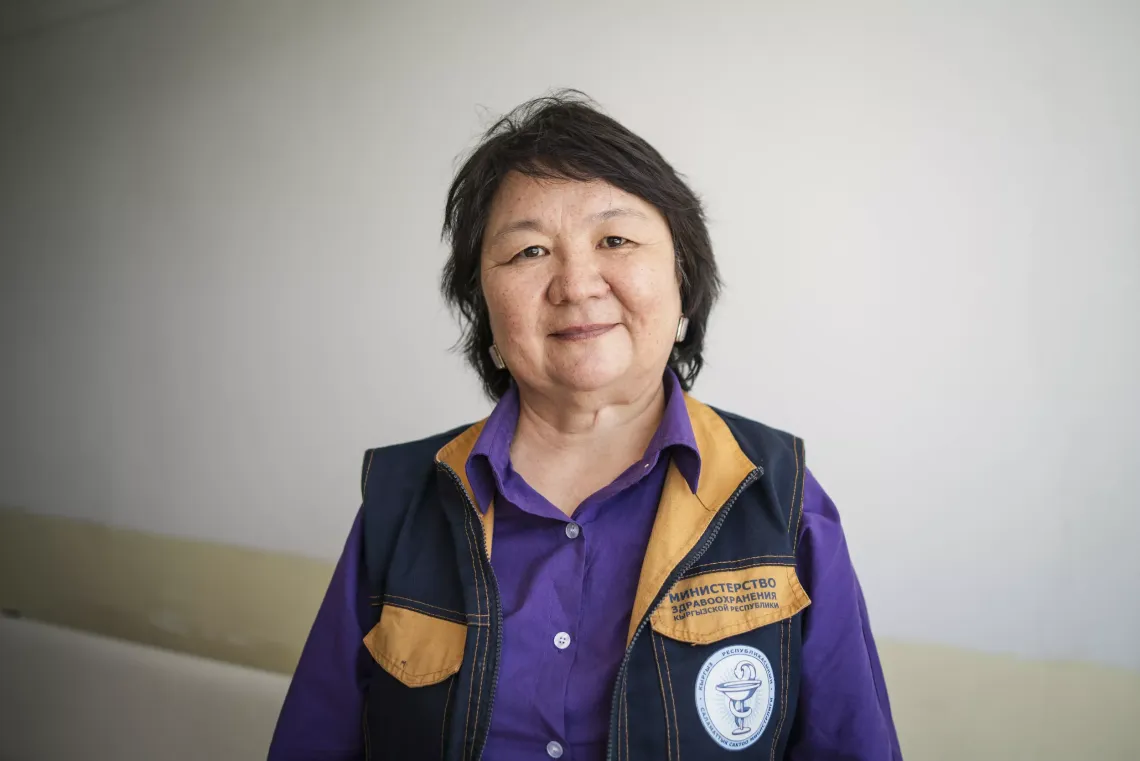
“We used to have no space to store vaccines,” says immunologist Lilia Bekturova. “We couldn’t stock up, and supplies had to be rushed out to rayons on the day of the vaccine arrival, as proper storage conditions weren’t available. Now, with the extension of the cold chain, our stock management has improved. And with gaining vehicle, we can deliver vaccines ourselves, specially equipped to keep them. It’s not just easier—it also gives dignity to our work and builds trust in vaccines.”
Health workers have also noticed that arriving in a dedicated vehicle with visible cold chain equipment helps reassure parents about the quality and safety of the vaccines, reinforcing public confidence in immunization efforts.
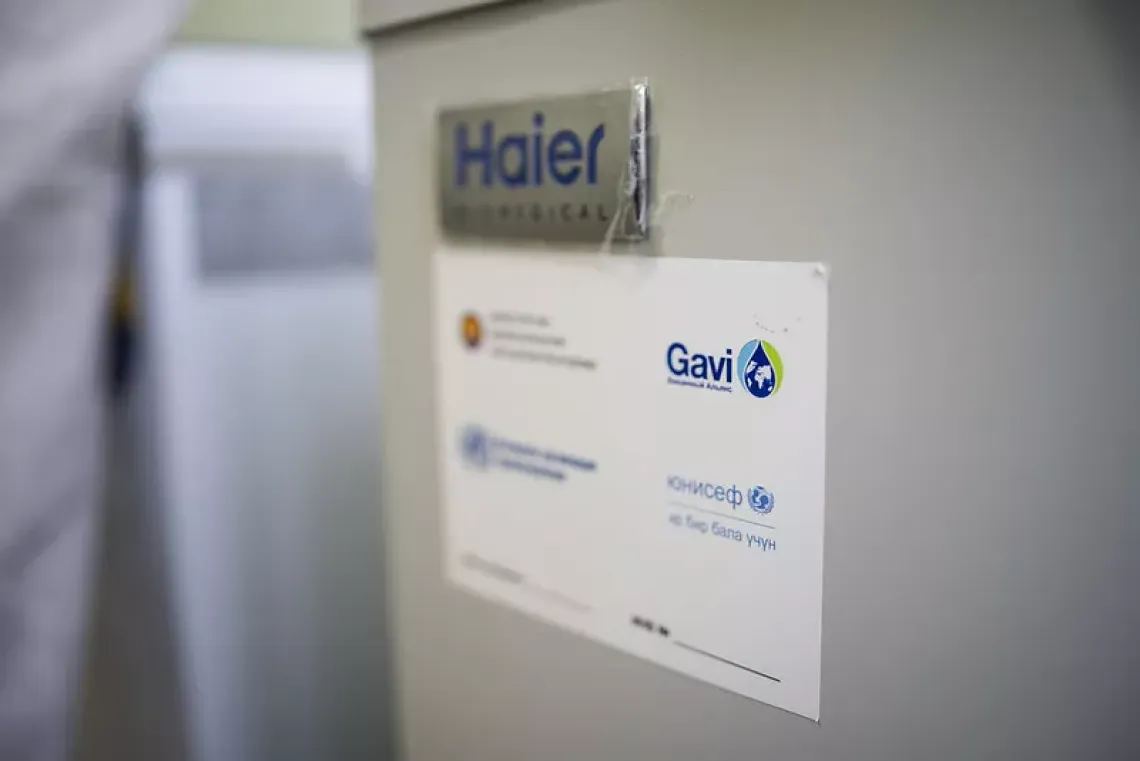
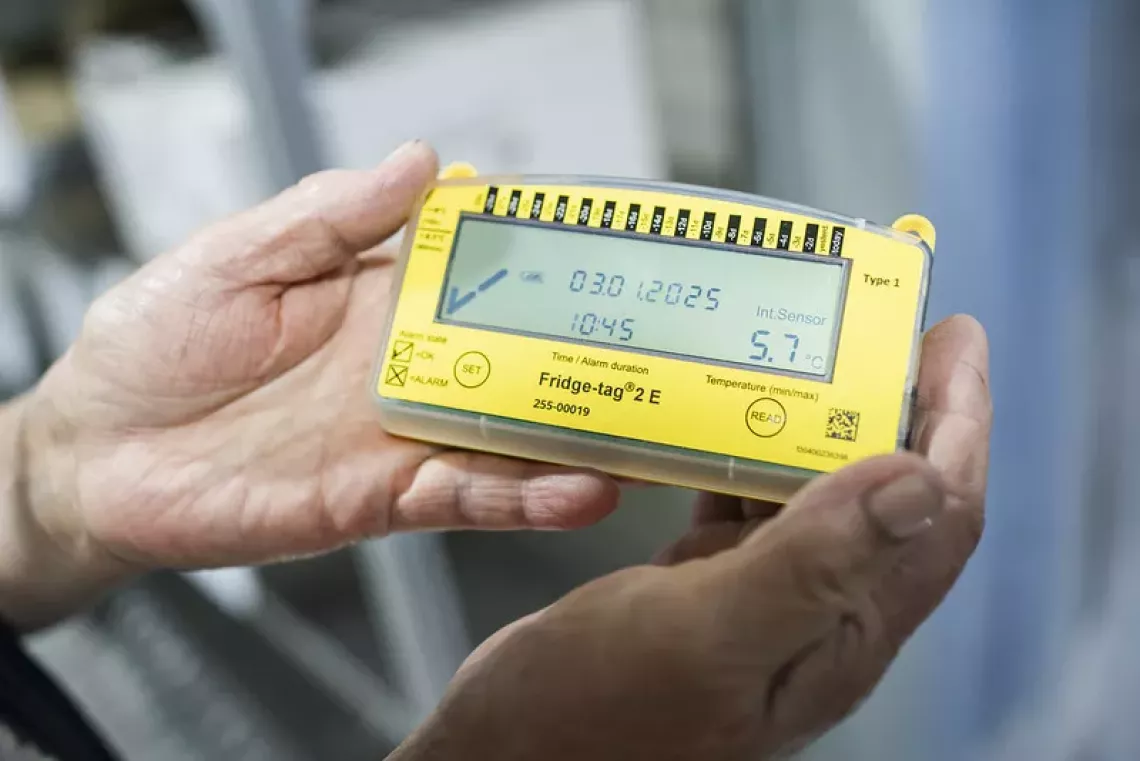
The next stop on the delegation’s visit was the newly equipped cold room with fridges — a 30-cubic-meter facility that stores over 60,000 vaccine doses. The room is fitted with FridgeTag temperature sensors, which log and transmit temperature data over 60 days. “Health workers no longer have to check the temperature manually,” staff shared. “Even if the electricity goes out, the chamber stays stable for several days—protecting vaccine integrity.”. Remote temperature monitoring device allows to check cold chain regime remotely at home after working hours and during weekends.
Beyond infrastructure, UNICEF is addressing vaccine hesitancy using behavioral science and community engagement. In Issyk-Kul, local imams have been trained to promote pro-vaccination messages—reaching families through mosques and community gatherings. This multi-level approach ensures everyone is part of the solution.
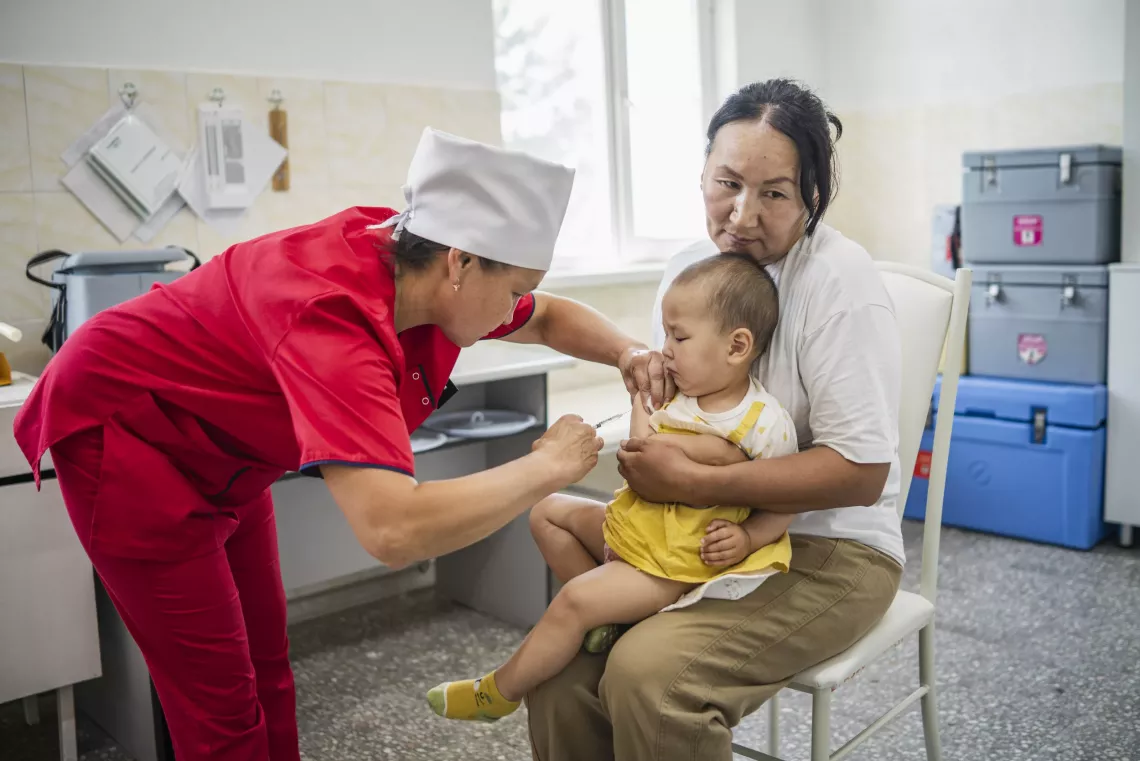
At the Issyk-Kul Regional Family Medicine Center, we met Danagul and her one-year-old daughter Fatima, there for their routine MR (measles-rubella) vaccination.
In Karakol, Gulzhan, a mother of two, shared her experience. Her 9-year-old daughter Janetta has received all scheduled vaccines. Her younger daughter Kanykei, now 11 months old, is next in line for her MR shot.
“When I gave birth to Kanykei, there was a measles outbreak in the hospital,” Gulzhan said.
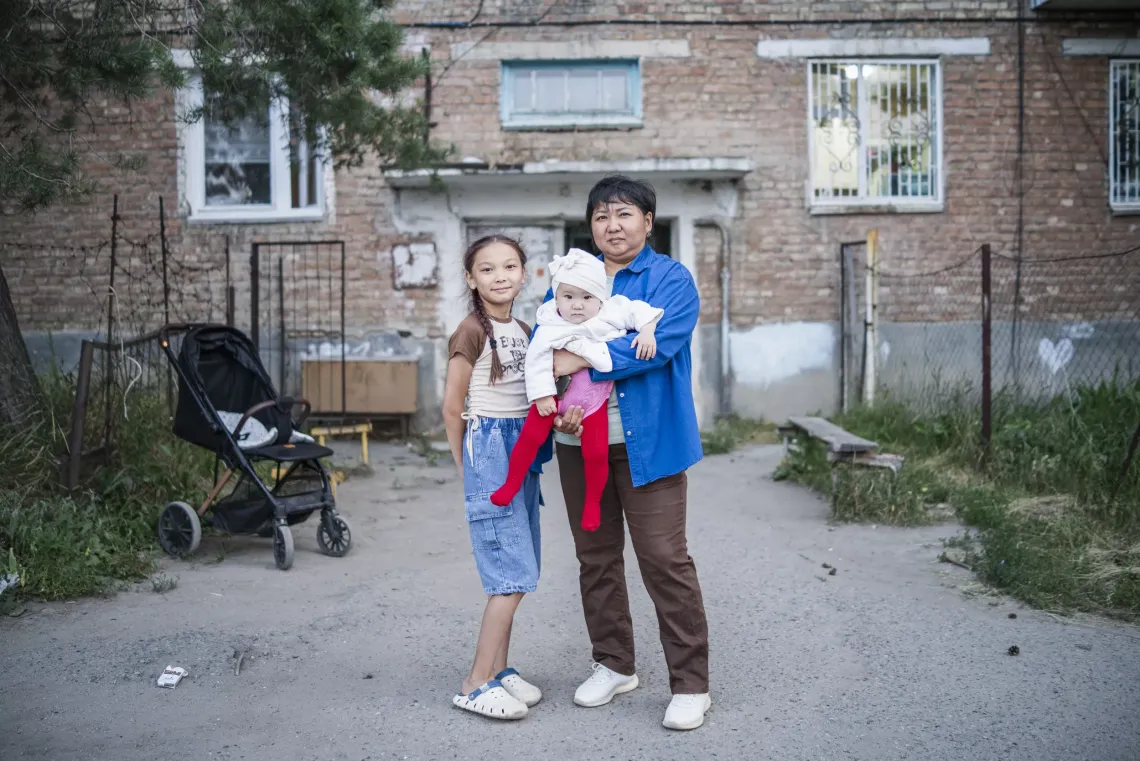
“My baby was fine, but because we were considered exposed, we had to stay under observation for 21 days. It was terrifying. That experience only strengthened my trust in vaccines, and now I can’t wait to get her vaccinated from MR.”
Children like Fatima and Kanykei are the reason RCI, local authorities, UNICEF, and Gavi are working tirelessly—to ensure that every vaccine is funded, delivered safely, properly stored, and administered by trained professionals.
They are the reason behind every decision, every partnership, every investment. Because no child should suffer from a preventable disease. Together, we can protect every child.
UNICEF jointly with the Republican Center for Immunoprophylaxis (RCI) under the Ministry of Health of Kyrgyzstan, are implementing an initiative to strengthen immunization systems and promote equitable access to vaccines, with financial support from GAVI, the Vaccine Alliance.