What to know about HPV vaccination
Answers to the most common questions about HPV and the HPV vaccine
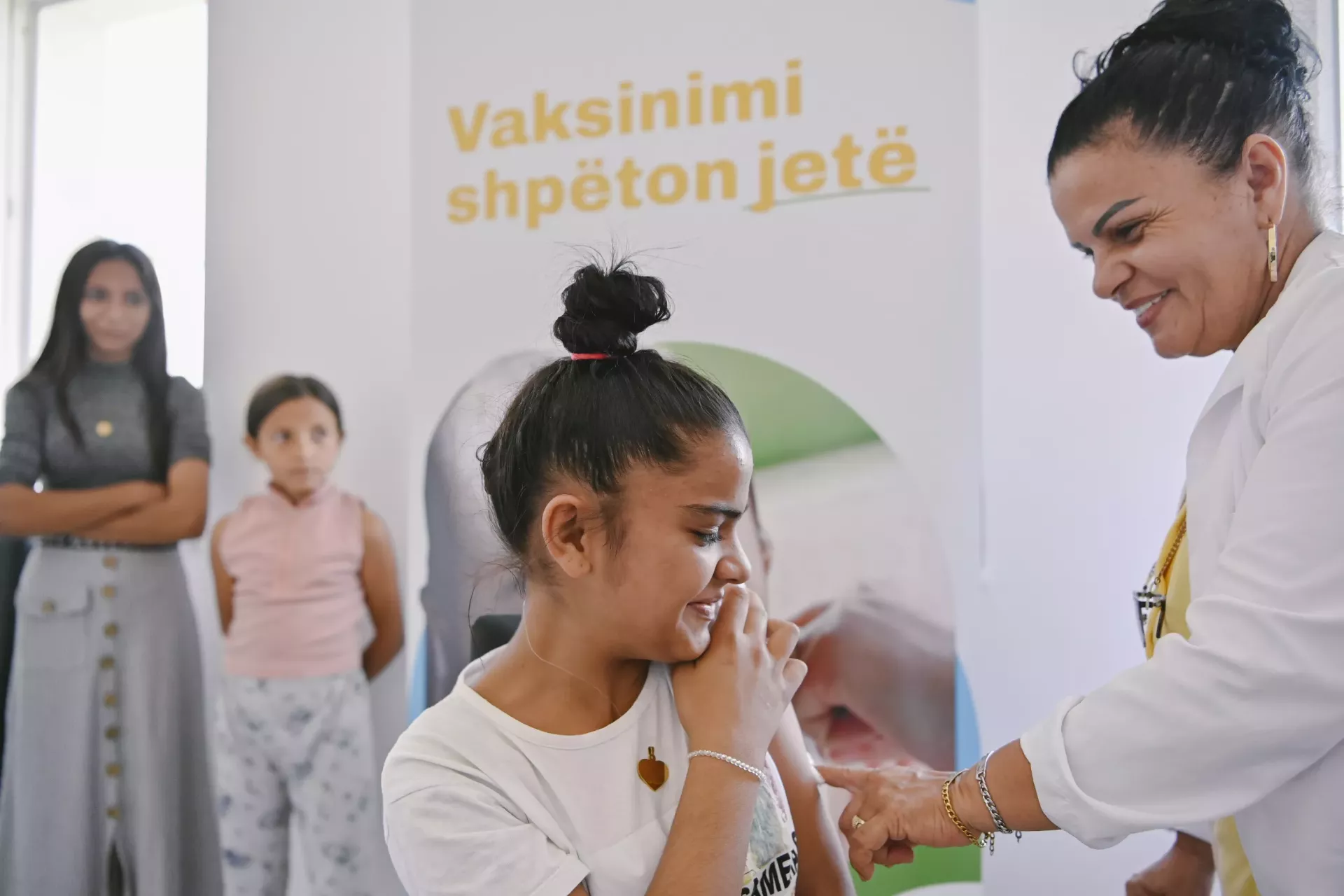
The HPV vaccine protects against cancers and genital warts caused by the human papillomavirus, more commonly known as HPV.
It is recommended for children as young as 9-years-old and up to 26 years of age. Both boys and girls can be infected with HPV, so it’s very important to talk to your doctor about getting yourself protected.
UNICEF answers your questions about HPV and the HPV vaccine.
What is HPV?
HPV stands for Human Papillomavirus. There are more than 200 kinds of HPV. Some of them are very dangerous and can cause serious health problems, including cancers. Cervical cancer is the most common type of cancer caused by the HPV infection, but it can also cause anal cancer, genital cancers and cancers of the head and neck.
HPV is the most common sexually transmitted infection (STI) in the world, and that's why it's so important to have the HPV vaccine at a young age, and before your sex life begins. About 80 per cent of women and men will be infected with HPV at least once during their lifetime, especially if they are not vaccinated with the HPV vaccine.
Most people with HPV do not have any symptoms and do not know they have the infection. Some people only find out that they have HPV when they get genital warts. Women may find out they have HPV when they get an abnormal Pap-test result.
Fortunately, HPV infection (and the cancers it causes) can be prevented by the HPV vaccine.
How does HPV spread?
HPV spreads from someone who has the virus through direct contact with the skin or body fluids. An infected person can transmit HPV to someone else, even when they have no symptoms themselves.
HPV is mostly transmitted through sex, with about 30 types of HPV that can be passed on through sexual activity. This can happen during any intimate contact, such as vaginal, oral or anal sexual intercourse or through skin-to-skin contact, even without any sexual intercourse.
As HPV is a common sexually transmitted infection – and can even be passed on to someone who has had only had one sexual partner.
While condoms can reduce the risk of HPV transmission, they cannot provide complete protection because the virus can affect areas not covered by the condom. That’s why the HPV vaccine is the safest and most effective way to prevent HPV and protect yourself from cancer.
How common is HPV infection?
HPV infection is the most common sexually transmitted infections worldwide. Estimates suggest that 80 per cent of men and women will be infected with one or more sexually transmitted types of HPV at some time in their lives, particularly if they have not been vaccinated. The highest rates of HPV infection are found in sexually active men and women under 25.
The HPV vaccine is the best way to prevent HPV infection and the types of cancers that are linked to it.
What is the HPV vaccine?
The HPV vaccine protects against the human papillomavirus (HPV). It is a quadrivalent vaccine, targeting four types of HPV. After injection, a reaction begins where the body creates antibodies to help the immune system fight an HPV infection. These vaccines contain virus-like particles created from the protein shell of each HPV type found within the vaccine. This process uses recombinant DNA technology.
Protection from the vaccine that lasts for more than 18 years. Researchers have been monitoring individuals who received either the bivalent or quadrivalent vaccine, and there is no indication that protection diminishes over time.
It was first introduced in 2006. These vaccines represent a significant advancement in preventing HPV infections, demonstrating their established track record in protecting against the types of HPV most commonly associated with cervical cancer.
The vaccine can prevent more than 90% of the cancers associated with HPV.
Who should get the HPV vaccine?
The HPV vaccine is recommended for people ages 9 to 26. In Kosovo, the HPV vaccine entered the regular vaccination calendar in 2023 and started is given to girls and boys aged 12 (through vaccination in the 6th grade in schools) as well as in vaccination centers in each municipality. If you have any questions about the HPV vaccine, please consult with healthcare professionals.
How is the HPV vaccine given?
The HPV vaccine is given as an injection into the upper arm or thigh. One or two doses of the vaccine are recommended (depending on your age and the requirements of your country). This ensures that you have the best possible protection against the HPV virus. All doses are given as injections.
Does the HPV vaccine cause infertility?
We understand that new vaccines can cause some uncertainties or anxieties, particularly around how the vaccine might impact your health. But the HPV vaccine is very safe and poses no risk to fertility.
The HPV vaccine can even help protect fertility by preventing pre-cancerous cervical lesions and gynecological issues related to the treatment of cervical cancer.
What are the possible side effects of the HPV vaccine?
The HPV vaccine is very safe. Millions of children around the world have received the vaccine.
Like any other vaccine or medicine, it can have side effects. Most of those who have the vaccine don’t experience side effects or the side effects are mild.
The most common side effects may include redness, swelling or pain at the injection site, which should go away in a couple of days. Others include a mild fever, bruising or itching at the site of the injection, nausea and pain in the arms, hands, fingers, legs or toes. Serious side effects, such as difficulty breathing, are extremely rare. Your healthcare provider will help provide information about what to look our for and how to treat mild side effect symptoms.
As for all vaccines, the benefits of the HPV vaccine far outweigh any of the potential risks.
Does HPV vaccine promote earlier sexual activity?
Research shows us the vaccine does not have any impact on the decisions people make about their sex lives. It does not encourage adolescents to start their sexual lives or take part in any risky sexual behaviour. Being vaccinated against HPV at the appropriate young age can offer protection against HPV infections.
Who should not have the HPV vaccine?
There are just a few exceptions for population groups who should not receive the HPV vaccine.
The HPV vaccine should not be given to any child or adult if they have had a severe allergic reaction such as anaphylaxis (e.g. difficulty breathing, rapid heart rate, nausea or vomiting, loss of consciousness), to a previous dose of the HPV vaccine, or if they are allergic to any of its ingredients, such as yeast.
As a precaution, HPV vaccination is not recommended during pregnancy because of a lack of evidence from formal studies on pregnant women. However, there is no evidence that the HPV vaccine has caused any harm at all when administered to pregnant women who did not know that they were pregnant when they were vaccinated.
Your healthcare provider should be able to discuss specific concerns you might have regarding getting the vaccine.