Reliable Vaccination Reaches Wadi Rum Through Solar Power
Keeping vaccines protected and available around the clock in the remote desert

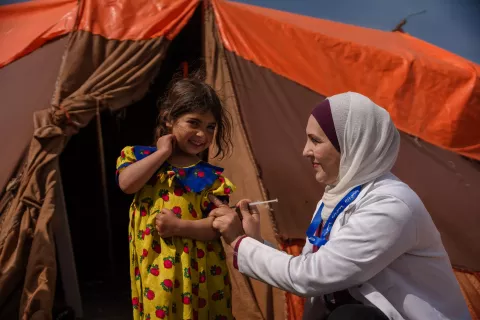
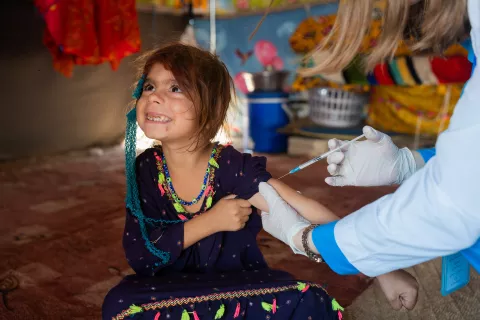
In the desert village of Wadi Rum, seven-year-old Mohammad sits bravely on a clinic bed as a nurse prepares his vaccine. He winces for a moment before smiling again. Besides him, his father Hussain watches proudly. “I believe that vaccines protect my children from serious diseases,” he says. “Now that they’re always available here, I don’t worry about long trips or missed appointments.”
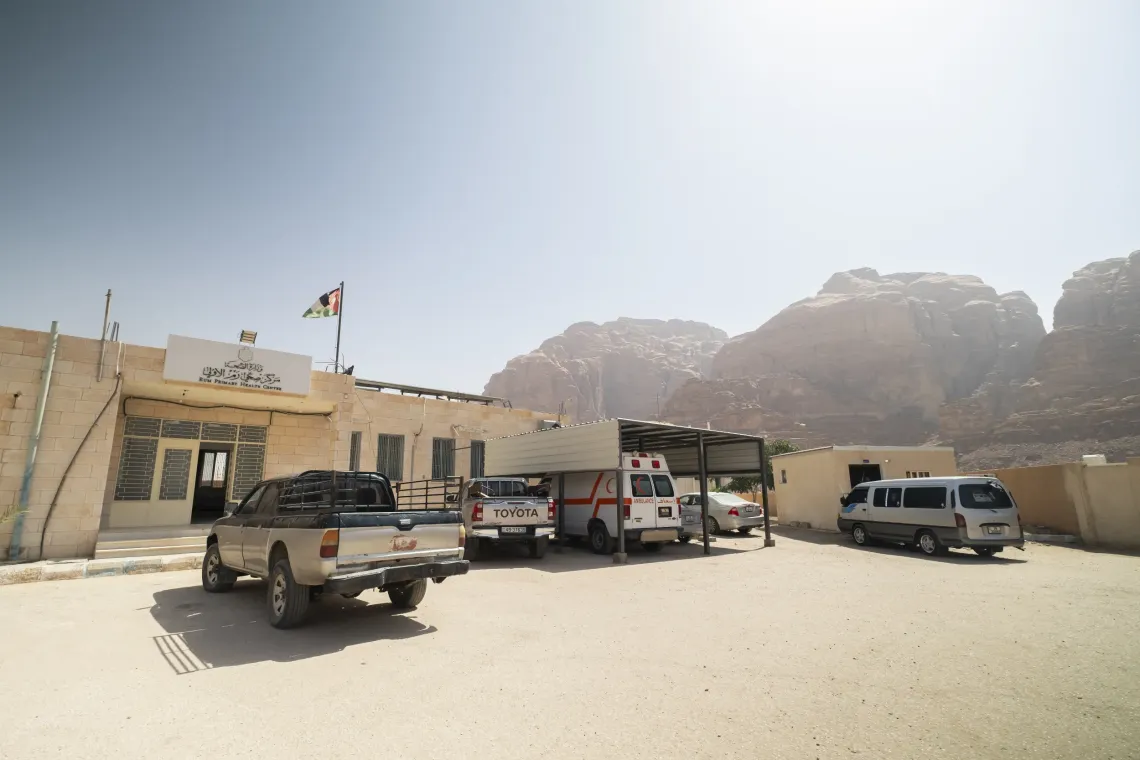
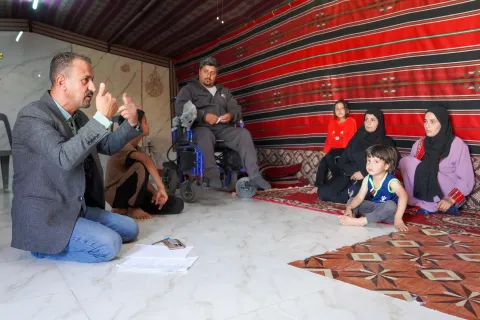
For years, that sense of reassurance was far from guaranteed. The Wadi Rum health clinic - the only healthcare facility serving about 500 people scattered across the vast desert, faced constant power cuts that made it impossible to keep vaccines cold enough for safe use. “We were constantly worried about spoilage,” recalls Dr. Osama, the clinic’s general practitioner. “Sometimes we had to send vaccines all the way back to Aqaba for storage, delaying immunization for children who needed it most.” Families often arrived at the clinic only to be told to return days later, after vaccines were restocked. For many parents, this meant hiring a car and traveling 70 kilometers across the desert only to make the same costly journey again the next day. It was a tough choice between protecting their children’s health and stretching already limited family resources.
A Solar-Powered Solution
Recognizing the urgent need, UNICEF with funding from Republic of Korea, equipped the clinic with a solar-powered refrigerator and a dedicated solar panel system, an off-grid solution that keeps vaccines stored safely at the right temperature even during extended power outages. “With the solar refrigerator, we can now store enough vaccines for a full week,” says Dr. Osama. “Every child who comes here can be vaccinated without delay.”

The change has been transformative. Vaccines are now available whenever families arrive, meaning no child is turned away or asked to wait. The clinic has stopped making the long, costly trips to Aqaba for restock, a journey that had cost and time implications not all families can afford. Parents, too, feel more confident bringing their children for routine vaccination, knowing the services will not be disrupted by power cuts. “Even when the lights go out at home,” Husain says, “the clinic keeps working.”

Lasting Change
This solar-powered system now keeps vaccines protected around the clock, strengthening essential health services in one of Jordan’s most remote areas.
The clinic has become a model for reaching every child with life-saving immunization — ensuring equitable access to vaccines, including against tuberculosis, measles, and polio.
This sustainable solution is made possible thanks to the support of Government of the Republic of Korea.