

The world they deserve: Making trade work for children
Understanding how international trade can best support children and families in the future
Globally, the role of trade in development is undergoing a critical reassessment. For much of the past three decades, trade was championed as a reliable engine of growth, with export-led strategies driving development success in numerous countries. Since the mid-2010s, however, this consensus has weakened. Rising discontent over the uneven benefits of globalization (exacerbated by the COVID-19 pandemic's disruption of supply chains) has fueled a turn toward protectionism and economic fragmentation. This shift warrants an examination of how trade can best support children and families in the future.
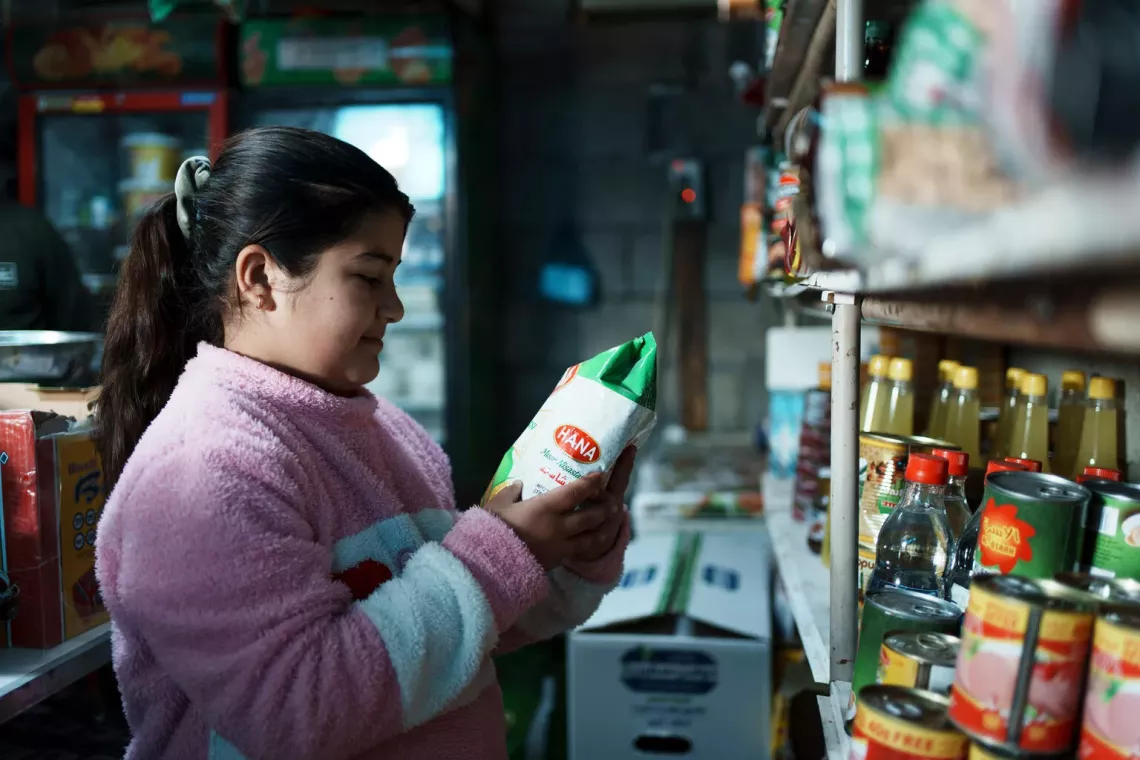
When managed effectively, trade openness remains the most promising path to improving child well-being. Yet the protectionist backlash also underscores the real harms of poorly managed liberalization. Building on recent Prospects for Children reports, we begin by examining the role of trade in expanding access to goods, services, and jobs, while recognizing its benefits are not automatic and that liberalization can have some drawbacks. We then explore how trade can become a force for good for children, stressing the importance of policies that promote equity and resilience. Our policy recommendations outline the roles that governments, global institutions, and child rights organizations can play to ensure trade supports better outcomes for all children.
The theory and practice of trade liberalization
The foundation of the global trade system lies in the principle of comparative advantage: the idea that countries prosper by specializing in what they produce most efficiently and trading for the rest. This concept, central to modern economics, is not just theoretical but deeply intuitive. In everyday life, families allocate tasks based on relative strengths; even if one person excels at everything, everyone benefits more when each person focuses on what they do best. When applied at scale, this principle allows nations to allocate resources more efficiently, raising productivity and generating higher global output.
Trade based on comparative advantage fosters global growth and reduces inequality between countries. by channeling capital toward high-return opportunities in lower-income nations, where it can fuel industrial expansion and development. This process, driven by diminishing returns on capital in closed economies, supports global convergence as countries gain from foreign investment, technology, and access to larger markets.
However, these same mechanisms can intensify domestic inequality. Trade benefits often accrue to regions well-integrated into export networks (those with strong infrastructure and human capital) while others fall behind. Workers in export-oriented sectors experience wage growth, whereas those in import-competing industries may face job losses. Global Value Chains have further widened income gaps between skilled and unskilled workers, enhancing global earnings for the skilled but deepening inequality within nations.
The predictions of comparative advantage theory were broadly confirmed during the liberalization wave of the 1990s and 2000s (see graph). Although outcomes varied by country, trade liberalization was associated with faster global growth and a measurable decline in income inequality between nations. At the same time, within-country inequality surged during this period (see graph), underscoring the uneven domestic distribution of trade benefits and setting the stage for growing political discontent.
This discontent has reshaped trade policy over the past decade. Rising domestic inequality sparked a backlash against liberalization, leading to a sharp increase in trade barriers since the 2010s. Global Trade Alert data shows that the share of global trade subject to tariffs rose by more than 30 percentage points between 2010 and 2024 (see graph). Major economies have embraced more interventionist trade strategies, citing national security, strategic competition, and the need to address the domestic costs of globalization. The COVID-19 pandemic and the war in Ukraine further intensified protectionist impulses, with food security and supply chain resilience becoming central justifications.
How Trade Impacts Children
As trade policy enters a period of reassessment, the implications for children deserve closer attention. As governments rethink how trade policy should be structured, the question is no longer simply how to maximize economic efficiency, but how to ensure that trade contributes meaningfully to inclusive development, particularly of the youngest populations.
Trade influences the prices of essential goods, shapes household income and employment, determines the availability of public services, and governs the pace at which life-saving innovations spread. Decades of evidence show that greater openness generally favors children’s health, learning, and future prospects, yet the same forces can entrench inequality, hurt social cohesion, and even unwind progress in some cases. Which outcome prevails hinges on the design of trade policy and the strength of accompanying social and economic policy measures.
The following sections examine four key pathways through which trade affects child well-being: the affordability and availability of essential goods, fiscal space for child-focused services, household income and employment, and innovation diffusion. Understanding these channels is essential to crafting trade policy that not only drives growth but also the investments in children that help narrow opportunity gaps over time.
Prices and availability of goods
One of the clearest ways trade impacts children is through its effect on the prices and availability of essential goods and services. These impacts are shaped by the trade policy environment, which governs how goods flow across borders and at what cost. Governments intervene in trade through a range of tools aimed at economic and distributional goals. These instruments fall broadly into two categories: Tariffs and non-tariff measures. Tariffs are taxes on imported goods, typically levied as a percentage of the CIF value (the total cost of a good including purchase price, insurance, and freight). Like a sales tax, tariffs increase the retail price of imported items, including critical goods such as food, medicine, clothing, and school supplies. Non-tariff measures (such as import and export bans, quotas, intellectual property (IP) protections, rules of origin, and sanitary or safety standards) are less visible but can also drive up prices when compliance costs are passed on to consumers.
Trade liberalization, which involves reducing or removing these barriers, tends to lower the cost of essential goods over time, which can in turn lead to measurable improvements in child well-being. One cross-country study found that a 10 per cent cut in dairy tariffs is linked to a 7.8 per cent drop in child stunting. Liberalization in health sectors has also improved access to life-saving medicines. By the late 2010s, more than 85 per cent of children worldwide were receiving basic vaccines like DTP3, supported in part by global immunization supply chains (although progress has since plateaued. On average, trade liberalization is associated with a 9 per cent reduction in child mortality within a decade in developing countries.
Conversely, rising trade barriers can increase prices and disrupt access to critical goods. During the 2022 food crisis linked to the war in Ukraine, over 30 countries placed export restrictions on staples like wheat and cooking oil(triggering shortages and price spikes. A similar pattern emerged during the COVID-19 pandemic, when supply chain disruptions inflated prices and forced families to reduce meals or pull children from school. UNICEF reported steep drops in both school attendance and meal frequency during these crises, underscoring how quickly children feel the effects of restricted trade.
This does not mean that all trade barriers are harmful to children. Well-designed and consistently enforced technical regulations and sanitary standards are essential for protecting children from dangerous products, such as lead-painted toys, counterfeit medicines, or contaminated infant formula. However, when these regulations are poorly implemented or taken too far, children’s health can be negatively affected.
Revenues and fiscal space for children
In addition to their effect on prices, trade policies influence fiscal space for children. Tariffs are often a major source of revenue in low-income countries, especially where domestic tax systems remain underdeveloped. For some Sub-Saharan African countries, import duties account for over 30 per cent per cent of total government income. Cutting tariffs without introducing alternative sources of revenue, such as more equitable domestic taxation, can result in immediate funding shortfalls. These shortfalls typically hit essential services first: under-resourced schools, strained health clinics, and weakened social protection systems.
However, trade restrictions that preserve short-term revenues may impede long-term growth and thereby future fiscal capacity. Openness to trade fuels productivity, investment, and innovation, all of which contribute to sustainable economic growth. Limiting trade to maintain tariff income may inadvertently slow that growth, ultimately shrinking the fiscal space needed for child-focused investments. A similar logic applies to subsidies: while they may help support vulnerable industries and sustain employment in the short run, they often absorb public funds that could otherwise be allocated to services that build children’s human capital (education, healthcare, and nutrition).
The evidence suggests that without a long-term strategy, protective trade measures can do more harm than good when it comes to revenue. Tariffs and subsidies may stabilize government revenues or household incomes in the short term, but unless they are part of a carefully crafted and executed strategy to guide key sectors toward comparative advantage, their benefits are often outweighed by their opportunity costs: slower growth, reduced investment in children, and persistent inefficiencies are the trade-offs.
Household incomes and livelihoods
Trade influences child well-being not only through prices, but also through household incomes. When trade liberalization expands opportunities in export-oriented sectors, it can create more stable employment, raise household earnings, and reduce reliance on child labor. These gains, in turn, support greater investment in children's health, education, and nutrition. The long-term data bears this out: between 1990 and 2010, extreme poverty in developing countries fell from 43 per cent to 19 per cent, a shift largely attributed to deeper integration into global markets. In Vietnam, for example, liberalizing rice exports significantly increased rural incomes and accounted for nearly half the decline in child labor during the 1990s.
And while protective trade policies can offer short-term relief for certain industries, they often come at a cost. Tariffs and non-tariff measures (such as import bans, quotas, subsidies, and restrictive standards) may help sustain wages and employment in sectors struggling to compete with low-cost imports. However, these measures rarely benefit all households equally. Protection in one part of the economy can jeopardize jobs in another, especially in industries reliant on export demand. Retaliatory actions from trading partners may further suppress employment and earnings, compounding household vulnerability. What appears to be a buffer can shift risk rather than resolve it, leaving families, and the children who depend on them, exposed in different ways.
Innovation and Access to Progress
The final channel through which trade affects children is innovation, and the speed at which its benefits reach them. Open markets, when paired with well-balanced intellectual property regimes, facilitate the global spread of life-saving technologies: vaccines, fortified foods, digital learning tools, and low-carbon solutions. This flow of knowledge and products has helped narrow longstanding disparities in child health and education between high- and low-income countries. But when intellectual property protections are overly rigid, these innovations often remain confined to wealthy markets, delaying their life-saving potential for children elsewhere. In an increasingly interconnected world, the ability to diffuse critical technologies quickly and equitably is essential to ensuring that all children benefit from progress.
A clear example of both the importance of trade in knowledge diffusion and the risks posed by excessive intellectual property protections is the case of TRIPS and the Doha Declaration. The TRIPS Agreement, by prioritizing patent rights, often led to higher prices for essential medicines, placing life-saving treatments out of reach for many low-income countries. In response, the Doha Declaration on TRIPS and Public Health (2001) reaffirmed countries’ rights to prioritize public health, emphasizing flexibilities such as compulsory licensing to improve access to affordable medicines. It also addressed barriers to exporting generic drugs to countries without manufacturing capacity, a critical step for equitable health access. Though implementation challenges remain, the Doha Declaration marked a turning point in global trade policy, recognizing that intellectual property rules must not stand in the way of protecting lives.
The Risks of Poorly Managed Liberalization
While trade liberalization brings many benefits, it is not without risks, especially when pursued outside of a comprehensive package of reforms that considers short and long term social and economic impacts. Greater openness can improve child well-being by expanding access to goods, services, and jobs. But in the absence of regulatory safeguards, it can also increase a country’s exposure to external shocks: price volatility, capital flight, sudden policy shifts in major trading partners, and supply chain disruptions. These shocks ripple quickly through households, disrupting food supply, limiting healthcare access, and undermining income security, with lasting consequences for children.
These patterns have played out repeatedly. During the 2007–2008 food price crisis, import-reliant countries saw costs soar, forcing poor families to skip meals and pull children from school. Rates of malnutrition and anemia rose, especially where safety nets were thin. UNICEF reported sharp drops in meal frequency and school attendance in affected regions. A decade later, the COVID-19 pandemic (and later the war in Ukraine) delivered similar shocks. As global trade and mobility collapsed, exporting countries lost income, many import-dependent countries saw spikes in the price of staple foods, and schools closed worldwide.
Liberalization can also deepen geographic and social inequalities, leaving some children behind. Trade benefits tend to concentrate in urban centers and export-oriented regions, where infrastructure and capital are already in place. In contrast, remote or import-competing areas may face job losses and economic stagnation. This uneven distribution translates into unequal access to education, healthcare, and economic opportunity. In India, for instance, districts more exposed to tariff cuts during the 1991 reforms experienced poverty reductions 15 percentage points slower than less-exposed districts, as local industries struggled to compete. The result is a form of economic sorting that can entrench disadvantage where children are born and raised.
Beyond inequality, trade openness may heighten health and environmental risks if not properly managed by governments. A growing body of evidence links trade liberalization with increased availability of unhealthy products (processed foods, alcohol, and tobacco) especially in lower-income markets. In Mexico, childhood obesity rose sharply following NAFTA, driven by an influx of ultra-processed, sugary foods. Meanwhile, the environmental costs of trade are mounting. An estimated 20–30 per cent per cent of global CO₂ emissions are tied to traded goods, with children disproportionately affected due to their developing physiology and higher exposure per body weight. As trade flows shift increasingly among emerging economies, pollution burdens are being exported to countries with weaker environmental safeguards.
Making Trade Work for Children
Framing trade policy as a choice between free trade and protectionism misses the point. What matters for children is not ideology, but design: how trade instruments shape prices, job opportunities, safety standards, and access to innovation, and whether complementary policies are in place to distribute gains and mitigate risks. Trade tools are not inherently good or bad; their outcomes depend on how (and for whom) they are used. When guided by child-centered priorities, trade can become a lever for opportunity rather than exclusion.
Several principles should guide governments in aligning trade with child development goals:
- First, ensure trade liberalization measures are complemented by tax reforms, in order to protect fiscal space for child-focused services. Trade liberalization processes that are “revenue neutral” (increase domestic taxes to cover the shortfall of tariffs) have been found to be welfare enhancing.
- Second, build and enforce strong regulatory frameworks. Product safety rules, food standards, and pollution controls are not barriers to trade, they are enablers of healthy development. International cooperation can help harmonize these standards and strengthen enforcement in lower-capacity states. Sanitary and safety regulations must be based on health and rights (not misused as vehicles for patronage or protectionism). The challenge lies in striking a balance between protection and affordability of essential goods.
- Third, invest deliberately in marginalized communities. Infrastructure, education, and skills training are critical to connecting left-behind regions with new economic opportunities. Without this, trade liberalization risks deepening inequality and reinforcing the disadvantages children inherit by geography.
- Fourth, ensure universal access to social protection. Liberalization creates winners and losers. That makes it imperative to have well-designed social protection and fiscal equalization systems that account for local disparities. These systems must help affected communities transition into emerging sectors or cultivate new centers of comparative advantage aligned with their unique strengths. Cash transfers, school meals, and health insurance must be in place to cushion families during periods of transition. For example, in Mexico, the ‘Oportunidades/Progresa’ program helped offset the negative impact of the Free Trade Agreement with the US.
- Industrial policy has a role to play, but only when deployed strategically. Targeted support can help bridge the gap between economic dislocation and new opportunity, but it must be time-bound, transparent, and grounded in a credible pathway to long-term competitiveness. Without a clear strategy, industrial policy risks becoming a sinkhole for public funds, draining resources from the schools, clinics, and safety nets that children rely on most.
But domestic efforts alone are not enough. The international community is essential to uphold principles of open, fair, and cooperative trade. This means pushing back against harmful protectionism that restricts access to essential goods and disproportionately affects the most vulnerable. It also means calling for a trade system rooted in solidarity, one that promotes mutual gains, protects smaller economies from exploitation, and recognizes that global prosperity begins with investments in the next generation.
The international community must take responsibility for ensuring that the gains from trade are shared fairly. This means offering meaningful assurances to developing countries, for example through long-term access to open markets, and through co-investments in infrastructure and skills that reinforce comparative advantage in less industrialized economies. It could also mean supporting international policy proposals like a Global Financing Mechanism for Social Protection, in recognition that developing countries cannot afford to remain isolated from the global economy, but may not be able to muster the resources to protect vulnerable populations in the transition.
Child rights organizations, such as UNICEF, have a vital role in ensuring that trade policy delivers for children. By engaging with governments during trade liberalization processes, they can help align trade reforms with the needs of children, maximizing benefits while minimizing harm. This is particularly critical considering the fiscal consequences of liberalization, which can threaten the investments in health, education, and protection that are essential for children to fully benefit from trade over the long term and avoid exploitation.