

What works to prevent female genital mutilation?
What the evidence tells us
The latest UNICEF data assessing progress on female genital mutilation (FGM) exposes a stark reality – over 230 million women and girls worldwide have been subjected to FGM, with the highest prevalence in Africa, followed by Asia and the Middle East.1 FGM is internationally recognized as a violation of fundamental human rights, including the right to health, life, physical and mental integrity and freedom from violence.2
While strides have been made in collective action towards combatting FGM, the global pace of progress must be accelerated to meet the UN Sustainable Development Goal of eliminating the practice by 2030 (SDG Target 5.3). To build on this momentum, evidence-based prevention and response strategies must guide policies and programmes.
The evolving evidence base on FGM provides more insight than ever into strategies that are effective or show promise in addressing FGM. Translating this knowledge into action is essential for ending FGM.3

What does the evidence suggest?
- Community mobilization and awareness including engaging religious and community leaders fosters collective reflection and challenges deeply ingrained norms that sustain FGM. Community dialogues and education raise awareness about the risks of FGM, help mobilize communities to question traditional beliefs, shift attitudes, and thereby contribute to changing behaviours. Programmes integrating human rights education reinforce this process. Well-designed media interventions that actively engage communities to reshape perceptions and drive social change have been found to facilitate active community engagement and social change to promote the abandonment of the practice amongst communities.
- Advancing girls’ education and recognising their agency both play a crucial role in addressing FGM across generations. Evidence shows that girls whose mothers have a primary education are 40 per cent less likely to undergo FGM compared to those whose mothers have no education4. Education exposes individuals to new ideas, perspectives and social networks that can challenge traditional beliefs and justifications for the practice. School-based programmes on life skills and reproductive health and rights can equip girls with the knowledge and confidence to make informed choices about their bodies. Additionally, education fosters greater economic independence, reducing reliance on harmful traditional practices that are often tied to marriageability and financial security.
- Training healthcare providers to enhance their knowledge and skills in managing FGM-related complications is essential. Strengthening their capacity to assess and manage FGM cases enables them to become effective advocates for its elimination. Moreover, providing medical care and psychological support to girls who have been harmed and traumatized by FGM is a crucial component of the response strategy.
Note: For more information on the effectiveness of interventions to address FGM, see Siddiqi, M. & Subrahmanian, R. (2025), “Accelerating action towards FGM elimination: Lessons from evidence on effective interventions,” published by UNICEF Innocenti – Global Office of Research and Foresight and the UNFPA-UNICEF Joint Programme on the Elimination of Female Genital Mutilation: Delivering the Global Promise.

Recommendations for policy and practice

"To eliminate female genital mutilation (FGM), we must take a multi-sectoral approach that includes the involvement of our traditional and religious leaders, scaling proven solutions that drive lasting impact. To keep the well-being of girls and women at the center of our efforts, we must accelerate investments in education, health and community engagement, reinforced by stiffer laws and policies that prohibit FGM. The future of our nation rests on the well-being of our daughters. Let us create a better tomorrow, so no girl or woman in Nigeria is subjected to female genital mutilation ever again."
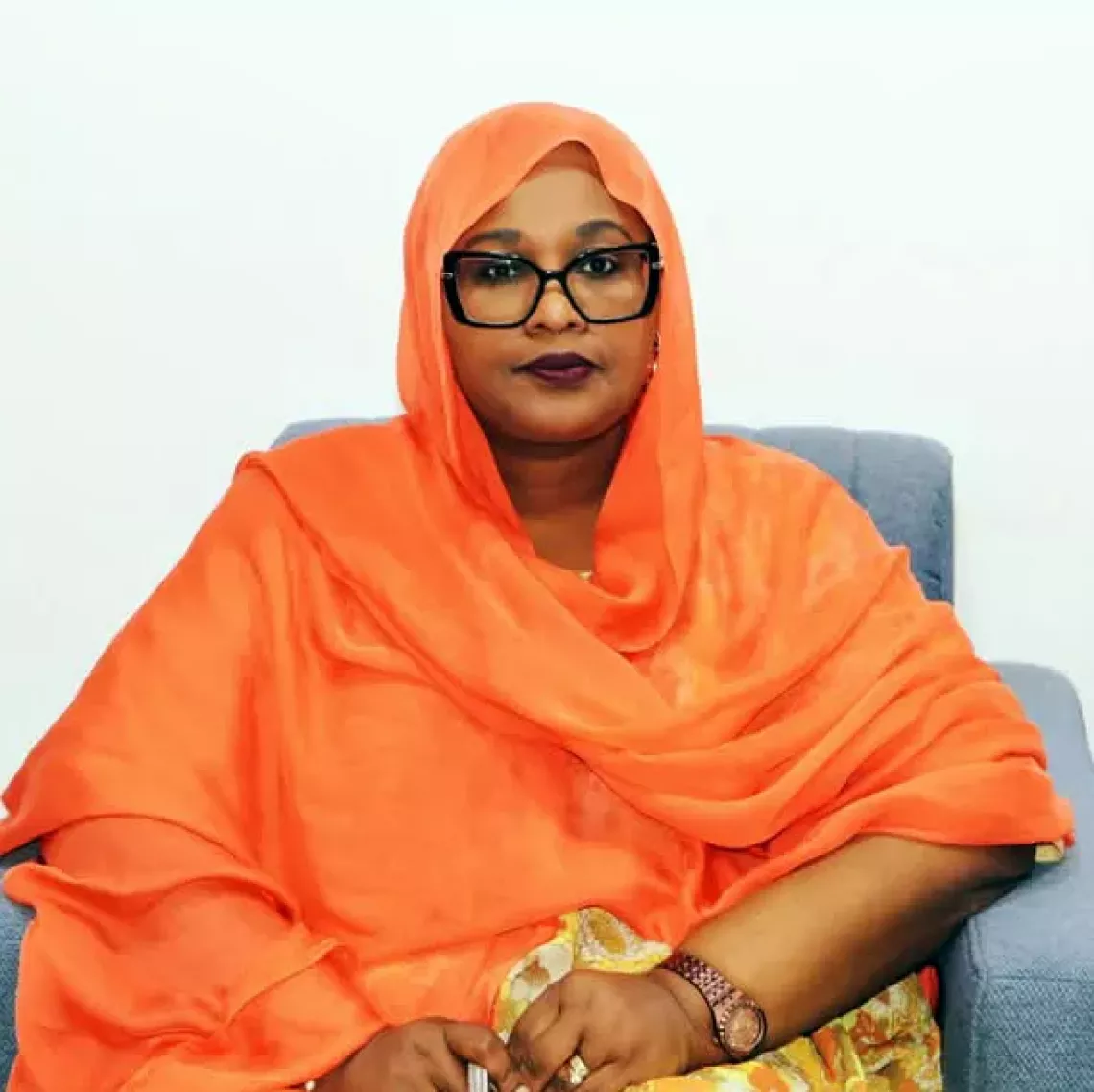
"The elimination of female genital mutilation is one of the major political priorities in Djibouti. The government has undertaken a coordinated approach by involving communities and deploying significant resources through large-scale political advocacy programmes and capacity development initiatives. Undertaking a multi-sectoral approach rooted in human rights and gender equality is critical to preventing FGM, and Djibouti is committed to working towards the elimination of this harmful practice."
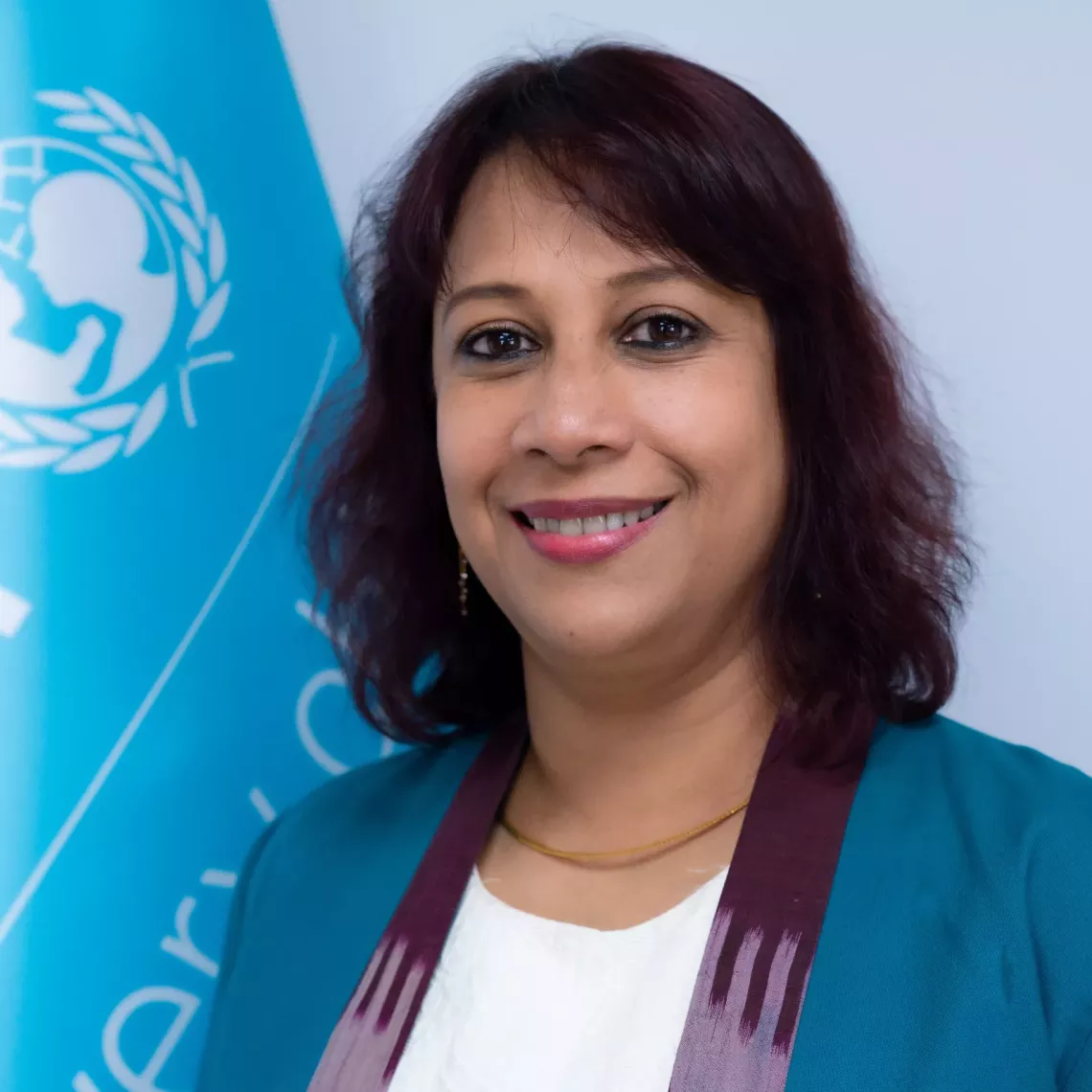
"To accelerate progress towards the SDG promise to end female genital mutilation (FGM) by 2030, it’s critical that Governments and other key stakeholders align behind evidence-based solutions. These include: community engagement to address social and gender norms and behaviours; improving girls’ access to education; and building the capacity of health care providers to address FGM. We know what works. It’s now a matter of translating this knowledge into actions and investments to safeguard the futures of countless girls and bring FGM to an end."
"The engagement of adolescents and young people – boys and girls – as change agents is crucial to ensuring that no one is left behind, especially in the fight to end female genital mutilation. To build a world free from FGM, where every child thrives, we must elevate youth voices – not just as participants, but as co-creators of the future. Around the world, young activists are leading the way, rejecting harmful traditions, educating their communities, and driving change. Their resilience, creativity, and determination are shaping a more just and equitable future. By dismantling the belief systems that allow FGM to persist, young people are building a better world for themselves and for generations to come."

References
1 United Nations Children’s Fund, ‘Over 230 million girls and women alive today have been subjected to female genital mutilation — UNICEF’, 8 March 2024 www.unicef.org/press-releases/over-230-million-girls-and-women-alive-today-have-been-subjected-female-genital.
2 Khosla, Rajaet, et al., ‘Gender equality and human rights approaches to female genital mutilation: a review of international human rights norms and standards’, Reproductive Health, vol. 14, no. 59, May, 2017, pp. 1–9. United Nations Children’s Fund, ‘Female Genital Mutilation: A global concern’, UNICEF, 7 March 2024, https://data.unicef.org/resources/female-genital-mutilation-a-global-concern-2024.
3 Siddiqi, M and Subrahmanian, R. (2025) “Accelerating action towards FGM elimination: Evidence-based strategies that work.” UNICEF Innocenti—Global Office of Research and Foresight; Matanda, D. et al (2021). Effectiveness of Interventions Designed to Prevent or Respond to Female Genital Mutilation: A Review of Evidence. UNFPA, UNICEF, WHO and Population Council, Kenya
4 United Nations Children’s Fund, ‘Education: A powerful force against harmful practices’, Data brief, 6 February 2022, https://data.unicef.org/resources/the-power-of-education-to-end-female-genital-mutilation.