What Drives Changes in Child Labour and Schooling?
Evidence from two exploratory studies among children and adolescents in Bihar and Telangana, India

Highlights
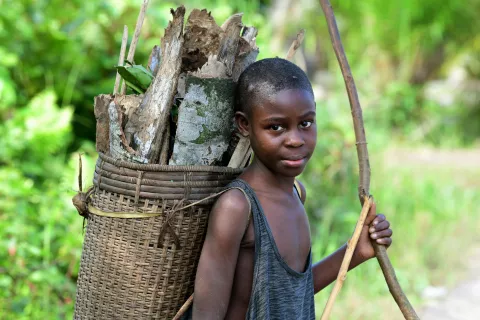
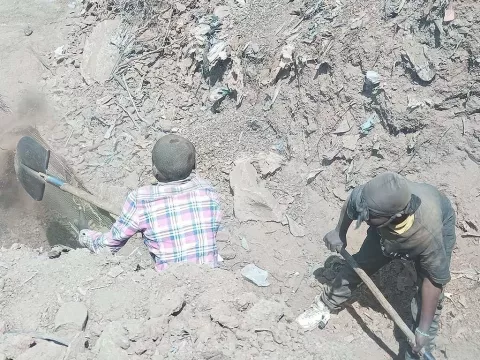
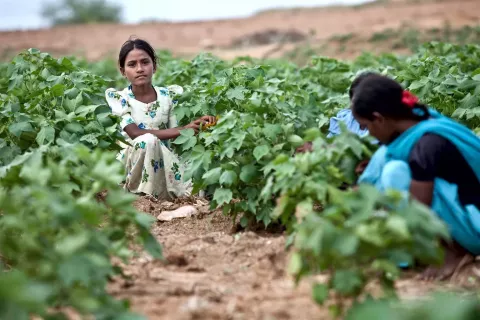
India has made significant progress in reducing child labour and improving access to and completion of schooling, with several legislative measures contributing to this progress in the past two decades. However, child labour persists in India and gaps remain in school attendance, completion and learning.
Applying the Qualitative Impact Protocol (QuIP) methodology, this research explored the direct perspectives of children and their parents on the factors that they associated with recent changes in their experience of child labour and schooling, and the pathways linking changes in the schooling and labour domains. The research was conducted with two groups of participants:
- Children aged 10 to 13 years and their parents from a historically excluded and deprived community, the Musahars, in Vaishali district of Bihar.
Adolescents aged 14 to 17 years and their parents from Vikarabad district of Telangana, identified as having a relatively high prevalence of child work.
Key findings
Some broad common findings emerged. ‘Good’ teachers – those who actively supported their students including with encouragement and follow-up when they missed school - were reported as the main drivers of improvements in schooling outcomes, followed by a child’s own interest in education. Parental and child interest in education, in turn, emerged as main drivers of reduction in the time spent working by children. Beyond school-related factors, household economic or health conditions were reported as important determinants of school dropout, which, in turn, was a ‘push factor’ for child labour.
Overall, investing in teachers and creating education systems that are responsive to children’s vulnerabilities appears important but not sufficient to reduce child labour. Education investments need to be combined with expansion of social protection measures for vulnerable households, awareness-building interventions, strengthening of child labour legislative frameworks, and improvements in child labour monitoring systems.
Context-specific implications for policies, programmes and research are summarized in the Bihar and Telangana research briefs. Two reports provide details on the methodology and findings for each state.