

Remittances and children
Exploring the critical importance of sending money home
Worldwide, financial streams from developed nations to their developing counterparts are on the retreat. Foreign aid and investments are dwindling, and rising interest rates make it increasingly challenging and costly for these nations to secure the necessary financing for investment in children and families. Consequently, reliance on alternative financial sources is intensifying. Among these, remittances stand out as a crucial influx of resources, often forming a substantial percentage of total capital in many developing countries.
This explainer explores the evolution and future of remittances and their critical importance for children and families. We start by unpacking the concept of remittances, examining their historical significance and economic impact. We then delve into why remittances matter for children, highlighting their role in reducing poverty and improving health and education outcomes. The discussion continues with barriers and innovations in remittance transfers, including the impact of fintech, mobile money, and cryptocurrencies. Finally, we discuss enhancing the impact of remittances on child well-being and offer policy recommendations to maximize their benefits for children, households, and communities.
What are remittances?
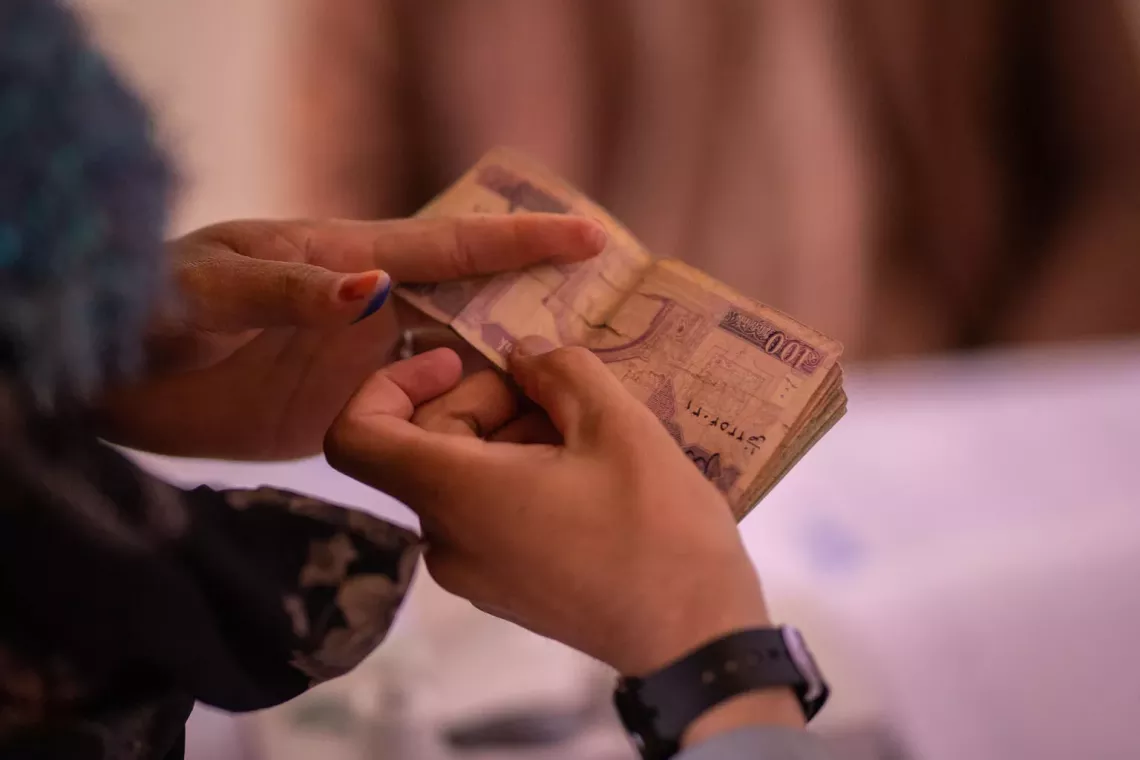
Remittances generally refer to funds sent privately by migrant workers to their families, friends, or other associates in (primarily) developing countries. These transfers typically occur from developed to developing nations but also include transfers between developing regions, known as South-South remittances. The essential characteristic of remittances is that they are private transfers from individuals to other individuals, typically not part of any business transactions. The most common scenario involves migrant workers (or their children) sending money back to their families in their country of origin. While this paper focuses on international remittances to developing countries, it is worth noting that internal remittances within countries also play a significant role in some contexts.
Remittances have a longstanding history, particularly notable in regions with significant migration patterns such as Latin America and South Asia, which together account for over half of global remittance inflows.
The economic importance of remittances cannot be overstated. Over the three decades from 1993 to 2023, these funds have expanded seventeen-fold, and the last decade alone saw remittances increase by more than 60 per cent. In 2023, remittances to developing countries totaled nearly US$670 billion, a figure that significantly surpasses the US$223 billion in Official Development Assistance (ODA) provided in the same year. When China is excluded from the equation, remittances even rival Foreign Direct Investment (FDI) flows, with the latest ex-China estimates placing remittances at US$620 billion compared to approximately US$660 billion in FDI. Remittances represent significant financial flows, exceeding the annual lending amounts of the World Bank Group to developing countries (US$128 billion) and surpassing the total outstanding loans of the International Monetary Fund (around US$150 billion), and amounting to at least 4 per cent of the GDP of more than 70 countries.
Remittances are consistently stable, show steady growth, and often increase during economic downturns, making them especially important for developing countries. Over the past three decades, remittance flows to these regions have experienced declines on only three occasions (see chart below). The first instance was in 1998, during the Asian Financial Crisis, and the second was in 2009, following the Global Financial Crisis, with each period seeing decreases of over 6 per cent. The most recent decline occurred in 2020, with a modest reduction of 1 per cent due to the COVID-19 pandemic. However, in each of these cases, remittances rebounded strongly the following year. Notably, in 2021, remittance flows surged by 10 per cent, underscoring their resilience even in the face of global economic disruptions.
Why do remittances matter for children?
Beyond their undeniable economic importance, remittances are a vital lifeline for underprivileged children and marginalized communities. For many households, in regions where economic opportunities are scarce, remittances stabilize household incomes and offer a buffer against financial shocks. For example, a 1 per cent increase in the share of remittances to GDP leads to a 22.6 per cent decline in the poverty gap ratio in Asian developing countries. In African countries, a 10 per cent increase in the share of international remittances results in a 2.9 per cent and 2.8 per cent decline in the depth and severity of poverty, respectively. There is some evidence that remittances can be more effective than cash transfers in reducing poverty, as they reach more of the poor and typically involve larger sums.
These financial flows also significantly improve children's health and educational outcomes in developing countries. A comprehensive study of 122 developing countries between 1990 and 2015 found that a 10 per cent increase in per capita remittances leads to notable health-related benefits: a 1.5 per cent rise in out-of-pocket health expenditures, a 1.1 per cent increase in total health expenditures, and significant reductions in malnutrition and child mortality rates. These benefits are supported by evidence from Ecuador, Mexico, Peru, Nepal, Kenya, and Cambodia,. Additionally, the same 122-country study revealed that a 10% increase in per capita remittances results in a 3.5 per cent rise in pre-primary enrollment, a 0.7 per cent increase in secondary enrollment, and a 1.1 per cent rise in tertiary enrollment. Similar findings have been reported in Pakistan, Ghana, and El Salvador. In Nepal, household surveys indicate that remittances lead to higher spending on education and food for children while reducing expenditure on alcohol and tobacco.
Remittances also empower women, who are typically the recipients and are more likely to invest in their children's well-being. In Indonesia, for example, remittances have been shown to improve the health status of women, which in turn positively impacts their children. Women in remittance-receiving households are also less likely to accept domestic violence. Additionally, remittances have a more pronounced effect on girls' education, significantly boosting their enrollment and completion rates compared to boys’.
Finally, remittances benefit children by addressing immediate needs and fostering household investments. About 25 per cent of remittances are saved or invested. Evidence from 64 countries shows that remittance-receiving countries start more firms on average. Remittances foster youth financial inclusion and entrepreneurship, including for young people, with the effect being strongest in low-income countries. Preliminary research suggests that large, consistent transfers, such as remittances, provide startup capital and support investments through rotating savings and credit associations (ROSCAs).
While the evidence on remittances is largely positive for poverty reduction, there are potential drawbacks. Remittances are not universally growth-enhancing, as their impact depends on the regional and local context. They may reinforce inequality, as the poorest households often cannot afford the costs associated with migration and may not receive as many remittances. Additionally, remittances can sometimes weaken governance. Furthermore, remittances often stem from the migration of one or both parents, which has been documented to have strong negative impacts on children left behind. This underscores the need to carefully consider the complex and often both positive and negative consequences of migration for children, especially when evaluating the broader implications of migration for child welfare.
Barriers and innovations in remittance transfers.
Despite their potential, remittances face significant barriers due to the complexities of cross-border payments entrenched within the banking infrastructure. One systemic barrier is the reliance on outdated infrastructure of the international banking system, which often requires multiple intermediary banks, adding to the cost and time required for funds to reach the recipient. Additionally, the procedures for sending and receiving remittances through banks are typically inconvenient, requiring in-person branch visits and extensive documentation, which can be cumbersome. Many migrants and their recipients also lack bank accounts, further complicating the process.
The situation is even more complex for vulnerable groups like refugees. Due to their precarious legal status and lack of proper identification, many refugees cannot open bank accounts or secure employment, forcing reliance on costly, unreliable informal transfers. Discriminatory practices, language barriers, cultural differences, and limited financial knowledge further exclude them from mainstream banking services. Additionally, political and economic instability in host countries can disrupt remittance flows, compounding refugees' financial uncertainty.
These shortcomings of traditional banks paved the way for the rise of Money Transfer Operators (MTOs), which mainly overcome the hurdles of transaction times and the need for a bank account. Major MTOs such as Western Union1, Remitly, and MoneyGram accept cash transfers through in-person (and increasingly digital channels – about half of total remittances were sent digitally in 2023), bypassing the need for a bank account by accepting various forms of identification from remitters and receivers. While MTOs rely on the international banking infrastructure for settlement, they use their own networks to facilitate near-instant transfers for migrants.
However, the convenience of MTOs comes at a high cost. Remittance costs include fees and exchange rate spreads, which are not always transparent. This lack of transparency negatively affects both senders and recipients of remittances. The global average cost of sending a US$200 remittance has only decreased from 9.3 per cent in 2011 to 6.39 per cent at the end of 2023. This level is significantly higher than the Sustainable Development Goal target of 3 per cent (SDG 10.c) and the 2014 G20 commitment of 5 per cent (the G20 has since endorsed the SDG target). However, there is evidence that their fees are sensitive to competitive pressures. More recently, the G20 cross-border payments roadmap has prioritized actions to foster competition by increasing consumer knowledge about remittance fees and exchange rate spreads.
Fintech, mobile money, and cryptocurrencies each offer distinct advantages over traditional money transfer operators (MTOs), but they also face unique challenges. Fintech solutions enhance convenience by bundling financial services like loans and insurance while slightly reducing fees. However, they present technological barriers to entry, as not all migrants are familiar with the apps or have access to the necessary devices and internet. Additionally, regulatory requirements often necessitate partnerships with MTOs or banks for backend operations, limiting potential savings for consumers. Mobile money services, such as M-PESA, WeChat Pay, and Orange Money, provide convenience, low-tech barriers to entry, and instant transfers. Despite these benefits, their operations are often confined to specific countries or territories and face transfer amount restrictions due to regulatory frameworks. Cryptocurrencies, on the other hand, offer very low transaction fees and rapid peer-to-peer (P2P) transfers. For example, sending Bitcoin to another wallet costs an average of US$1.50 per transaction, while Ether costs an average of US$0.75 per transaction. However, they encounter technological barriers and the challenge of converting back into fiat currency, known as the off-ramp problem.
The prospects seem particularly promising for cryptocurrencies and other blockchain-enabled solutions, as viable solutions to the off-ramp problem have gained momentum. Governments in recipient countries can regulate around this issue without overhauling existing banking regulations or coordinating with sending countries. For example, thanks in part to Mexico’s cutting-edge fintech law, in 2023 fintech company Bitso processed US$4 billion in crypto remittances by offering both crypto transfers and conversion services back into pesos. The Philippines is trialing a local stablecoin for crypto remittances in a regulatory sandbox. Even without regulation, countries like Argentina and Venezuela, facing rampant inflation, are increasingly adopting US-denominated stablecoins for remittances and direct transactions in-country.
The Bank for International Settlements and China-led mBridge project (and other cross-border digital currency projects) may revolutionize remittances. Using Central Bank Digital Currencies (CBDCs) for cross-border payments, this initiative enables instant settlement of transactions by central banks with their official digital currencies. This system cuts down on intermediary banks, exchange rate costs, and fees, making remittances faster, more efficient, and more affordable through digital wallets. While currently limited to commercial banks, CBDCs have the potential to transform remittances if central banks push for wider adoption or introduce retail CBDCs for individuals and businesses.
"Maximizing the impact of remittances, especially for the benefit of children, requires a concerted effort to enhance their accessibility, efficiency, and effective use."
Enhancing the impact of remittances on child well-being
Maximizing the impact of remittances, especially for the benefit of children, requires a concerted effort to enhance their accessibility, efficiency, and effective use. This involves reforms at both international and national levels, focusing on policy, regulation, technological development, and empowering children to be active participants in financial decisions. A successful strategy also needs to harness the power of advocacy and engage diaspora communities as key partners. There are four major areas of engagement:
Reduce remittance costs
- Governments: Foster competition in the remittance market by easing regulatory requirements, especially for small transfers, and removing barriers in specific remittance corridors. Advocate for public-owned banks to offer easy conversion of cryptocurrencies and stablecoins, promoting the adoption of peer-to-peer payments and pressuring traditional operators to lower costs.
- CBDCs: Ensure that the efficiencies generated by Central Bank Digital Currencies (CBDCs) for cross-border payments benefit migrants and remittance recipients.
Enhance digital and financial literacy
- Connectivity and digital literacy: Improve internet connectivity and smartphone accessibility in underserved areas to facilitate the adoption of digital remittance platforms. Implement large-scale digital literacy programs targeting potential remittance senders and recipients across all ages, including adults, youth, and children.
- Financial literacy for children: Introduce age-appropriate financial literacy programs in schools and communities, teaching children about budgeting, saving, investing, and responsible financial decision-making.
Expand financial inclusion and empowerment
- Banking and microfinance: Expand access to banking and microfinance services to offer greater choice, reduce reliance on informal channels, increase transparency, and ensure broader benefits from remittances. Develop tailored solutions to address the unique challenges faced by refugees in accessing remittances.
- Empower children and women: Promote the development of child-friendly financial products, such as savings accounts, to enable children to manage their funds and build financial independence. Focus on empowering women to significantly improve the impact of remittances on children, fostering a more equitable distribution of benefits.
Leveraging remittances for development
- Diaspora bonds: Unlock the development impact of remittances by offering an accessible and meaningful investment vehicle for diasporas. Their success hinges on balanced returns and transparent community engagement. By providing attractive returns for migrants and manageable rates for governments, these bonds can create a win-win scenario. Transparent connections to tangible development initiatives ensure migrants see the direct impact of their investments, fostering a more engaged and supportive diaspora community, ultimately driving significant social impact.
Advocacy and collaboration are crucial to implementing these recommendations effectively. This involves highlighting the positive impact of remittances in international fora and mobilizing diaspora communities for policy reforms. Creating platforms for knowledge transfer and skills exchange, connecting diaspora entrepreneurs with opportunities in their home countries, and supporting diaspora bond issuance to mobilize financial resources will enhance the overall impact on children’s well-being.
Further Reading
Remittances: Development Impacts and Future Prospects (World Bank)
Back to basics: Remittances (IMF)
2023 in Remittances: The Year in Review (The Dialogue for the Americas)
A Lifeline at Risk (UNICEF)
Leveraging Diaspora Finances for Private Capital Mobilization (KNOMAD/World Bank)
G20 Plan to Facilitate Remittance Flows and UPDATE (G20)
Project mBridge (Bank for International Settlements)
G20 Roadmap for Enhancing Cross-Border transactions (G20)
Indicator 10.c (Sustainable Development Solutions Network)
2023 REMITTANCES REPORT How to sustainably lower costs and achieve the UN goal of 3% by 2030 (WISE)
1 Western Union is still by far the largest MTO with a market share of 30 per cent in very competitive markets and up to 90 per cent in very uncompetitive ones, and often prices above the average of the other MTOs. Money Gram is internationally the second largest provider with an estimated market share typically between 10 per cent and 30 per cent, and a price level that is at par with that of the other smaller operators