The Girl Who Found Her Code: Changing the Narrative for Girls in Tech
Skills4Girls programme empowers young people in East Java to break barriers in STEM
- English
- Bahasa Indonesia
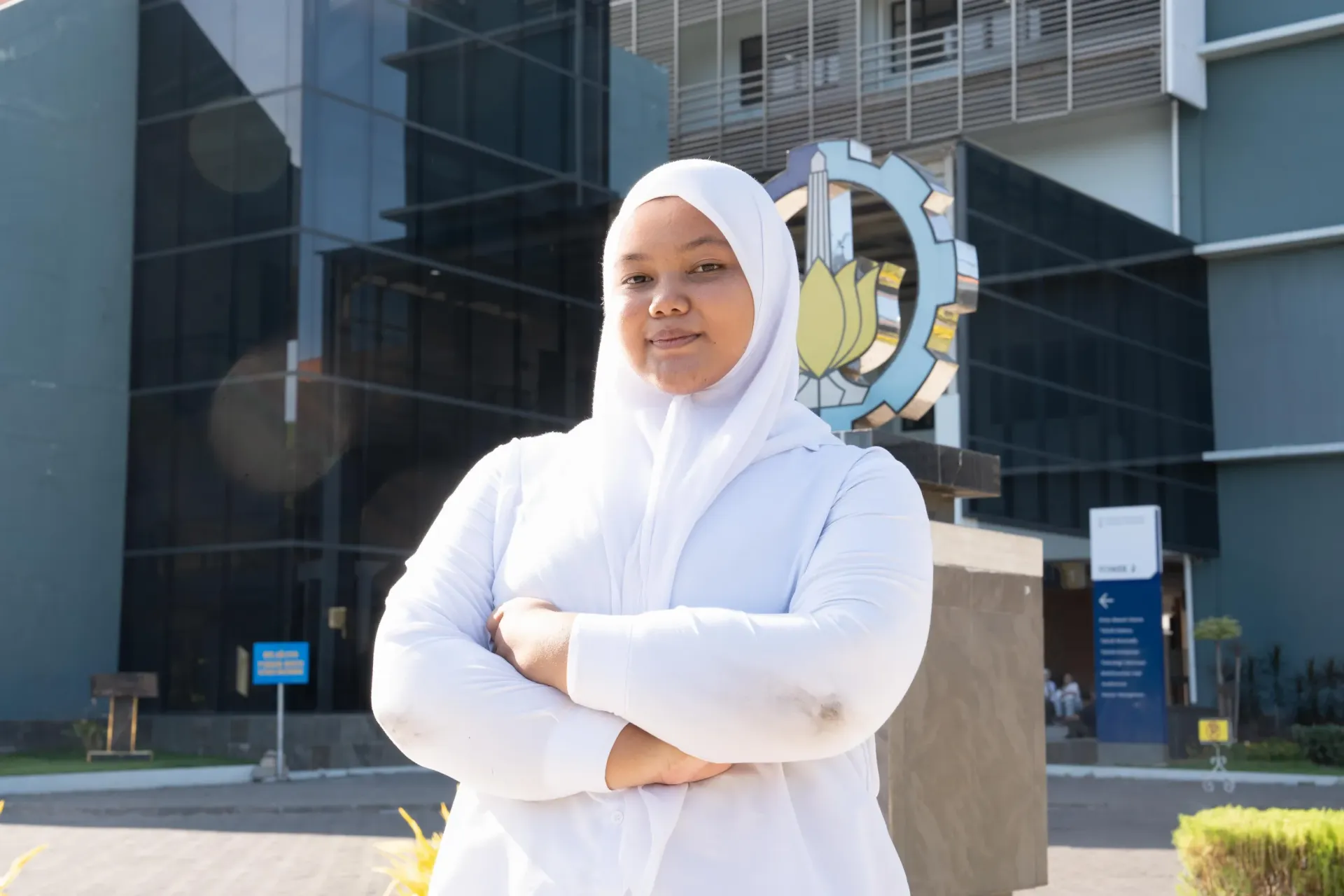
In the mountain town of Trenggalek, East Java, 18-year-old Vian dared to dream of a future in technology, a field that few girls in her village had ever ventured. Raised in a family of farmers, Vian had no formal technology education in high school.
“I didn’t have a teacher or mentor to guide me,” she reflects. “I relied on YouTube and occasionally chatted with friends. At first, I was just messing around, casually trying things out. It looked cool, so I gave programming a shot, and I ended up discovering a new hobby.”
Vian spent countless hours experimenting on her laptop, learning through trial and error. Each software bug she encountered and every mistake she made became an important lesson. Then came a turning point: the Skills4Girls programme was introduced at her senior high school in Karangan sub-district, Trenggalek district, East Java.
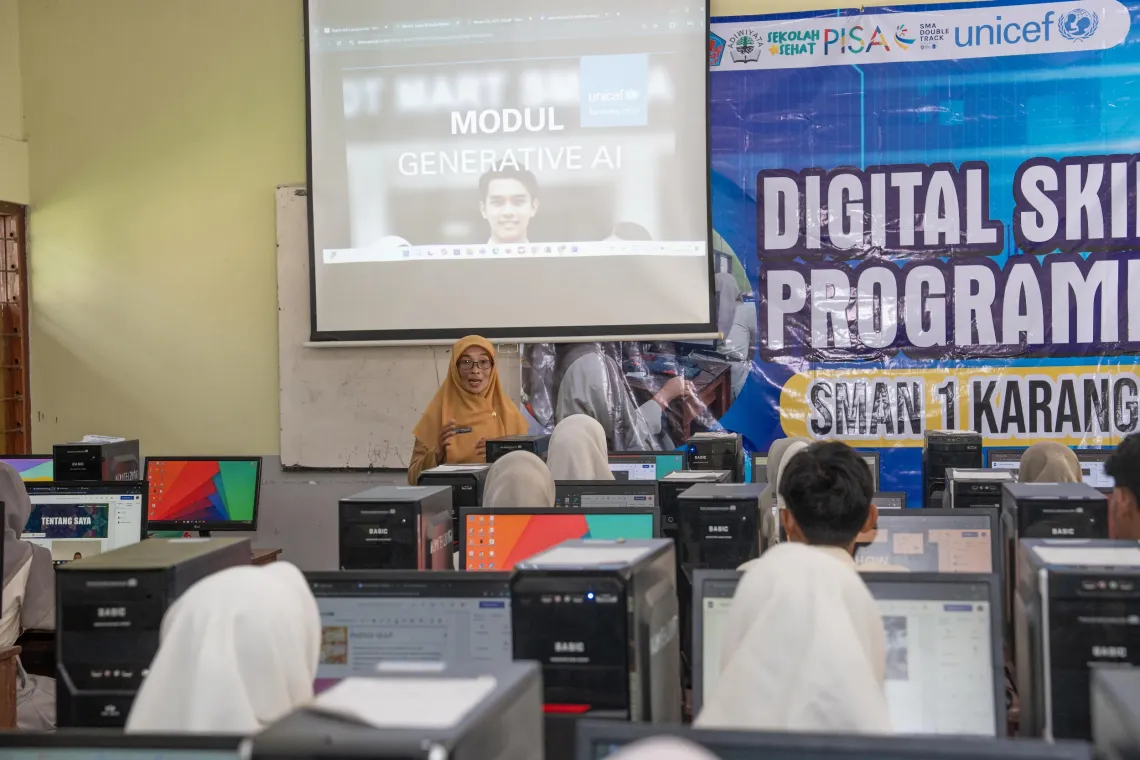
Supported by UNICEF and the East Java Provincial Government, Skills4Girls equips adolescent girls with essential 21st century digital skills to compete and thrive, either to continue with higher education or to prepare for a future career within an increasingly competitive job market.
Adolescents gain skills through learning activities and mentoring from professionals in the private sector. They are also guided to better transition from education to employment, particularly the participants who are girls.
In addition to regular extracurricular sessions, students identify pressing challenges and participate in intensive ‘bootcamp’ sessions to develop ideas for digital solutions, with support from dedicated mentors from the private sector.
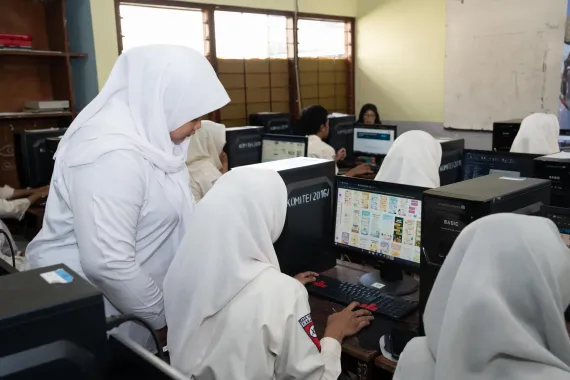
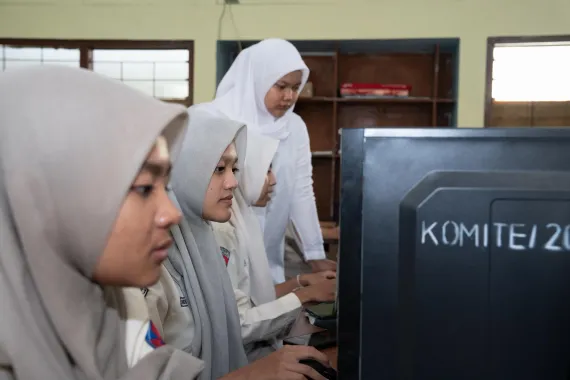

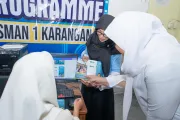
Through Vian’s bootcamp, she learned how to turn ideas into impact. In her first project, her team revived the school’s English Club, which had been struggling with low attendance. Applying the digital skills she gained, they created a website to promote the club, launched an Instagram profile, and creatively marketed the club among students. Attendance soared.
Vian became a peer mentor, guiding younger students through their own digital projects. “Through this programme, I became more confident in expressing myself, especially when working with male classmates from different backgrounds,” she shares. “Now I can stand before them, introduce myself, and share my ideas without hesitation.”
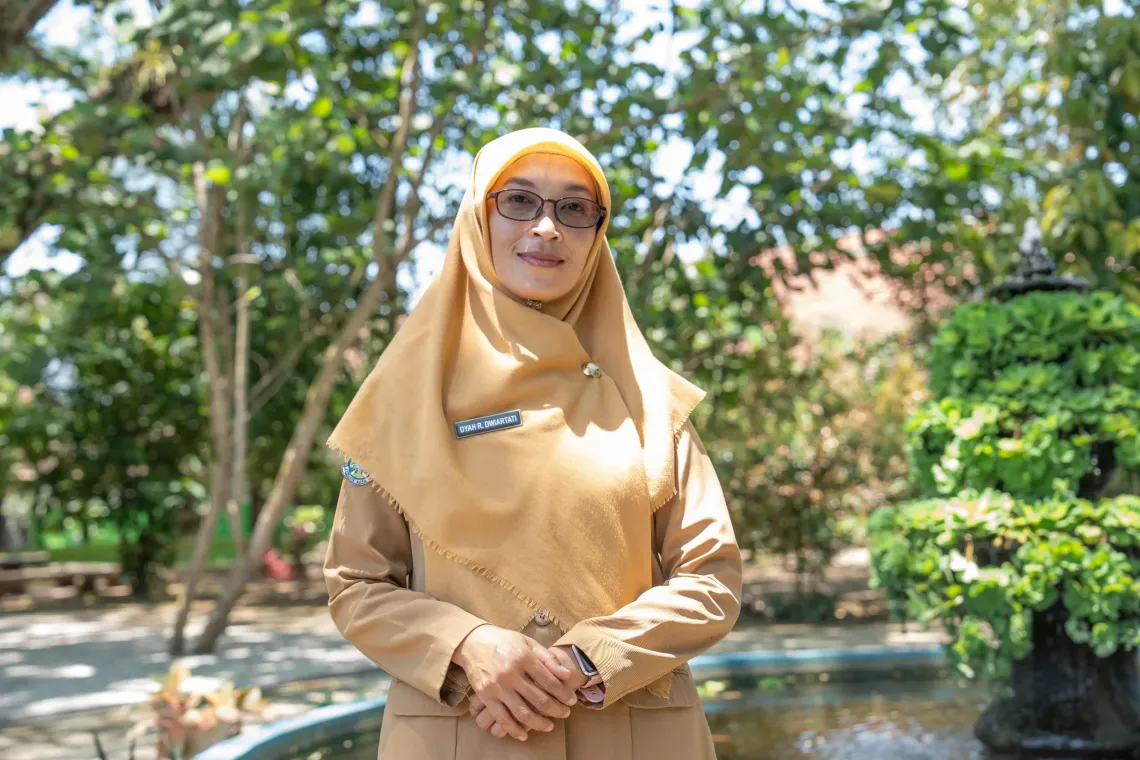
With support from her teacher Dyah, she blossomed from a shy student into a role model for other girls. “Since joining the Skills4Girls programme, I have seen Vian gradually grow more confident,” says Diah. “She has become an inspiration to all of us, showing that success truly requires perseverance, and that being introverted does not mean you are doomed to fail.”
Skills4Girls started in DKI Jakarta in 2019 and has since expanded to Semarang city, South Sulawesi and East Java province, engaging more than 22,000 adolescents (63 per cent girls) from more than 500 schools who have developed more than 2,000 digital solutions.
East Java, with 5.8 million young people aged 10–19, is home to Indonesia’s second largest population of young people – making it a priority area for Skills4Girls. Since 2022, the programme has empowered over 8,400 adolescents (62 per cent girls) across 154 schools. Eighty-five per cent (60 per cent girls) of adolescents engaging in the programme have reported increased confidence and self-esteem.
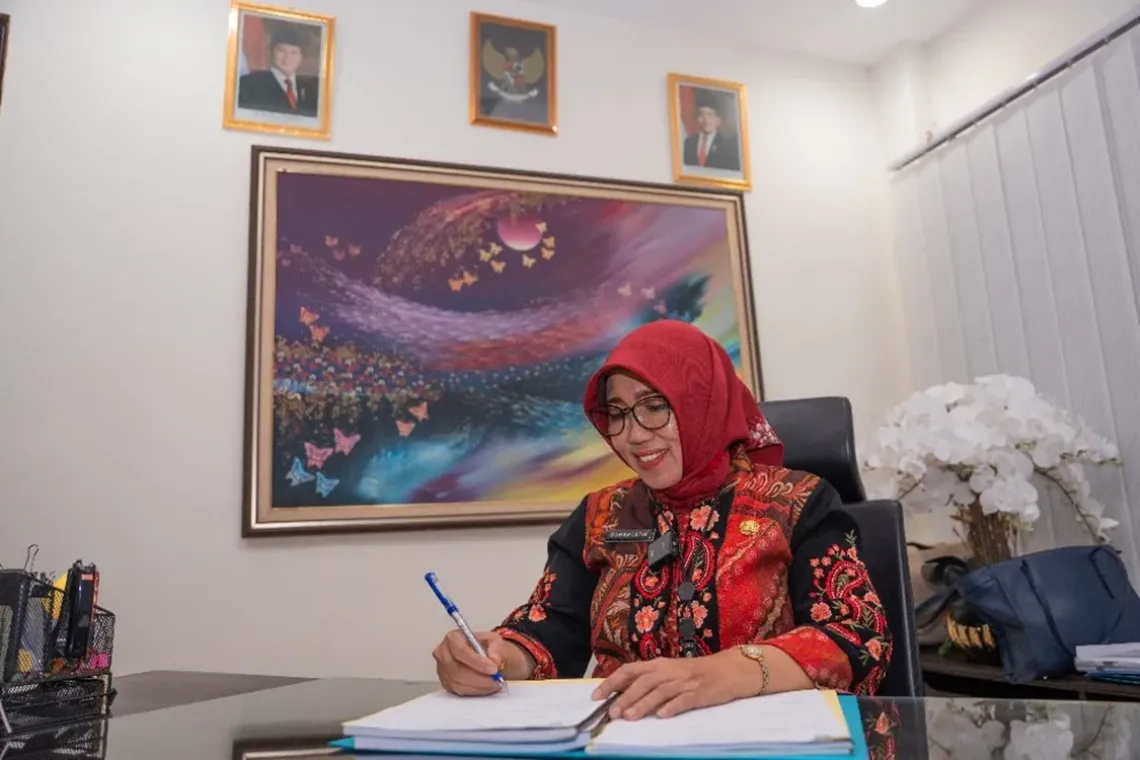
Based on this progress, the East Java provincial government is integrating the programme into an existing adolescent skills development initiative for marginalized students. The aim is to ensure that disadvantaged girls and boys in both formal and non-formal education institutions gain access to practical, inclusive skills training.
Suhartatik, Head of the Senior Secondary Education Division at the East Java Education Office, views Skills4Girls as a blueprint for change. Her team has integrated the programme’s approach into the province’s extracurricular programme for marginalized adolescents.
“We encourage all students to stay motivated and strengthen their inner drive, so they can succeed, pursue higher education, broaden their knowledge and perhaps even change the course of their lives,” says Suhartatik.
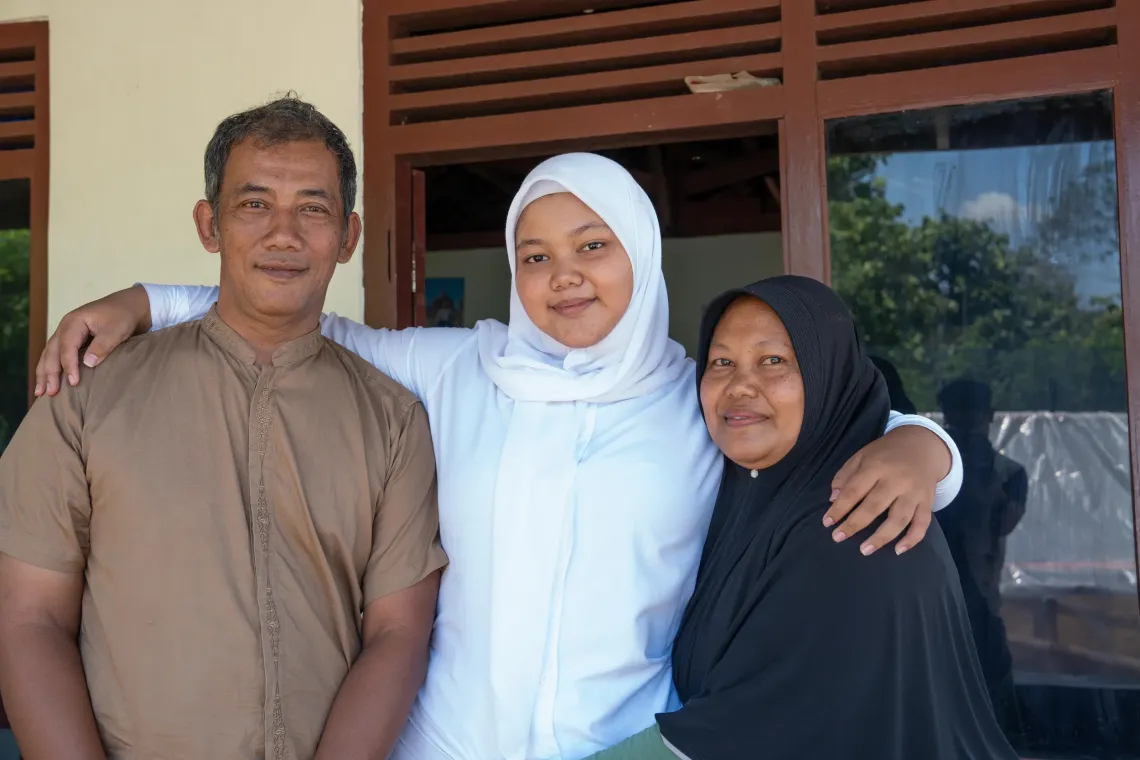
For Vian, that future is already unfolding. She used her digital skills certificate to apply to one of Indonesia’s top technology universities—and got in without any admission fees, bringing both pride and financial relief to her family. “Before the programme, I never thought about going to college. My family’s situation is pretty ordinary, and I used to think that after school, I would just work,” she says.
“I remember looking at the major I got into—Computer Engineering—and thinking, ‘It’s all boys. Can a girl really do this?’” Vian recalls. Her excitement quickly turned into doubt. But that question became the spark that ignited her to move forward.
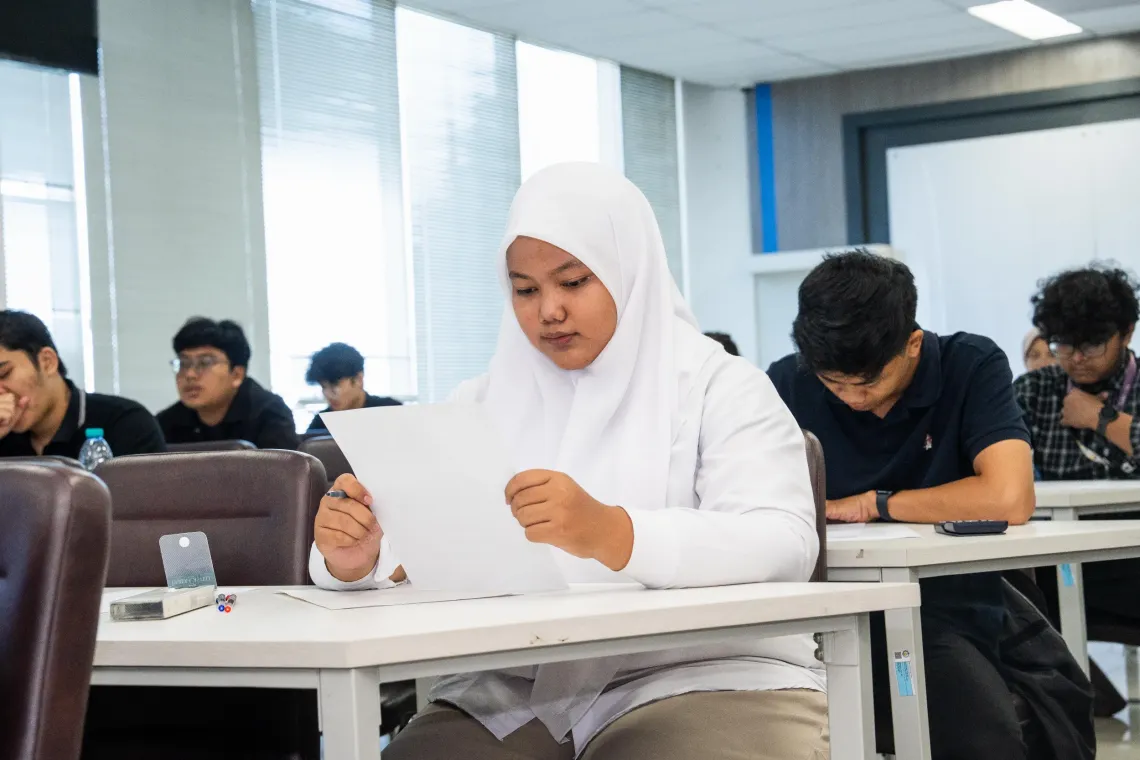
Now Vian spends her days in university classes mastering new computer programming languages. She dreams of building software with lasting social impact. Her message: “To all girls who want to pursue a career or continue their studies in technology like me, do not be afraid to try. Everyone has strengths and weaknesses but never use your weaknesses as a reason not to try. The process may take time, but everyone will succeed in their own moment,” she says proudly.