The India Early Childhood Education Impact Study
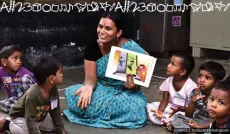
If we could take a snapshot of all four-year-olds in India at, 11 a.m. across the entire country, where would we find them and what would they be doing?
Highlights
The IECEI Study is a longitudinal study that followed a cohort of 14,000 four-year-olds from age 4 to age 8 in rural areas of three Indian states: Assam, Rajasthan, and Telangana. The first of its kind in India for its scale and longitudinal, mixed-methods design, the study documented children’s institutional participation; assessed their school readiness levels and subsequent early-grade learning outcomes; observed their classrooms; and collected information from their homes and preschools/schools.
It also conducted a comprehensive assessment of the quality of preschool programmes and identified specific programme characteristics associated with positive developmental outcomes for children. This policy brief summarizes major findings and recommendations from the study.