Menstrual health is more than a monthly event, it’s a fundamental aspect of human rights, dignity, and public health.
Good menstrual hygiene is crucial not only for physical health but also for the emotional well-being, self-worth, and empowerment of menstruators worldwide. Yet, millions of girls and women still bleed in silence, without access to safe hygiene products, clean water and toilets, or even the freedom to talk about it.
I know this firsthand. COVID didn’t just change the world — it changed my body.
It gave me menorrhagia, a condition where I bleed excessively with large blood clots that drain every bit of my energy and well-being. There are months when I bleed for 20, 30, even 40 days at a stretch. I have to change pads almost every hour in the first few days of the period.
I hid stained clothes, wiped away tears from sleepless nights, and dealt with brutal fatigue that made even breathing feel like work.
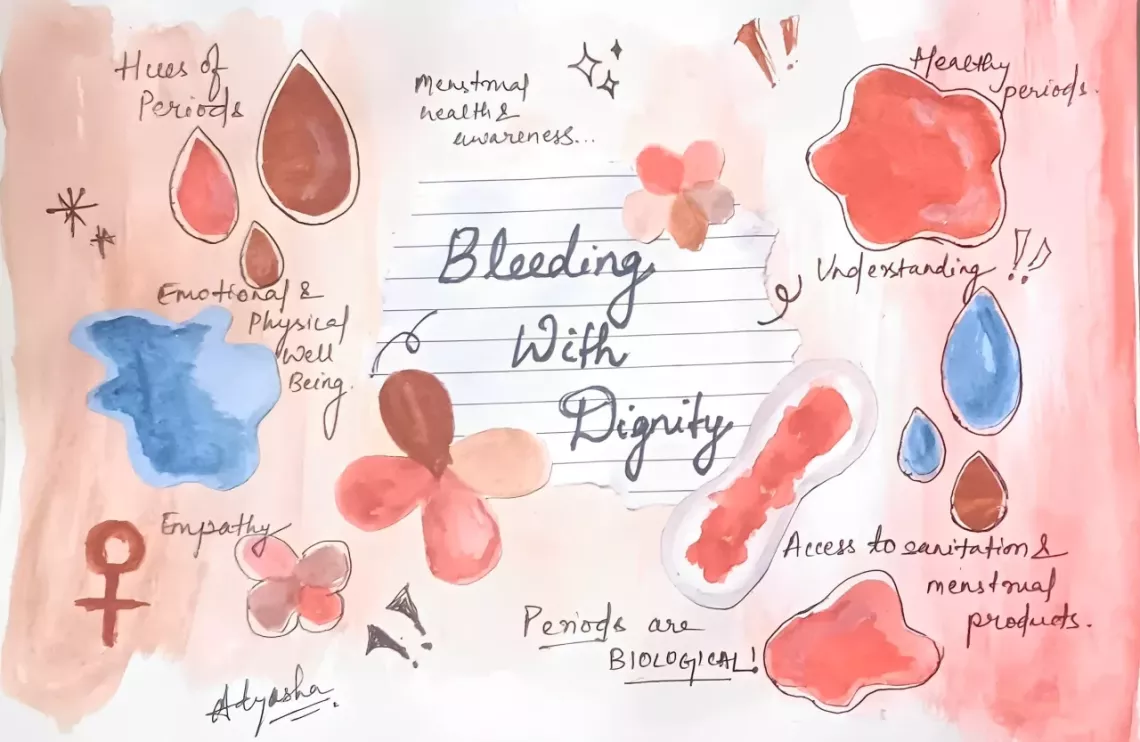
Hygiene wasn’t just a choice; it became a battle.
With long periods came increased chances of infection. Without proper restrooms, clean water, or disposal facilities — especially while working on the ground — maintaining basic menstrual hygiene became a daily struggle. And no, I couldn’t afford to stay home. I had dreams to chase.
Even on days when I could barely stand, I walked seven kilometres, delivered presentations, put on events, worked on field projects — with tissues, pads, medicines, and extra pairs of clothes stuffed in uncomfortable carry bags because menstruation doesn’t stop for dreams and vice versa.
Yet, society wasn’t kind to me.
Some people body-shamed me. Others questioned my strength, saying I wasn’t “adventurous enough” to be a climate activist because I didn’t hike mountains or dance in the rain during my period. They dismissed my pain and labelled me as moody, sensitive, or lazy. But few saw the courage it took to show up.
This is exactly why menstrual health needs to be normalized and prioritized.
Menstruation is a biological process, not a weakness.
Yet, due to shame, stigma, and lack of education, it continues to be wrapped in silence. Even in so-called developed societies, menstruators are expected to hide their pads, whisper about their flow, and tolerate pain quietly. This silence is not just cultural — it’s systemic. It fuels period poverty, limits research, and leads to the widespread denial of healthcare and hygiene rights.
In a world where quality of life, resources, and health are being negatively influenced due to numerous factors, there is a need to talk and research about increasing menstrual disorders.
We must exit the taboo around menstruation. We must talk about bleeding without shame. We must ensure that every menstruator, no matter where they are, has access to safe products, clean toilets, accurate information, and emotional support.
Let’s remember: No one should be left behind simply because of a natural bodily function.
So, here’s my humble message today:
- To every policymaker, school, workplace, and community — please create spaces that are period-friendly.
- To every family, friend, and ally — believe our pain and respect our needs.
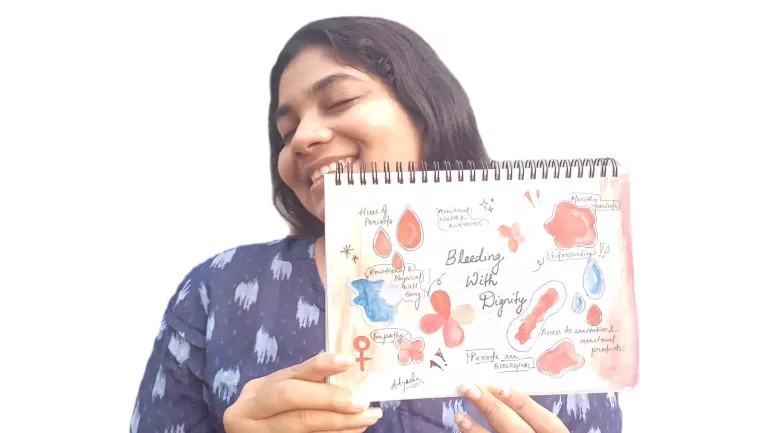
- And to every menstruator out there — know that your pain is real, your needs are valid, and you deserve to bleed with dignity, not shame.
- This Menstrual Hygiene Day, let us build a world where no girl misses school, no woman cancels her dreams, and no menstruator hides in silence because of their period.
Let us move forward — Together for a #PeriodFriendlyWorld.