Under the silt and debris, survivors rise again
In Haiti, after Hurricane Melissa, families are learning to survive with nothing but pain, guilt, and the hope of a new beginning.
- Français
- English
Petit-Goâve - The day dawned over a landscape of desolation. In southern Haiti, the morning after Hurricane Melissa, the silence is broken only by the sound of footsteps in the mud and the splashing of puddles.
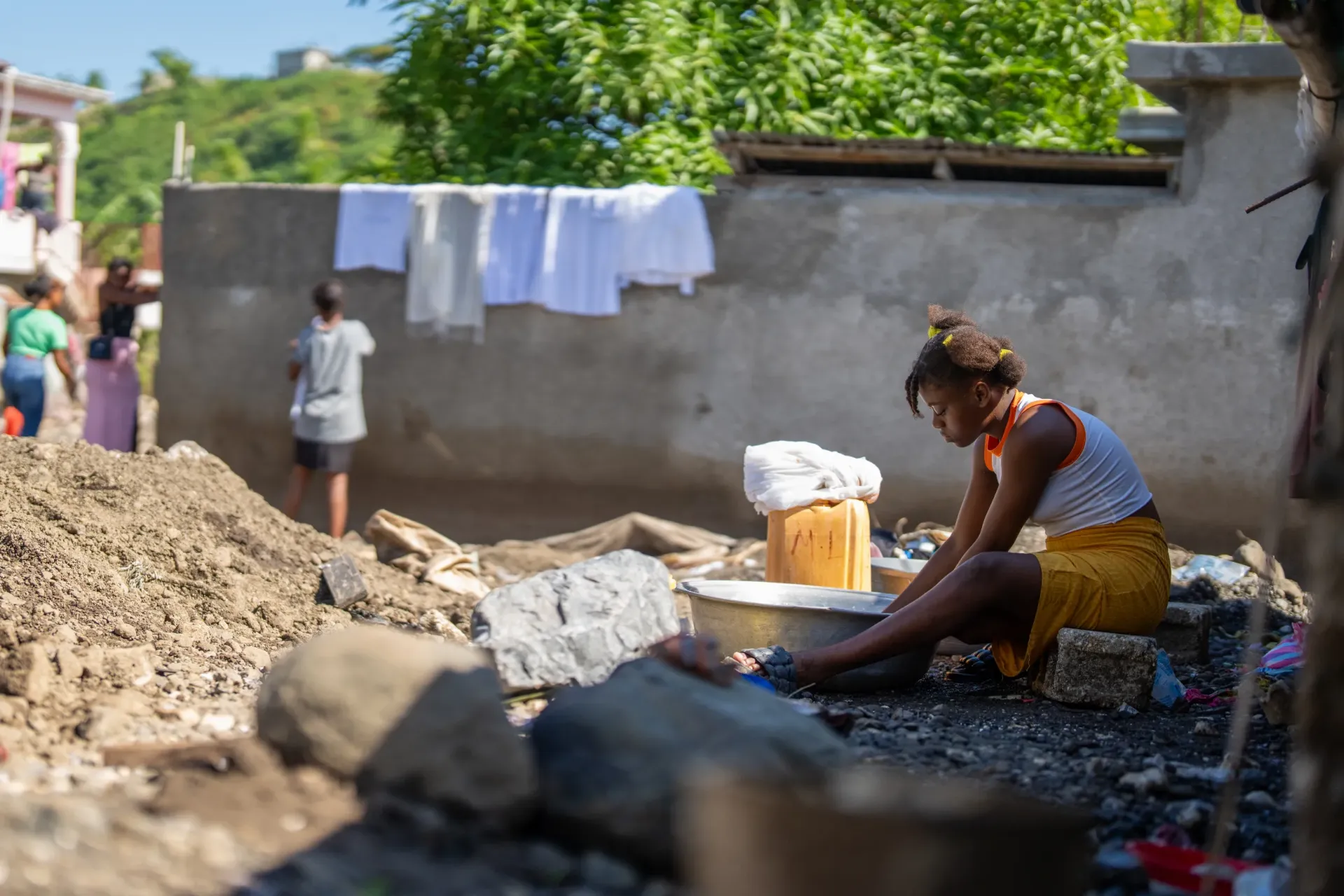
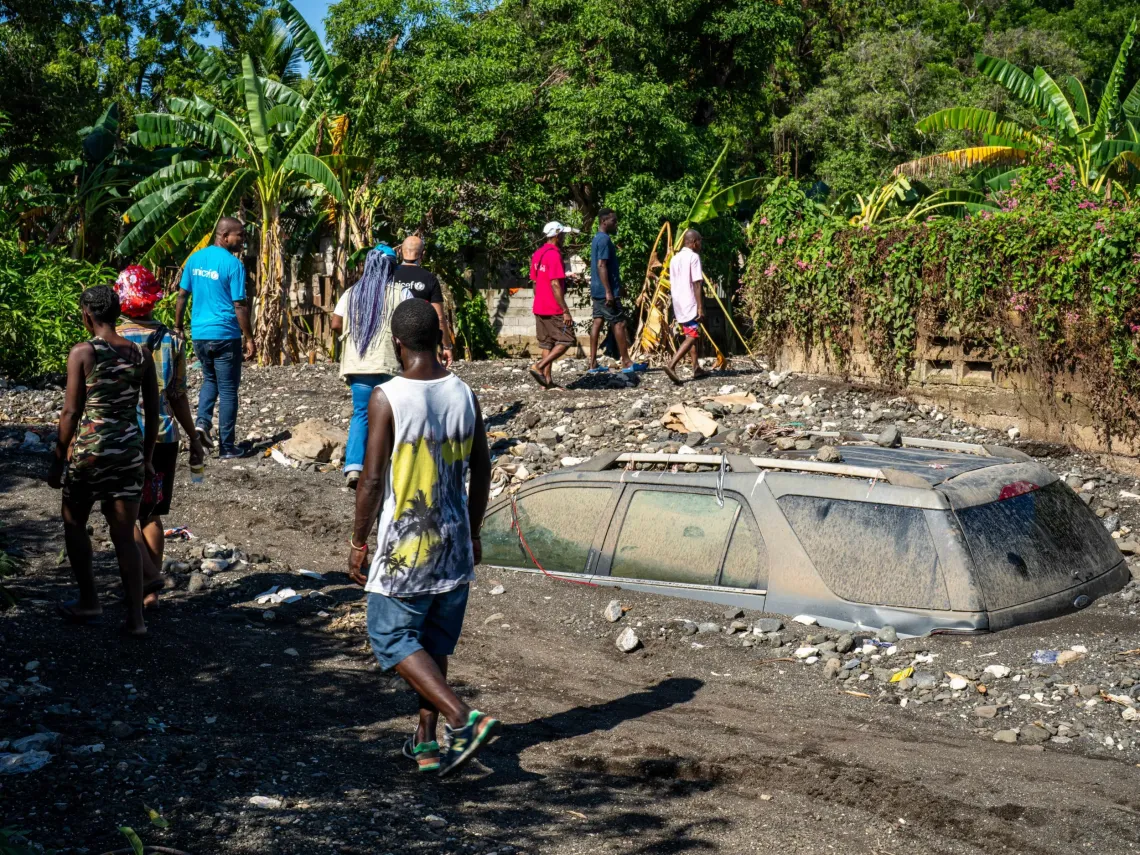
The smell of wet soil mingles with that of debris. Streets once bustling with life are now blanketed with silt and rubble, burying homes and even cars swept away by the storm. Waterlogged schoolbooks, soaked uniforms, children’s toys, and twisted cookware scattered everywhere. Everything vanished in a matter of hours, in the night, as the rain and wind unleashed their fury.
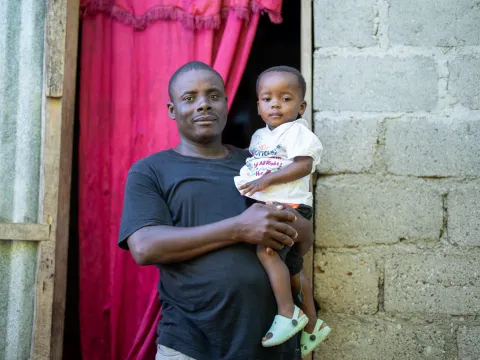
“The water rose at one in the morning, when everyone was asleep. We didn’t have time to save anything,” recalls Viguens, 35, a resident of Petit-Goâve. “I lost my father, my brother, and three of my nieces. I survived by escaping through a window. I feel guilty for still being here.”
Hurricane Melissa swept across the Caribbean Sea before unleashing torrential rains on Haiti, devastating several southern regions already weakened by previous disasters. Within hours, rivers overflowed, turning entire neighbourhoods into torrents of mud.
In the departments of South, Nippes, Grand’Anse, and South-East, many communities remain cut off. In Petit-Goâve, the flooding of the La Digue River destroyed homes and bridges, killed 43 people, including several children, and left dozens missing.
Life suspended between fear and emptiness
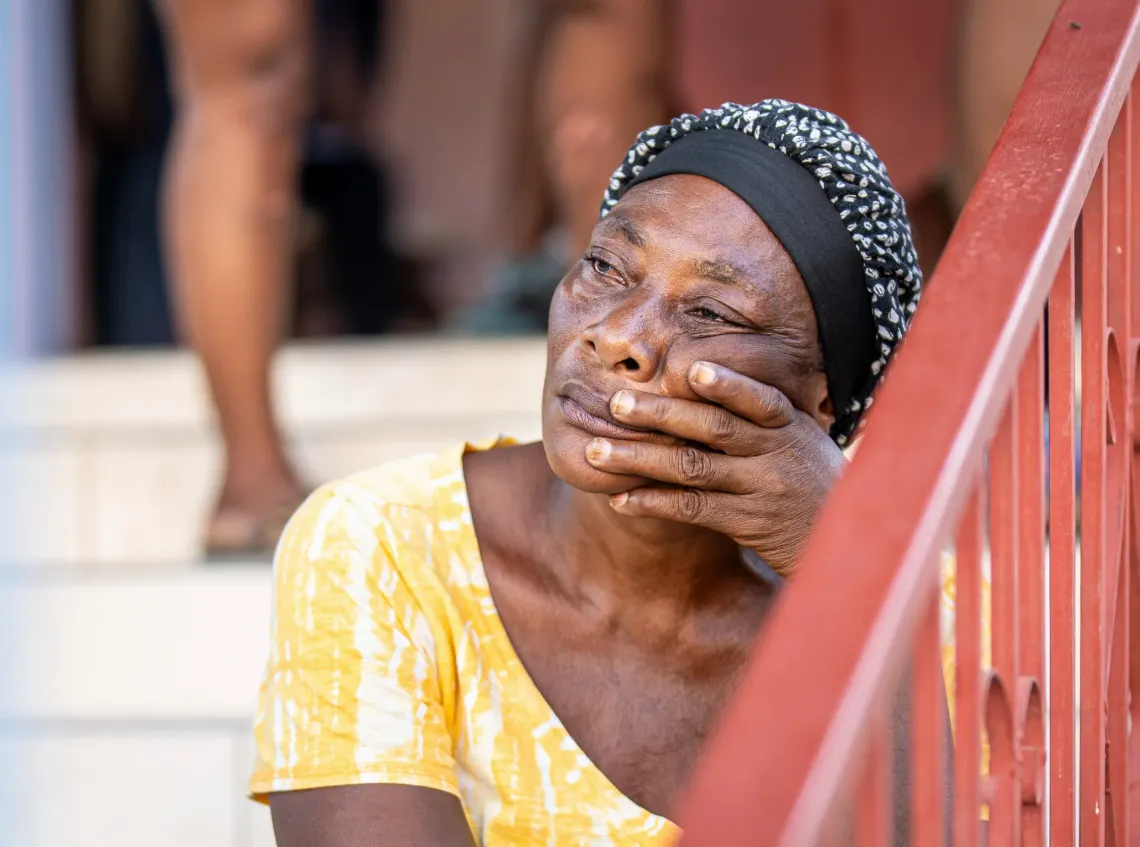
Everywhere, faces tell stories of guilt and trauma. In makeshift shelters, families huddle on damp mattresses, staring blankly into space.
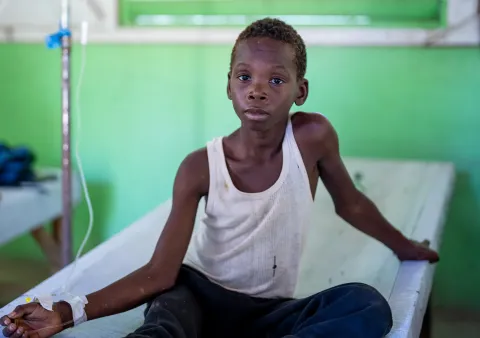
“I lost three of my children,” says Marie-Rose, 59, a mother of four affected by the storm. “My daughter injured her foot and is in the hospital, but I don’t even have the means to go see her. I’ve lost everything… my home, my business, my clothes… and maybe a part of myself too.”
Preventive action to limit the damage
Even before the storm struck, UNICEF, with financial support from the Central Emergency Response Fund (CERF) and the Government of the United States of America, in collaboration with the Directorate of Civil Protection (DGPC), had taken preventive measures to reduce the impact on children and their families.
Over 2,900 hygiene kits, water purification systems, and medical kits were prepositioned to meet the needs of 14,500 people in the most exposed areas.
At the same time, UNICEF provided cash assistance to 7,455 vulnerable households, in coordination with the World Food Programme (WFP), to ensure complementarity of interventions and strengthen community resilience before the storm.
UNICEF also supplied 176 health facilities with ready-to-use therapeutic food (RUTF) and other nutrition supplies, meeting the needs of 4,175 children.
Emergency health kits, including acute watery diarrhea and obstetric kits, were deployed to cover the health needs of 20,000 people, support around 500 deliveries, and treat 400 cases of acute watery diarrhea.
Additional UNICEF staff were temporarily deployed from Port-au-Prince to reinforce teams already working in the affected southern regions.
A race against time to save what can still be saved
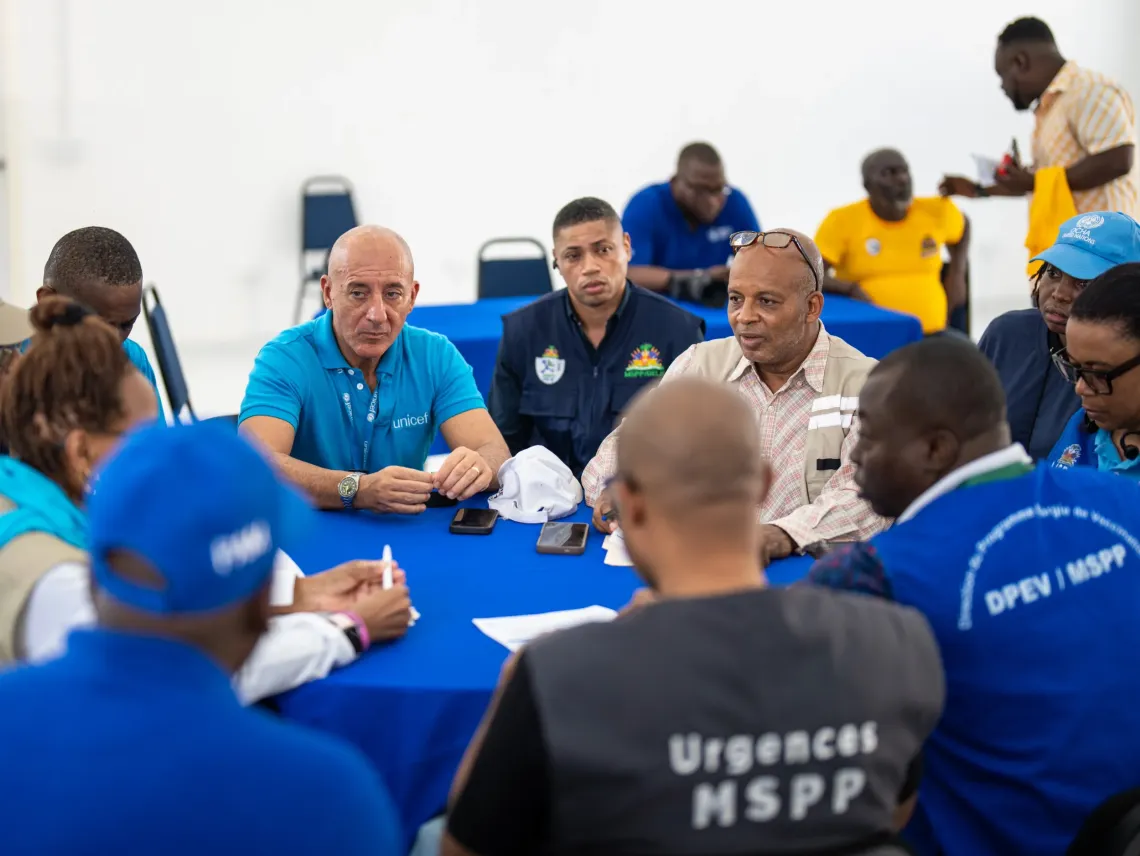
UNICEF’s work did not stop at prepositioning before the storm. As Cyclone Melissa swept across the country, UNICEF remained on the ground alongside the Haitian government and humanitarian partners to quickly assess the most urgent needs and coordinate the response across water, health, hygiene, nutrition, and child protection sectors.
Training and capacity-building sessions are now underway with local authorities and partners to support planning and implementation of upcoming interventions. These sessions focus on emergency health management, cholera prevention, psychosocial support, and the coordination of rapid community-level needs assessments.
“The burden on Haiti’s children keeps growing heavier. Hurricane Melissa has deepened an already extremely fragile situation, where millions of children have lived for far too long in fear, displacement, and deprivation,” said Geeta Narayan, UNICEF Representative in Haiti.
“As families try to rebuild their lives, we must act urgently and in solidarity to provide them with protection, comfort, and access to essential services. UNICEF will remain on the ground, alongside the people of Haiti, to help children overcome this ordeal and find the strength to move forward.”