"Here, I feel good and safe": In Belladère, displaced children regain their bearings.
In Belladère, child-friendly spaces and community mechanisms strengthen the protection of displaced families.

- Français
- English
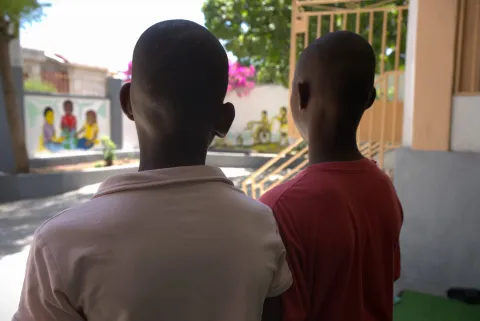
BELLADÈRE, Centre – The day insecurity worsened in Mirebalais, Samantha had to leave with her three children, leaving behind her home and the life she had built there. Like hundreds of other families displaced by violence, she found refuge in Belladère, at the Club Hôtel displacement site.
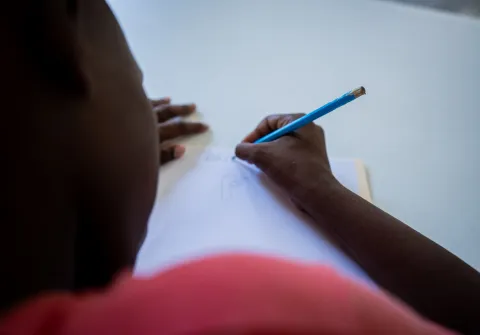
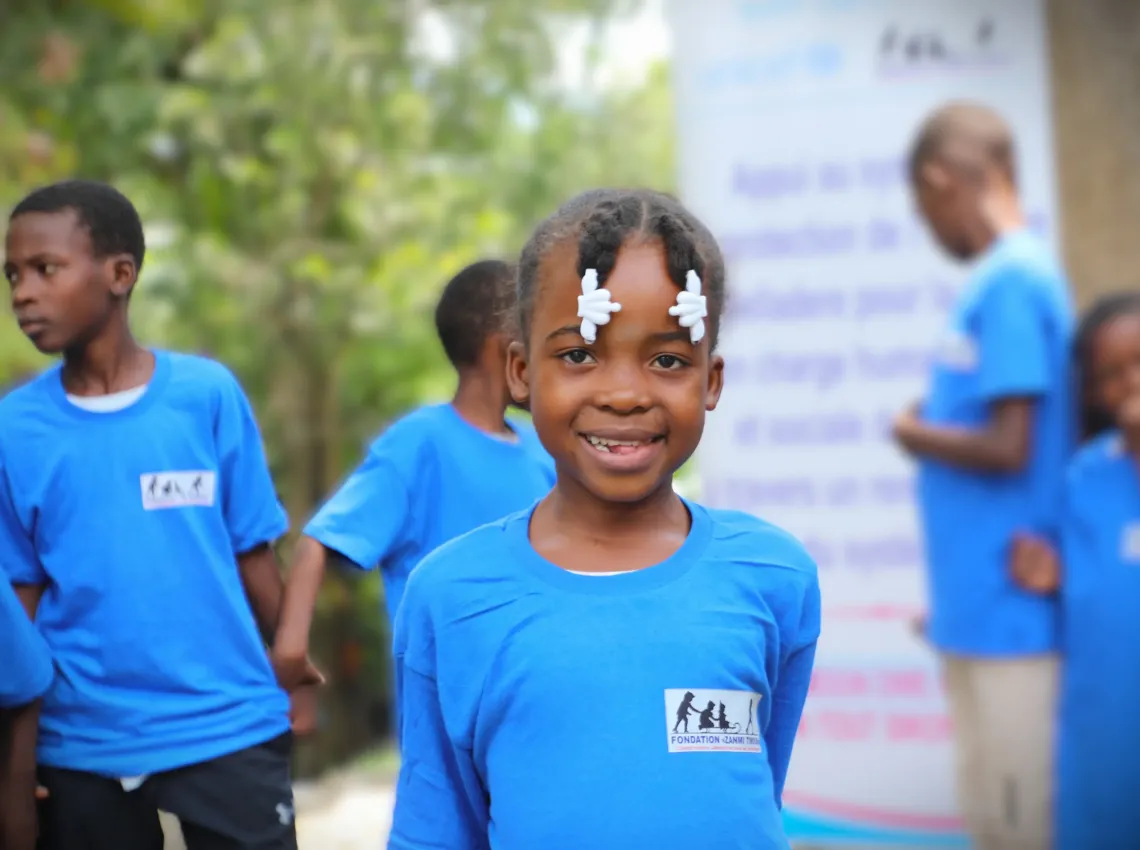
"When we arrived at the site, I was afraid for my children," Samantha shares. "But with time, thanks to protection activities, we are no longer alone. It was an enormous relief to see my son Hamsen playing with other children. These spaces give us a sense of security, even if tempered." Through these activities, the welcomed children find a space to play and participate in adapted activities, namely collective games, drawing sessions, and expression workshops, while also benefiting, according to their needs, from personalized psychosocial support led by community facilitators.
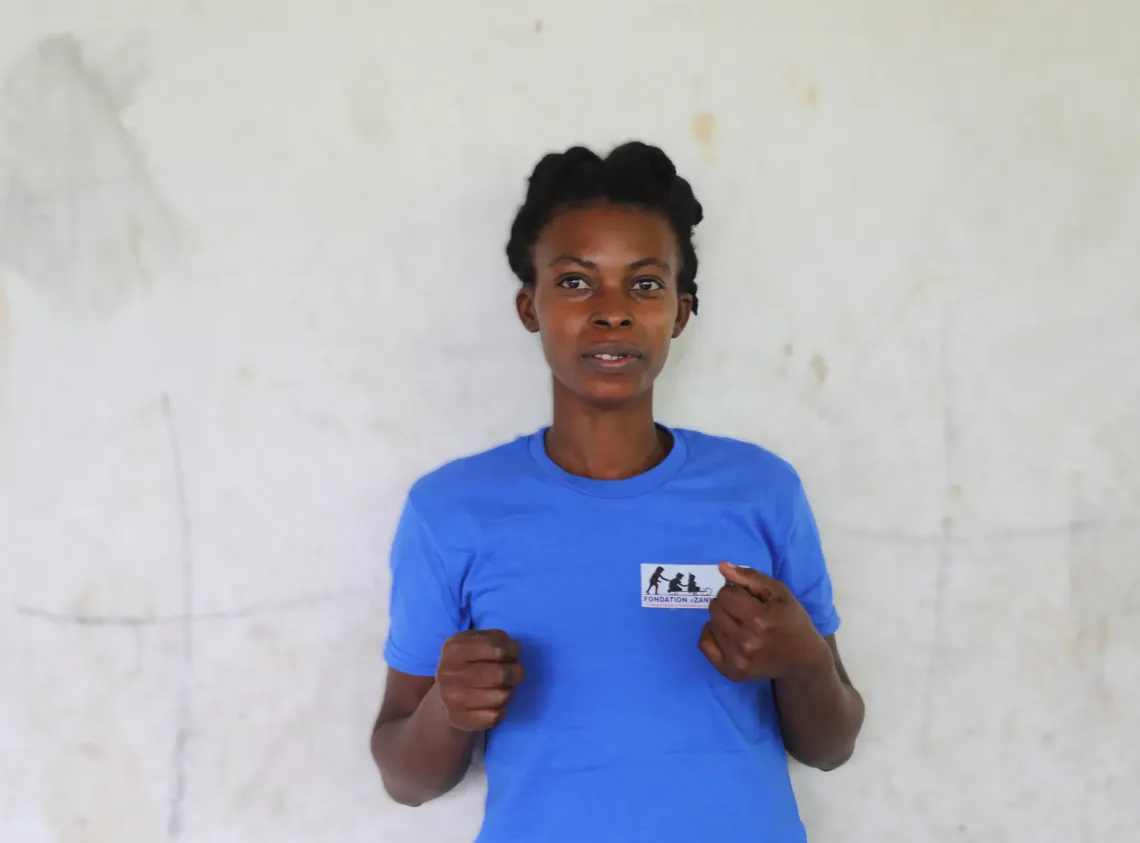
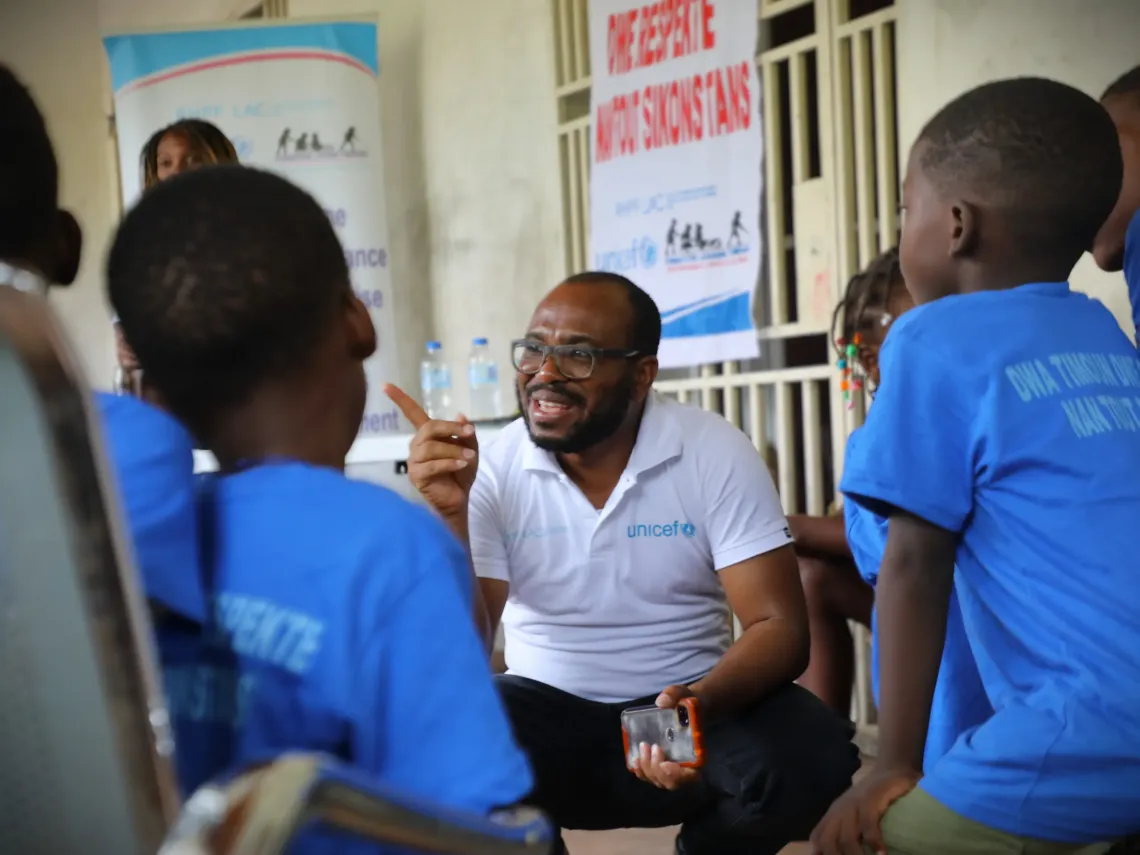
On the ground, this support relies on teams mobilized daily for the children. Among them, Wilky, regional coordinator and social worker for the Zanmi Timoun Foundation, a UNICEF partner, travels through the site. For him, recreational activities and support sessions have become much more than simple assistance ; they represent a true space for emotional reconstruction where children can express themselves, build connections, and gradually regain a sense of stability.
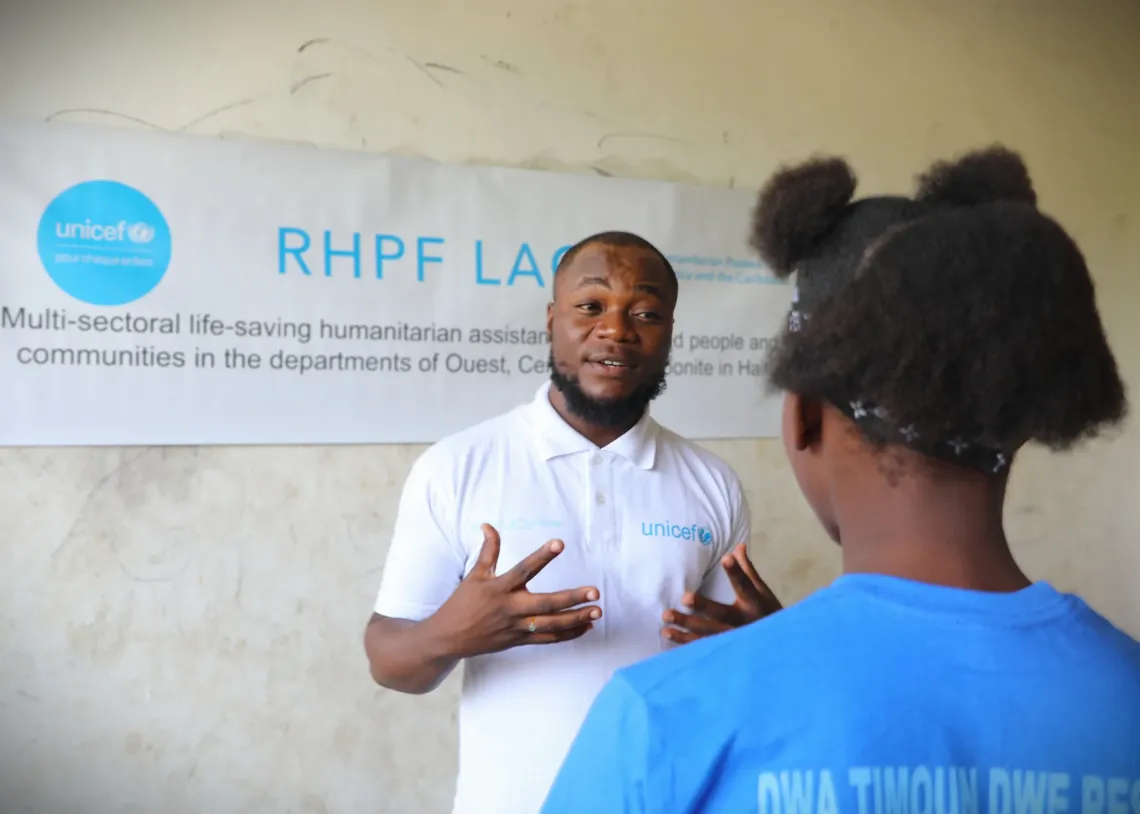
Relearning to smile and dream
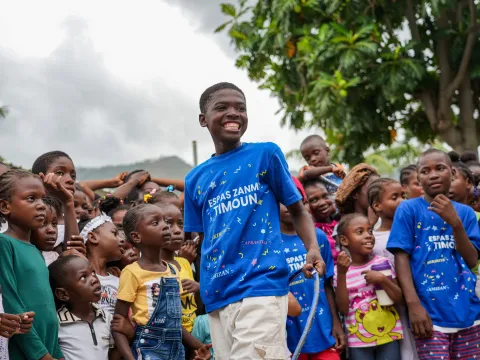
At the heart of the site, the Child-Friendly Space has become the symbol of this renewal. There, fear gradually gives way to calm and bursts of laughter. Between June and August 2026, more than 200 children benefited from age-appropriate psychosocial support adapted to their level of vulnerability, and their specific needs at the transit centre, including 24 who received focus psychosocial support.
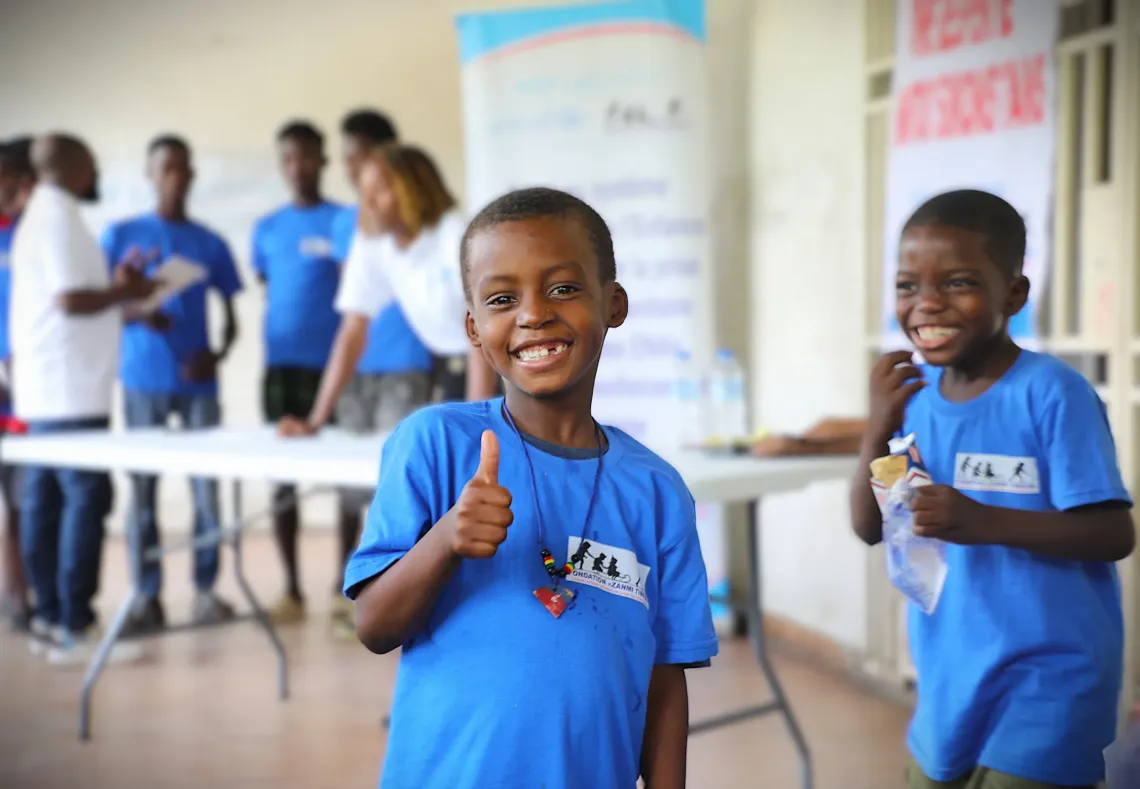
Joy is now visible on the faces of the youngest ones, like Samantha’s 5-year-old son, Hamsen, who is gradually rediscovering his carefree spirit: "When I play here, I’m not afraid," confides the little boy from Mirebalais. "When I grow up, I want to become an engineer to build strong houses."
Like Hamsen, other children are also beginning to envision their future: "Here, I’m finally having fun with my friends. My big dream is to become a lawyer to defend people," says assertively 10-year-old Lovenika.
The community as a shield
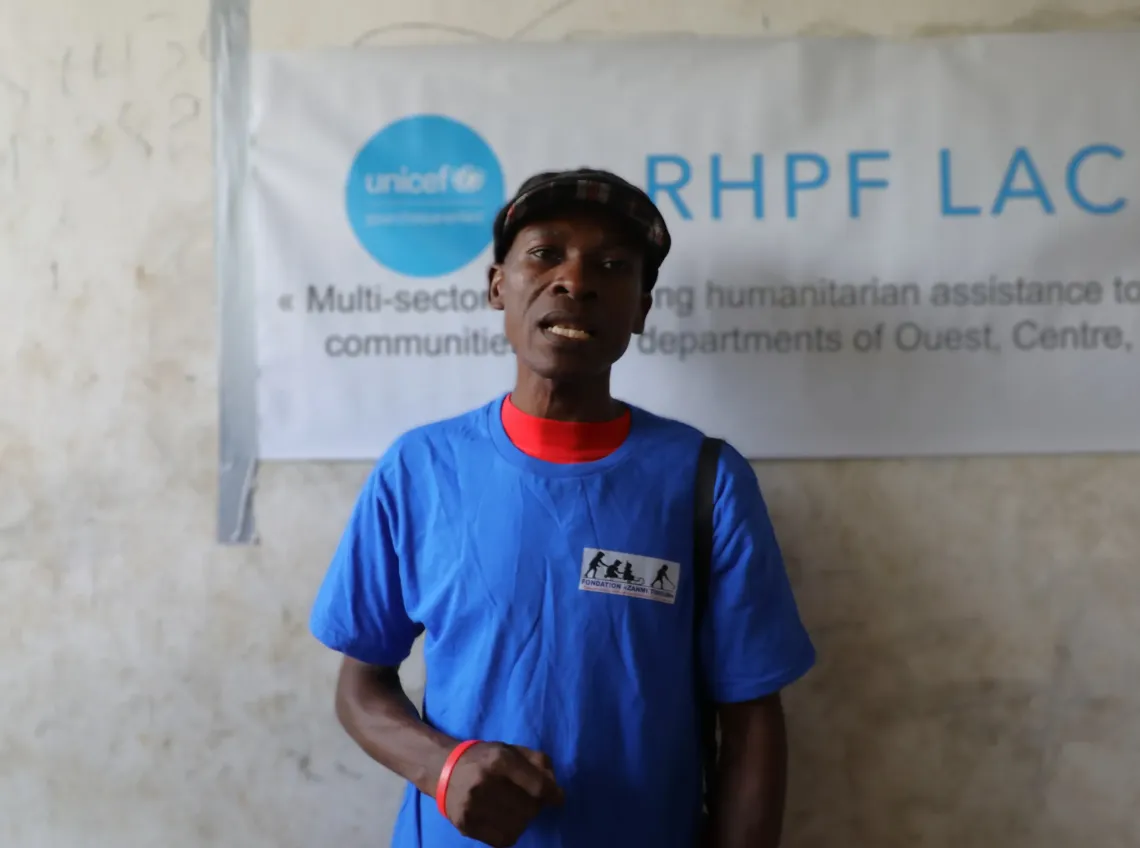
Protection does not come only from institutions; it is born at the very heart of the community. Between June and August 2026, more than 110 adults were sensitized of child protection and prevention of gender-based violence (GBV) prevention, 80 people attended targeted training, and 21 members of local committees and space managers were mobilized. Jude, himself displaced from Mirebalais, has become one of these pillars: "I do not simply learn. I reach out to others to protect our children."
Beyond daily support, the teams also work to restore family ties broken by violence and displacement. More than 200 unaccompanied children and adolescents separated from their parents were identified, cared for, and supported until their family reunification.
Like Samantha and her children, many displaced families benefit from these interventions, implemented by the Institute of Social Welfare and Research (IBESR), UNICEF, and their partners, thanks to the support of the Regional Humanitarian Pooled Fund for Latin America and the Caribbean – Haiti (RHPF LAC), to strengthen their protection against the impacts of displacement and allow children to dream about a future once again.