How to improve your child's eating habits
Proper nutrition is a unique asset for every child. Discover some tips to help children adopt healthier eating habits that will stay with them for life.
- English
- ქართული
Proper nutrition is a unique asset for every child. That is why it is important for children to adopt healthy eating habits from an early age that will stay with them for life.
Nutritionist Melina Karypidou gives us some easy tips so that we can teach our children the importance of good nutrition and physical health and help them adopt healthier eating habits and thus a healthier lifestyle.
1. Be a role model for your child
Children imitate the behaviours of their parents and guardians. If parents eat nutritiously and maintain balanced eating habits, they are more likely to follow their example. Demonstrate the importance of variety in the diet and choose fruits, vegetables, whole grains, dairy.
2. Avoid stigma
Don't comment on or judge other people's eating behaviors. Do not stigmatize people based on their body weight or physical activity. Do not comment on how or how much each person eats. Usually, children eat slowly.
3. Limit the consumption and availability of packaged foods and foods rich in sugar and/or salt and/or fat
Increased consumption of sugar and packaged foods can lead to weight gain and health problems. Limit these options at home and opt for more nutritious versions, such as fresh fruit or homemade sweets, calcium-rich sweets (e.g. rice pudding), etc. Don't forget that availability is a key factor in children's final choices.
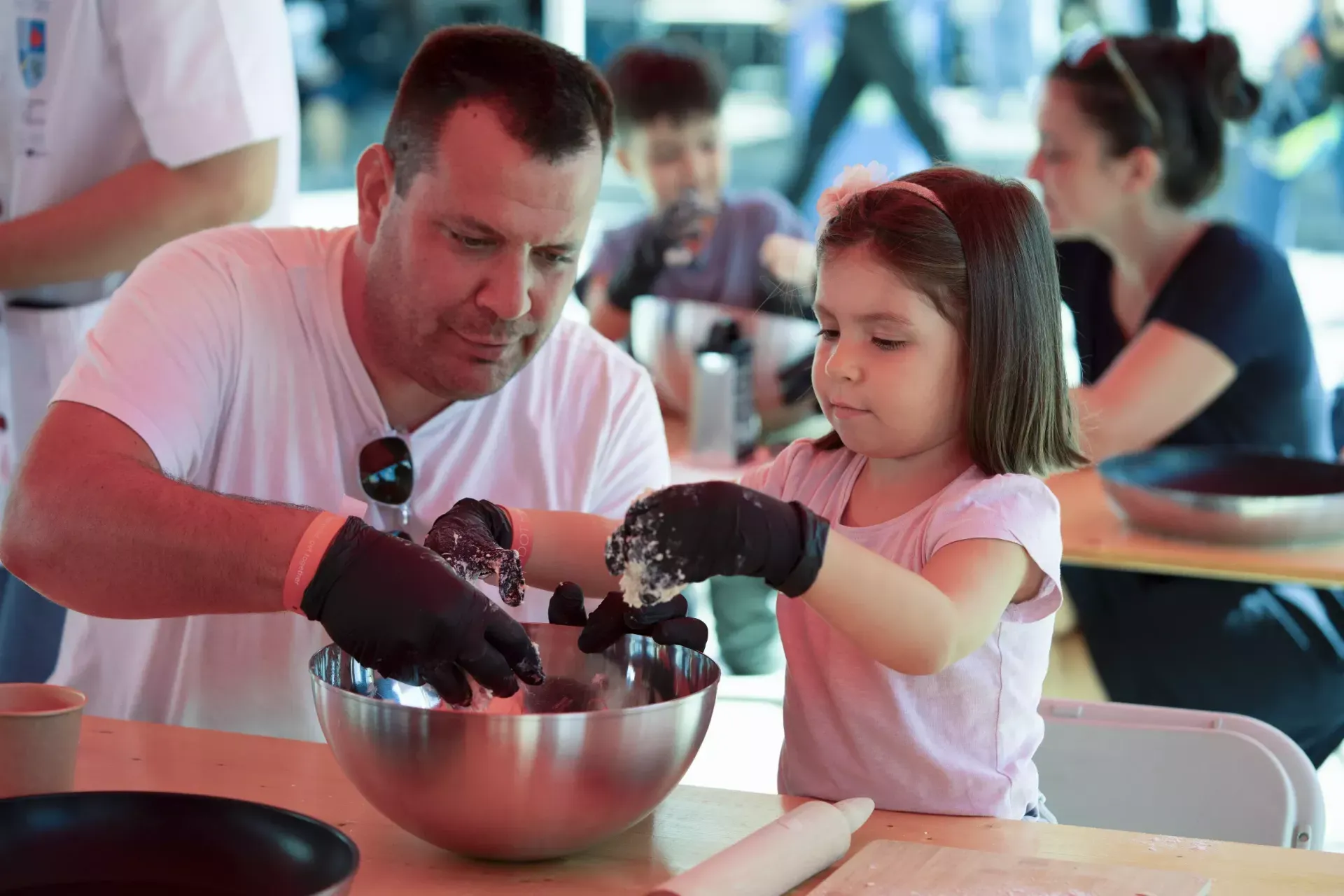
4. Involve children in the meal preparation process
When children are involved in meal preparation, they are more likely to try new foods and feel responsible for a balanced diet. You can ask them to choose which vegetables to use or to help in the cooking process.
Go to the supermarket, the grocery store, the farmers' market together. This way they learn about the seasonality of food, colours, shapes, etc.
Cook with them. Make the family's weekly menu together. Make their school lunch together.
Let them prepare the weekend breakfast that you all eat together.
Ask the children to choose and give you a basket of fruit, those of their choice, to prepare a fruit salad.
5. Set consistent meals and snacks
Establishing a routine helps children know when to expect their meals and snacks, reducing the likelihood that they will ask for non-nutritious foods or eat uncontrollably. Offer healthy snack options, such as fruit, yogurt or nuts.
Eat at least 1 meal a day together, sitting the whole family at the table with no distractions (screens, books, etc.).
6. Offer a variety of foods
Variety is key to nutrition. Make sure your children try different types of foods from all groups: fruits, vegetables, whole grains, and dairy. It's a good idea to have a variety of colours in fruits and vegetables to ensure a variety of nutrients. This will help them to become familiar with different tastes and develop balanced tastes.
7. Experiment with your children!
Less ‘familiar’ and ‘favourite’ foods of children can be combined with foods they are used to eating and prefer (for example, you can make a pasta with broccoli).
Children's familiar and favourite foods are good to be eaten midweek. Foods that children do not particularly like are best eaten at the weekend, with the whole family together and in a very pleasant atmosphere.
Your child is quite likely to refuse to try a food the first time you offer it. But this is normal and need not discourage you. On the contrary, it is important to offer it again, as it seems to take more than 10 attempts for a child to try a new food and even more until that food becomes familiar and liked by the child.
The whole family should eat the same food! Try different ways of cooking or serving the same food, with an emphasis on “appearance”, as the child is more likely to eat a food/food if it is attractive to them.
8. Do not use food as a reward or punishment
You should not use food as a reward or punishment for your child. For example, do not reward a desirable behaviour of your child by offering less nutritious foods that he or she likes (such as sweet and salty foods or snacks). It is important to remember that when food is offered as a reward, the child is likely to develop misconceptions about it, inferring that some food groups (such as sweet snacks) are more “important” than others (such as vegetables), since the former are a means of rewarding a “good” behaviour. The reward can be material or non-material. Non-material rewards ("Well done Cleo! You helped me a lot with the shopping today, so we can go to the park this afternoon") is usually more effective than material rewards (such as buying a toy). Also, non-material rewards are usually not costly and can be given directly and more often to the child.
9. Teach children to listen to their bodies
Teach children to listen to their bodies, to eat when they are hungry and to stop when they are full. Avoid pressuring them to finish their plate or eat if they are not hungry, as this can create unhealthy habits.
10. Create a pleasant experience at meals
Try to have meals in a pleasant and calm environment, without pressure or tension. This helps children associate food with positive emotions.