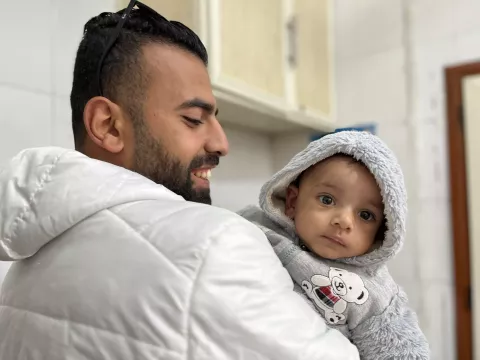
Worship places join the fight against COVID-19
Mosques and churches participate in a vaccination campaign in Menoufeya
- English
- العربية
In Menoufeya governorate, in the North of Egypt, worship places play a very special role in villages. For both Muslims and Christians, mosques and churches represent more than prayer venues: they are a source of hope and social solidarity.
Since 2020, the COVID-19 pandemic has imposed exceptional circumstances and tough challenges on worship places across the country. Mosques and churches usually host crowded gatherings during prayers and religious rituals, and it was difficult to track contacts of any confirmed cases.
To curb the spread of the virus, the government included mosques and churches in the list of closure in March 2020. Almost 5 months later, the reopening was gradual and with strict health measures.
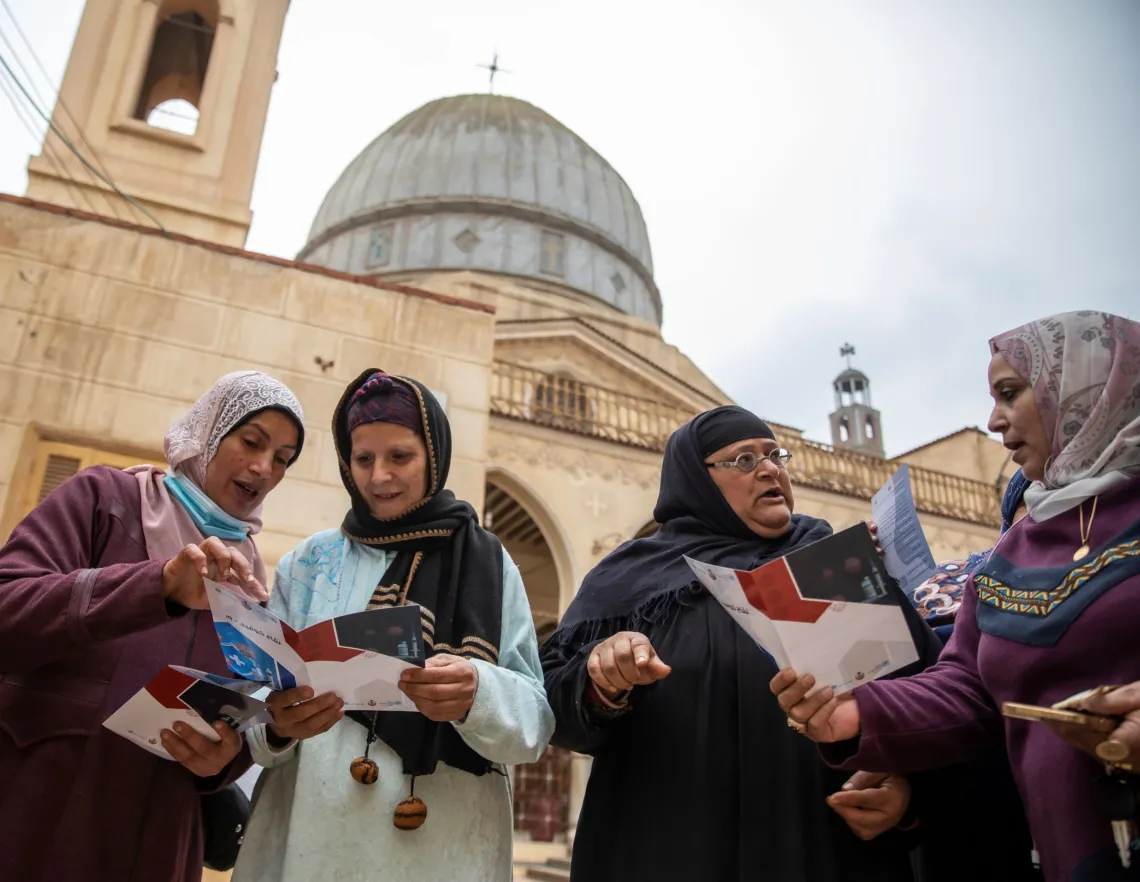
To benefit from their social influence over masses, religious leaders started to include COVID-19 awareness in their weekly sermons. Some mosques and churches in Menoufeya hosted a doctor during Friday and Sunday sermons to talk to the attendees on the importance of protective measures such as handwashing and wearing masks and to address their concerns regarding the pandemic.
In 2022, worship places in the governorate are playing another active role in fighting the pandemic: dedicating their spaces for vaccination.
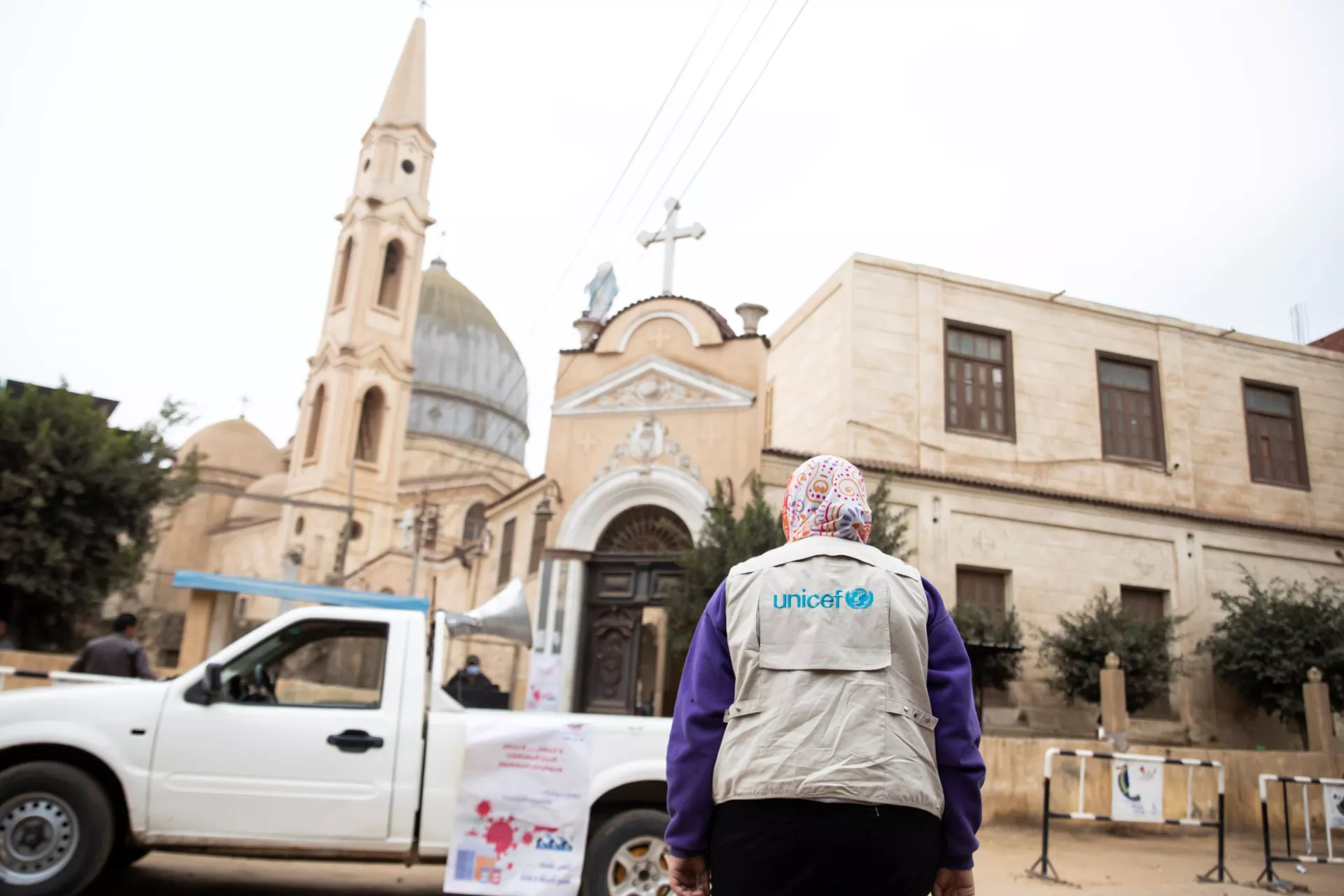
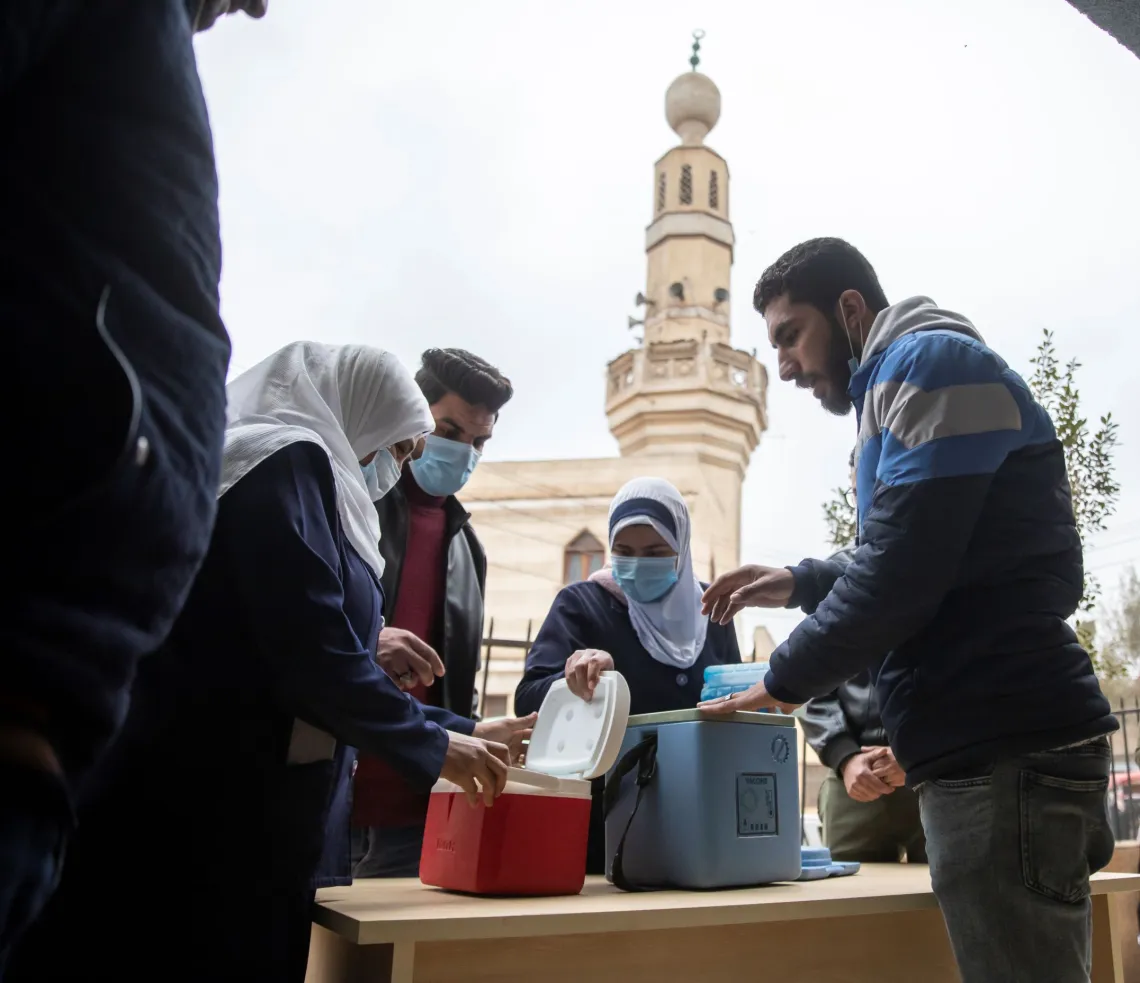
Almost 120 mosques and churches in Menoufeya joined the recent campaign of the Ministry of Health and Population to vaccinate the governorate's most deprived residents in more than 300 villages. They dedicated spaces for mobile vaccination teams that visited each village and stayed for the campaign days. The arrival of vaccination teams and their location and working hours were announced using the mosques and churches' large microphones, and believers were encouraged by religious leaders to take the vaccine.
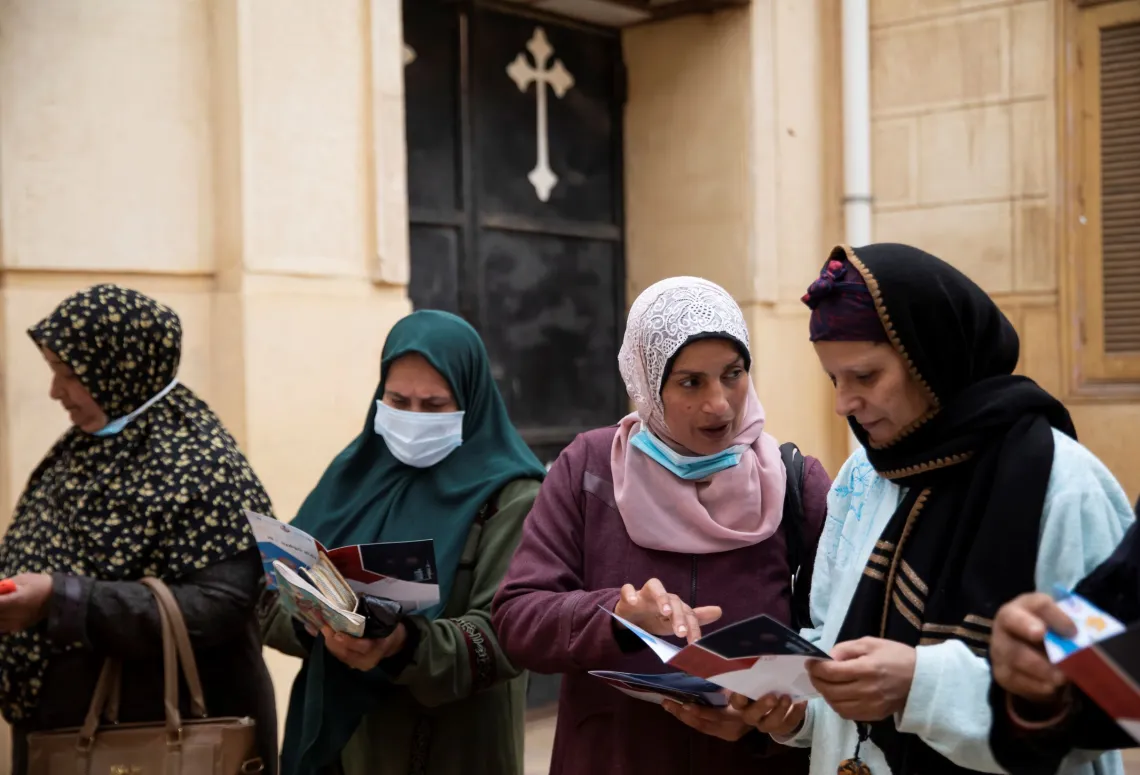
Some mosques and churches even hosted doctors for special awareness sessions to address safety concerns that contribute to vaccine hesitancy. Whether coming for awareness sessions or vaccination, citizens were welcomed regardless of their religion.
Such strategy to use worship places as venues for this campaign was very fruitful. Mosques and churches are landmarks usually located at the center of every village, this provided easy access to villagers to the vaccination team. Their spaces provided some privacy for conservative female citizens.
In total, 120 mosques and churches were involved in Menoufya, supporting the full vaccination of almost 1 million people in less than a month.
UNICEF support to get everyone safe
Between Spring 2021 and Spring 2022, UNICEF supported the Ministry of Health and Population (MoHP) by facilitating the delivery of a whopping 85.5 million doses of AstraZeneca, Pfizer, Moderna, and Johnson & Johnson COVID-19 vaccines doses. This represents more than 8% of the total number of vaccines doses delivered by COVAX globally as of January 2022.
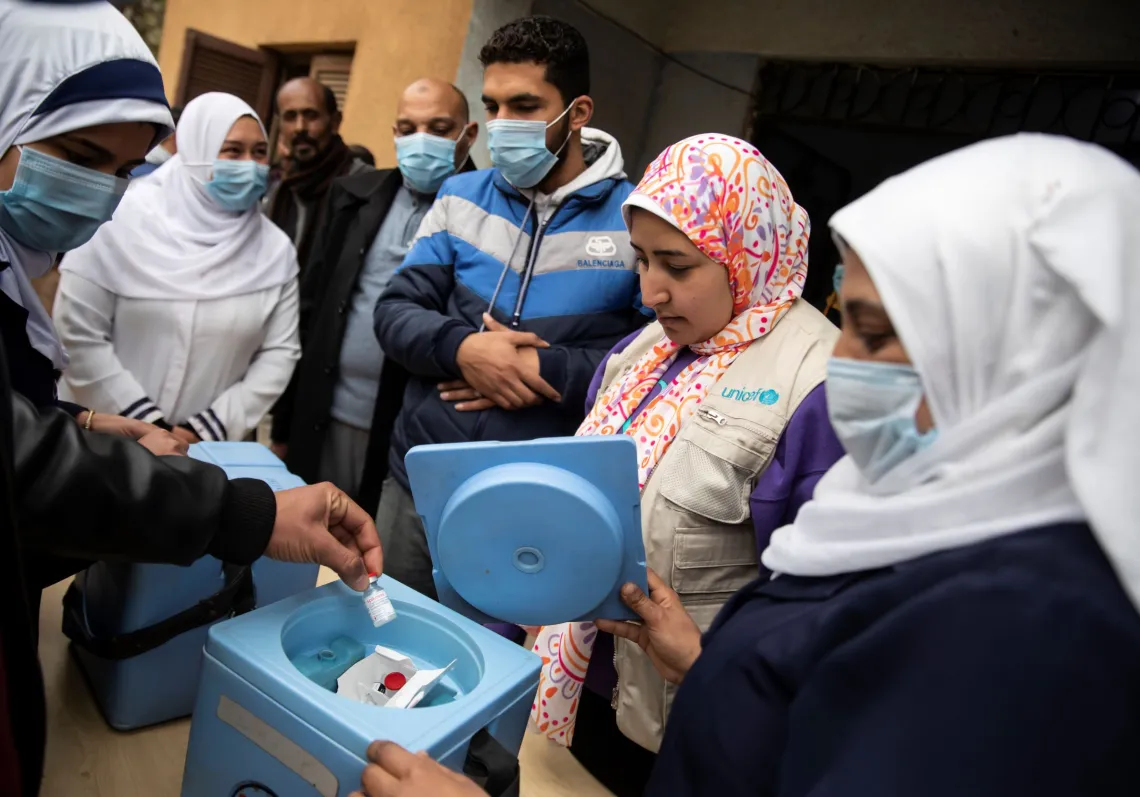
Egypt has already taken some steps to drive more people to get vaccinated. A proof of vaccination is required to enter many official venues, vaccination is compulsory for groups such as healthcare workers and nearly 1,400 vaccination centers spread across the country to vaccinated Egyptians and non-Egyptians. In these vaccination centers, UNICEF supports the capacity building of healthcare workers in order to provide high quality vaccination services.
Such strategy that tackled both demand and supply of vaccines resulted in 44 million people getting vaccinated with at least one dose, and 31 million with two doses as of early April 2022.
UNICEF has also been supporting the Ministry of Health with cold chain equipment like vaccine refrigerators, vaccine carriers, ice boxes, refrigerated trucks, cold rooms, and ultra-cold temperature freezers.