Voices of Survivors
Testimonials from girls who were subjected to the crime of FGM Medicalization in Upper Egypt
- English
- العربية
In its 2021 edition, the Egyptian Family Health Survey showed promising and worrying results on the Female Genital Mutilation (FGM) compared to its previous version, released in 2014.
On the other hand, there is a marked increase in a phenomenon that the World Health Organization describes as the "medicalization of Female Genital Mutilation (FGM)" and local communities in Egypt describe as "medical circumcision," "purifying by a doctor," or "cosmetic circumcision". This is a surgical procedure that is not mentioned in medical textbooks and is considered a medical crime for mutilation of the external genitalia and removal of the clitoris (an effective organ in the female body).
About 84 per cent of FGM cases in Egypt are performed by doctors or nursing staff, putting Egypt at the top of the list of countries where FGM medicalization is common.
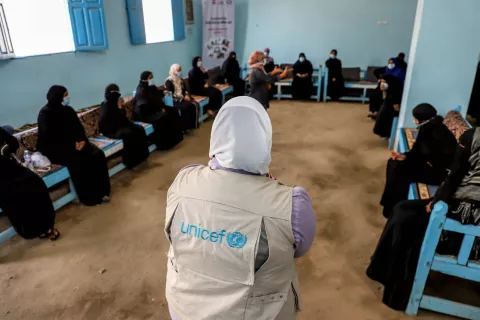
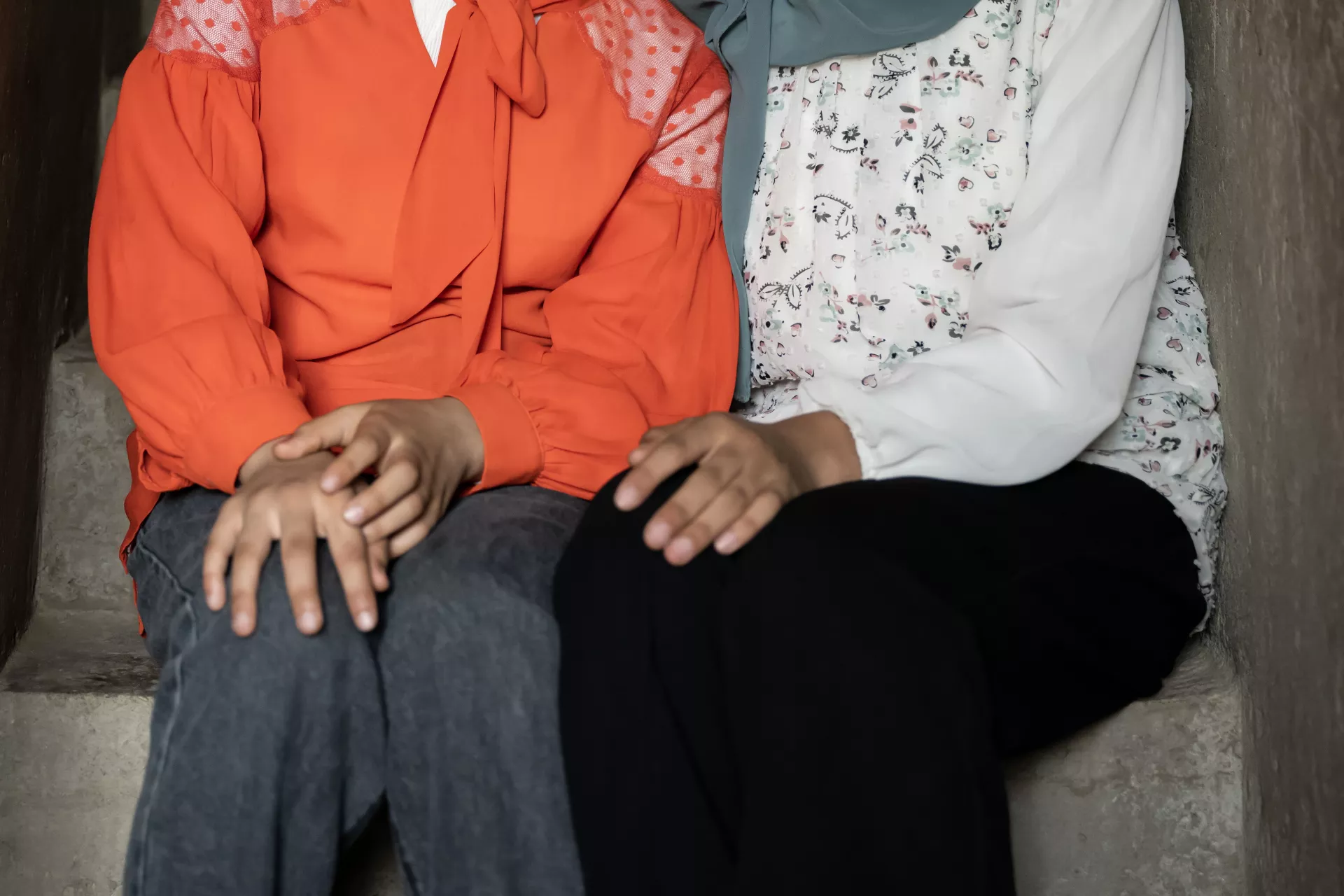
In June 2023, UNICEF listened to girl survivors of FGM medicalization in Upper Egypt. This photo essay presents their genuine experiences. Names have been changed to protect their safety and privacy.
The National Committee for the Eradication of FGM conducts awareness campaigns throughout the year, especially on the National and Global Days against FGM. This committee is co-led by the National Council for Women and the National Council for Childhood and Motherhood, and is supported by the joint UNICEF - UNFPA programme to eliminate FGM.
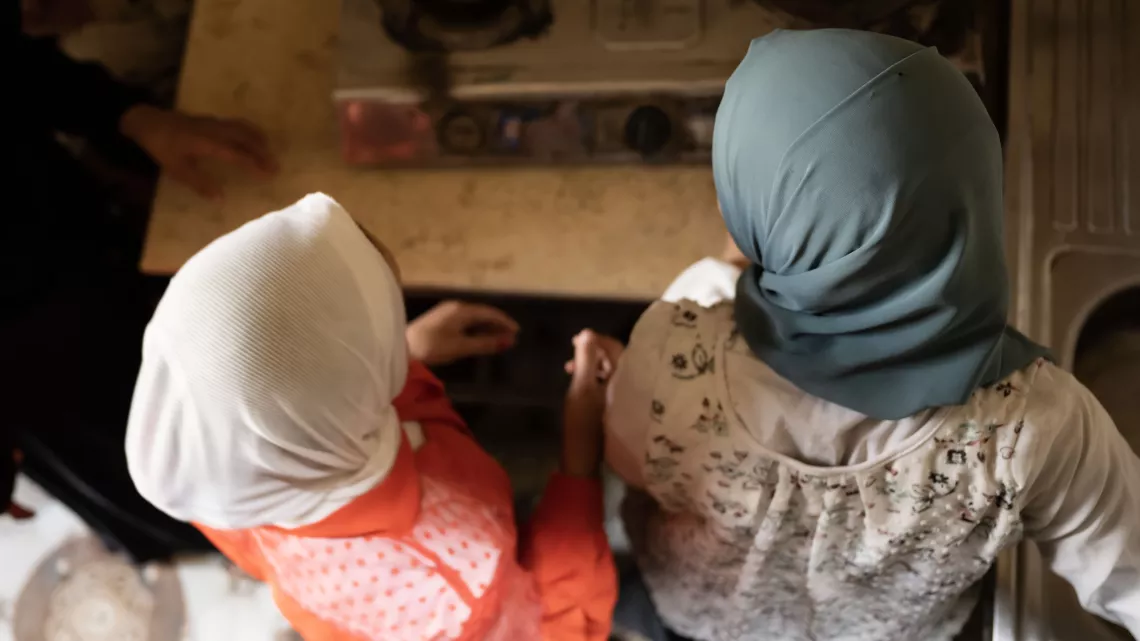
"Mom said they would 'purify' me and my sister. We objected! After a while, we forgot all about it until she took us out one day, and we didn’t expect it to come. We found ourselves going to the doctor, and Mom explained that we needed to do some tests. As we arrived, she confessed that she was going to cut us by the doctor. I was afraid, but I admired the doctor because I would like to be a doctor one day. I was certain he would advise me on what was best, so I walked in. After I was cut, I came out and saw my younger sister. She asked me: was it easy or difficult? It wasn't easy—a moment of pure fear. But I reassured her, and she heard my words and went in. Unfortunately, I bled and got really sick. We stayed home for 15 days for recovery. We asked Mom: why did you do this to us? She said: all the girls go through it; you’re not the first or last. I told her: we have to be the last." - Noha, 15 years old
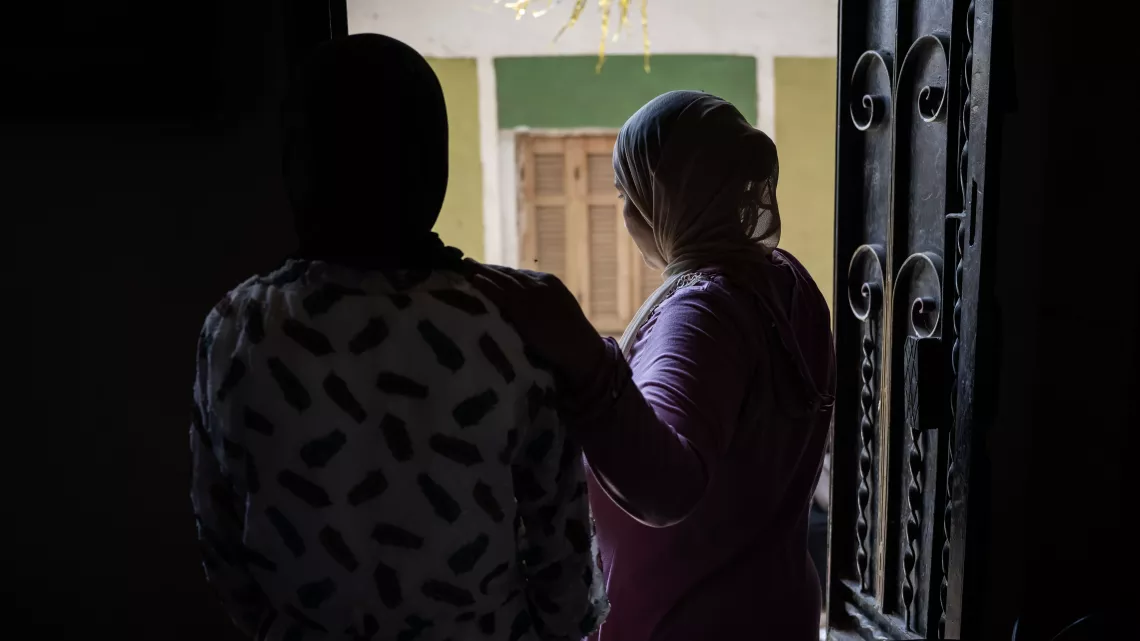
"After I got cut, I had nightmares that I was about to go through it again. As I woke up terrified, I wanted to hug someone so I could feel safe. I couldn't hug my mother because she was the one who did this to me." - Manar, 13 years old
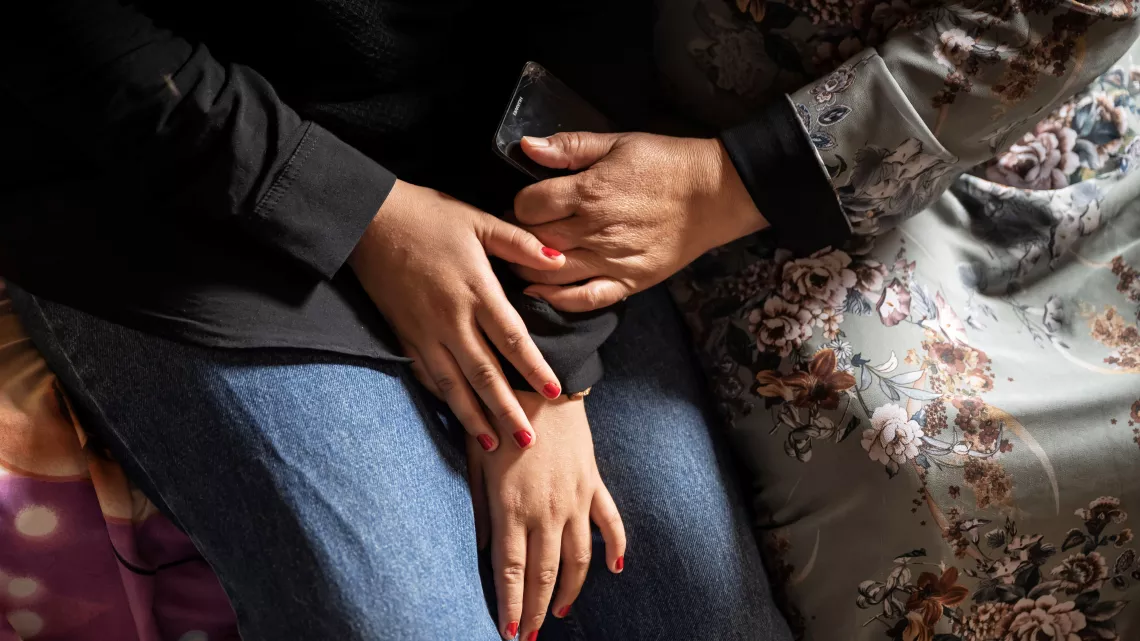
"I want girls my age to say no to FGM and ask their parents not to do this to them. I want them to discuss it in their schools. Parents should pay attention to what their children say. They always say we’re too young to understand, but they must listen to us as we listen to them. Sometimes, parents follow others and cut their girls because of tradition. But in the bottom of their heart, they might be against it." - Shaimaa, 15 years old.
"The doctors know that what they are doing is wrong. But they don't want anyone to say they can’t do such a simple procedure. Doctors don't learn how to cut girls at medical school; it's something they learned from midwives. My dream is to become a doctor to help patients, especially children, because I love children very much. I want to be one of the doctors who never cut children but protect them from bad and harmful traditions.” - Marwa, 15 years old