UNICEF's Emergency Aid Efforts supported by CERF
A comprehensive overview of UNICEF Egypt's WASH response to the Sudan crisis

- English
- العربية
In the face of Sudan's ongoing conflict, UNICEF Egypt has played a pivotal role in addressing the pressing needs of the displaced people. Through the generous contribution of funds from the Central Emergency Response Fund (CERF), UNICEF, in partnership with Aswan Water Company and development partners, was on the ground to provide clean water, sanitation, and hygiene support to those fleeing the conflict.
Water Supply and Sanitation:
One of the primary challenges was the need for clean water and adequate sanitation facilities. In partnership with Aswan Water Company, UNICEF has successfully addressed this issue by deploying 30 water trucks and delivering 240,000 liters of clean water to the Argeen and Qustul border crossings and the Karkar International Bus Station. Simultaneously, sewage water evacuation services were implemented, ensuring the proper disposal of waste from septic tanks in mobile toilets.
Hygiene Kits Distribution:
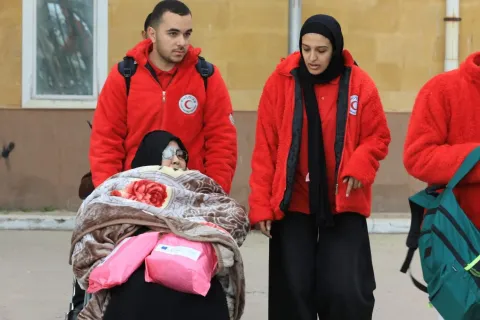
Recognizing the importance of promoting good hygiene practices, UNICEF, in collaboration with Caritas – Egypt and Egyptian Red Crescent (ERC), has distributed 50,000 hygiene kits to Sudanese families and children, particularly those attending UNICEF-supported community schools and Child Protection Family Clubs.

Waste Management and Toilet Rehabilitation:
In partnership with the ERC, UNICEF has significantly contributed to waste management systems in the abovementioned areas. By providing equipment and manpower, we focus on efficient waste collection and disposal, thereby minimizing environmental contamination and reducing the risk of disease transmission. Additionally, 24 fixed toilets have been rehabilitated in critical locations, including the Karkar International Bus Station and Aswan Train Station, with specific attention given to the needs of people with disability. Moreover, the installation of 60 mobile toilets on the two borders and the international bus station addresses the urgent need for sanitation facilities. An estimated 250,000 Sudanese now benefit from WASH facilities at these vital transit hubs.

Collaborative Maintenance and Monitoring:
To ensure the sustainability of the facilities provided, UNICEF, along with the ERC, established a comprehensive maintenance and cleaning system. A dedicated team supervised by the ERC is responsible for the upkeep of both mobile and fixed toilets. UNICEF WASH team conducts frequent field visits to the borders and the international bus station, actively overseeing water availability, cleanliness, and the general maintenance of WASH facilities.