What young people think of climate policy
UNICEF asked 40,000 young people in Europe and Central Asia for their opinions on climate policy. This is what they said.
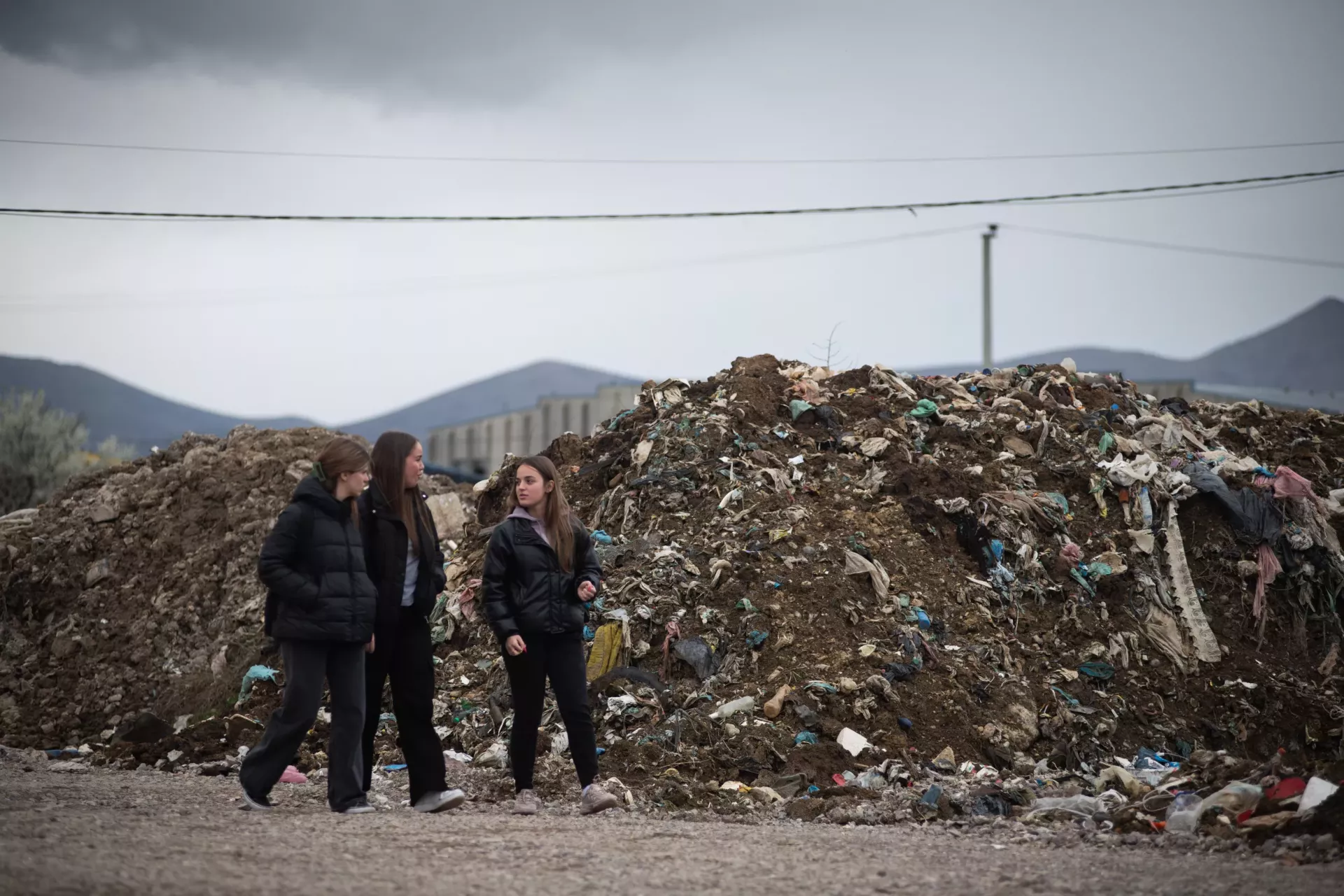
Around the world, young people are expressing their worry and fear about the impacts of climate change. After all, today’s youth will be affected by today’s climate choices for the longest period of time: a child born today will likely live to 2100, by which time most scientists warn we will see many of the most dangerous consequences of climate change occur. They have the right to have a say in the decisions that directly impact both their lives today, and in the future.
What do young people, themselves, say about the climate – and about how prepared they feel to respond to the ways in which it is changing? For a fourth time, UNICEF and the European Training Foundation have partnered to ask them, polling young people across 21 countries in Europe and Central Asia.
Here are six of the main themes that stuck out from more than 40,000 young people’s responses – and what stakeholders and policymakers can do about them.
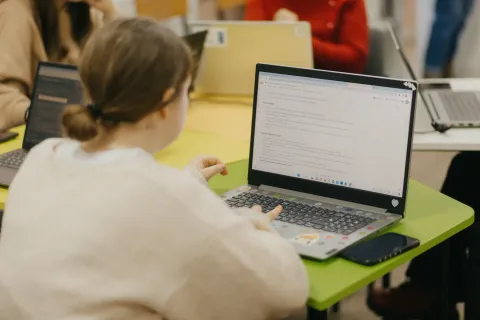
- More young people get information about climate change from social media than from their schools. More than two-thirds of respondents, 68.5 per cent, said that they learned about climate change on social media. Only a little more than half, 51.1 per cent, said they learned about it at school. The third most-cited source was far behind: television, with 30.4 per cent.
- Most young people surveyed don’t believe technology alone can fix the climate crisis – or aren’t sure. Four out of 10 disagreed with the statement “Technological fixes alone (e.g. electric cars, solar panels, energy-saving buildings, hydropower) will solve the climate crisis.” Almost three in 10 weren’t sure, while three in 10 agreed.
- They don’t believe their education is preparing them for a greener future. Almost one-third said it wasn’t, more than one-third said it was “somewhat” doing so. Fewer than one-fifth said that it was.
- They hold governments responsible for addressing the climate crisis. When asked who should be responsible for addressing climate change and preventing disasters, nearly half said government and more than one-fifth said international organizations, like the United Nations. Only about one-sixth said “businesses and industries”, although these processes have a major impact on the climate. About one-sixth also cited environmental NGOs and “personal responsibility.” Altogether, the responses paint a picture of young people believing that, while policies and processes need to come from government, climate action requires a multifaceted approach.
- Yet they have little confidence that governments will do so. A third of respondents said they were “not confident at all” that their governments will fulfil their climate commitments, and more than a quarter said they were “only a little confident.”
- Young people want more opportunities to express their views on environmental policies and climate action. Nearly half of respondents said there were not enough. Nearly one in five said they weren’t aware of what opportunities were available.
Altogether, the report paints a picture of young people who, overall, feel they are lacking education on the climate and on green skills, are concerned that the government will not do enough to protect them from the worst impacts of climate change, and who want to be more involved and engaged in securing a greener, better future.
We owe it to children to listen to their requests – and offer them the opportunity to create the future that they want to see. We must ensure they are receiving quality education on the climate across different subjects in schools and vocational training, including preparing children for green jobs and industries. We must foster a holistic understanding of climate solutions, including promoting systems thinking, supporting research and development in green technology, and incorporating social and policy dimensions. And we must offer young people more ways to be a part of the solution, such as by better utilizing social media for education and engagement, establishing o consolidating youth climate forums and councils, and promoting local climate initiatives.
More information available in our report, here.