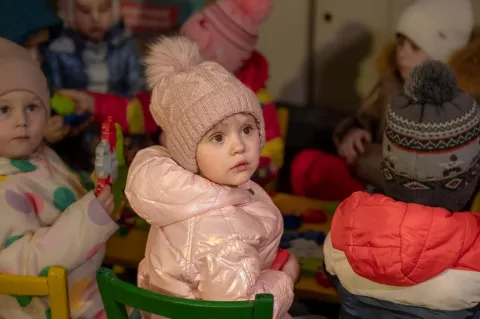
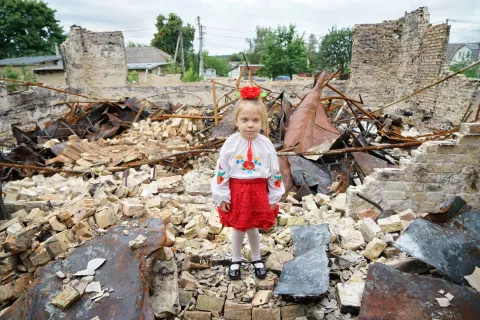
Three years of full-scale war for Ukraine’s children
The war in Ukraine has taken a devastating toll on children, disrupting their lives at critical stages in their development
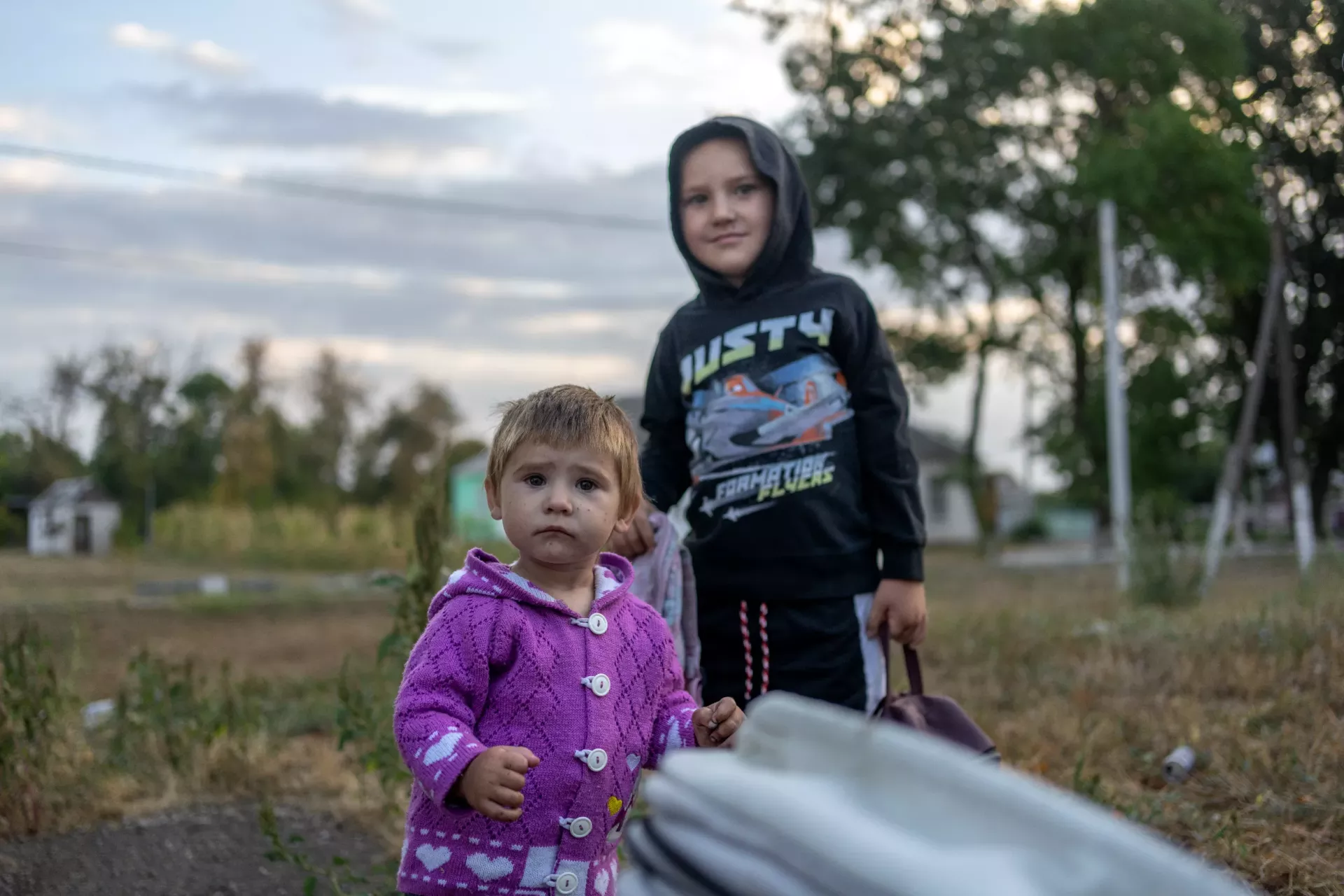
For children aged three and younger, their entire lives – and most formative years – have been marred by bombardment, violence and displacement. The stress of their experiences and disruption of essential services risks influencing their lifelong health and learning.
Teenagers have been particularly affected by school closures, lack of interaction with peers, and constant stress, all of which have led to immense learning losses and mental health challenges.
The ongoing intensity of the war means some 3.7 million people are still internally displaced and 6.86 million are living outside the country. More than 2,520 children have been killed or injured since February 2022. The true number is likely far higher, as these figures account only for casualties verified by the UN.
Impact of the war on children
The effects of war are seen throughout the entire growth cycle of children, from early childhood into adulthood. With more than 1,600 schools and nearly 786 health facilities damaged or destroyed over the past three years, children’s access to education and healthcare has been severely affected. These buildings are not just physical structures, they are lifelines for recovery and resilience.
For adolescents and youth, this means a reduction in learning and the skills required to enter the workforce, putting their futures – and Ukraine’s ability to recover – at risk.
UNICEF/UNI739381/Filippov
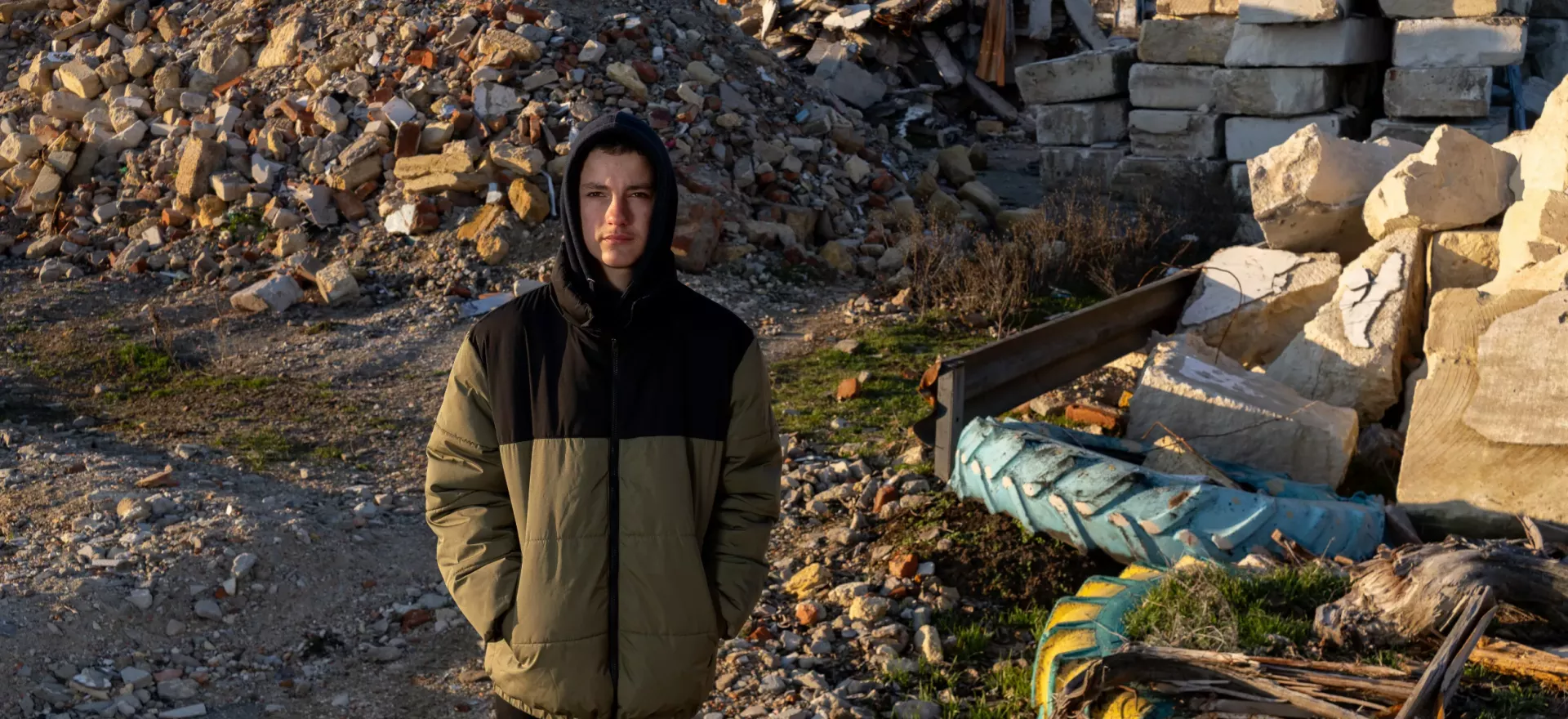
“My classroom was on the second floor. There’s nothing left of it. I really wish they would build us a new school. I will probably never sit at a school desk again and will have to finish my studies online, but I hope my two younger brothers can have a proper education,”
says 15-year-old David standing in front of his destroyed school.
A mental health crisis
The years of adolescence have also been particularly challenging for Ukraine’s teenagers, for whom school closures, the absence of proper shelters, lack of connectivity, and constant stress, have led to immense learning losses and mental health challenges among Ukrainian children and young people. Feelings of sadness, anxiety, and loneliness are especially common among girls.
Mental health challenges are exacerbated by a lack of in-person interactions among peers and children forced to spend hours at a time sheltering in basements as air raid sirens sound above. In Ukraine, most adolescents have been isolated from their peers, missing out on valuable social engagement opportunities and on the support that trusted teachers can provide.

UNICEF/UNI509084/Filippov
“I have noticed that as soon as I hear an air raid alarm, my mood deteriorates, and I become sad and nervous," says Nika.
“I have seen and heard what a war is, but it is hard to explain it to anyone who has not experienced it. It seems to me this is so unpleasant that I can’t even find words to describe it."
In refugee-hosting countries, UNICEF complements national efforts, addressing persistent humanitarian needs of those in long-term displacement while promoting a sustainable transition to national systems. This includes programmes focused on providing children from Ukraine, alongside marginalised children from host communities, with quality education, health care and protection.
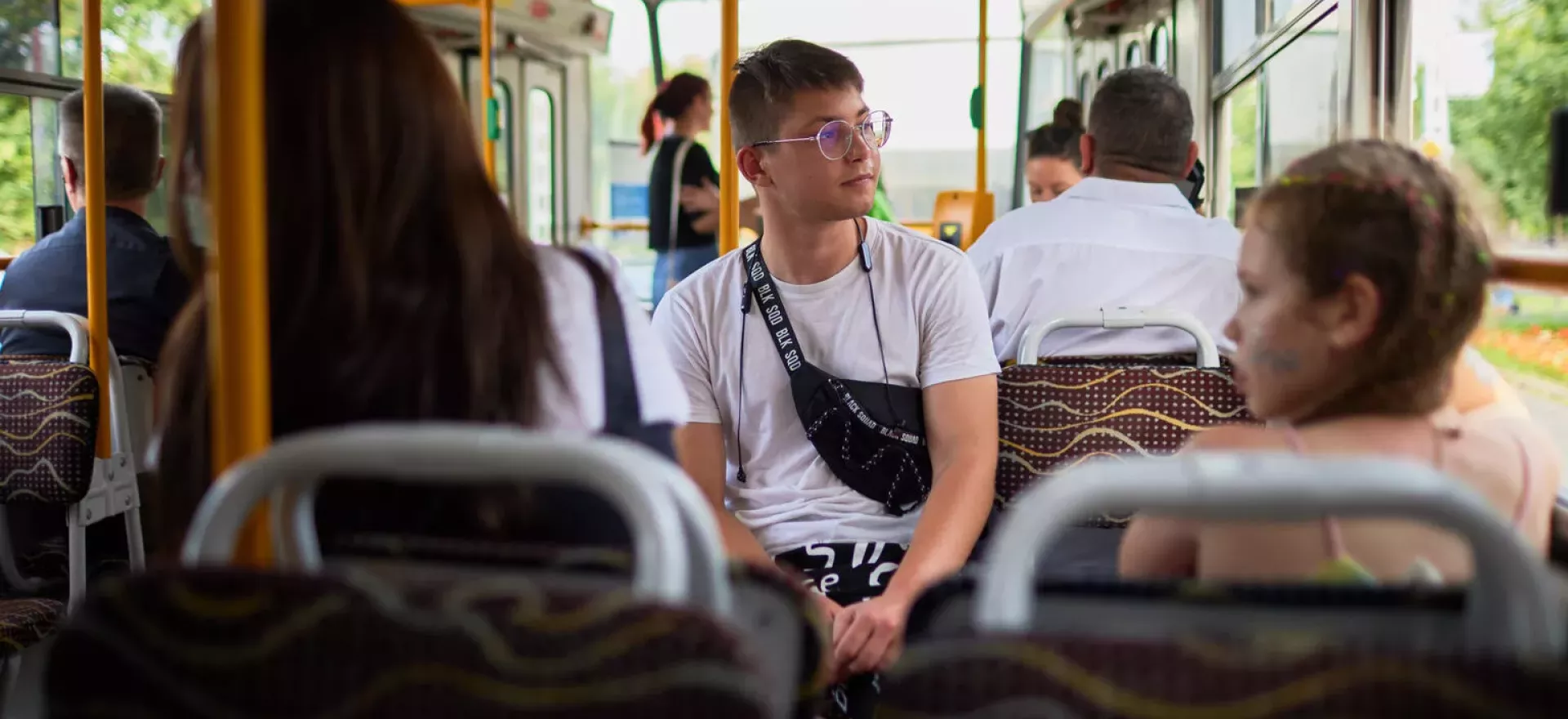
UNICEF/UNI608524/Cernius
“After the sirens wailed, we rushed to a nearby shelter, I will never forget the sight when looking back, right before entering. Buildings were being blown up metres from us, there was chaos all over, and everyone was screaming,”
says 16-year-old Nikita who fled Ukraine with his family to set up a new life in Budapest, Hungary. Read more.
Recovery and beyond
Despite this, Ukraine’s children, their families and communities have demonstrated extraordinary resilience and resolve. But they need sustained and tailored services to meet their ongoing needs.
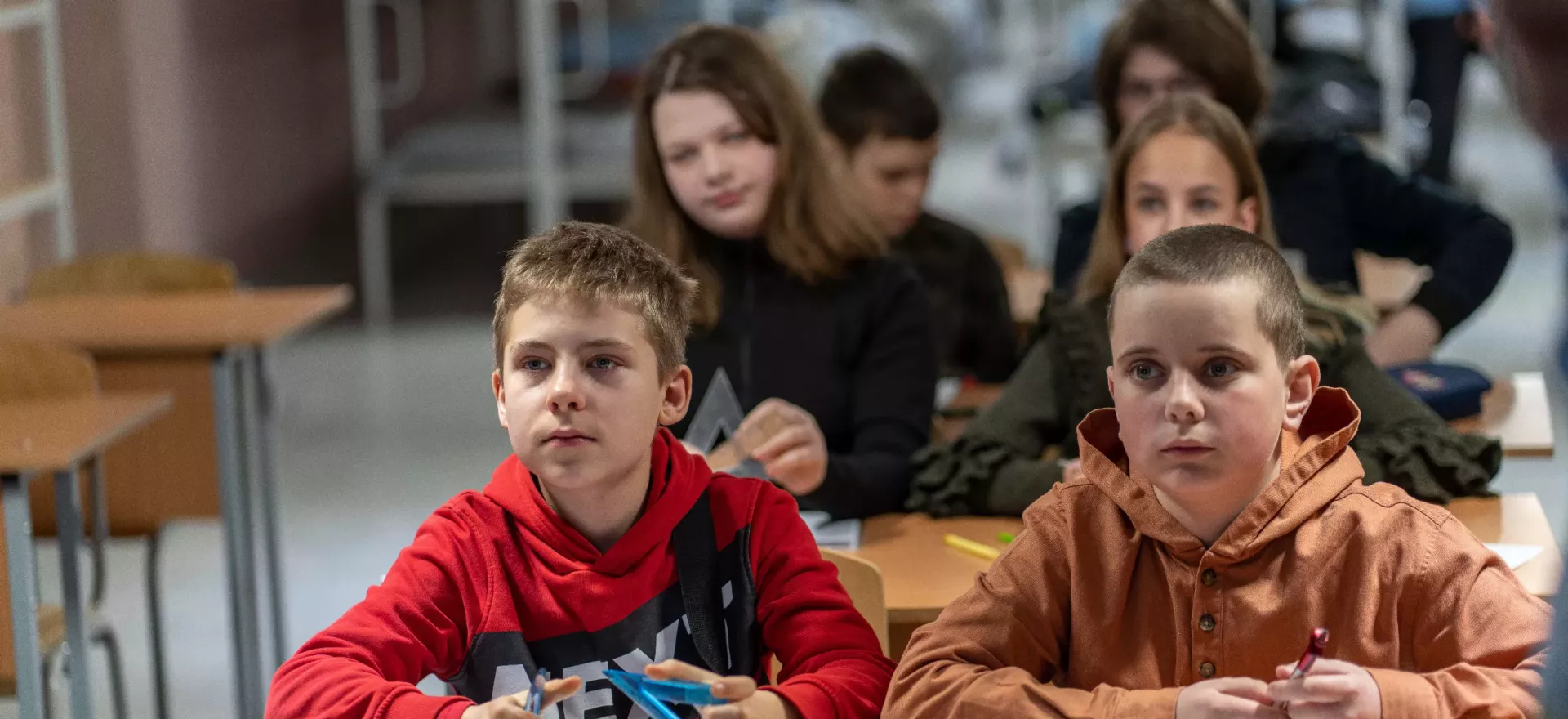
UNICEF/UNI575323/Filippov
"Because of the last two years of war, I didn't go to school. But now I come here for Ukrainian language and maths classes. I come here to catch up with what we lost when we studied online. It's so good to study here. You could even live here!"
says 12-year-old Ihor, at a catch-up lesson in the bomb shelter beneath a school near Kharkiv. Read more.
In Ukraine, UNICEF works alongside the Government and partners to respond to the specific needs of the most vulnerable children, while laying the foundations for longer-term development.
Responding to children’s urgent humanitarian needs includes ensuring children have access to safe water, cash assistance, health care, education, and mental health and psychosocial support.
Long-term efforts are building the foundation for Ukraine’s development; fostering social cohesion and strengthening systems that serve children. This includes ensuring that child protection, health and education systems can provide timely and quality essential support, care and opportunities to children.
By investing in the youngest citizens today - from early childhood to adolescence - we can help every child realize their full potential, build Ukraine’s human capital and drive sustainable development.