


Sheltering from war
Ukraine’s children reflect on the toll two years of war has had on their well-being
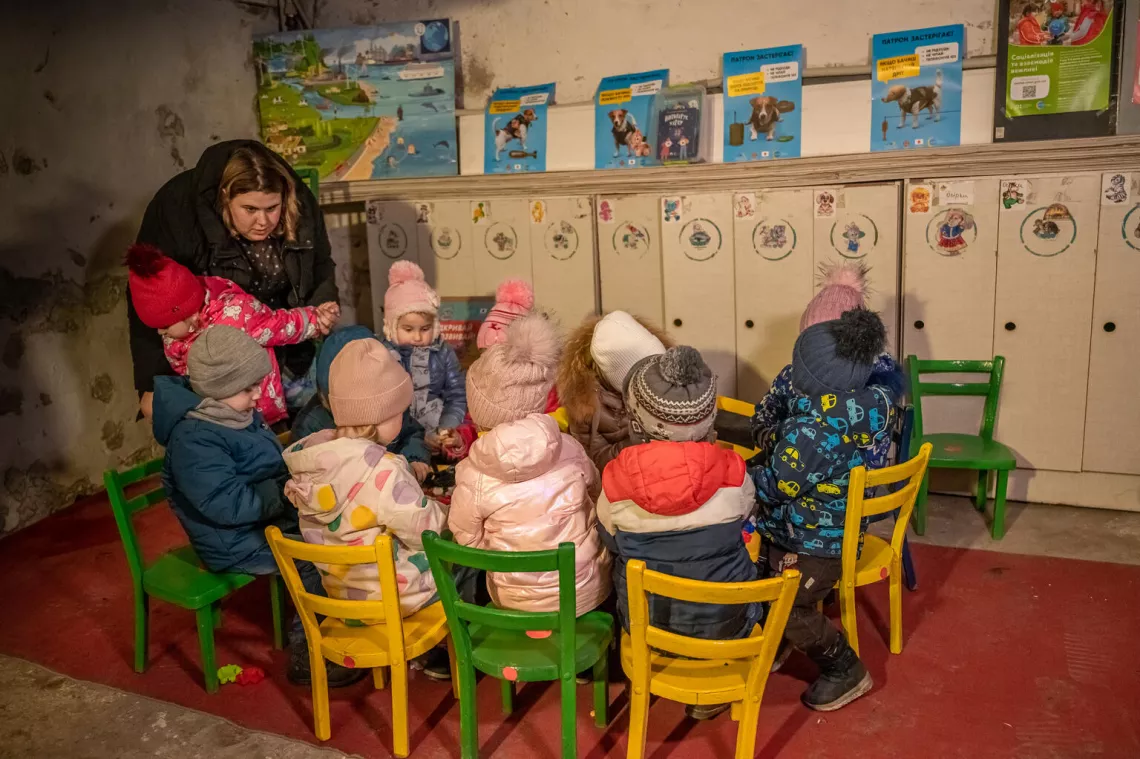
Try to imagine what it feels like to spend 5,000 hours – the equivalent of 7 months – sheltering in underground basements and metro stations. Now imagine you are a child. What does it feel like to be confined for this length of time as air raid sirens ring above. Not knowing what might happen to your home, school and family members and friends who didn’t make it to shelter. This is the reality faced by children close to Ukraine’s frontlines.
Ukraine’s children have endured two years of destruction and displacement, isolation, violence, loss of loved ones, and disrupted schooling, health care and social services. This has left children deeply distressed and deprived them of their education and sources of joy and happiness, leading to a learning crisis and a mental health crisis among Ukraine’s children.
Education disrupted
Across Ukraine, schools have either been damaged or destroyed by shelling or lack adequate facilities. Around 40 per cent of children across the country do not have access to continuous education. In areas nearer to the frontline, half of school-age children are unable to access continuous education.
In 2023, UNICEF provided more than 1.3 million children in Ukraine with access to formal and non-formal learning opportunities. In countries hosting refugee children, UNICEF has helped over 1.25 million children access formal and non-formal education.
Schools in ruins
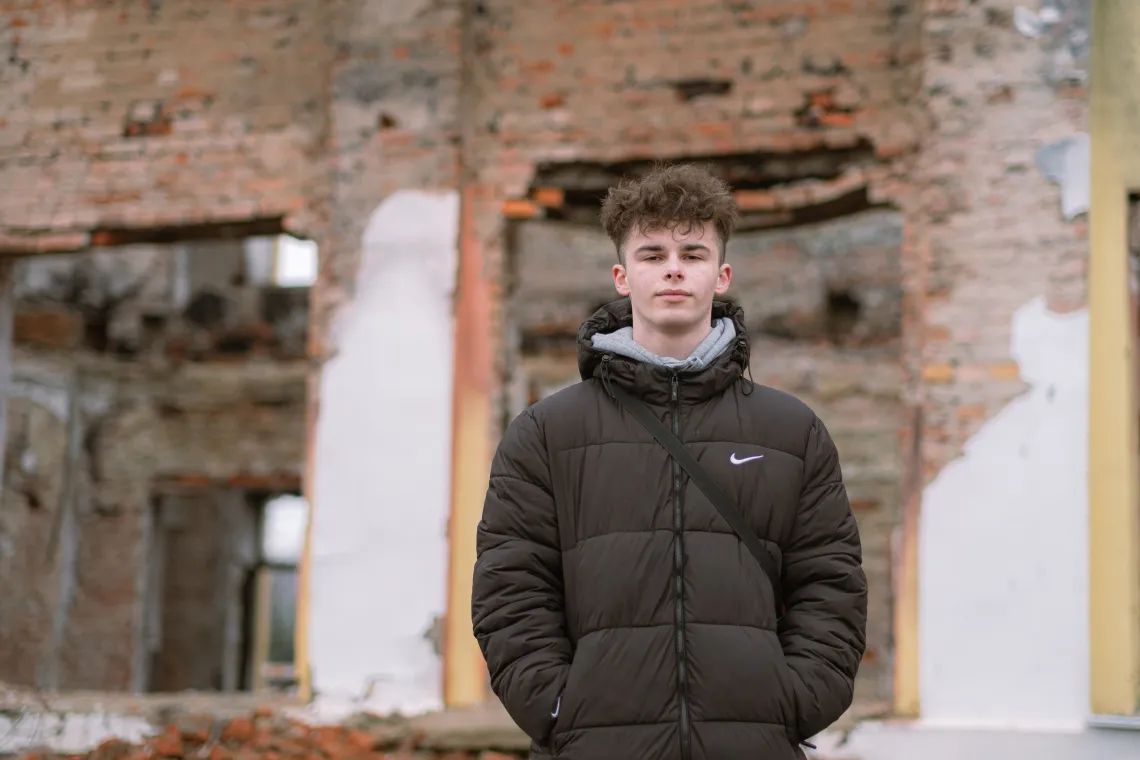
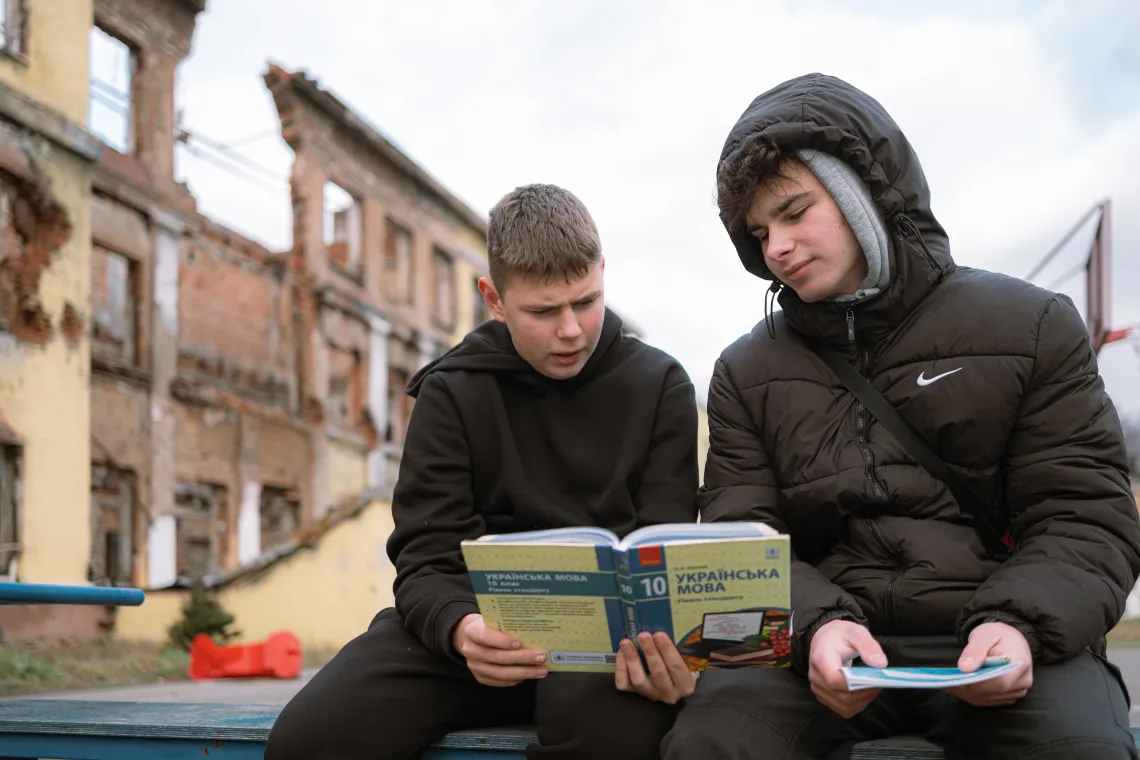
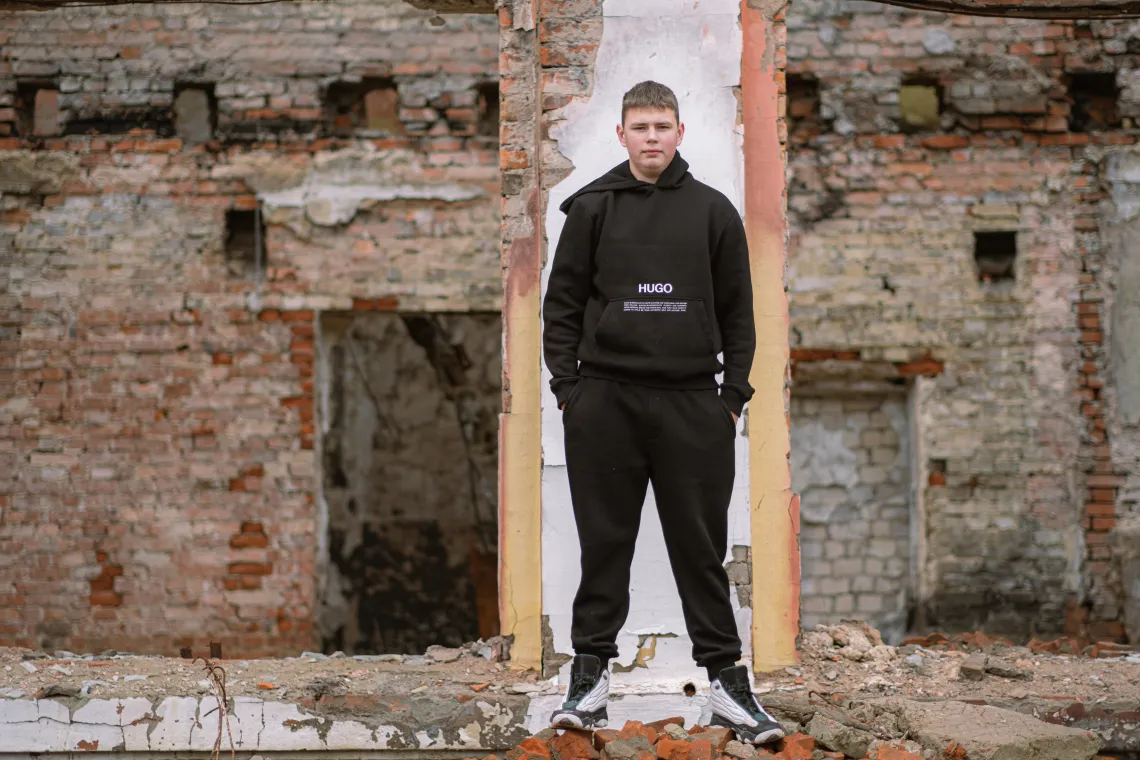
Nearly two years ago, Stepan and Yaroslav’s school was destroyed by shelling. Since then, schoolchildren have been trying to learn online.
UNICEF/UNI510549/Pashkina
"I'm afraid that younger children won't have the opportunity to receive an education and, thus, won't have a future. I went to school before the war and I have some knowledge, but they might not get this chance. I feel very sorry for them," says Yaroslav.
UNICEF/UNI510564/Pashkina
"I wish to return to school. But the risk of a rocket hitting it, like our previous school, is always on our minds. My grades have worsened,” explains Stepan.
UNICEF/UNI510561/Pashkina
“English and German are the most challenging because the teachers' explanations are not always clear online. Plus, you can't talk to your classmates. I'm afraid that because of the gaps in my studies, I won't be able to pass the university entrance exams.”
Shattered memories
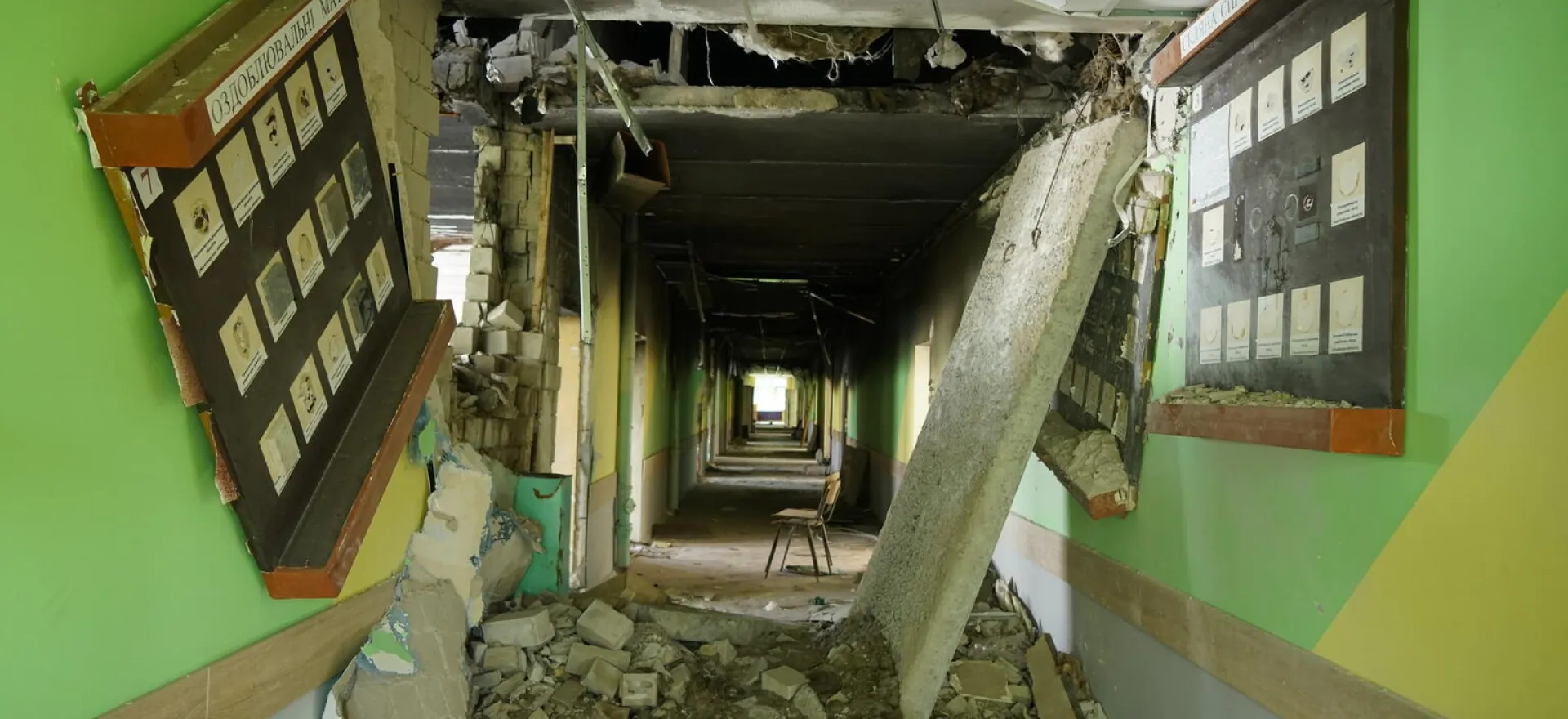
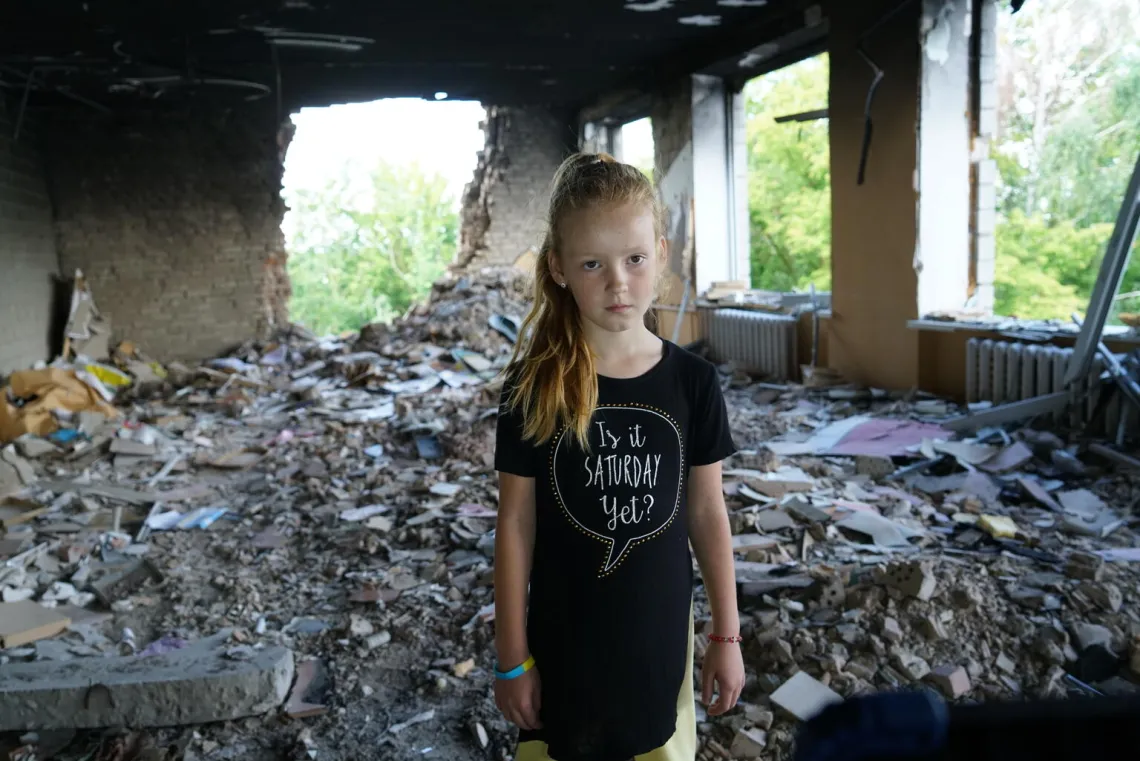
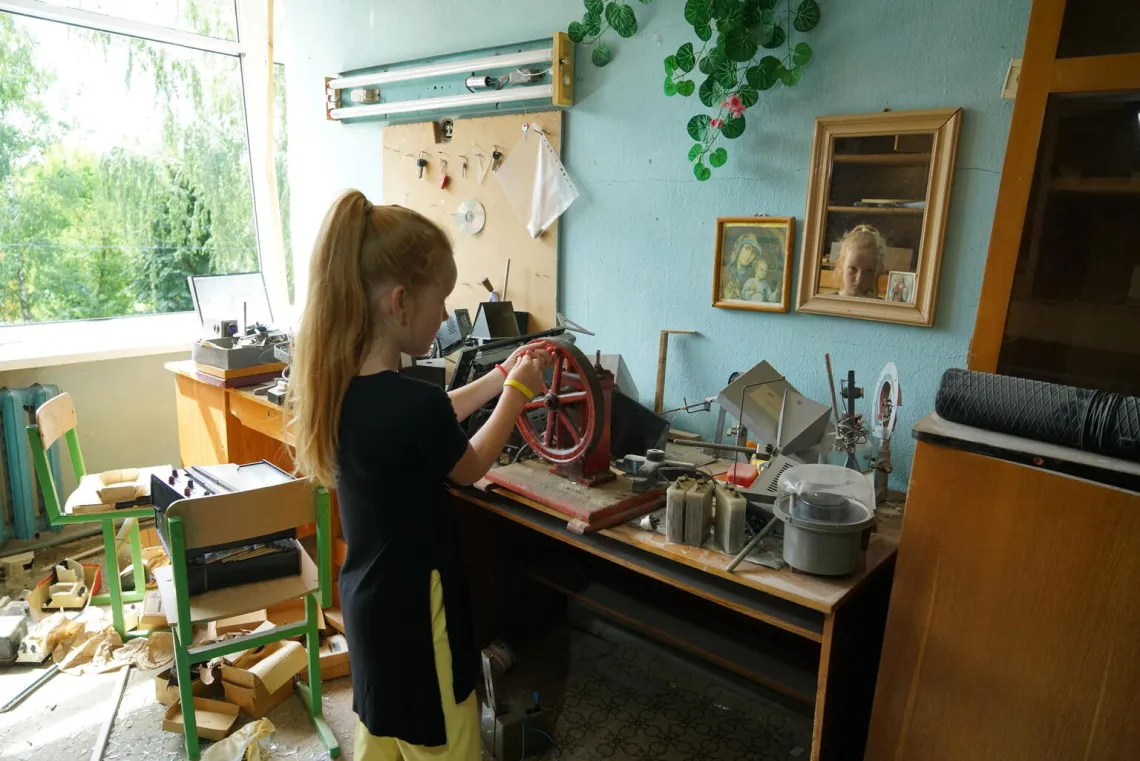
Eight-year-old Anya stands amidst the rubble of her badly damaged school in Buzova, Ukraine. Anya and her family hid in their basement when the heavy bombardment began.
Her school was hit 14 times by shells and rockets between February and March 2022. Before the war, Buzova’s school was one of the best in the Kyiv region. Around 500 children came here from five surrounding villages to learn, make friends and build their futures. Today, the school is an empty shell.
UNICEF/UN0691462/Hrom
UNICEF/UN0691431/Hrom
“When I arrived, I wanted very much to go into the school and see what was here. I wanted to see my class, but my dad wouldn't let me go into the school because it was all smashed up."
UNICEF/UN0691462/Hrom
UNICEF/UN0691444/Hrom
“Peace is where there is tranquillity, no bombs, no planes flying over our heads," adds Anya.
All too loud
The impact of war on children’s psychological well-being are widespread. Ukraine’s children report feeling anxious, sad and disinterested in learning. They also report having excessive fears and phobias, sensitivity to loud noises and trouble sleeping.
“When we hear an air alarm, we go to the basement,” 5-year-old Maksym explains. “We go down and sit here until the air alert ends.”
Due to relentless attacks, children spend hours at a time sheltering, and in doing so try and find ways to pass the time.
UNICEF/UN0830005/Maiorov
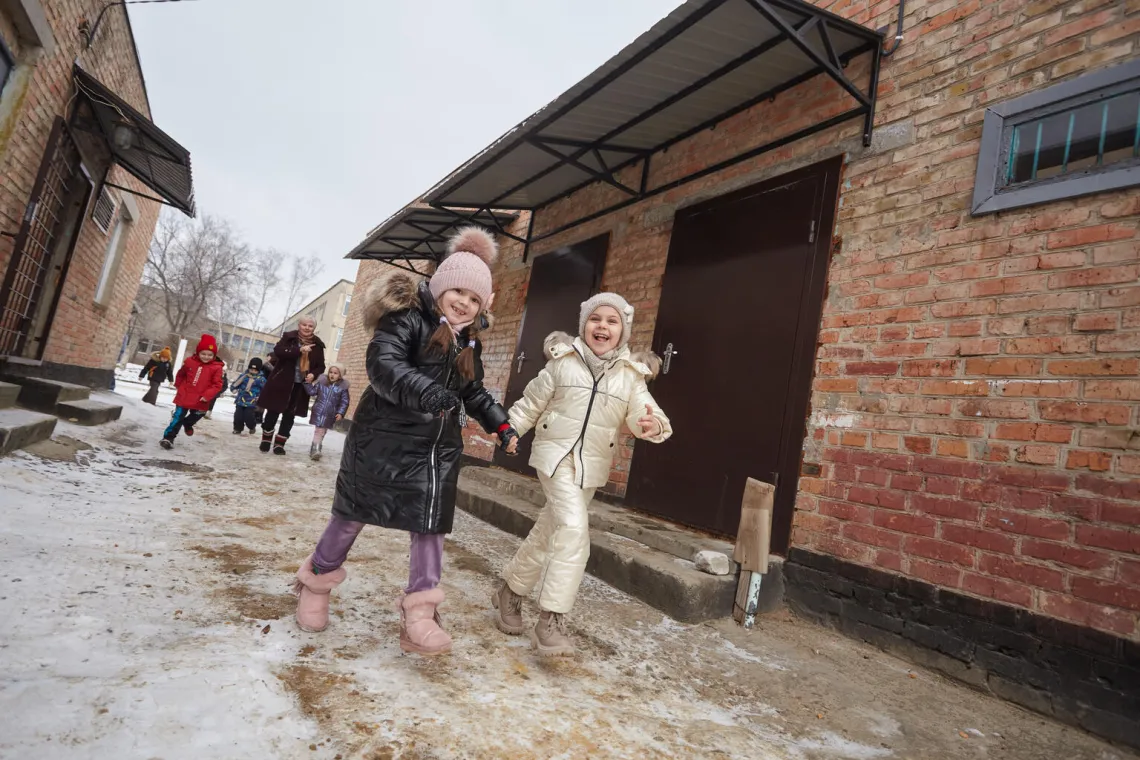
"We do everything in the form of a game,” says Inna Stadnik, the director of the facility. “It’s crucial to help children be distracted. We practice running down to a shelter at speed and do it in a playful way.”
"The kindergarten staff set up the shelter on their own,” explains Inna. “They whitewashed the walls, repaired the floor, laid linoleum and purchased the necessary furniture. UNICEF financed the purchase of 39 chairs for the facility, as well as hygiene kits and early childhood development kits for children. From now on, the children can feel comfortable staying in the shelter, and can play, draw and sculpt here.”
Thanks to the funds from UNICEF and the Association of Ukrainian Cities, the shelter, which used to be a vegetable store now has running water, heating and a television. During long air raids, the children can eat and sleep in the shelters.
New country, new school
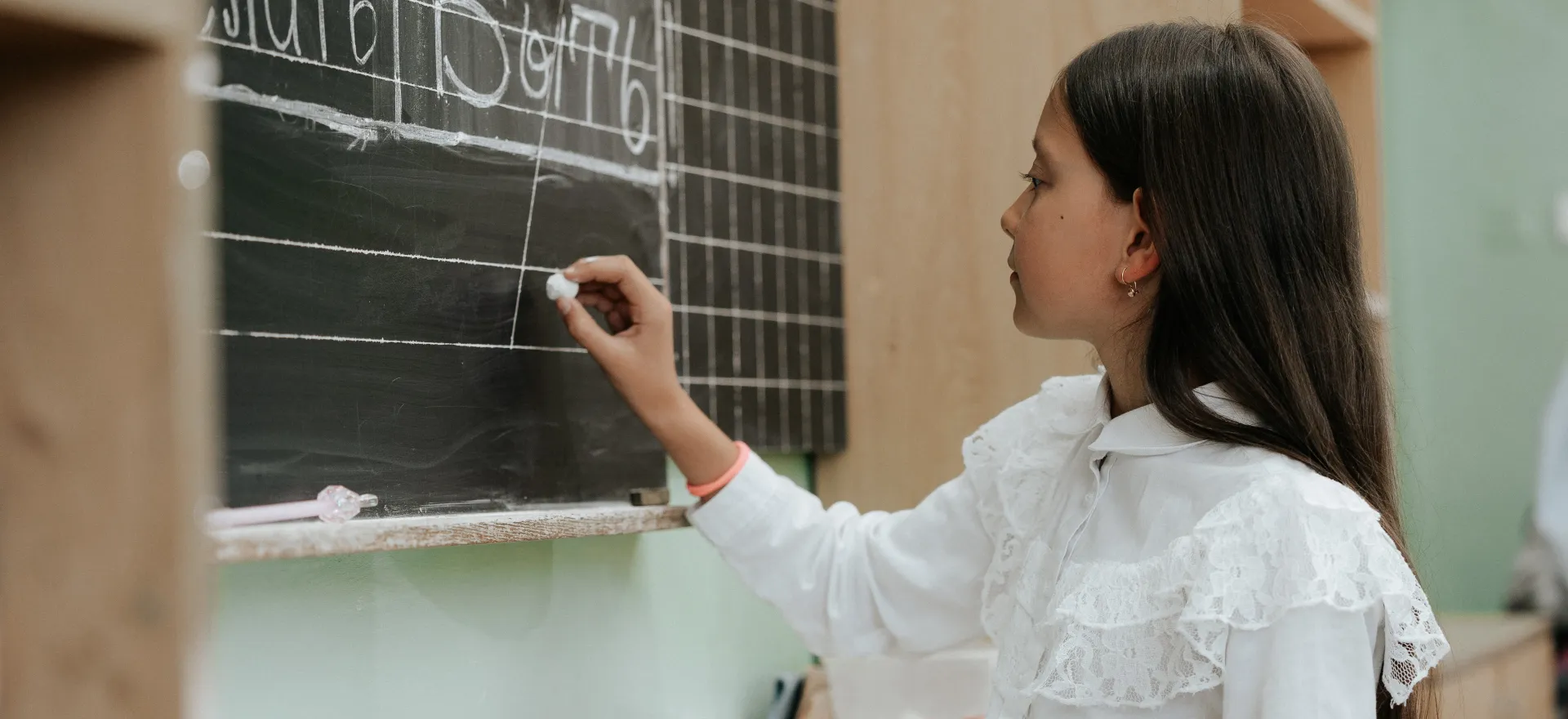
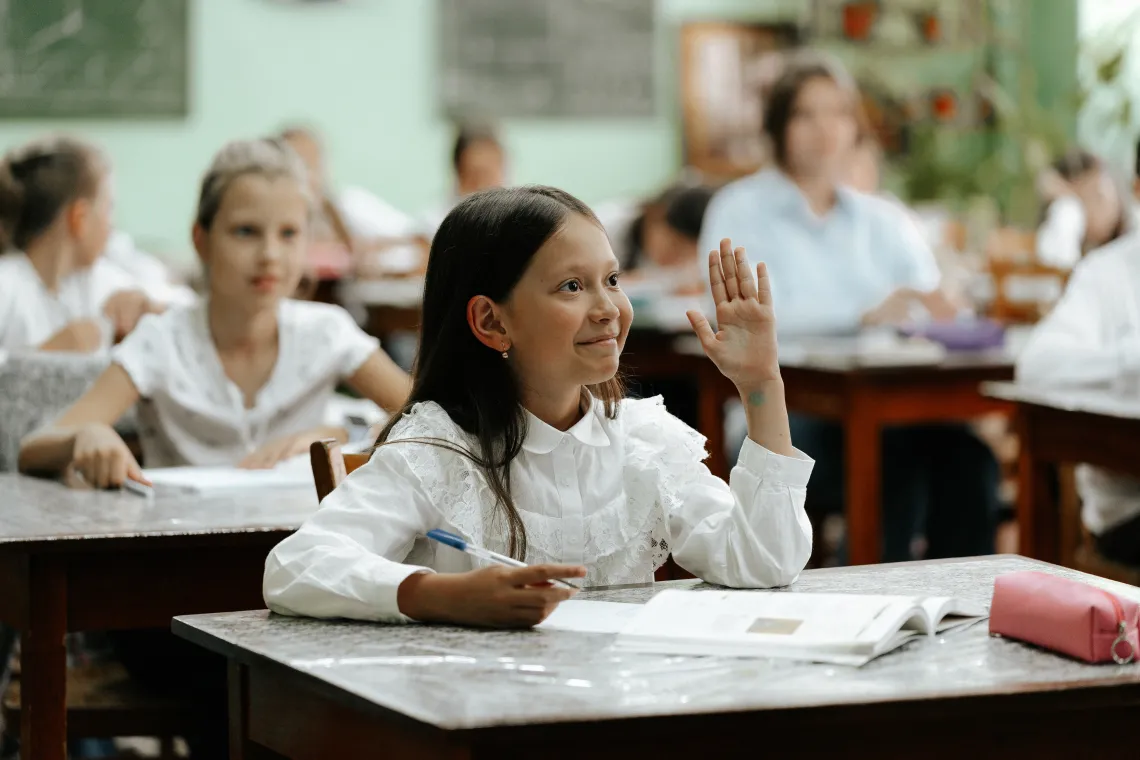
Ten-year-old Darya fled to Moldova with her 16-year-old brother and grandparents in the spring of 2022. For a year and a half, she and her brother have been separated from their parents, who had to remain in Odesa, Ukraine. Their grandparents are striving to ensure the siblings continue their education in Moldova.
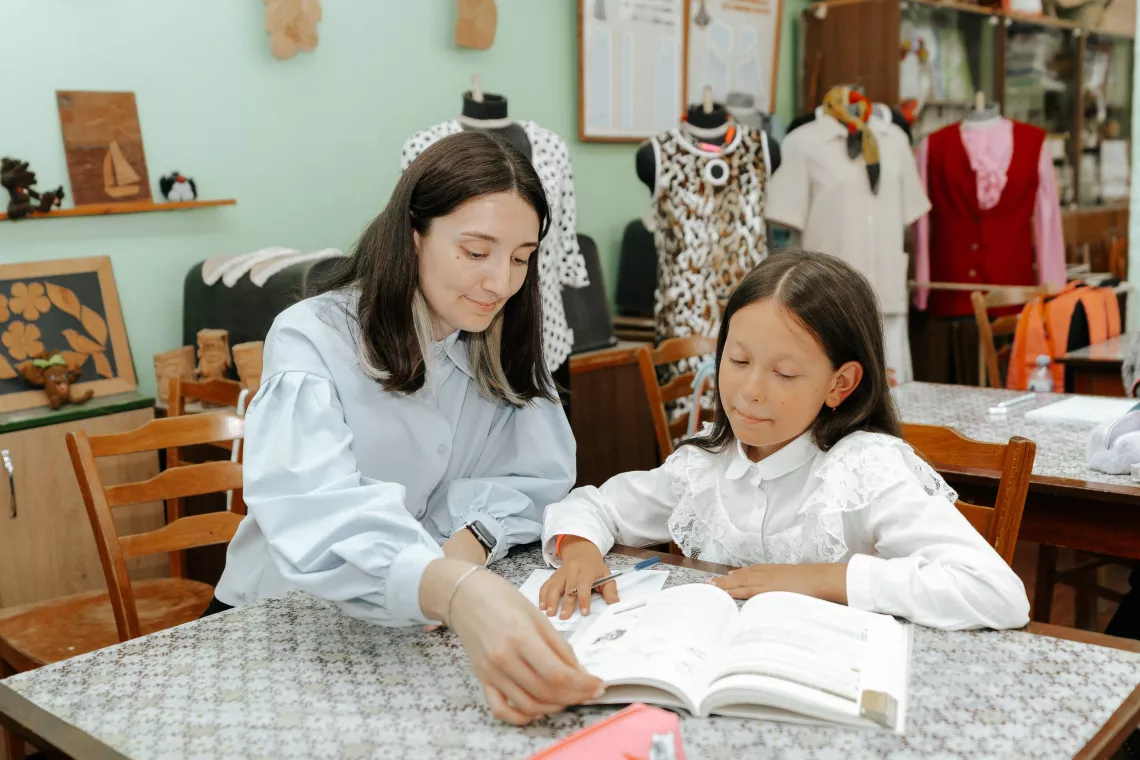
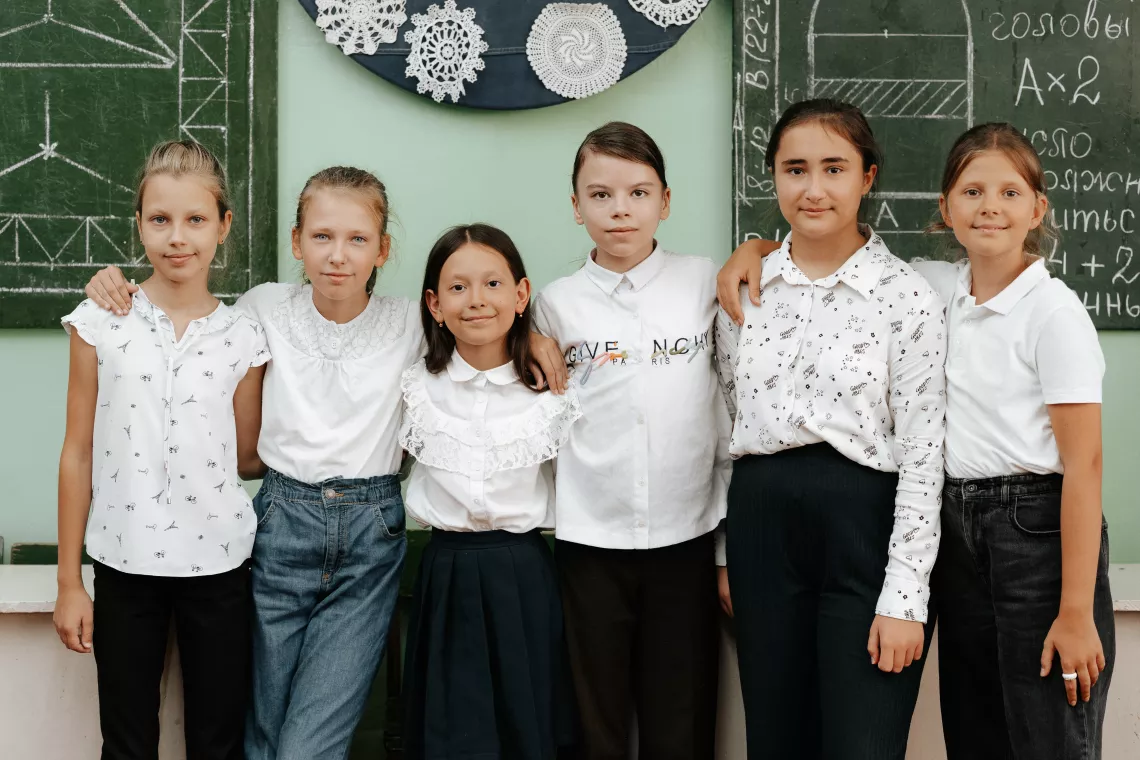
In school, Darya listens carefully to her teacher and takes notes in her notebook. She is excited to gain new knowledge and make new friends. "On the first day, I didn't talk to anyone, but then I started to communicate with the girls. Now, I have more than five friends at school," says Darya.

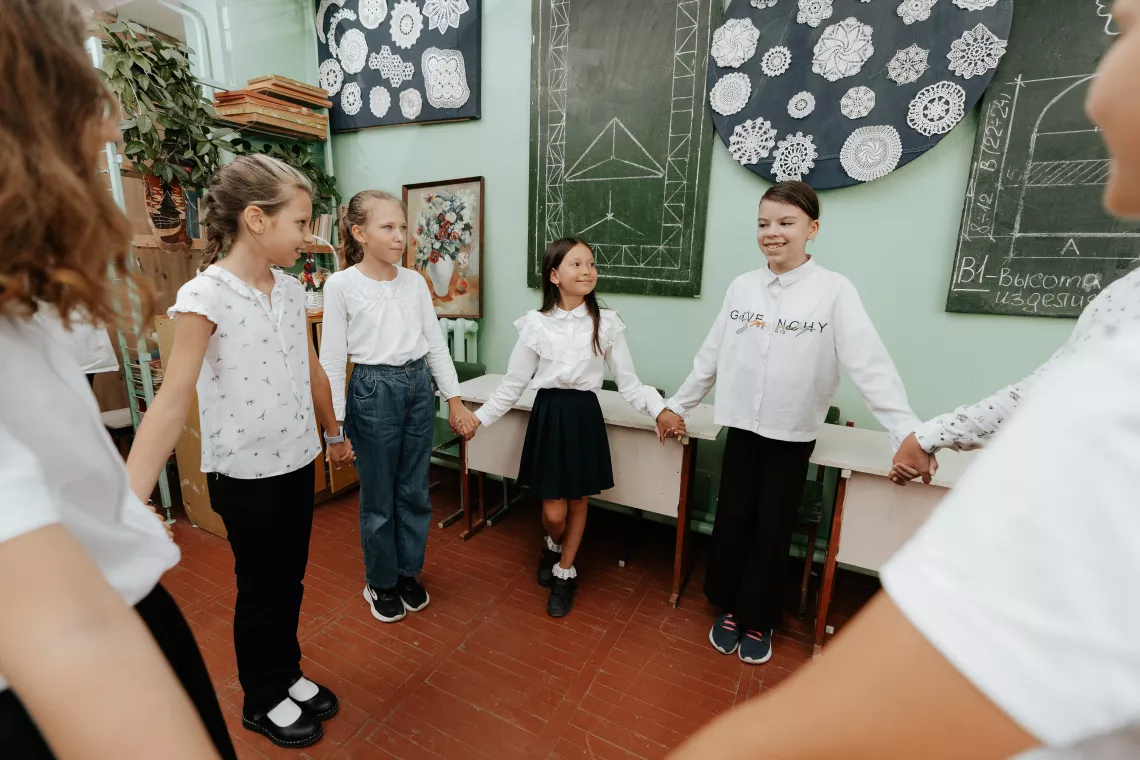

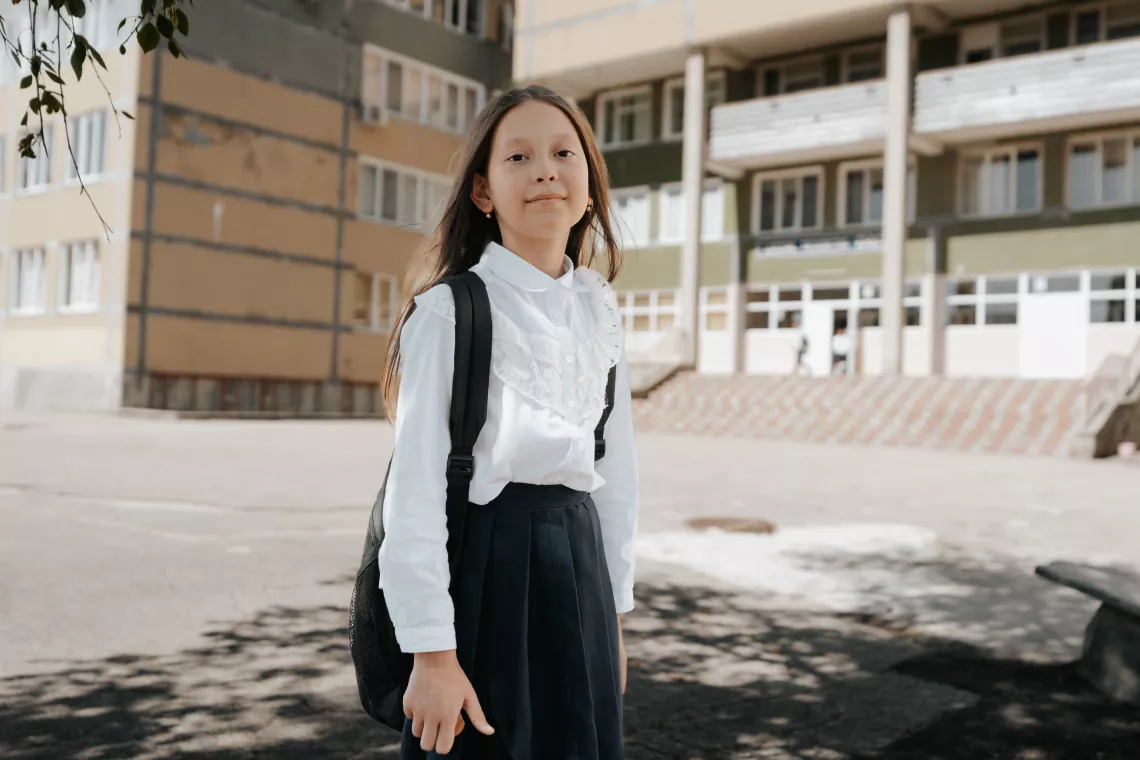


"It is challenging for children to experience this, being separated from their parents and feeling the stress and anxiety of everyone," says Alyona, Darya's grandmother.
Darya is among 90 children from Ukraine are studying and participating in creative activities, which help them develop their imagination and overcome the traumas of war.
UNICEF/UNI441922/Dogoter
UNICEF/UNI441924/Dogoter
Despite her new friends in Moldova and access to school, Darya often thinks of her Ukrainian school and best friend. She is worried about the fate of children in Ukraine.
"If I were to go, I would want to reunite with my best friend. I wish all Ukrainian children have safe bomb shelters. Even if their schools are destroyed, they will be safe," concludes Darya.
Building a path for children to heal
Children and families impacted by two years of war in Ukraine have shown extraordinary resilience, but without support the psychological wounds of war could scar them for life.
UNICEF has reached more than 2.5 million children and caregivers with mental health and psychosocial support to help them overcome some of the distress and challenges they face.
Remembering something good
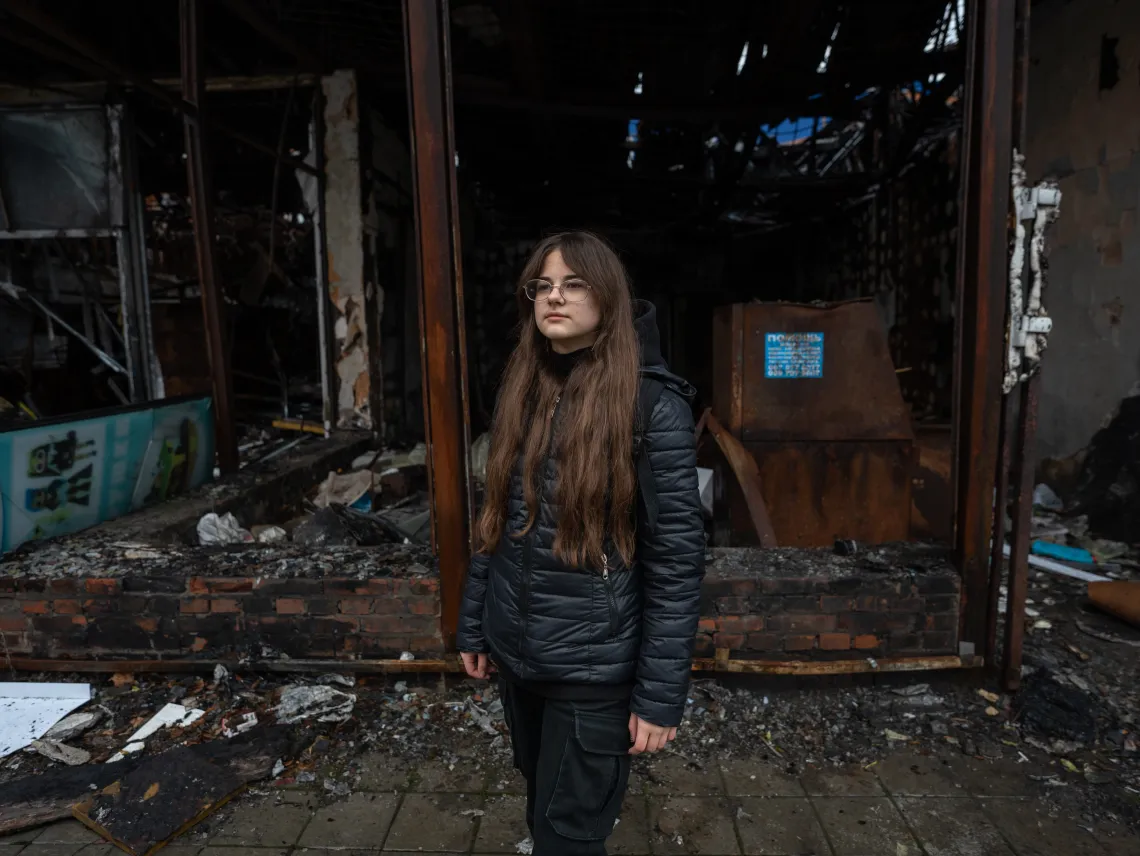
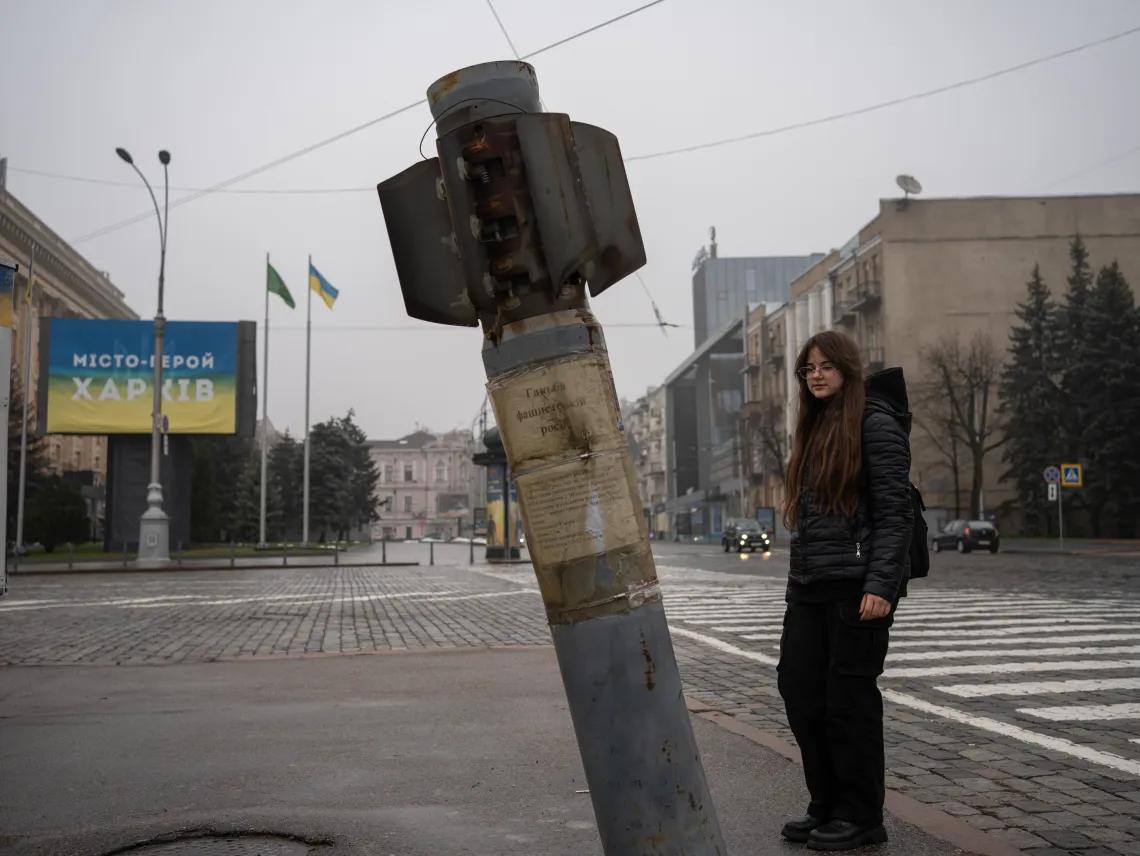
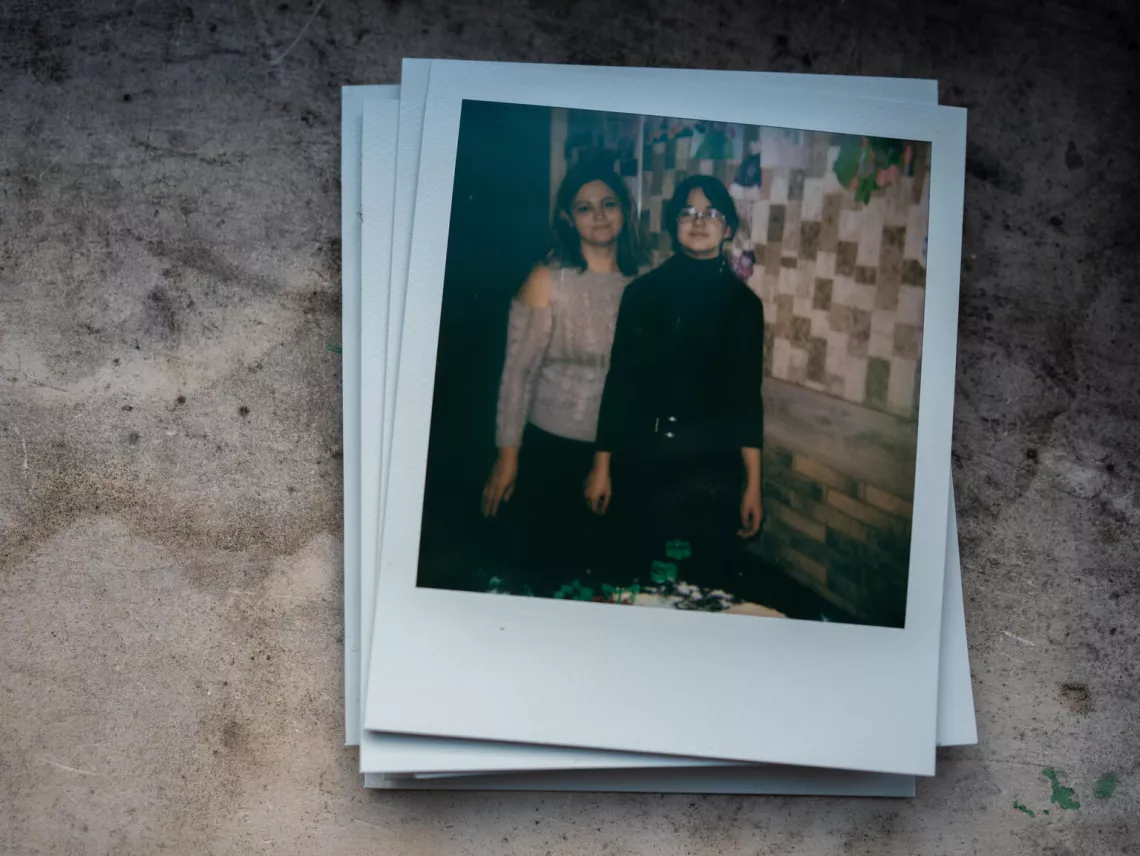
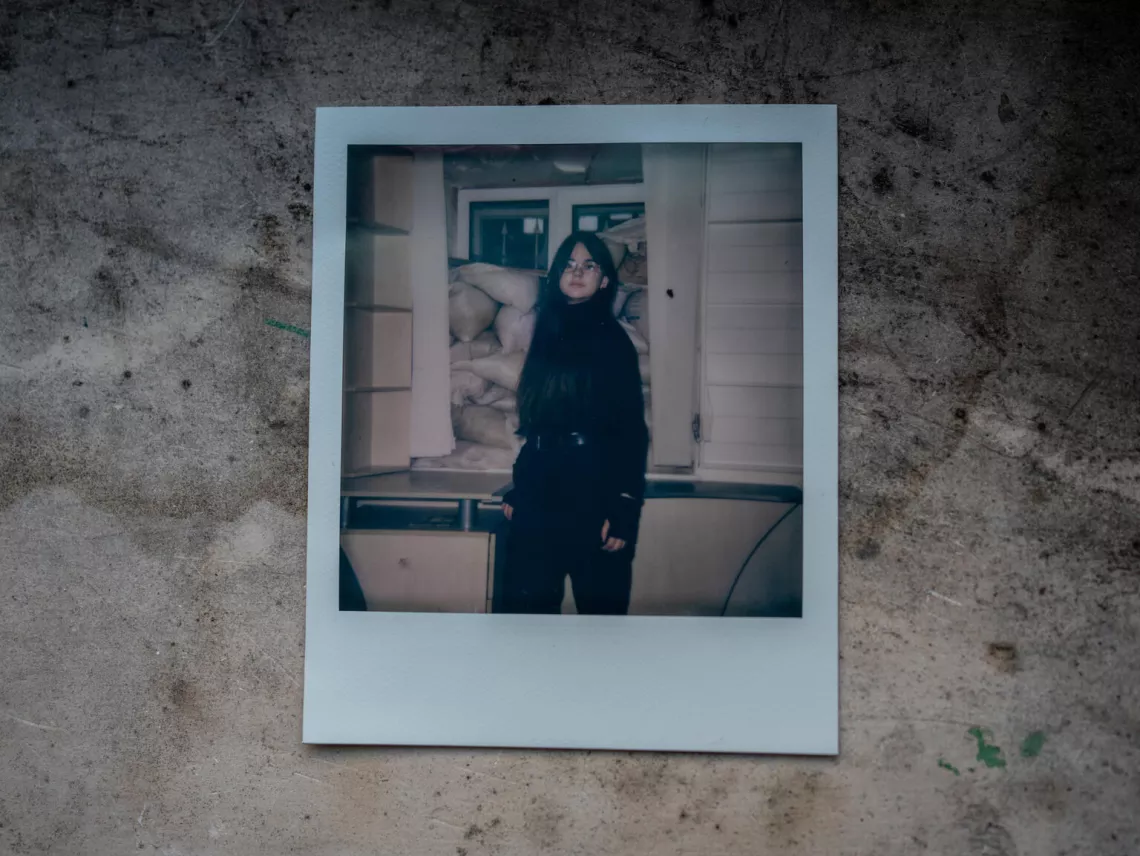
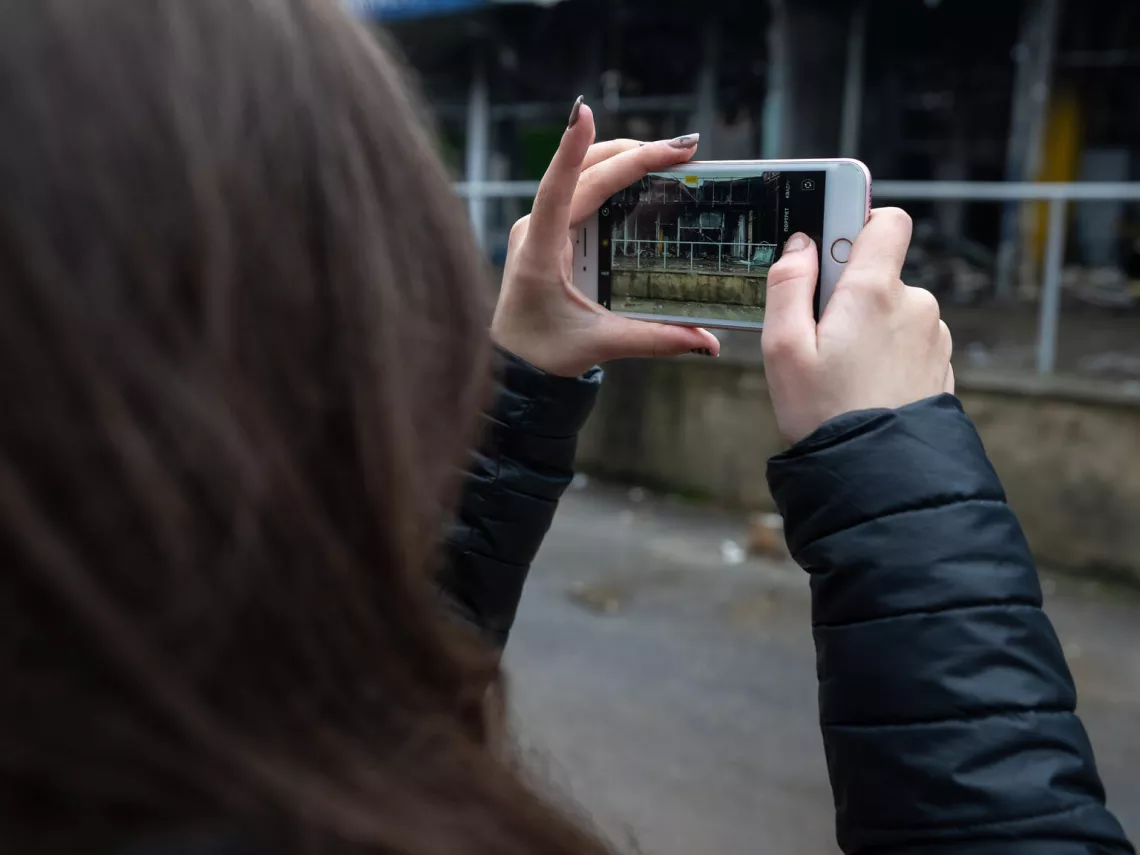
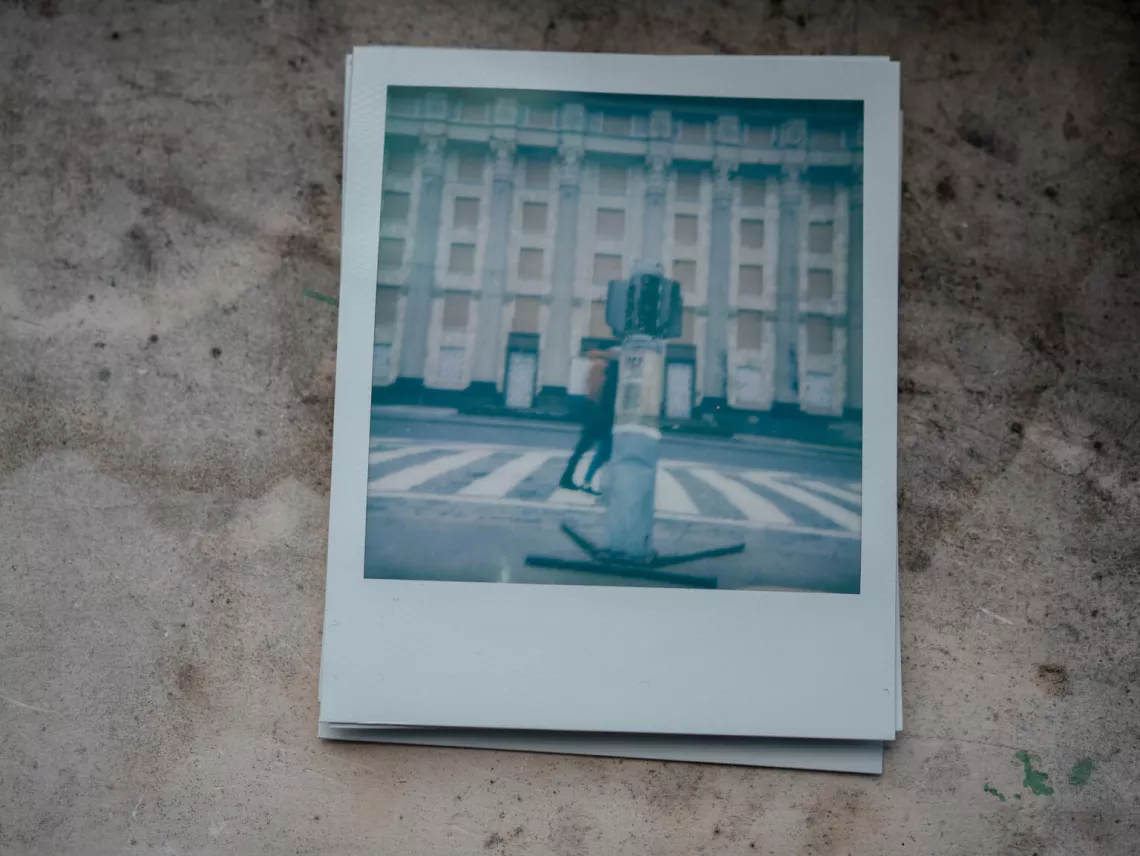
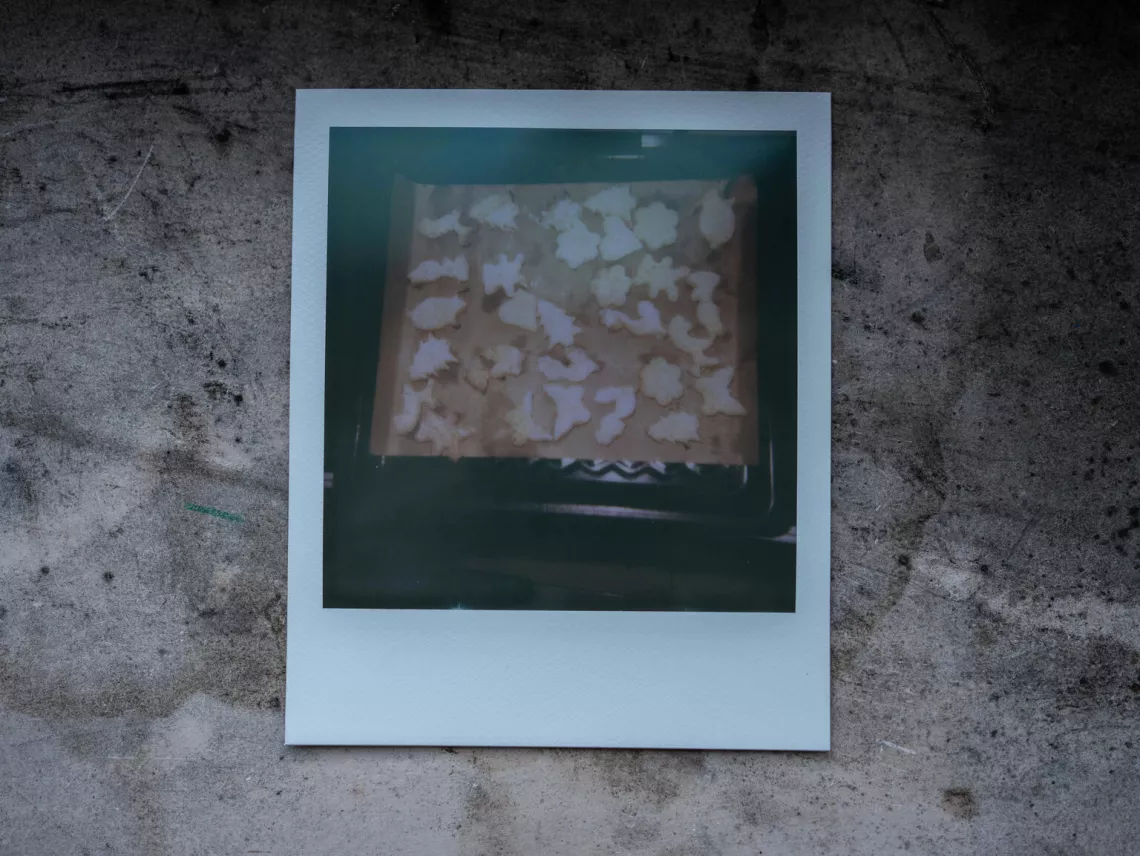
Eleven-year-old Nika misses her friends and hobbies. Her photo diary has become one of her main sources of joy. Through it she tries to capture pleasant and important childhood moments, which the ongoing war has destroyed for so many children.
UNICEF/UNI509088/Filippov
“I have noticed that as soon as I hear an air raid alarm, my mood deteriorates, and I become sad and nervous. Sometimes, alarms last for hours, but I don’t want to be in a bad mood for that long. So, I start listening to music or drawing.”
UNICEF/UNI509084/Filippov
“But it is hard to explain it to anyone who has not experienced it. It seems to me this is so unpleasant that I can’t even find words to describe it. Everything is closed."
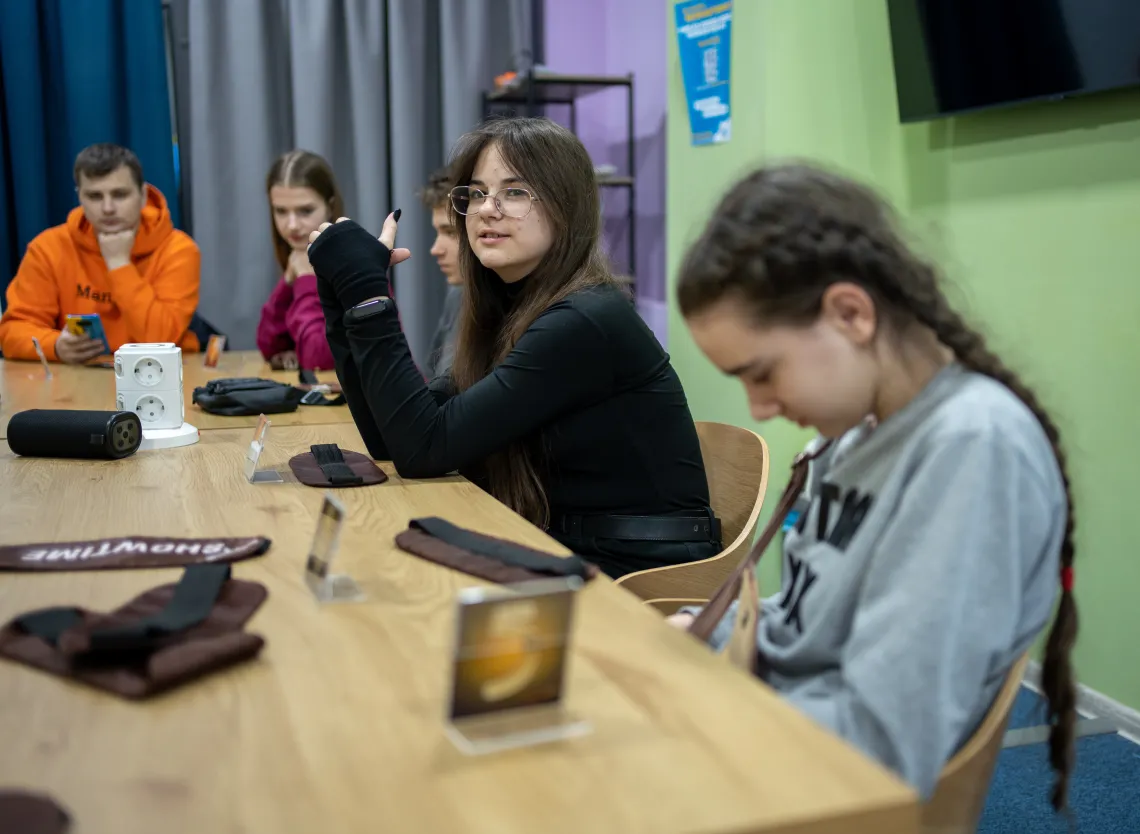
Over time, her family noticed that Nika, who is usually active and cheerful, became withdrawn. She started seeing a psychologist at the local Spilno Child Spot, supported by UNICEF, who helped her to find ways to cope with stress and feel joy again.
UNICEF/UNI509081/Filippov
The Spilno Child Spot has inspired a new hobby – photography.
“I realized how important it is to notice the good, even if it is almost absent. When the war started, I was nine years old, and now, I am eleven. How old will I be when it ends? I do not know. That is why I want to remember at least something good about this time.”







Finding hope
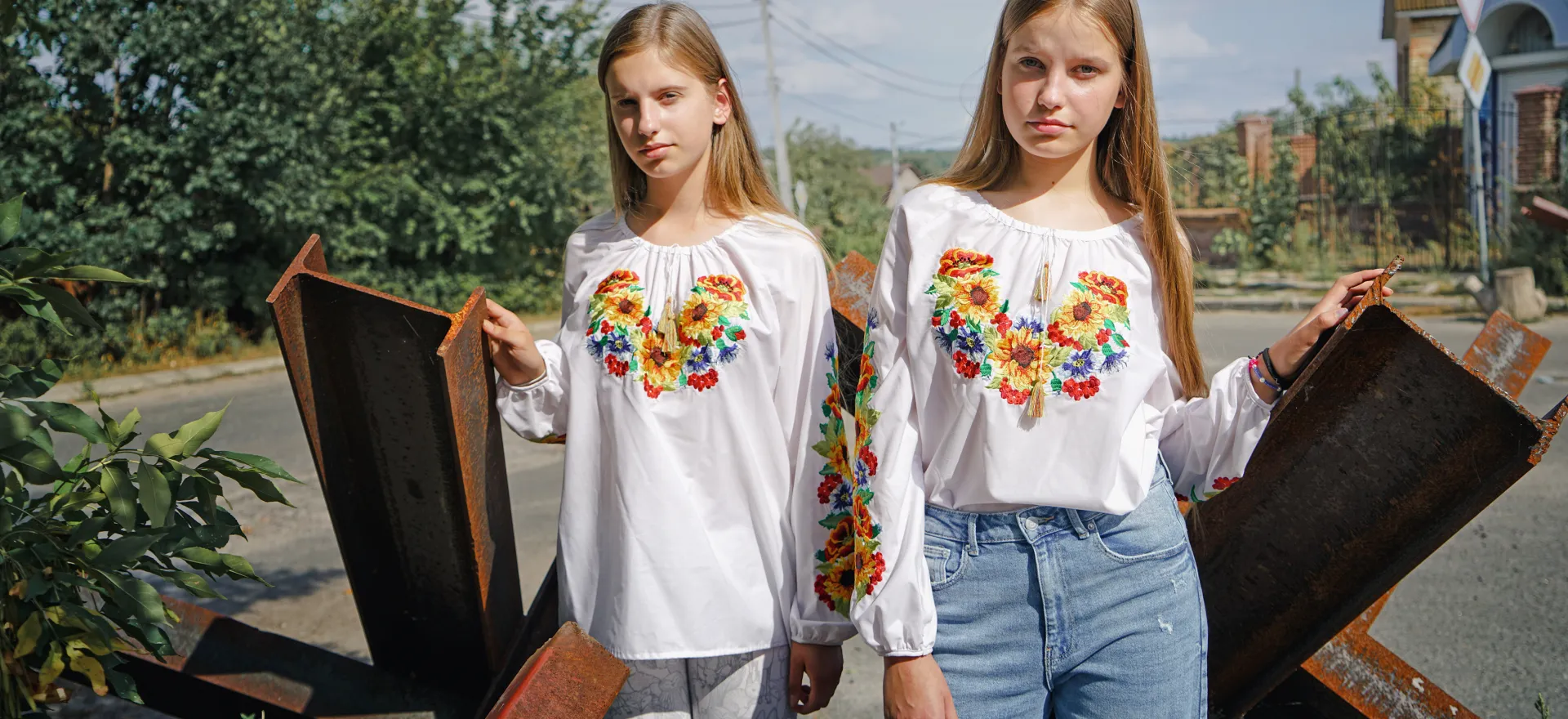
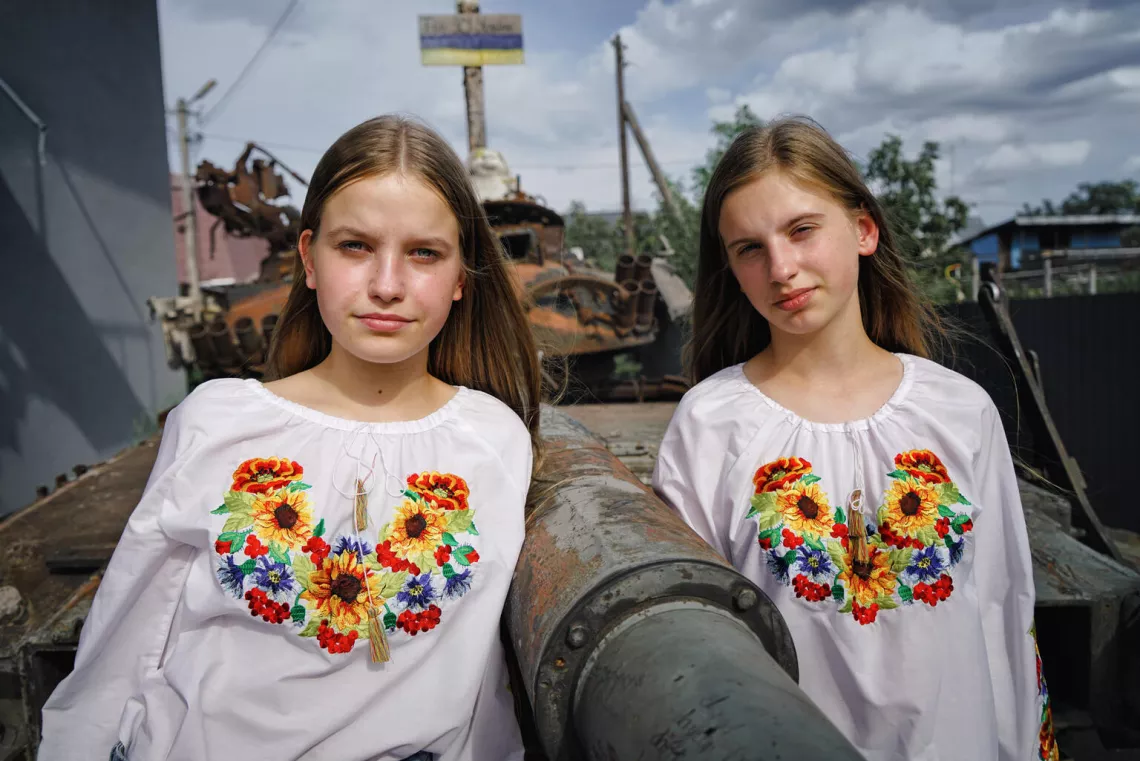
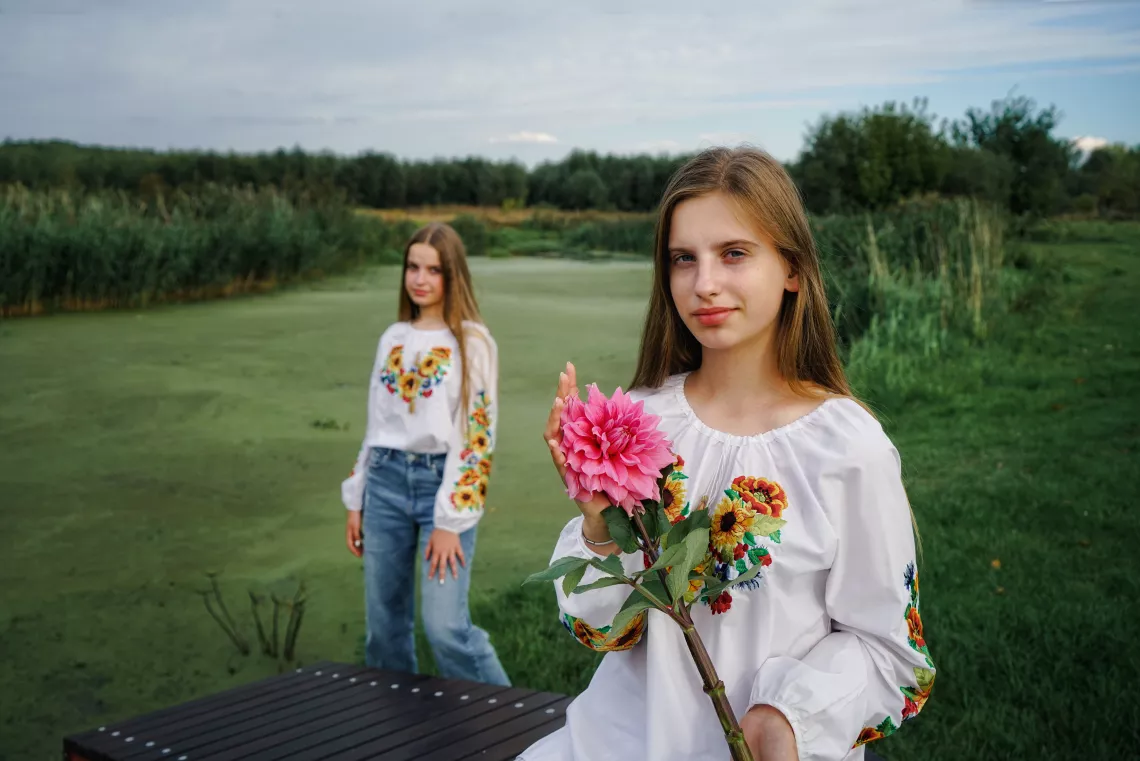
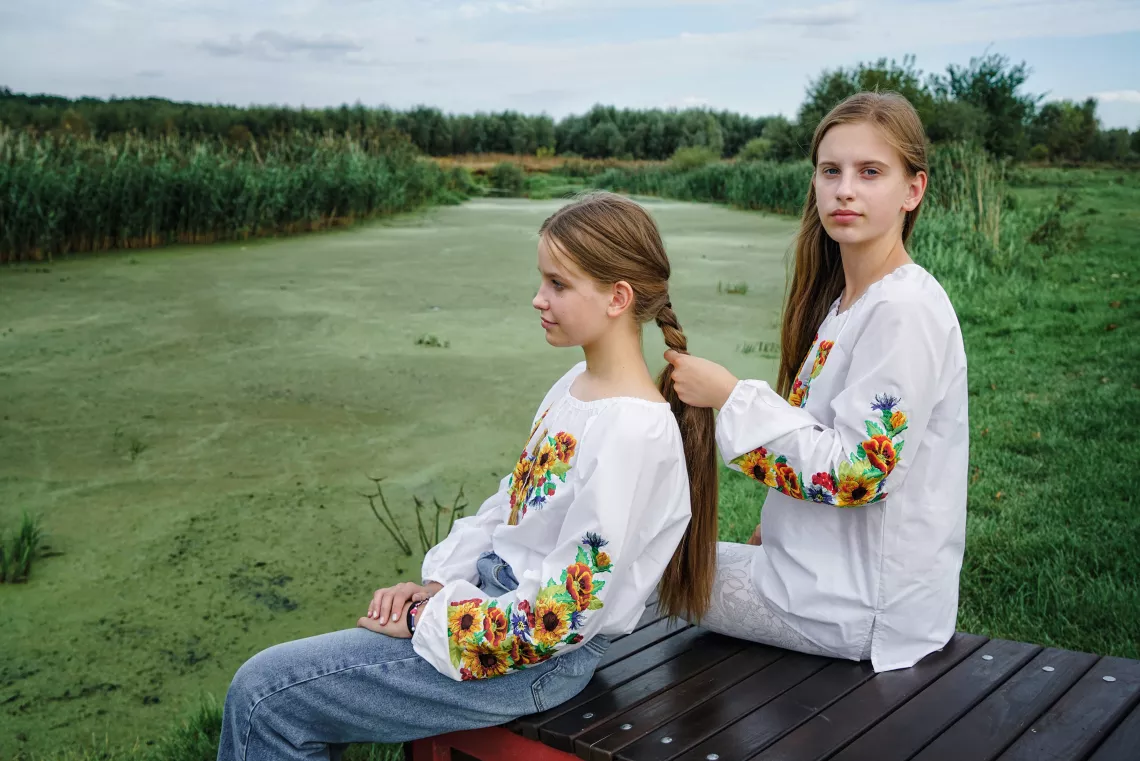
Sisters Nelya and Lilya are in the ninth grade and, like all of Ukraine’s children have faced huge upheaval to their lives. They have become accustomed to hiding during the air raid alerts and are desperately trying to keep warm in their cold apartment.
The ongoing hostilities and blackouts during fall and winter have affected their mental health. Last year, it all became too much.
UNICEF
UNICEF/UNI448074/Grom
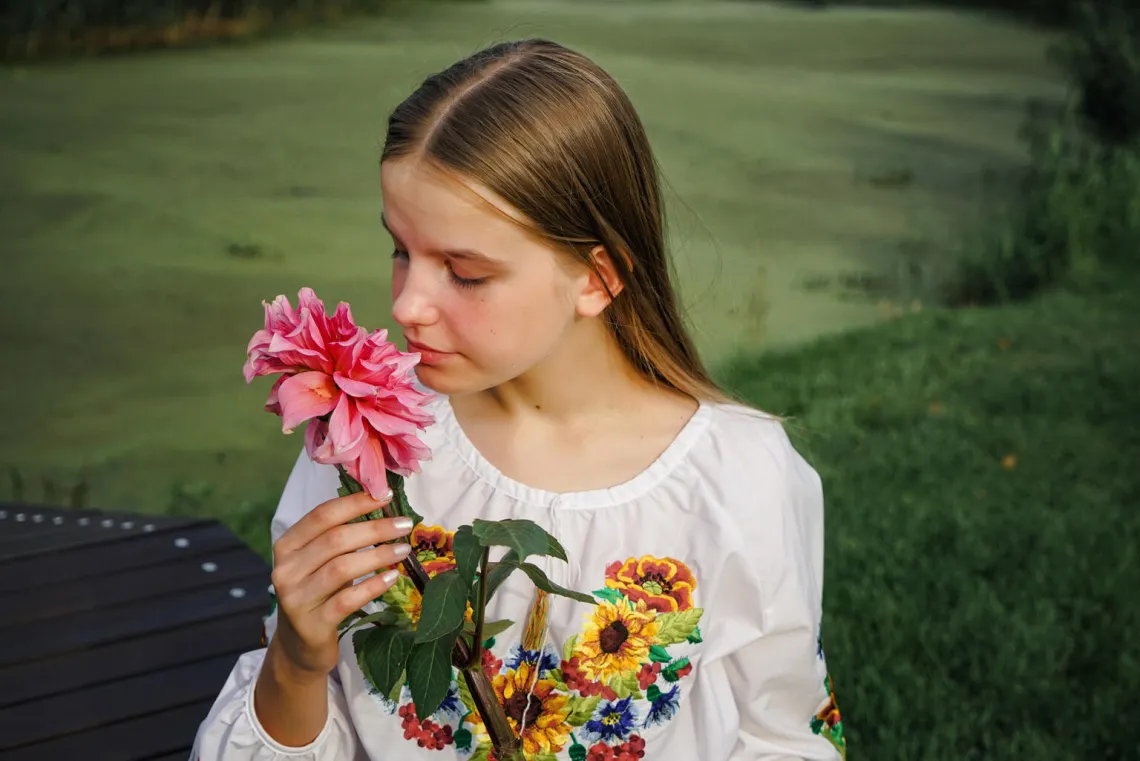
"I constantly felt like crying and had no desire to go outside,” says Nelya. “And once, I lost consciousness. This is how I found myself at a hospital and then with a psychiatrist."
Nelya was diagnosed with post-traumatic stress disorder (PTSD).
On the advice of specialists, Nelya started seeing a psychologist and began to seek out activities with her sister that help them cope, like going to the river, riding bicycles, playing sports and weaving beaded jewellery.
Although the fears of a missile hitting their home stays forever in their minds, they have learned to cope with their worries and say they feel much better emotionally today than they did six months ago.



A child-centered recovery
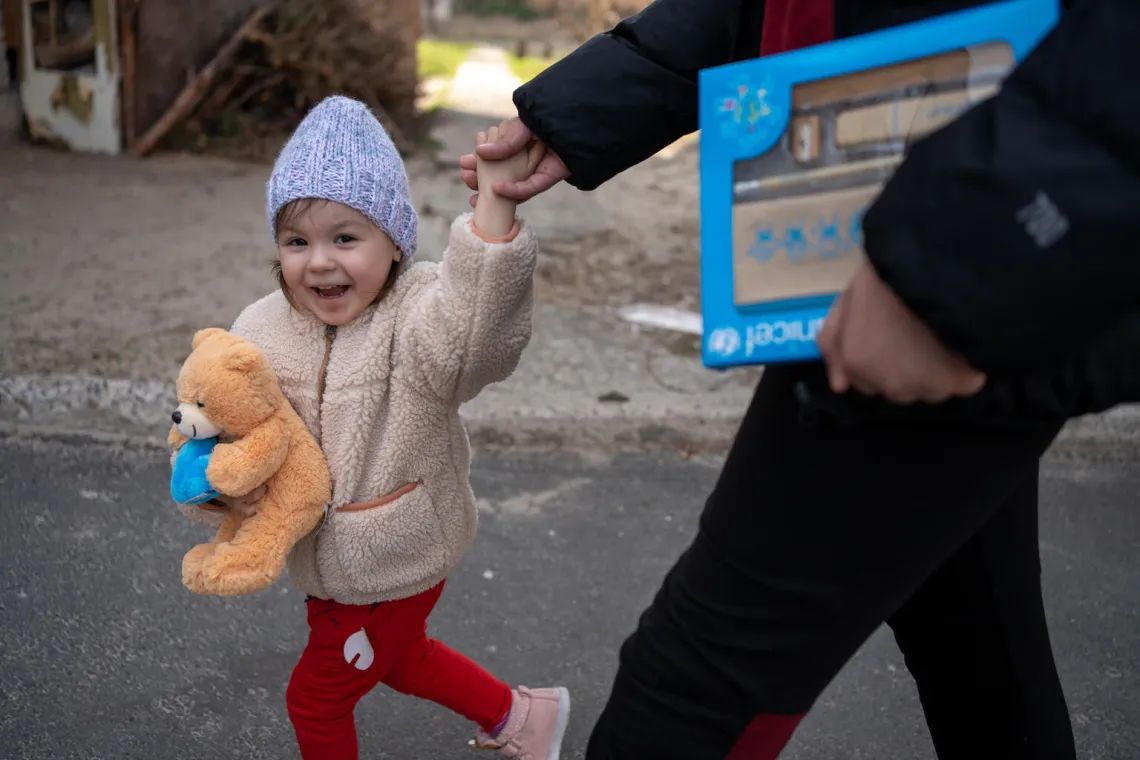
Ukraine’s long-term recovery depends on the recovery of children and families. Across Ukraine, UNICEF works to ensure children have access to health care, immunisation, nutrition support, protection, education, safe water and sanitation, social protection, and mental health and psychosocial support.
In 2023, UNICEF reached 8.76 million people across the country with humanitarian assistance. This includes reaching more than 346,000 women and children access primary healthcare, over 1.3 million children and caregivers received mental health and psychosocial support, and more than 97,000 households with humanitarian cash-transfers.
In 19 refugee-hosting countries across Europe, UNICEF is supporting governments to ensure Ukraine’s refugee children and families, and children from host communities, can access quality health, education, protection and social services.
Children need peace. Now.
While UNICEF continues to respond to children’s urgent humanitarian needs in front line areas, we are supporting governments on inclusive and sustainable recovery efforts in Ukraine and in 19 refugee-hosting countries - a recovery with the rights of children at its core.