In Focus: Quality inclusive education
Upholding the rights of all children to an education that equips them for life and work
Highlights
Children across Europe and Central Asia are facing a deepening learning crisis.
There are three main challenges. First, an uphill struggle to recover the learning that was lost during the COVID-19 pandemic. Second, how to ensure an inclusive education for every child, particularly those who are already the most marginalized? And third, how best to guarantee a quality education for all?
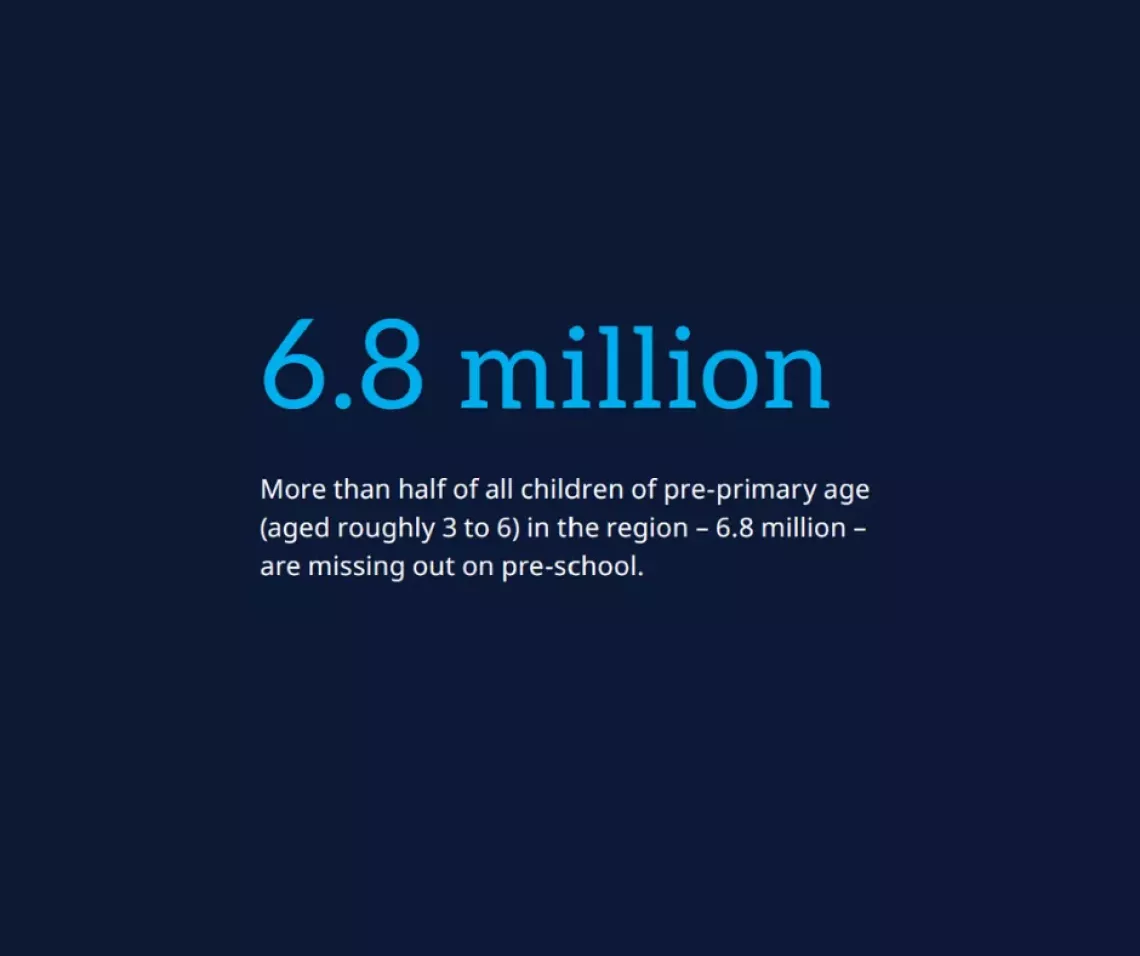
The gaps in education often start during children’s youngest and most formative years. More than half of all children in 22 countries across the region – 6.8 million – are not in early childhood education. Roma children, those affected by migration and those from the poorest and rural communities are the most likely to miss out on the chance to build the strong foundations they will need for every other stage of their education.
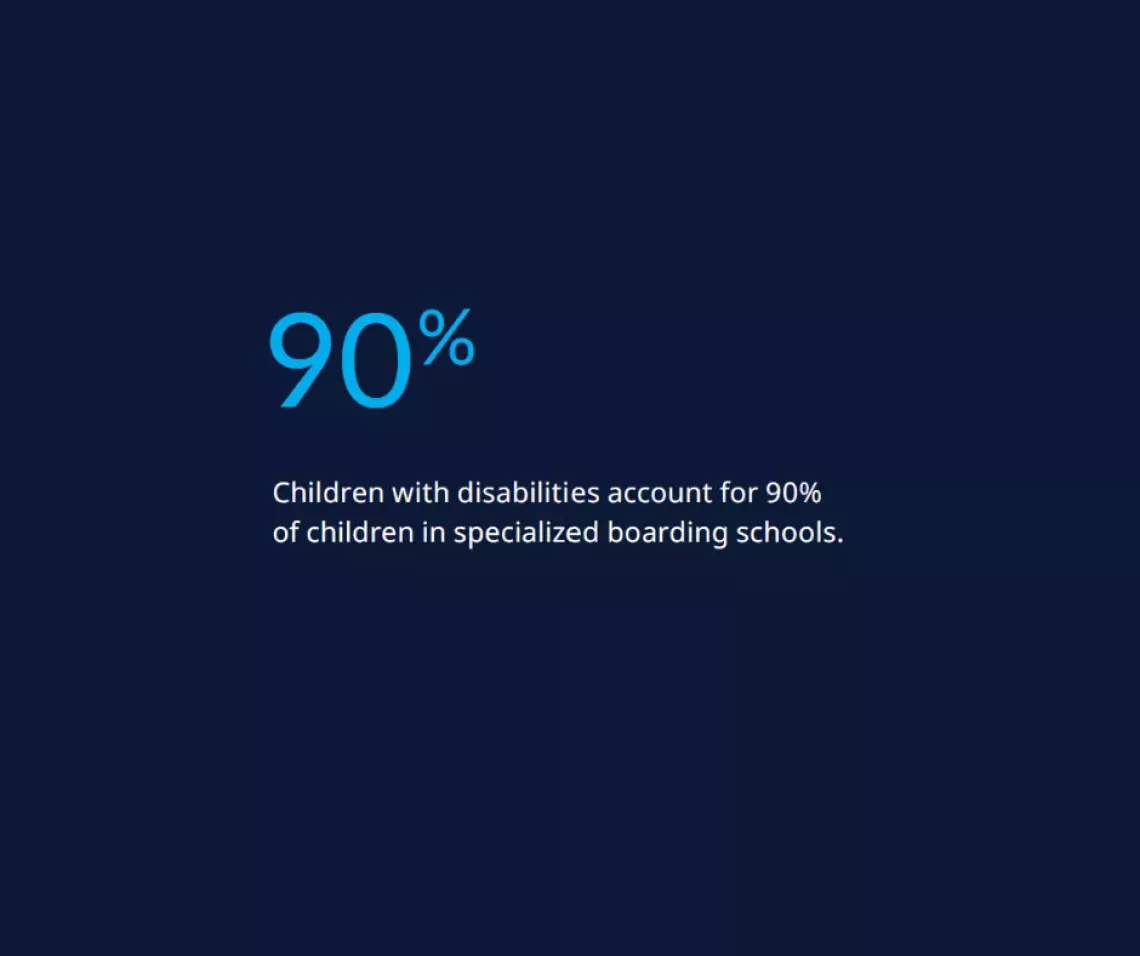
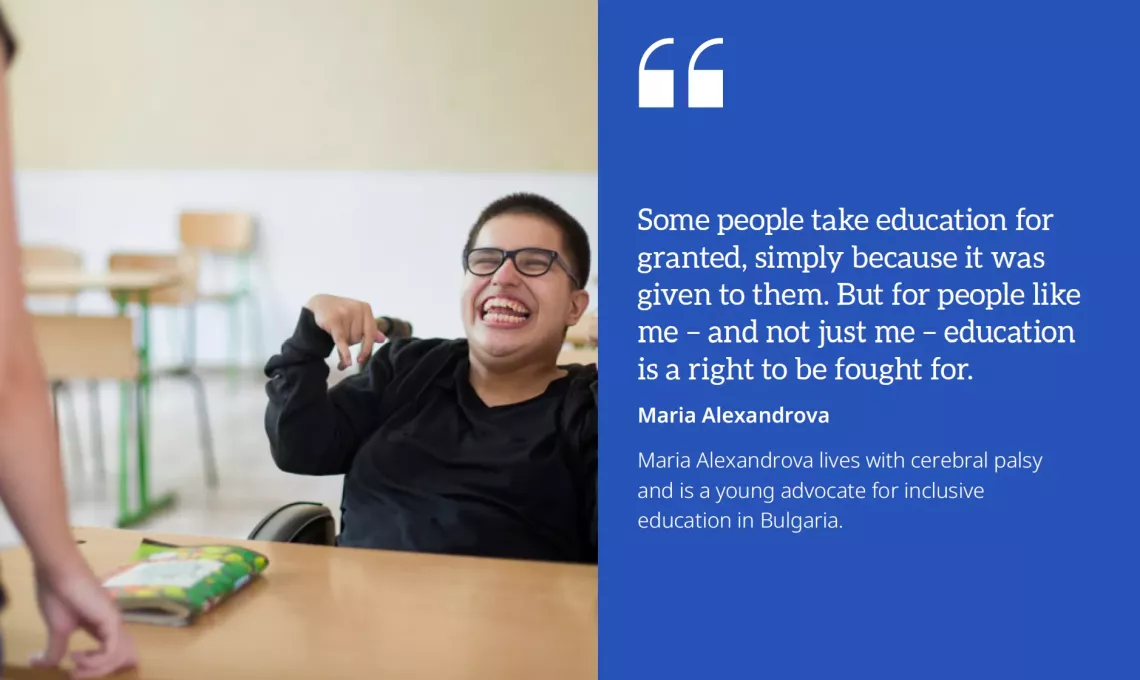
For children with disabilities, in particular, the denial of access to a quality, inclusive education continues throughout childhood. Many have no access to mainstream schools that meet their educational needs. Instead, they often live or learn in archaic institutions that provide little or no education. Children with disabilities account for 90 per cent of children in specialized boarding schools – a situation that violates their right to a family environment and exposes them to violence, abuse and neglect. Those from Roma communities and those from the poorest households are also more likely to be denied education in a mainstream school than other children.
Yet being in a mainstream school is no guarantee of a quality education: many fail to deliver the skills children and adolescents need. They often use old-fashioned methods that focus on the rigid learning of facts and figures, rather than equipping children and adolescents with the skills they need for life and work, such as critical thinking, problem solving, empathy, collaboration, and digital and green skills.
The COVID-19 pandemic revealed the existing fault-lines in the region’s educational inclusion and quality, with many children losing around two years of learning. Yet the pandemic also triggered innovative digital responses that can still be mobilized to reach children who might otherwise miss out on schooling.
On current trends, the region is not on course to achieve the Sustainable Development Goal (SDG) for education: an inclusive and equitable quality education for all. This matters, because an education that is inclusive and of high quality is a positive force for equitable social cohesion – increasingly essential in an era of growing polarization, fragmentation and division. That is why UNICEF works with its partners across Europe and Central Asia to ensure that every child has a quality and inclusive education that starts in early childhood and continues to build their skills over time, from basic literacy and numeracy to the skills they will need for life and work.
Files available for download
Key facts





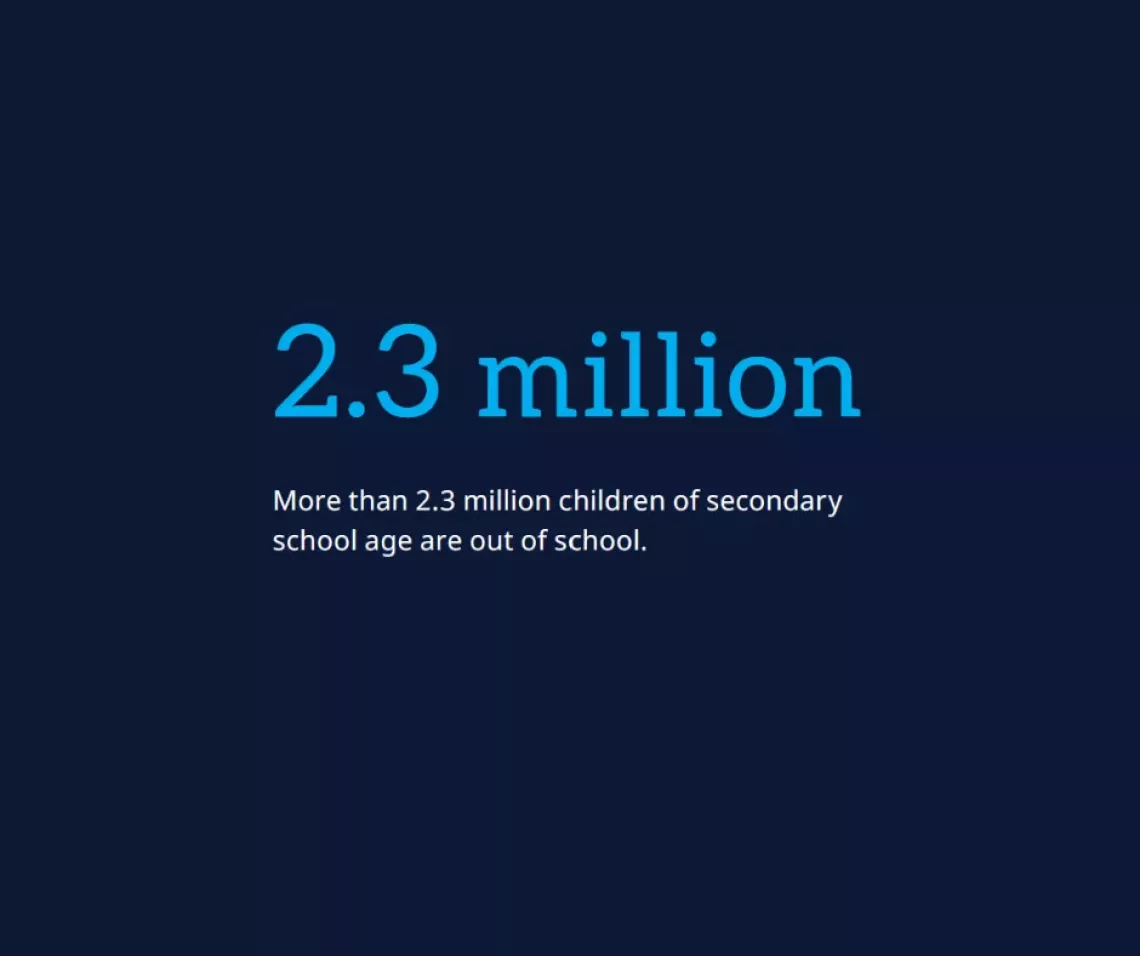

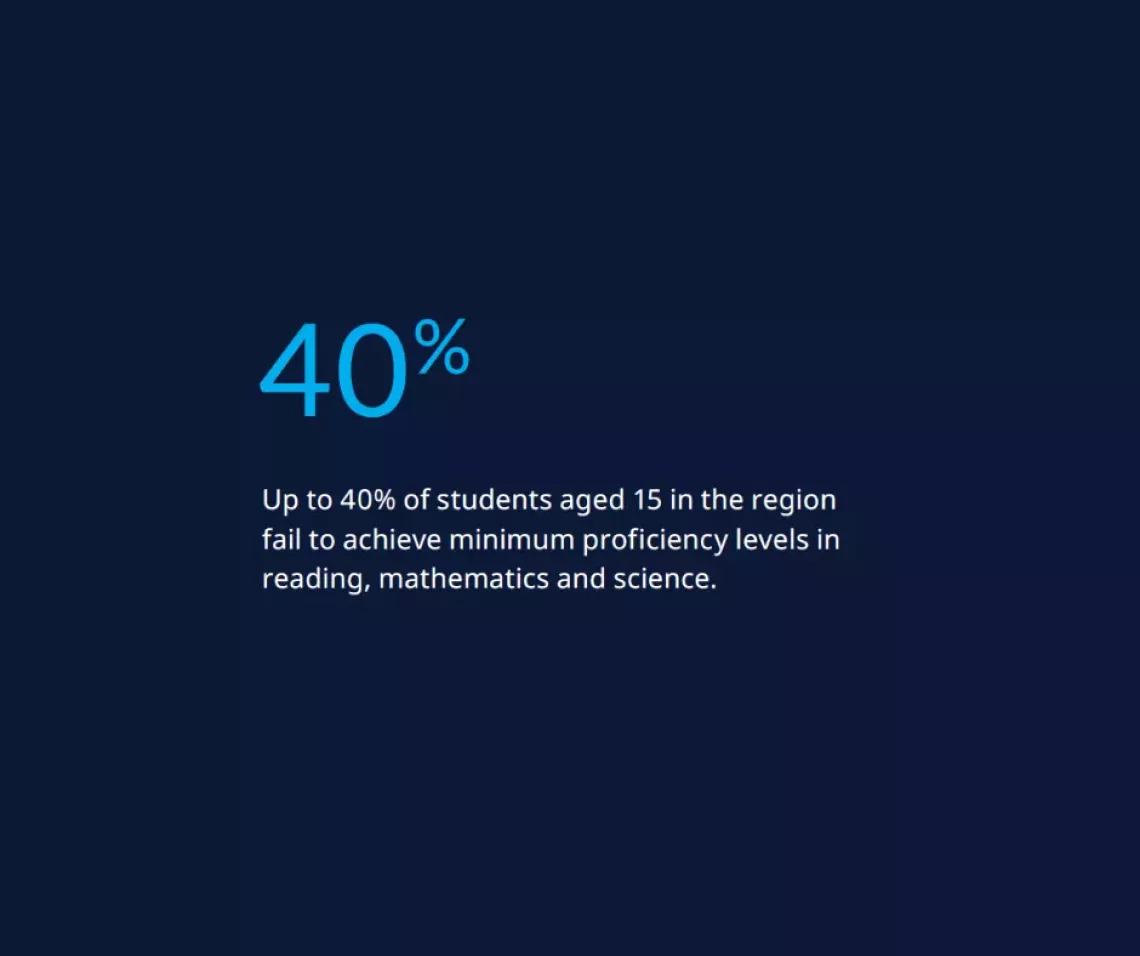
Key policy frameworks

Convention on the Rights of the Child (1989)
- Article 28: recognizes the right to education and requires all States Parties to make primary education compulsory and available free to all; make secondary education accessible to every child; and take measures to encourage regular attendance and reduce drop-out rates, among other provisions.
- Article 29: requires all States Parties to ensure that education enables children to reach their fullest potential; develops respect for human rights and different cultural identities; and fosters peace and tolerance as well as respect for the natural environment.
Convention on the Rights of Persons with Disabilities (2006)
- Article 24 on inclusive education recognizes the right of children with disabilities to education without discrimination and on the basis of equal opportunity, ensuring inclusive education system at all levels, lifelong learning directed to the full development of human potential and sense of dignity and self-worth, and the strengthening of respect for human rights, fundamental freedoms and human diversity.
The Barcelona Targets (2002) relate to countries in the EU and its accession countries. They aim to increase female labour-market participation by expanding early childhood education and care (ECEC), with at least 45% of children under the age of 3 (and at least 96% of children between the age of 3 and primary-school age) taking part in ECEC.
The Tashkent Declaration (2022) sets the international agenda for early childhood education for 2030, including commitments to encourage free, compulsory and equality pre-primary education.
Challenges
A continued lack of inclusion for some children: access to education and learning is deeply unequal in the Europe and Central Asia region. Despite aspirations to build strong human capital, increase prosperity and strengthen civic participation, governments across the region are failing to ensure that every child – and in particular children who are already the most marginalized – have full access to a quality education. Children from marginalized communities, particularly children with disabilities, are languishing in specialized boarding schools, segregated from their peers without access to quality and inclusive education. Mainstream schools are often ill-prepared to cater for children with disabilities, and over-stretched teachers may lack the skills, time and support to provide the tailored education they need.
In addition, preschools may not provide the health and social support that is needed to detect and identify developmental delays and difficulties in young children before the full onset of a disability. This can mean missed opportunities to support children’s early learning and development, particularly for children with vulnerabilities or complex needs.
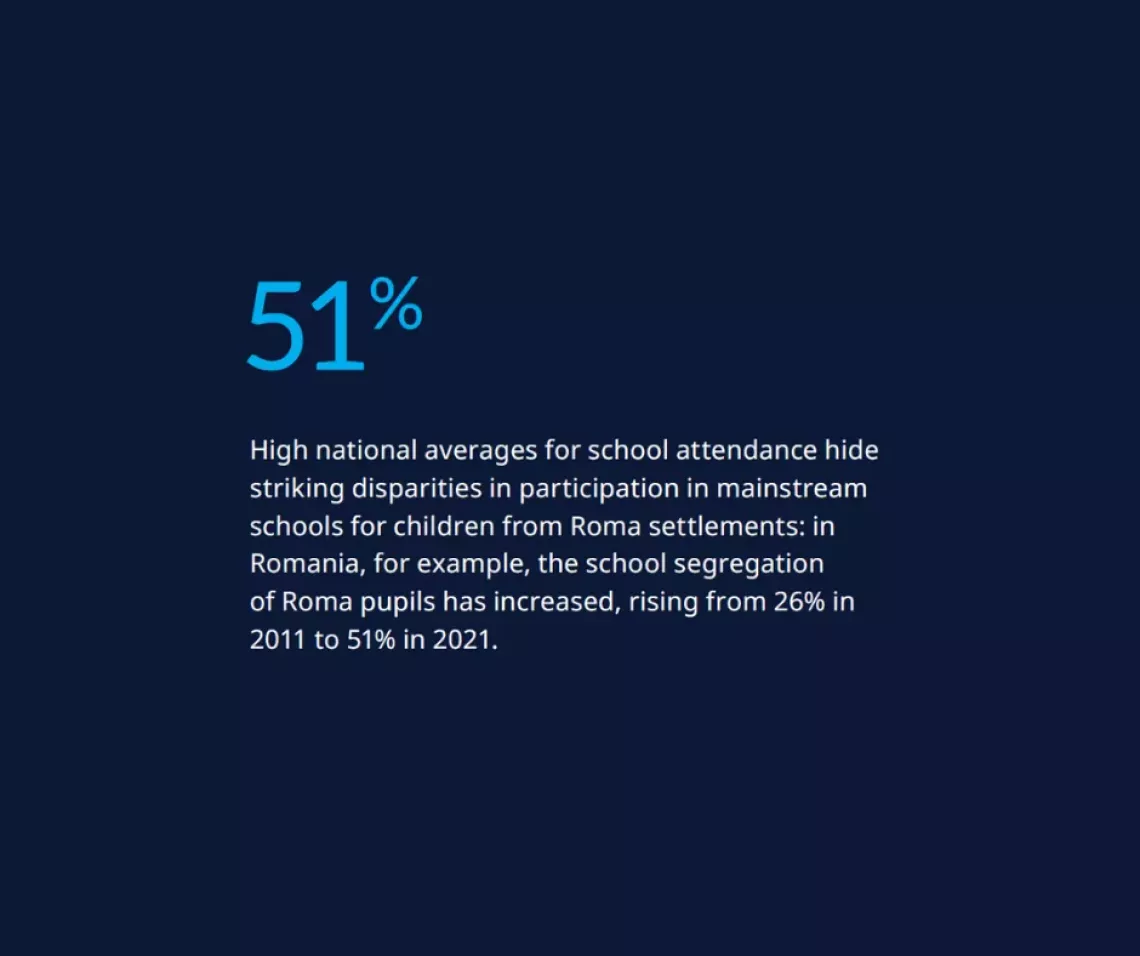
Roma and other ethnic or linguistic minority children, children living in poverty and those living in remote areas, children affected by migration and other marginalized children are also less likely to be in schools and learning than their peers. About four out of five children in Roma settlements aged between three years and the compulsory starting age for primary school do not attend early childhood education (ECE) in Kosovo1, Montenegro and North Macedonia. In Albania, for example, at least one third of Roma children aged 7-15 were outside the school system in 2017. In Montenegro, three out of four secondary-school age children living in Roma settlements did not attend primary or secondary education in 2018.
These equity challenges are underpinned by low investments in (and a lack of policies on) inclusive education, and shortages of data on the needs of vulnerable children. At household level, poverty, skepticism around mainstream education, social stigma, and lack of support for parents also contribute to unequal access to schooling and learning for the most vulnerable children.
While enrolment rates are similar for girls and boys in the region until lower secondary level, gaps emerge for girls at the upper secondary level. In most countries, greater school dropout at the secondary level has a greater impact on girls. Girls also continue to be left behind in the labour market and in education that will set them on the path towards employment, as shown by the higher rates of girls and women who are not in education, employment or training (NEET). In addition, in parts of the region, gender stereotypes in schools lead to the early segregation of girls in terms of the subjects they study, and they continue to be under-represented in science, technology, engineering, and mathematics (STEM) subjects. This reduces their employment prospects and helps to perpetuate occupational segregation and gender stereotypes in the job market.
1 All references to Kosovo should be understood to be in the context of United Nations Security Council resolution 1244 (1999)
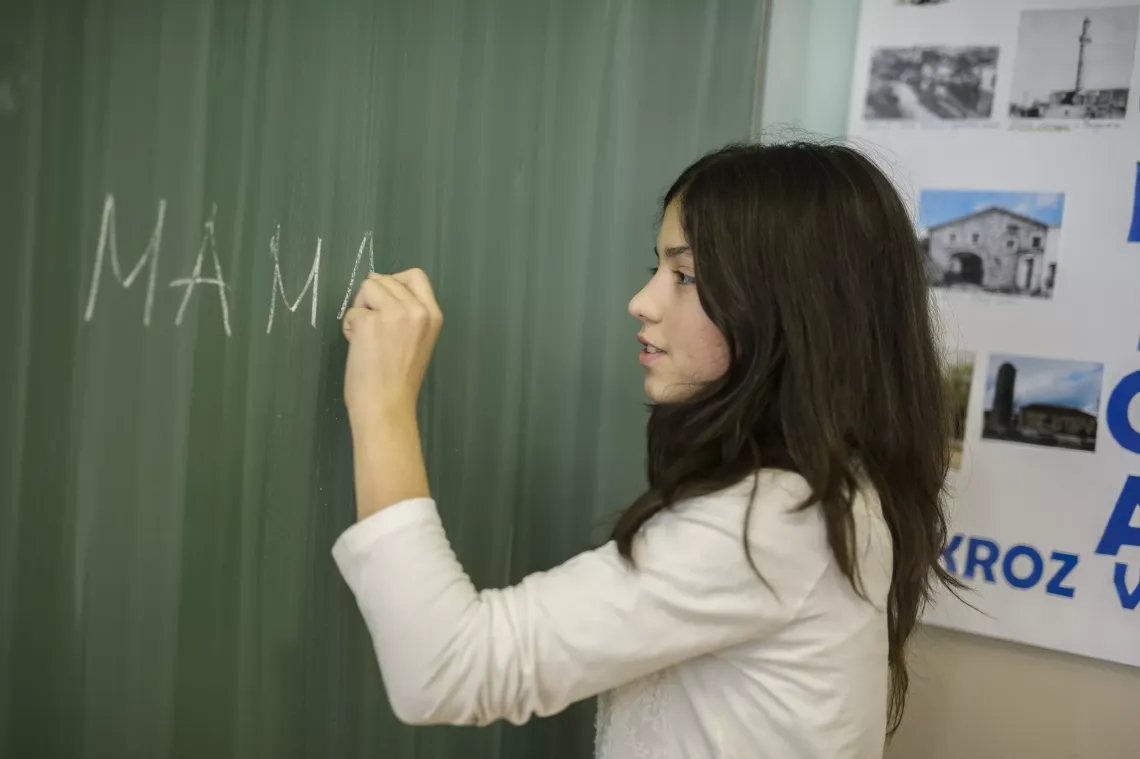
The COVID-19 pandemic: revealing fault-lines in education while offering promising approaches
The fault-lines in education systems across Europe and Central Asia became only too apparent during the COVID-19 pandemic, and the impact in terms of lost learning is still being felt today. Yet the pandemic also generated innovative approaches to education that continue to resonate.
Fault-lines
The pandemic triggered major losses in learning across entire cohorts of school students, with potential consequences for their future education and working life. The pandemic also revealed the scale of the region’s digital divide as governments used a combination of TV and online technologies to support distance learning. More than 40 per cent of the region’s children aged 3 to 17 – around 36 million school-aged children – did not have Internet access at home, particularly those in the poorest households and rural areas. Their exclusion was intensified by a lack of accessible digital content and of digital skills among families, children and teachers in many places. Children with disabilities were highly likely to miss out, with the pandemic revealing the gaps in access to assistive devices and accessible educational materials. And Roma children were seriously disadvantaged: 20 per cent of Roma students in Ukraine and 30 per cent in Croatia were excluded from learning in 2020 and 2021.
Promising approaches
The response to the pandemic accelerated the digital transformation of education systems across Europe and Central Asia. Many countries launched national digital learning platforms to reach the most marginalized children, including akademi.al in Albania, e-school in Armenia, and the Education Information Network (EBA) platform in Türkiye. Learning Passport – a digital platform developed by UNICEF and Microsoft – was rolled out in Kazakhstan, Kosovo, Kyrgyzstan, Montenegro, Serbia, Tajikistan, Ukraine and Uzbekistan. And the Akelius Digital Language Learning Course has reached children affected by migration in Albania, Bosnia and Herzegovina, Greece, Italy, Kazakhstan, Serbia and other countries, helping them to learn new languages and develop foundational literacy skills. By the end of 2021, UNICEF had supported the training of around 450,000 teachers in the region on the delivery of digital, distance and blended learning – skills that can continue to support children who might otherwise miss out.
Concerns about quality: the outcomes of learning. Being in school is no guarantee of a good education in Europe and Central Asia. Many children who are in the classroom are falling behind in their learning as a result of outdated curricula and teaching methods that do not instill the knowledge and skills needed for learning, life and work.
Preschools in the region, for example, do not always provide modern, play-based approaches to teaching and learning. Many create highly-structured environments with an academic focus, and do not allow enough time for young children’s free play, creative pursuits, social-emotional learning and exploration outdoors. This ‘schoolification’ of early childhood education and care, as seen in some parts of the region, hampers the nurturing care that young children need in their early years to thrive, flourish and build the foundations for life-long learning.
The proportion of lower secondary students with at least a minimum proficiency level in reading and mathematics is low across the region, but particularly in Albania, Georgia, Kosovo, North Macedonia and Uzbekistan, where more than 60 per cent of students are not achieving a minimum proficiency level.
Again, the impact of poor quality education is felt most keenly by children from vulnerable groups, who are also less likely to benefit from the time they spend in school. Results from the 2022 Program for International Student Assessment (PISA) showed that, on average in the region, children from richer households are more than 70 points ahead of those from poorer households in mathematics. A gap of this magnitude is equivalent, on average, to 3.5 years of learning.
With labour markets becoming more specialized and competitive, it is vital that young people are equipped with the skills and knowledge required for meaningful employment. Yet there is a persistent mismatch between current educational approaches and the needs of today’s job markets, particularly in relation to digital and green skills. A lack of climate education means that children and young people are not equipped to support the transition to greener economies.
UNICEF’s work for children
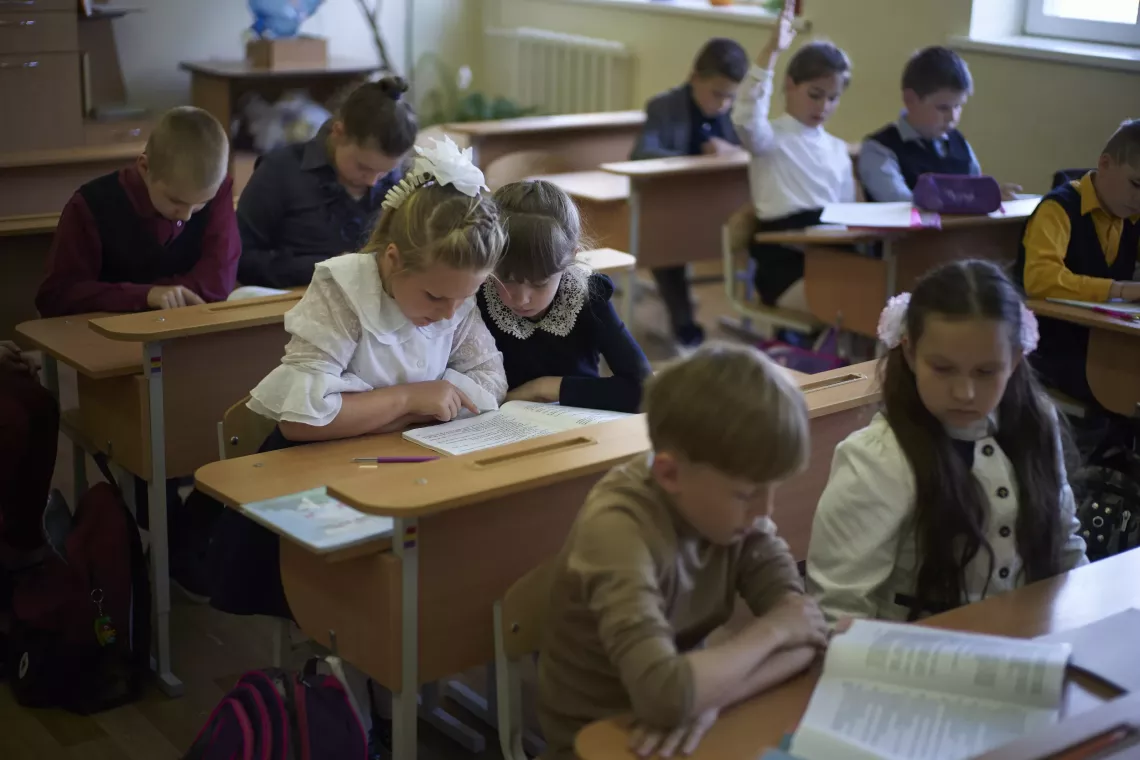
UNICEF works across Europe and Central Asia to ensure that every child has the inclusive, high-quality education that they need, and that is also vital for economic development and social cohesion.
We want every child to have the best possible start to their learning through quality early childhood education and care (ECEC), and to learn in safe and supportive environments where they enjoy an inspiring education that equips them with knowledge and skills for learning, for work and for life.
We work to ensure greater investment in ECEC by 2030 so that all young children, everywhere in the region, are ready for school, urging each government to rapidly expand universal coverage of ECEC, in line with the Barcelona Targets. Meanwhile, we work to ensure that marginalized children, including those affected by forced migration and displacement, have access to early learning.
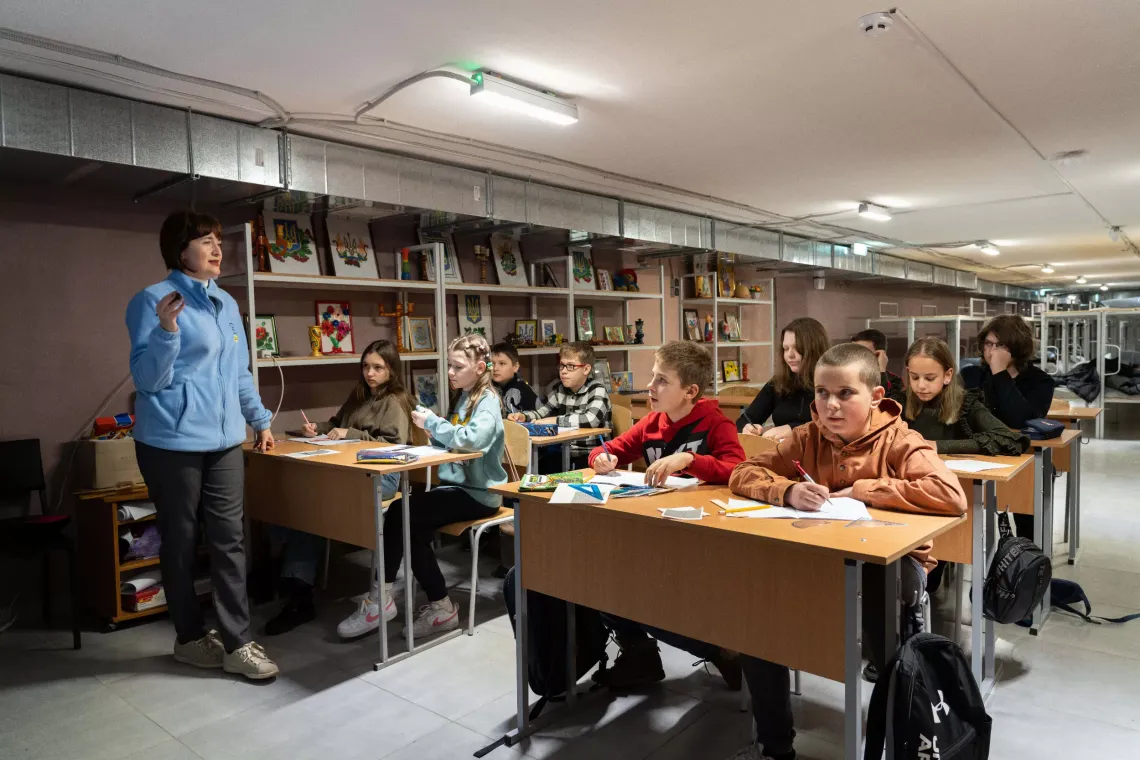
As a part of its response to the Ukraine crisis, for example, UNICEF supported the establishment of 155 play and learning hubs across Bulgaria, the Czech Republic, Moldova, Poland, Romania and Slovakia between April 2022 and March 2023. Established
in collaboration with local authorities, these hubs reached more than 49,000 young children – both refugees and children from host communities – with early learning. In Moldova and Romania, UNICEF has worked in partnership with The LEGO Foundation to train more than 2,350 ECEC professionals, both national and Ukrainians, on play-based learning, psychological-first aid, and parenting support. The aim is to strengthen the resilience and agility of ECEC systems during crises.
We work with countries to promote the full inclusion of all children in mainstream schools throughout their education. This includes support to reduce the number of specialized boarding schools and to reinvest the freed-up resources in inclusive education and community-based care, aiming to ensure that this transition is underway across the region by 2025. In Moldova, the successful closure of residential schools – achieved with UNICEF’s support – proves that they can be replaced by inclusive education, whole-school support, family support services and family-based alternative care when political will is backed by action.
In the Western Balkan countries and territories, we have worked with governments to change the approach to children with disabilities, creating multi-disciplinary school inclusion teams, and training thousands of teachers on inclusive approaches and the development of model schools that promote whole-school approaches. We have also worked to change mindsets. In North Macedonia, for example, the ‘Be Fair - For Childhood without Barriers’ campaign has seen an increase in the share of people who believed that children with disabilities should be in mainstream classes with other children from just 4 per cent at the start of the campaign in 2017, to 24 per cent. This was part of a concerted effort that helped to end the enrolment of children with disabilities in special schools in North Macedonia by 2023.
In Greece, the ‘Teach for Integration programme’ helps teachers integrate children from marginalized communities into their classrooms – a programme that is, importantly, accessible to teachers who have disabilities. And in Uzbekistan, major reforms are being launched to model inclusive pre-schools and schools and mainstream inclusive education across the curricula, all areas of teacher training and assessment.
We also back the region’s teachers, supporting their education and professional development to enhance their skills and impact. In Albania and Serbia, for example, UNICEF has supported governments in the development of digital competency frameworks for teachers, recognizing that they need their own digital skills if they are to develop those of their students.
Curriculum reforms are a key opportunity to transform the ways in which teachers teach and children learn to achieve better learning outcomes across all levels of their education. In countries across the region, we work to strengthen the relevance of education by updating teaching and learning content to equip children and adolescents with the transferable, digital and green skills they will need to succeed in today’s increasingly digitalized job market and support the transition of their communities to green economies.
Greentech skills for girls – a new approach to STEAM subjects in Central Asia
The UniSat programme is a pioneering approach supported by UNICEF to promote greentech skills development with and for girls. Launched in 2020 by UNICEF Kazakhstan and the Al-Farabi Kazakh National University, it was extended in 2022 to Kyrgyzstan and Uzbekistan. The programme promotes STEAM (science, technology, engineering, arts and mathematics) and transferable 21st century skills for girls. As part of this initiative, UNICEF has supported the development of a learning platform to enable girls to better understand satellite technologies and use them to gather data on environmental issues, such as urban air pollution. Around 900 girls complete the course annually. The programme aims to break down negative gender stereotypes in Central Asia and encourage girls to consider studies and careers in STEAM, such as aerospace technologies, environment studies and climate adaptation.
UNICEF also invests in measures to transform how education is delivered, aiming to support life-long learning and the acquisition of 21st century skills within and beyond the classroom. We support, for example, effective teaching and learning practices and mobilize expertise from academia, the private sector, local communities and children and young people.
Call to action
UNICEF recognizes that the key obstacle to an inclusive and quality education is about the failure of many education systems to meet the needs of every child – not about the perceived abilities of the children themselves. It is time, therefore, to re-think what and how children learn by reforming curriculums and teacher training, investing in the effective measurement of learning, improving the availability and quality of learning materials, and transforming the school environment so that it works for everyone.
UNICEF shows national governments what works, providing concrete examples backed by hard evidence, to make the investment case for an inclusive, quality education for every child. We aim to capitalize on curricula reforms to incorporate vital green and digital skills into curricula in every country.
Above all, we demonstrate that inclusive and high-quality education is cost-effective, improves educational outcomes for all children, and builds social cohesion across entire nations. Our vision is that every child learns and builds the skills they need from their earliest learning to the end of their secondary education – the skills that enable them to become agile, adaptive learners and citizens, to navigate personal, social, academic, economic and environmental challenges and shape not only their own future, but also the future of our planet.