In Focus: Ending violence against children
Violence is one of the greatest threats to children worldwide – including in Europe and Central Asia
Highlights
Violence, abuse and exploitation have a devastating effect on children. The impact of violence ranges from the immediate threat to their lives and well-being, to the insidious long-term repercussions of emotional abuse, neglect, abandonment and institutionalization.
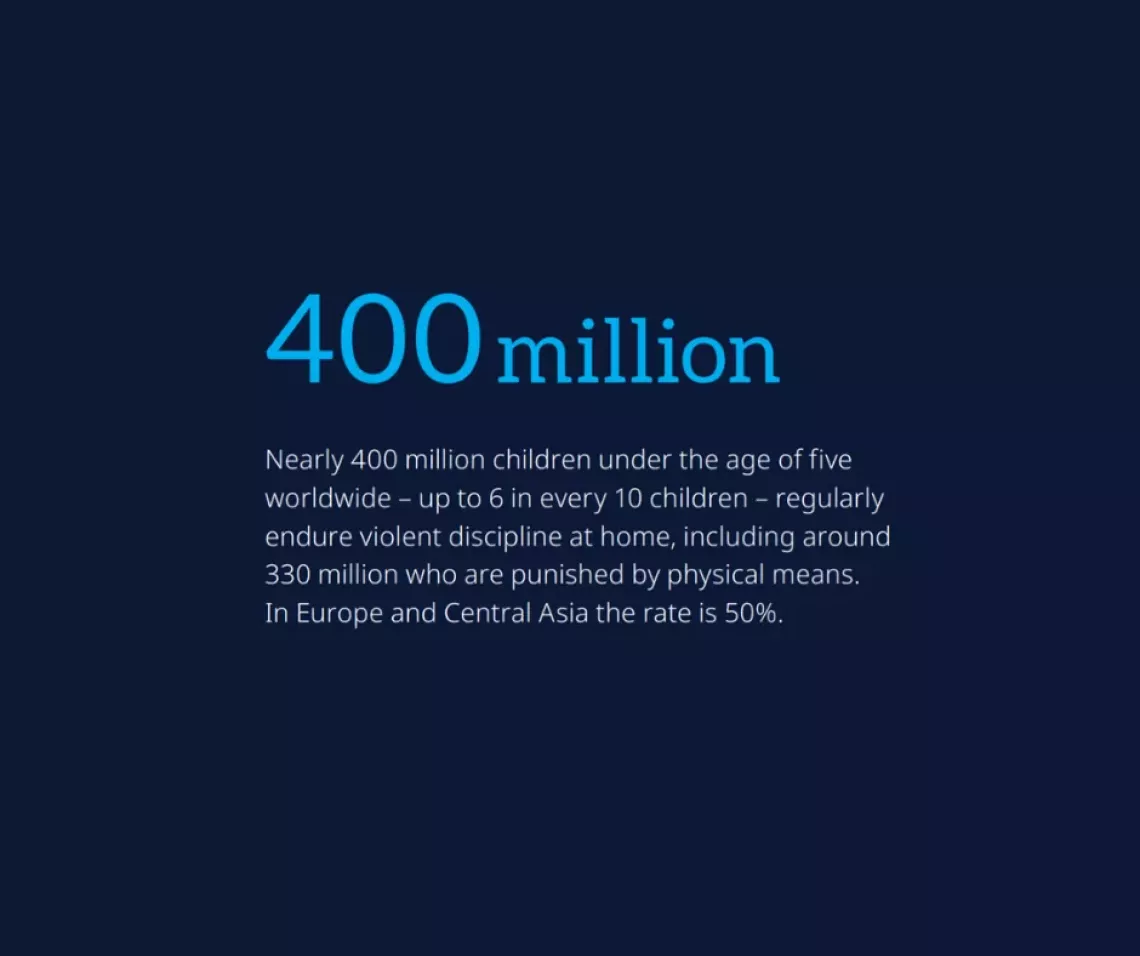
Beyond the hurt and pain caused, violence undermines a child’s sense of self-worth and hampers their emotional, cognitive and physical development. For half of all children in the Europe and Central Asia region, violence, neglect and dysfunctional parenting often make home the most dangerous place of all. Violence also invades the lives of some children in schools, foster care, residential institutions and places of detention: all of them settings that are supposed to care for and protect them. They may experience violence when they are online, and violence can be commonplace on the streets of communities that are plagued by organized crime and gang warfare.
No child is immune to violence, and children are often exposed to different forms of violence across different settings: it is all too often part of a wider cycle of domestic, gender-based and community violence. And it may be passed from one generation to the next, with children who experience it more likely to see it as ‘normal’ and becoming adult victims – or even perpetrators. Children in the region now face new and evolving challenges, including overlapping crises that increase the dangers, from the impact of climate change and the legacy of the COVID-19 pandemic to the growing risks they face online.
As things stand, the region – indeed the world as a whole – is not on track to keep the promise made to children to end all forms of violence against them by 2030. There is, however, a growing recognition that violence against children is unacceptable, and some countries in Europe and Central Asia have prohibited all corporal punishment of children, including in the home. Meanwhile, the work of UNICEF and its partners demonstrates that violence against children is preventable and that ending it is possible.
Files available for download
Key facts


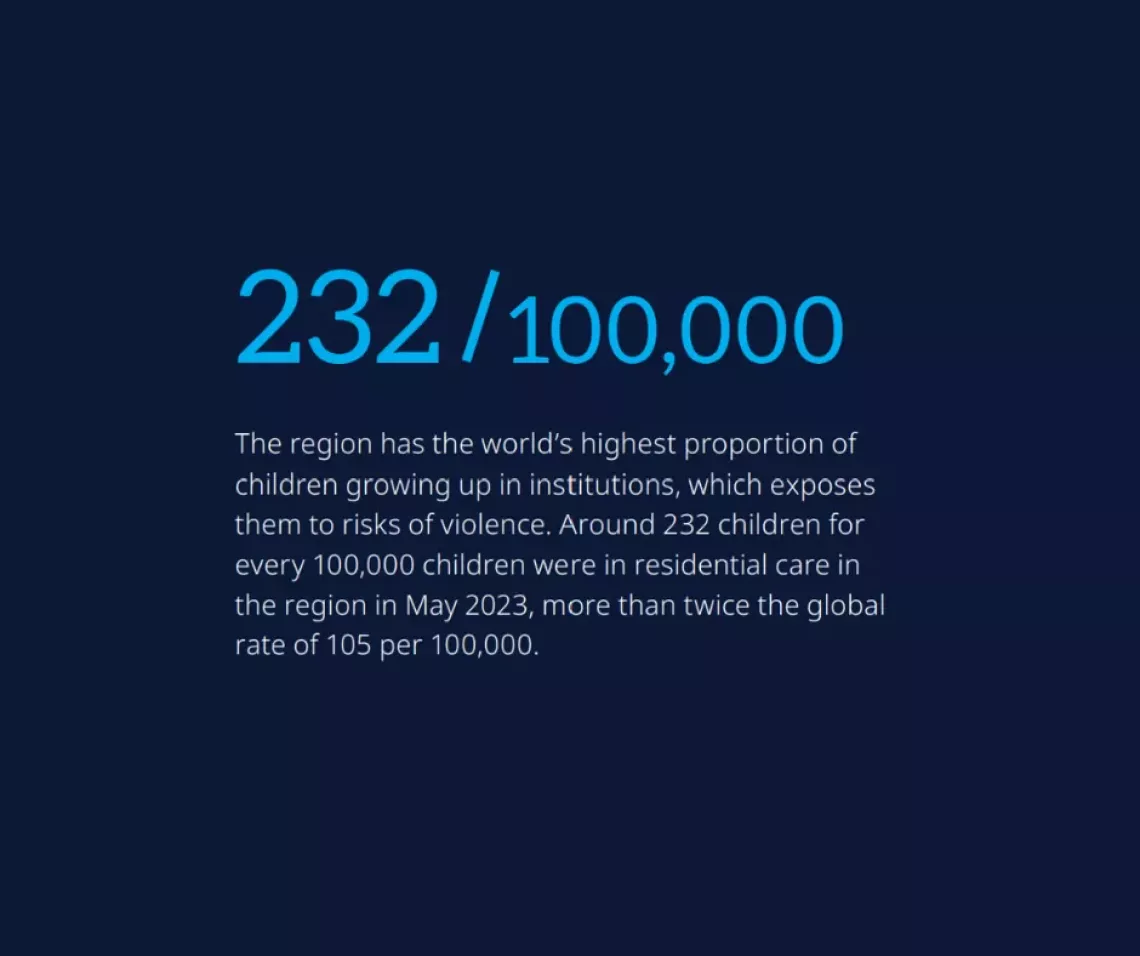

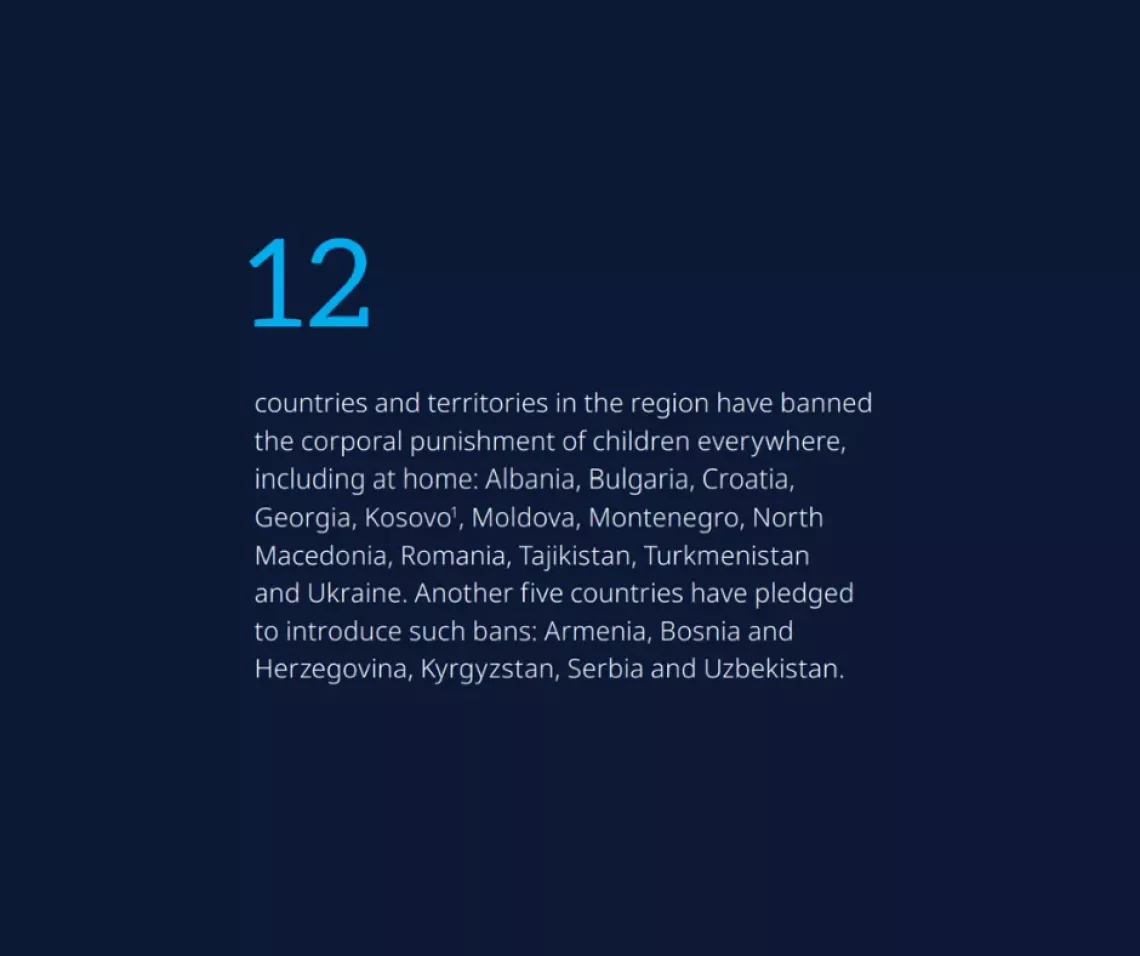

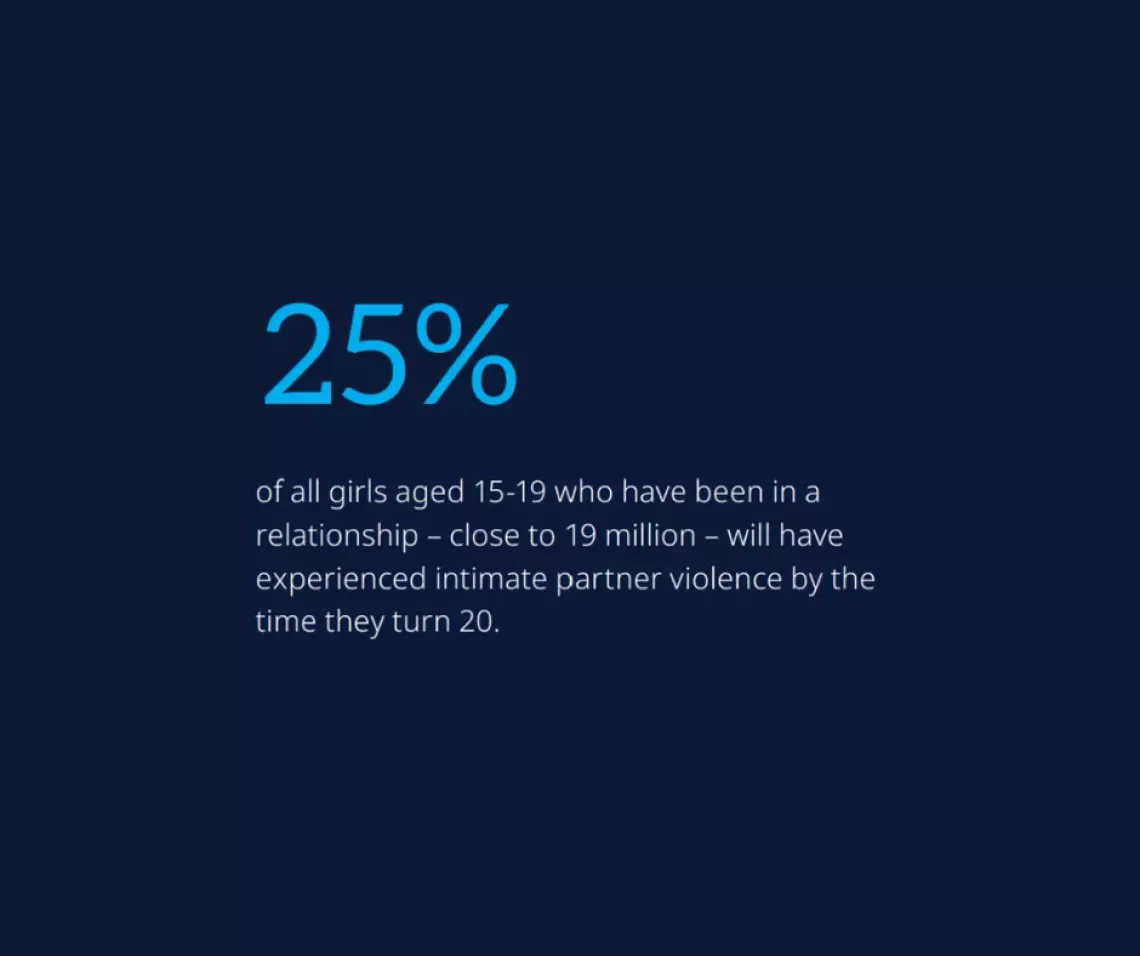
1 All references to Kosovo should be understood to be in the context of United Nations Security Council resolution 1244 (1999).
Key policy frameworks
Convention on the Rights of the Child 1989
Article 19: States Parties shall take all appropriate legislative, administrative, social and educational measures to protect the child from all forms of physical or mental violence, injury or abuse, neglect or negligent treatment, maltreatment or exploitation, including sexual abuse, while in the care of parent(s), legal guardian(s) or any other person who has the care of the child. See also:
- Optional Protocol to the Convention on the Rights of the Child on the sale of children, child prostitution and child pornography (OPSC) (2000).
- Optional Protocol to the Convention on the Rights of the Child on a communications procedure (OPCP) (2011).
Challenges
Violence against children occurs every day, everywhere: a stressed parent slapping a child to control them; a predator subjecting a child to sexual abuse; a child bullying a classmate; the relentless verbal abuse that shatters a child’s emotions. Millions of children in Europe and Central Asia are affected, yet the violence they experience is too rarely acknowledged, partly because it is so common and seen as ‘normal’.
While no child is ‘immune’ to violence, some children do face greater risks. Children with disabilities and those with conditions such as HIV are too often abandoned or abused by families who lack the support they need to cope. There are also serious challenges for adolescents, with those aged 15 to 19 being three times more likely to die as a result of violence than those aged 10 to 14. A quarter of adolescent girls aged 15 to 19 will experience violence by an intimate partner during these critical years, causing profound and lasting harm.
Despite marked progress on alternative care for children, Europe and Central Asia still has the world’s highest proportions of children separated from their families, child abandonment and institutionalization. Research confirms that children in institutions are particularly vulnerable to violence and abuse. Their gender, age and the skewed power dynamics between the adults in charge and the children in their care influence the different forms and prevalence of violence they experience. Girls in care or detention, for example, are more likely than boys to become victims of sexual and physical abuse.
Children in the region now face new and expanding types of violence, triggered by emerging crises. They include children who are on the move in unprecedented numbers, such as those affected by migration and those fleeing from conflicts, as well as growing numbers of children living in conflict-affected areas. Gender-based violence (GBV) increases during times of conflict and other emergencies and includes sexual violence, forced or early marriage, and intimate partner violence, among others. Lack of access to health services, education, and employment – particularly for women and girls – heightens the risks.
Around 160 million children in Europe and Central Asia are now vulnerable to the impact of climate change, which is a ‘risk-multiplier’ for violence against children as it pushes more people into the distress caused by poverty, loss of livelihoods and communities.
Then there is the impact of the COVID-19 pandemic with lockdown measures that increased the risks of violence against children while disrupting vital child protection services, and its lingering social and economic aftershocks, from greater poverty to loss of education.
The intersections of violence against women and violence against girls and boys
Many forms of violence, particularly those that occur in the home, have common drivers. Child abuse and neglect and intimate partner violence, for example, are often found in the same household. Children who witness or experience domestic violence are, in turn, more likely to suffer from various forms of abuse themselves. This overlap only adds to the distress experienced by both women and children, leading to severe and long-term physical and psychological consequences. Yet age-old social norms often support – or at least tolerate – violence against women, girls and boys and discourage victims from trying to get help, with the impact accumulating and combining throughout their lives. As a result of deep-rooted inequalities, adolescent girls often fall through the cracks, enduring forms of violence that are inflicted on both younger children (such as violent discipline) and on women (including intimate partner violence).
Children also experience violence in their schools and now, as access to the Internet increases, new risks to their safety online, with the dangers heightened by the ‘4Cs’ of easy contact, harmful content, bad conduct and algorithms based on commerce. While Internet access has many benefits, it also has a darker side, with children exposed to cyberbullying and sexual exploitation, among other forms of violence. A recent WHO study found that 12 per cent of adolescents in Europe and Central Asia had cyberbullied others at least twice in the previous two months, and that 15 per cent had been victims of such bullying. Globally, the number of reports of child sexual abuse materials online has increased by 87 per cent since 2019.
There is a growing awareness of the links between violence against women and violence against children, which are often found in the same households, with serious consequences for children’s health, development and well-being.
Violence against children is found in every community and country across the region, regardless of its relative wealth or poverty. So it demands a response similar to that used for public health – cross-sectoral, concerted and comprehensive – to safeguard entire generations.
UNICEF’s work for children
UNICEF’s determination to tackle violence against children is embedded in everything we do. We aim to strengthen child protection systems to build a protective environment for every child. This means looking beyond programmes that focus on particular groups of children or specific forms of violence to create an effective and comprehensive systems approach that can protect all children. We work with governments to strengthen health, education, child protection and justice systems so that they are ready to prevent and respond to violence. And we work with a range of partners to prevent and respond to violence against children, aiming to reduce it everywhere – at home, at school, in the community and online – and to break the silence on this hidden epidemic.
UNICEF is committed to building the skills of professionals who are duty bound to protect children – including teachers, social workers, police officers and health workers – to identify children at risk of violence, prevent violence and respond quickly and effectively to support child victims. We also support positive parenting and other measures to build parental skills to prevent violence in the home.
UNICEF works at the intersection between violence against women and violence against boys and girls, aiming to prevent violence in all its forms from a child’s earliest years through support for parents and caregivers that aims to, for example, transform the gender norms that tolerate violence against women. We work to prevent violence during adolescence by challenging the social norms that shape the behaviour expected of adolescent boys and girls and helping them to build healthy, non-violent relationships. We support the strengthening of social service workforces across the region to improve response and support services for children and women affected by violence. And we promote greater coordination between professionals working on domestic violence and on child protection to ensure the safety and well-being of women and children who have survived violence.
The Barnahus model in Georgia
When 12-year-old Anna* told her mother, Natia, that a neighbour had sexually abused her, Natia, angry and heartbroken, knew she had to report it. But she dreaded what might come next, and pictured her daughter having to face endless interviews, medical tests and forensic checks, and being forced to relive the trauma in unfriendly police stations and clinics.
But when Natia spoke with the police, they asked her to take Anna to the Center for Psychological and Social Services for Children, a new flagship centre in the Georgian capital of Tbilisi that has already helped more than 200 child survivors of sexual abuse. It deals with these victims in a way that minimizes the pain that investigations can cause and, crucially, provides a therapeutic environment and psychological services so that children can process, deal with and ultimately overcome their traumatic experience.
The centre is based on the ‘Barnahus’ (‘Children’s House’) model, which is transforming work with child victims of sexual violence across the Nordic countries and much of Europe and is the first of its kind in Georgia. It brings together all the services, specialists and experts involved in cases of child sexual abuse, from investigators and doctors to psychologists and social workers, in a building that is as welcoming as possible, with warm rooms, comfortable armchairs, children’s toys and books.
When Anna and her mum first came here, they were welcomed by a social worker and psychologist who showed them around, with the psychologist using this time to decide whether Anna was emotionally ready to discuss what had happened. She was, so a specialist investigator sat with her to talk through her experience – one trained professional who asked questions on behalf of all the relevant agencies in a way that gathered information without forcing Anna to relive events in a way that would cause harm. The interviews could be halted whenever Anna wanted to play a game, read a book or have something to eat.
It is a win-win approach. For children, it minimizes the impact of the interview process and can be the first step towards recovery. For investigators, it can secure more reliable testimony from children who find it easier to talk in a more relaxed environment. All children are offered therapeutic services and qualified experts are on hand to provide follow-up support for as long as needed – support that is also offered to their families. A few months after coming to the Centre, Anna is better able to manage her anxiety, less likely to blame herself for the abuse and growing in self-confidence.
Run by the State Care Agency and launched in 2022 with the support of UNICEF and the Government of Estonia, the centre in Tbilisi works with children from the city and surrounding regions, but there are plans to extend this approach to Kutaisi, Western Georgia, in the near future.
*Anna and Natia are composite characters based on multiple testimonies and real cases from the centre.
UNICEF works with the justice sector to ensure that victims and witnesses of crime do not have to relive their trauma and are treated with dignity and respect. Our programmes aim to strengthen the capacities of social workers to uphold children’s best interests and fundamental rights when decisions about their safety and well-being are being made.
We promote cross-sectoral approaches, such as the Barnahus model, which provide holistic responses to children who have experienced violence, including sexual violence. The Barnahus model brings together professionals – from social workers to police officers, and from healthcare providers to legal experts – under one roof for a coordinated and child-friendly response to child victims. Children are spared the trauma of multiple interviews and examinations, and receive integrated support that includes forensic interviews, medical evaluations, psychological support and legal assistance. This collaborative approach enhances the protection, recovery, and well-being of children.
UNICEF also supports the establishment and operation of helplines for children. These provide immediate assistance to children in distress, offering a safe and confidential space for them to report abuse, seek advice and receive emotional support.
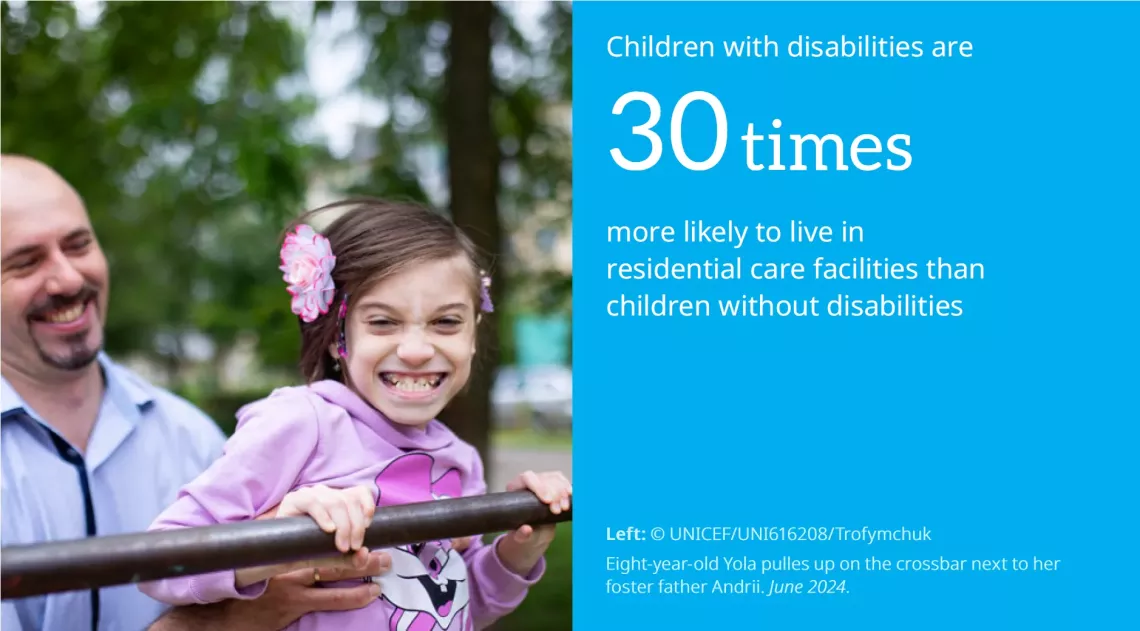
Across the region, UNICEF has a long history of calling for, and supporting, the closure of large-scale residential institutions for children and greater investment in well-trained and committed foster families. This will have the biggest impact on children with disabilities, who are up to 30 times more likely to live in residential care facilities than children without disabilities, and who are particularly vulnerable to violence.
UNICEF works to end child marriage, which often exposes girls to domestic violence and abuse. We have also integrated GBV prevention and response into our emergency programming, including our responses to the needs of refugee children and those migrating to Europe and the ongoing war in Ukraine. During emergencies, when rates of GBV soar, UNICEF provides safe spaces where girls and women can find support on the issues affecting them, including their sexual and reproductive rights and health, and their relationships. In addition to in-person safe spaces, we have also developed ‘Laaha’, a virtual safe space for adolescent girls. This online platform gives them access to information and support, with every aspect developed in consultation with women and girls to ensure it meets their needs.
We recognize that knowledge is power, supporting the stronger monitoring of violence by improving national data collection and the generation of robust evidence. And we use that evidence to change mindsets. Through joint public campaigns with governments, civil society, media and children themselves, we promote open and honest discussion and understanding of violence against children.
Montenegro: High school students propose solutions to violence
Here are just some of the solutions proposed by high-school students in Montenegro to tackle violence against children: anti-violence clubs in schools; talking about the consequences of violence from an early age; workshops for students who perpetrate violence (and for those who are victims of it); more options for the anonymous reporting of violence; more school psychologists; and adding media literacy to the school curriculum.
They shared these ideas – and more – at the country’s first Youth Forum in April 2024, organized by the Union of High School Students of Montenegro with support from UNICEF and the EU. The Forum generated concrete proposals for the country’s Working Group of the Ministry of Labour and Social Welfare, which is developing a five-year Strategy for the Protection of Children against and Prevention of Violence.
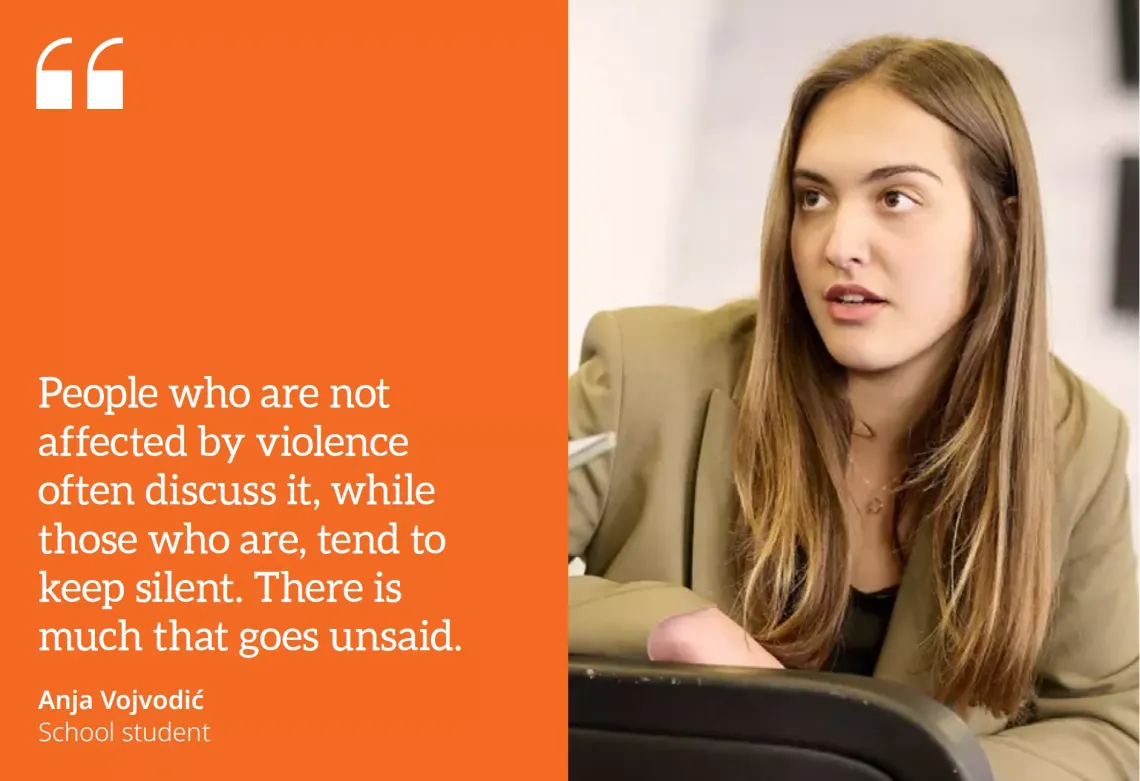
School student Anja Vojvodić commented on the presence of all kinds of violence in her surroundings: physical, verbal and online, saying: “People who are not affected by violence often discuss it, while those who are, tend to keep silent. There is much that goes unsaid.”
She thinks that young people are afraid to report violence, believing it will escalate or that no one will understand them. She also identified a problem with the school system, with some students labelled as ‘troublesome’: “Children believed to have a problem are usually sent to a pedagogue or psychologist. It is overlooked that others also face challenges and need support.”
Her solution? “Continuously educating ourselves and others, explaining prevention methods, understanding our rights and obligations, and having more conversations about violence.”
The Union of High School Students, supported by UNICEF and the EU, will continue to organize similar forums and discussions, providing space for children and young people to express their views and participate in developing and implementing policies and strategies on the issues that concern them.
The Model National Response to child sexual exploitation and abuse
Seven countries in Europe and Central Asia are rolling out a Model National Response (MNR) to prevent and tackle child sexual exploitation and abuse: Albania, Belarus, Bosnia and Herzegovina, Bulgaria, Montenegro, Serbia and Ukraine. The MNR, developed by the WeProtect Global Alliance in partnership with UNICEF, recognizes that ending child sexual exploitation and abuse demands comprehensive action that goes beyond the online environment. MNR countries are building a whole-of-society response that includes:
- national policies to clamp down on child sexual abuse.
- concerted action by the criminal justice sector to hold perpetrators to account.
- end-to-end victim support and empowerment, from child-sensitive services to a strong child protection workforce, and from effective compensation and redress measures to
child hotlines. - strenuous efforts to change mindsets and raise awareness across societies and cultures, such as education, child participation, and ethical media reporting, so that everyone knows the risks –including children and young people – and knows how to keep children safe.
- engaging with the Internet and social media industry, which must be part of the solutions, from removing harmful content online to responsible business conduct.
In Albania, for example, the MNR has supported the introduction of mobile protection units that can travel to the most remote communities, which often lack access to services to prevent or respond to violence. In Montenegro, the Institute for Social and Child Protection, with support from UNICEF, has developed standard procedures for cross-sectoral cooperation on cases of violence against children and has rolled out training programmes for social welfare, health and law enforcement professionals. And in Serbia, the National Child Helpline, with support from UNICEF, has introduced Chat Counselling for children, an innovative service that includes chat options through ChatBox and ViberBot, including the development of an interactive, child-friendly website.
Call to action
The challenges are vast, but UNICEF’s work across the region in recent decades has already helped to re-shape attitudes about violence and neglect and has demonstrated what works to end violence against children. We believe that these challenges can be overcome by comprehensive, integrated and cross-sectoral approaches that should be seen as an investment, rather than a cost, backed by action to take what works to scale and to fully implement the laws that are already in place.
There may be a long way to go, but a clear roadmap is in place, starting with strong and enforced policies to outlaw all forms of violence against children, wherever and whenever it occurs. UNICEF is calling for stronger systems to protect children, starting by strengthening social work as a profession and equipping the wider social service workforce with the skills, tools and resources to intervene, prevent and respond.
Multi-sectoral approaches that include the voices and views of children and young people are critical to prevent and respond to violence and unite efforts to change social norms and attitudes. With strong commitment and the right resources, UNICEF is confident that violence against children can be eradicated.