In Focus: Connecting and empowering adolescents and young people
Giving them a stake – and a say – in societies across Europe and Central Asia

Highlights
The second decade of life is a second chance to make a potentially life-long difference for adolescents and young people.
For all of us, being connected with others, feeling empowered, and being equipped to make our own decisions are crucial for our journey towards adulthood. We all need to complete that journey with the key skills we need, feeling mentally healthy and ready to contribute to positive changes in our communities and beyond.
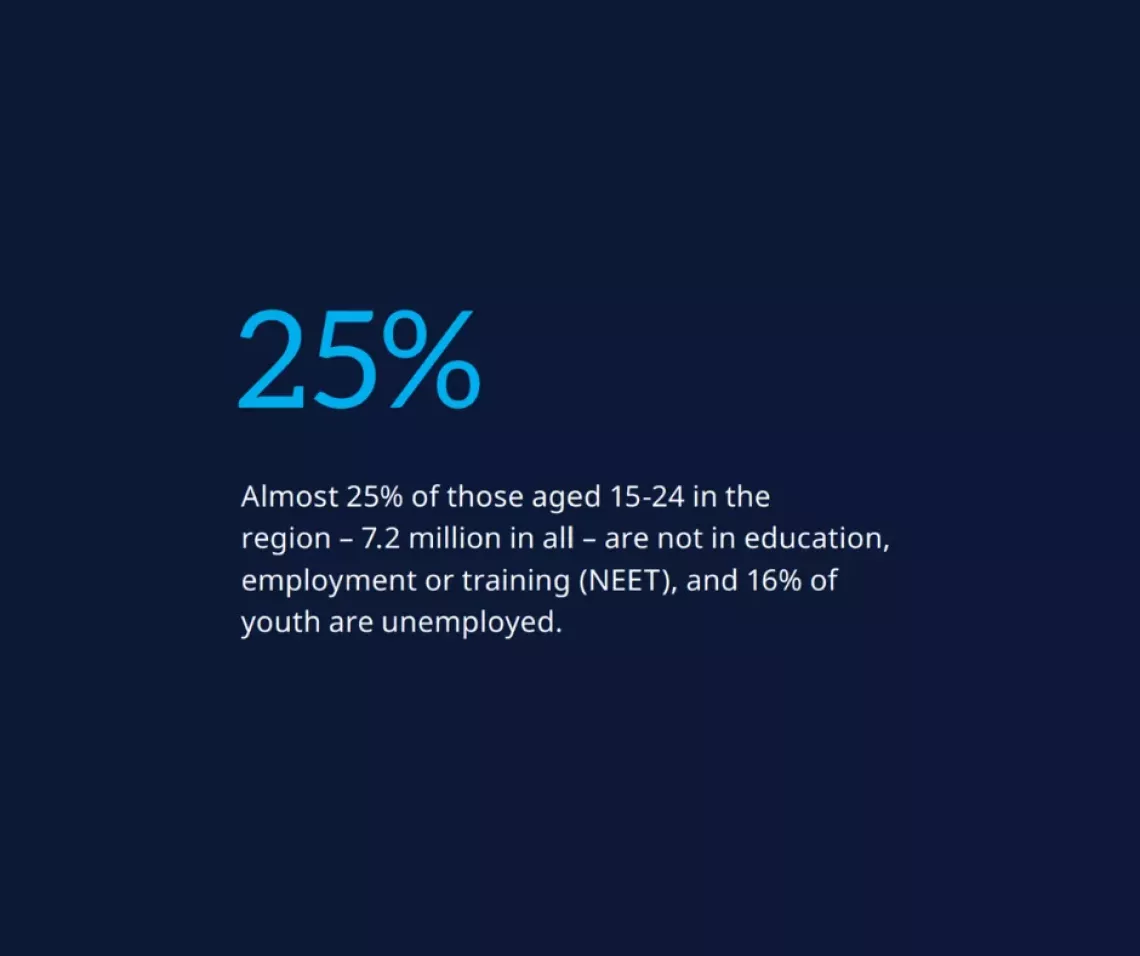
Yet many adolescents and young people in Europe and Central Asia have little chance to take part in the decisions that affect their lives or their communities, and their potential contribution to society is often overlooked. Many feel, for example, that they are not gaining the skills they need for decent work, and almost 25 per cent of young people across the region are not in education, employment or training – a waste of their vast potential for economic and social development.
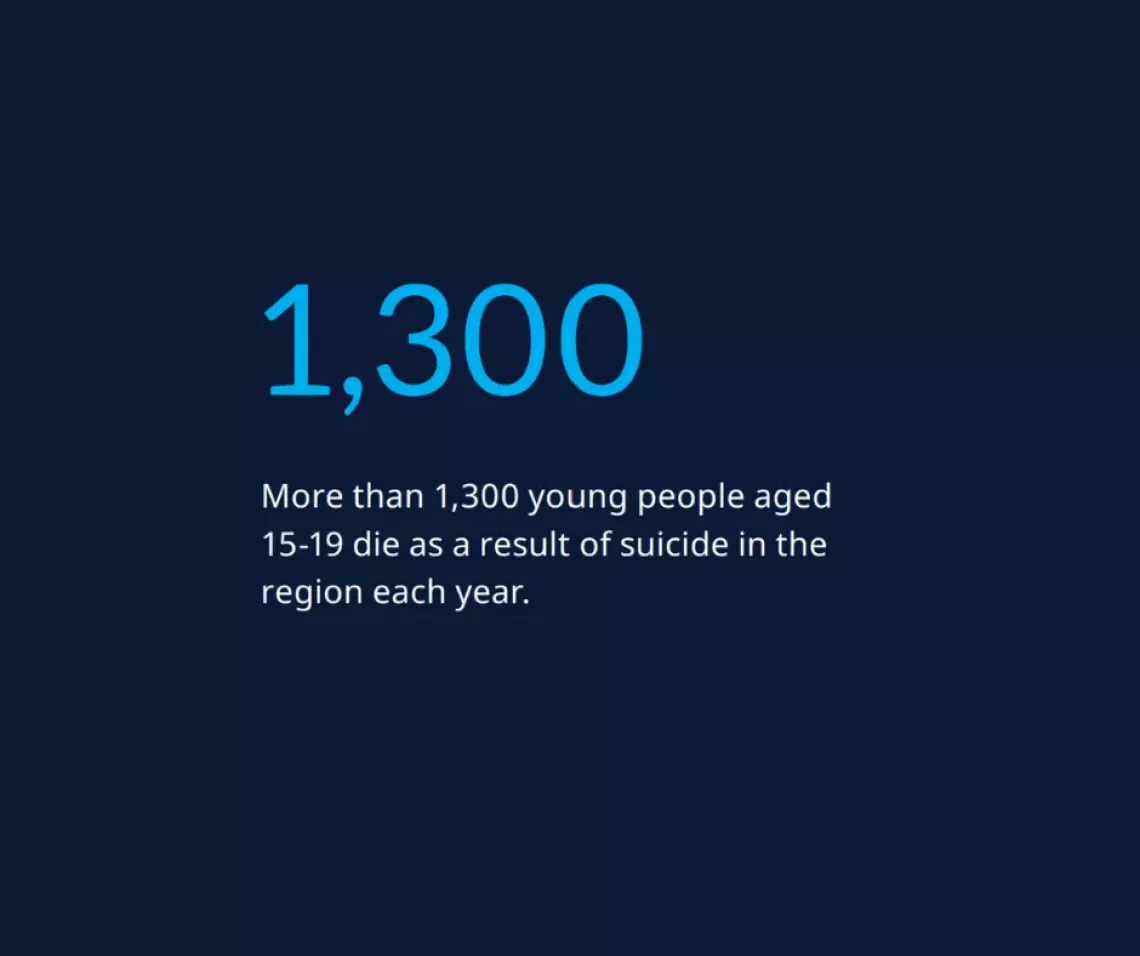
There are also concerns about poor mental health for some, which hampers their ability to learn and to make the transition to a productive adult life. Half of all mental disorders are thought to develop before the age of 14, and three-quarters by the time people are in their mid-20s. Suicide is a leading cause of deaths among adolescents and young people in the region: more than 1,300 young people aged 15 to 19 take their own lives each year, and there is a lack of tailored support for those who are in distress.
Adolescents and young people are eager to find solutions to the issues that concern them, including learning and skills, the transition to the world of work, mental health, and the urgent need for action on climate change. They are also vital UNICEF partners during emergencies – strong allies in building solidarity in the aftermath of conflicts and crises. Their meaningful participation and inclusion make for policies and services that are more responsive to their needs, of higher quality, more future-proof and more accountable, which benefits all of us. In particular, the inclusion of those who are the most marginalized and disadvantaged helps to build trust and social cohesion – vital in societies that are increasingly volatile and polarized across the region and worldwide.
UNICEF invests in opportunities for adolescents and young people to acquire the abilities, skills, values and experiences they need to negotiate life’s inevitable challenges and to become resilient and economically independent – backed by effective services to meet their specific needs at a pivotal time in their lives.
Files available for download
Key facts




Key policy frameworks
Convention on the Rights of the Child (1989)
Article 2: States Parties shall respect and ensure the rights set forth in the present Convention to each child within their jurisdiction without discrimination of any kind, irrespective of the child’s or his or her parent’s or legal guardian’s race, colour, sex, language, religion, political or other opinion, national, ethnic or social origin, property, disability, birth or other status.
General Comment No. 20 (2016) on the implementation of the rights of the child during adolescence
This provides guidance to States on the measures necessary to ensure the realization of the rights of children during adolescence.
European Union Youth Guarantee scheme (2013)
The EU’s continent-wide commitment to youth has aimed to create opportunities for young people. Reinforced since the COVID-19 pandemic, it aims to reach those aged 15–29 to ensure that they receive a good quality offer of employment, continued education, apprenticeship or traineeship within four months of becoming unemployed or leaving education.
Challenges
Adolescents and young people are the greatest assets for Europe and Central Asia – an unparalleled, and yet untapped, force for positive change and a precious source of human capital. Yet their right to participate in the decisions that affect them is often denied. As a result, their potential contributions to their societies, and their views on what needs to change and how, are often overlooked.
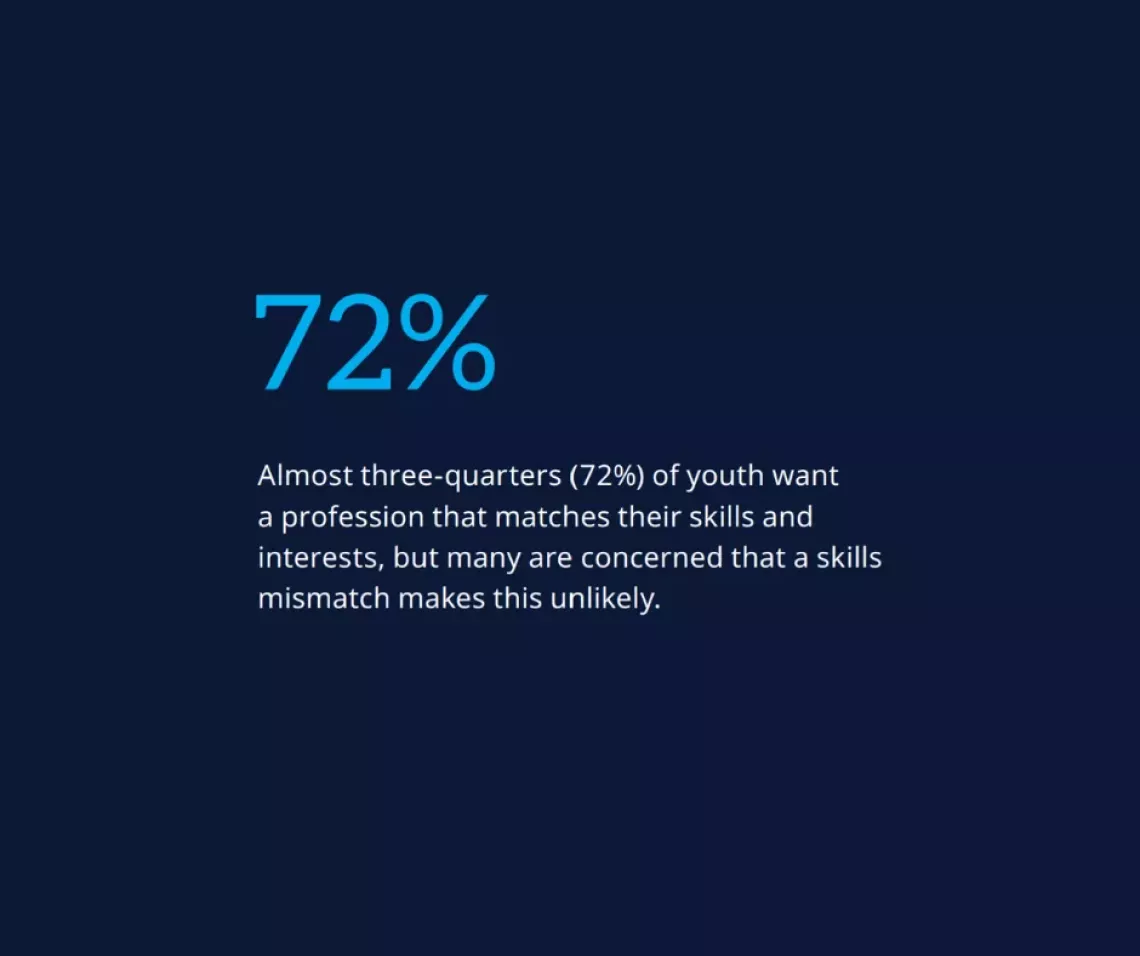
Adolescents and young people face particular challenges in the region. For example, adolescents in some countries face high risks of poverty: above 40 per cent in Romania and 35 per cent in Serbia. Almost a quarter of those aged 15-24 across the region are not in education, employment or training. This waste of human potential is linked to a lack of services tailored to the needs of adolescents and young people, including those that should equip them with the skills they need for a productive adult life. Not surprisingly, young people are concerned about a skills gap that could jeopardize their future prospects. More than 56 per cent of 15-24 year-olds who responded to a poll on this issue felt that school had prepared them for future studies or employment only “a little” or “not at all”.
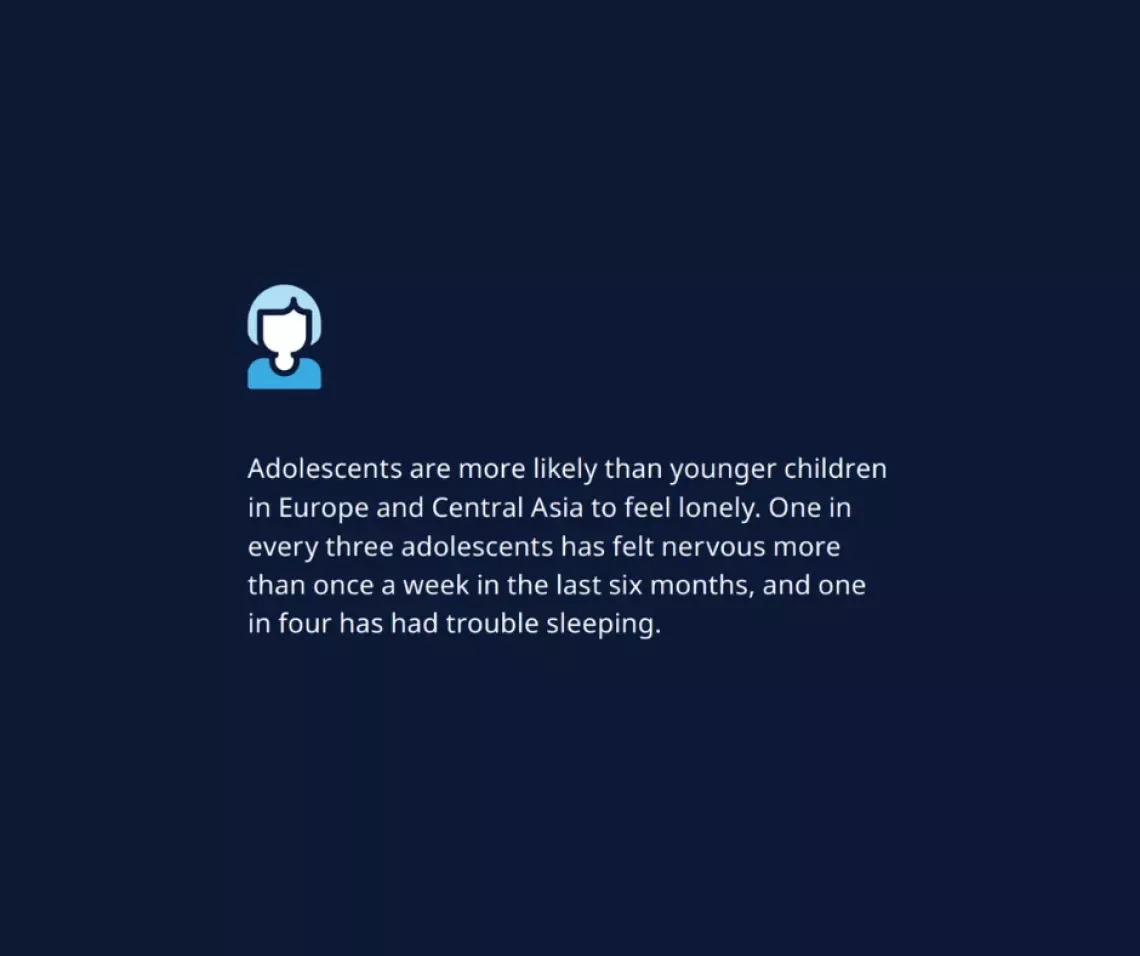
Adolescents and young people also face a lack of services to support their specific mental health needs at a time when they are going through momentous changes, physically, mentally and emotionally – changes that may lead to risk-taking. One third of adolescents in Europe and Central Asia say that they have felt nervous or irritable more than once a week in the last six months, and one in four report having trouble sleeping and/or feeling low. Loneliness increases as children move through their adolescence: almost twice as many 15-year-olds than 11-year-olds report feeling lonely in the last year. And more than 1,300 young people aged 15-19 die as a result of suicide in the region each year.
The challenges that confront adolescents and young people have been heightened by the legacy of the COVID-19 pandemic in the region and the restrictions imposed to curb its spread, not only on education and training, but also on the human connections so crucial for this age group. Adolescents have been particularly affected, with 15-year-olds more likely than younger children to report that the pandemic had a negative impact on their mental health.
Young people have a clear desire to participate in the decisions that affect them. Around half of those in EU Member States have taken action to change society in the past year, such as participating in rallies and writing to politicians, and one third of these have focused their action on the need to address climate change. Nearly all young people polled in Albania, Croatia, Serbia, Moldova and Ukraine (90 per cent) say that it is important for them to live in a ‘green economy’. Yet adolescents and young people have few opportunities to play an active role in climate change mitigation and adaptation efforts.
The importance of education and training – so vital to give them the green skills they need to help create green economies – is often overlooked in national climate change policies and programmes. As a result, the region has a long way to go, both in terms of encouraging their participation in solutions to the climate crisis, and in equipping them with the knowledge they need to support green transitions.

UNICEF’s work with and for adolescents and young people
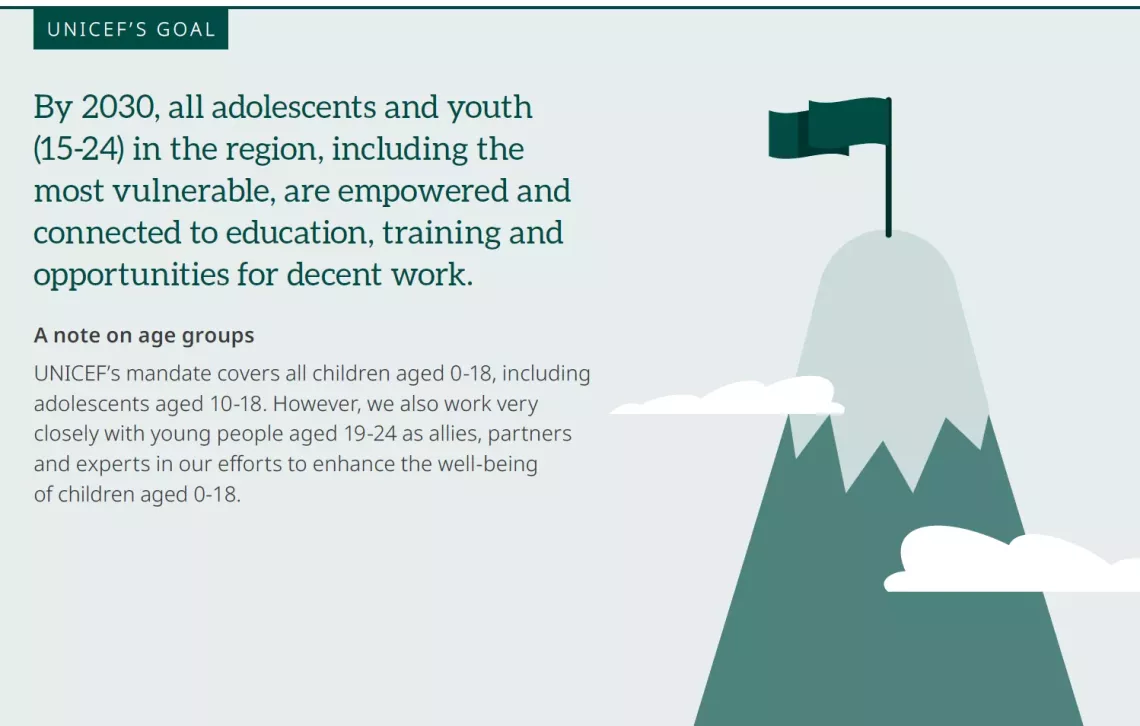
Investment in adolescents and young people in Europe and Central Asia is essential to uphold their rights and to enhance the region’s human and social capital. They are at the heart of UNICEF programmes that work with and for them, tapping into their ingenuity as a driving force for positive social change. We work with them to ensure that they all have the skills and opportunities they need for a happy, healthy and productive adult life. We also empower them to take charge and become active agents of change by supporting social cohesion and solidarity in their communities.
Our work with and for them focuses on three main areas: making the transition from learning to earning; support for their mental health; and empowering young people as champions for the climate and for the environment around them. We aim to embed their participation across all three areas to connect and empower them, to ensure that they have support that is high quality, relevant and accountable, and to build greater social cohesion.
As always, we focus on those who are most vulnerable, marginalized and most affected by multiple deprivations, such as poverty, violence, maltreatment, disability and social exclusion.
Making the transition from learning to earning
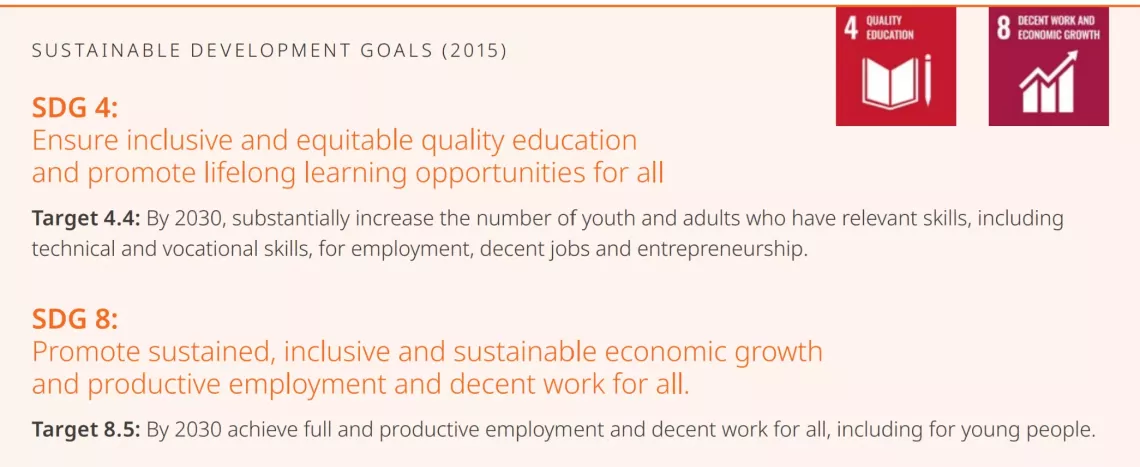
We promote greater investment and collaboration to connect adolescents and young people to learning, to new skills and to a successful transition to decent work. We take a multi-sectoral approach, particularly for those who are vulnerable, that spans a range of ministries and sectors, from education to labour. We recognize that they need support that fits their situation, whether they are still in education, have dropped out, are working in precarious jobs or in need of work. Our convening power and presence on the ground helps to engage multiple partners, including governments, the private sector and young people themselves, to leverage key policy instruments, such as the European Youth Guarantee.
We work to ensure that adolescents and young people have the chance to contribute to their societies. We help to equip them with the right skills to prosper in the 21st century, including vital digital and green skills.
UPSHIFT: youth-led solutions to youth concerns
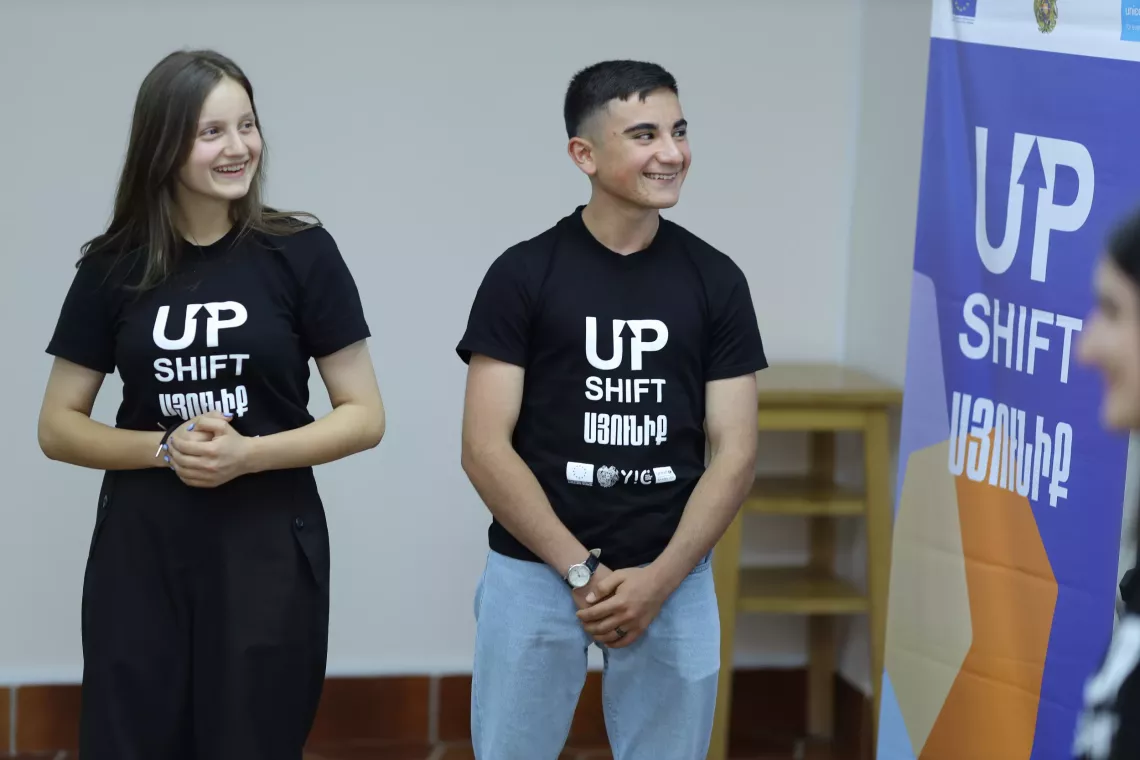
UPSHIFT, developed by UNICEF, aims to unlock the potential of young people aged 10-24 to drive lasting change in their lives and communities. For over a decade, it has been shifting views on young people’s capabilities and is now operating across nearly 50 countries.
By equipping youth with essential skills like problem-solving, creativity, collaboration, leadership, and communication, UPSHIFT prepares them to take charge of their present and future as entrepreneurs, employees and global citizens. It takes them on a learning journey that combines mentorship, workshops and an entrepreneurial challenge. UPSHIFT can be delivered in different formats, from in-person ‘boot camps’ to blended in-person and digital learning based on highly interactive online courses. By December 2023, more than
4 million young people worldwide had completed over 95 million learning hours.
Participants explore the challenges in their community that concern them and develop their own innovative solutions. They then pitch these solutions as part of an entrepreneurial challenge, with the most promising receiving seed funding and further mentoring.
In Europe and Central Asia, UPSHIFT has worked with young people who are not in employment, education or training in Kyrgyzstan, with ethnic minorities in Montenegro, and with conflict-affected groups in Ukraine. It has been used successfully to curb bullying in Belarus and is being embedded into formal education systems in Albania, Kosovo,1 Tajikistan and Türkiye.
1 All references to Kosovo should be understood to be in the context of United Nations Security Council resolution 1244 (1999)
Support for mental health
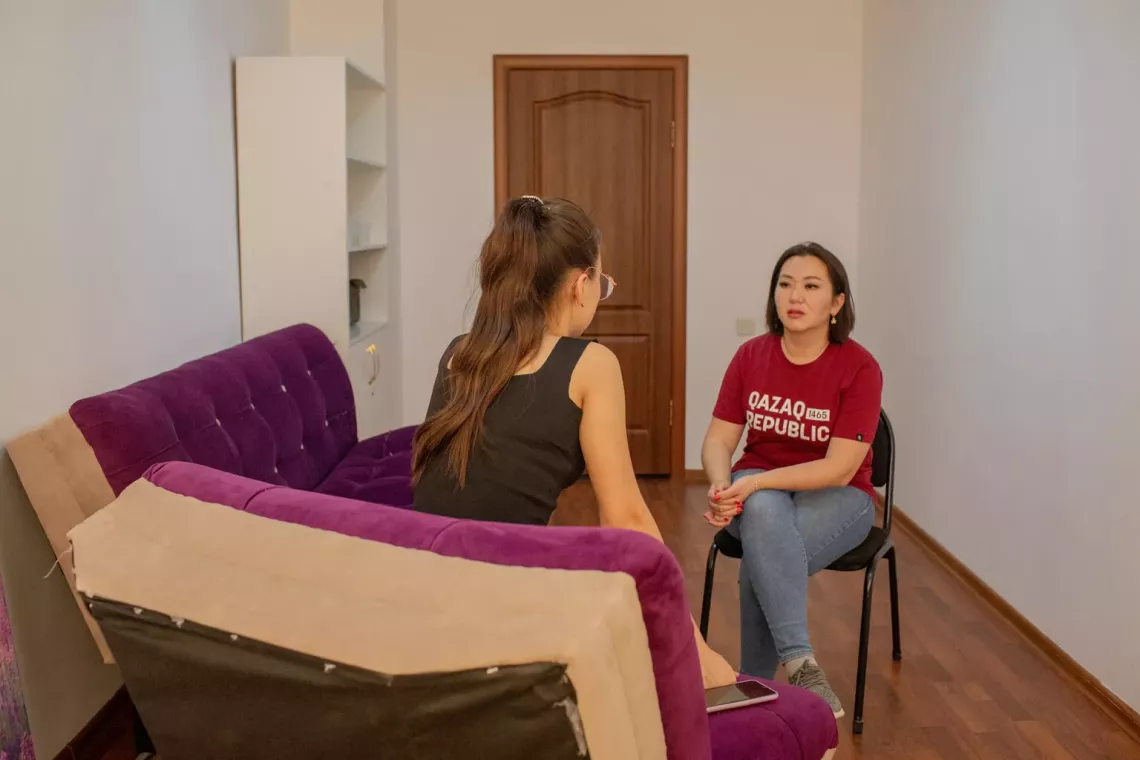
Good mental health is essential for every aspect of the lives of adolescents and young people. We support their mental health by involving them in efforts to reform youth mental health services so that they work with and for them. We also support the development of digital mental health solutions to connect youth to mental health professionals – vital for those who can’t access in-person services. ‘uSupport’, for example, connects young people with information and service providers in mental health, with the support of governments, professional care providers and the private sector.
uSupport: a digital solution for the mental health and well-being of adolescents and young people
uSupport – which has been called the ‘Uber’ of mental health – connects teenagers to support for their mental health, aiming to narrow the gap between demand for such support and current supply. It combines the very latest technological solutions with existing, on-the-ground government run mental health services.
Stigma often discourages teens from seeking help in person, and those who do seek help often face a lack of services tailored to their needs. Some who are struggling may turn to the Internet for information, with no guarantee that it will be appropriate, accurate, safe or helpful. uSupport can be a confidential, secure and trusted platform to provide support to youth where they are: online.
Developed with UNICEF support, uSupport gives users online and on-demand psychological support, covering common concerns, such as bullying, relationships, stress, anxiety, body image, conflicts and peer pressure. It also offers support on substance abuse, violence, depression, self-harm and suicidal thoughts.
uSupport is designed to be easily adapted to different needs and country contexts – used either as a whole platform or using selected modules and functions. Kazakhstan is preparing to roll out the uSupport platform, while Poland has started to adapt it to focus on Ukrainian refugees, as well as Polish adolescents and youth.
uSupport is being positioned as part of wider efforts to support mental health and psychosocial support (MHPSS) – a contribution to the achievement of universal access to quality prevention, care and support for all. In addition to being targeted to youth, uSupport is also reaching parents, caregivers and families, as well as professionals in the health, education and social protection fields, with MHPSS resources.
Empowering young people as champions for the environment
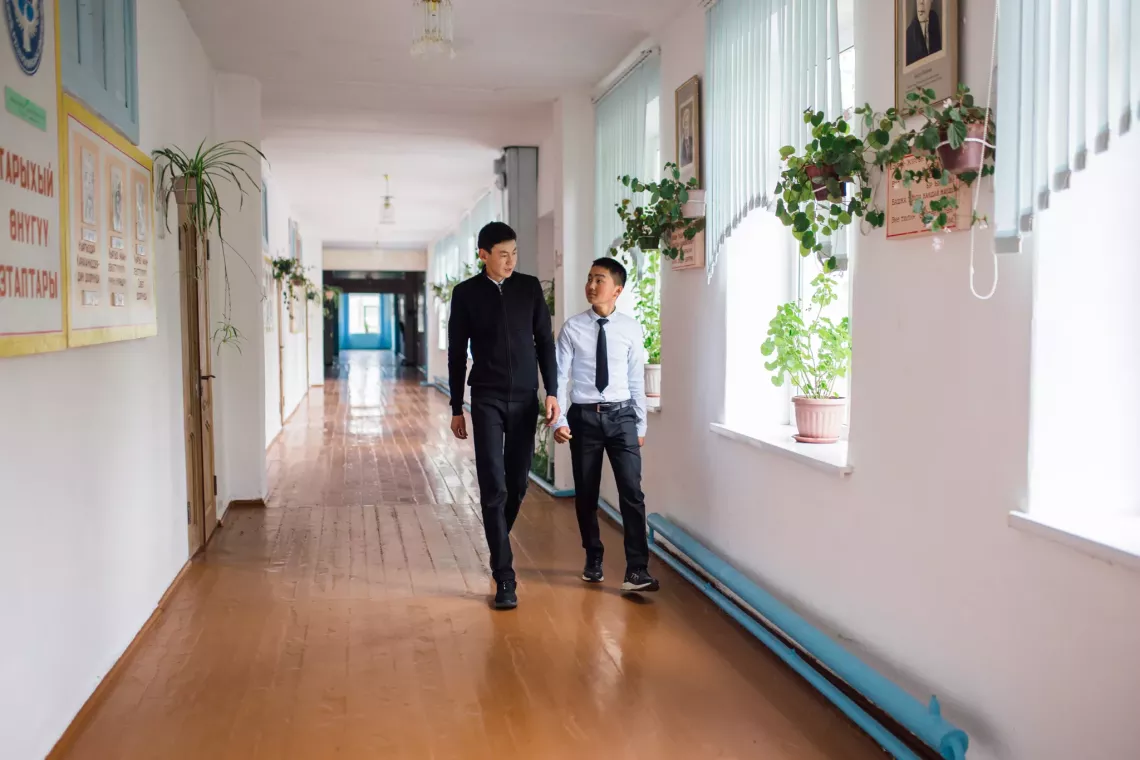
Adolescents and young people are not only concerned about climate change, they are also at the forefront of climate action. UNICEF supports governments to empower them – and listen to them – as champions for the environment and has supported the creation of platforms to involve them in sustainability, climate action and disaster risk reduction. As a result, they are developing new skills, including those linked to responsible consumption, water conservation, and the protection of biodiversity, among many others. Meanwhile, we continue to advocate for national climate and environmental plans that respond to their needs and encourage their participation, and we build partnerships to nurture the human capital that is needed for the green transition.
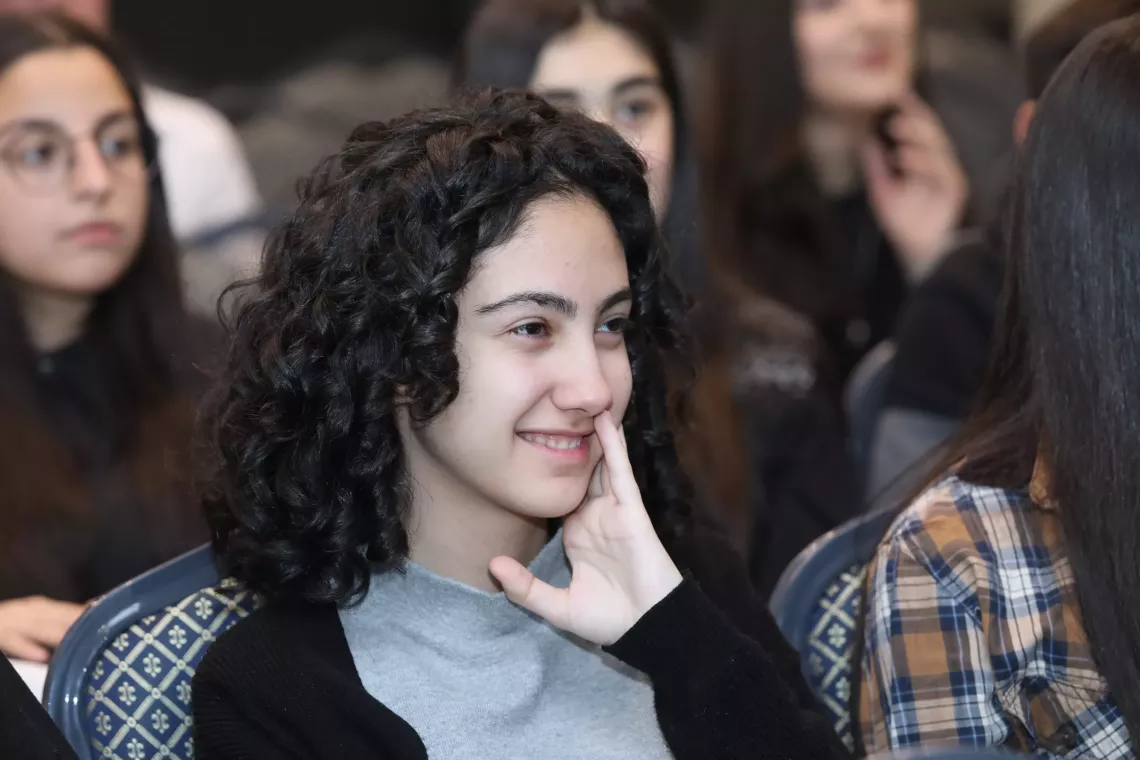
Above all, we uphold their right to participate – working with adolescents and young people – recognizing that their lack of participation is a form of rights deprivation. They need a stake – and a say – in their societies today, and into the future, but they often lack the space to share their views and solutions. We work to ensure that adolescents have a chance to participate actively in the development, implementation and monitoring of policies and services through innovative platforms such as U-Report, a free social messaging tool that enables adolescents to speak out in real time on issues that matter to them.
We bring together the public, private and voluntary sectors, families, and adolescents to foster dialogue and craft innovative solutions to connect adolescents and young people to their communities, boosting their opportunities to find decent jobs or start their own projects.
The Pathways initiative to support Ukraine’s youth
Ukrainian adolescents – whether still in Ukraine or in neighbouring countries – face severe challenges to their education and their employment prospects as a result of the war. Deterioration in their core skills, for example, includes a loss of almost two years in their reading literacy since 2018, according to the 2022 Programme for International Student Assessment (PISA).
In all, 40 per cent of those aged 14-25 have left Ukraine, and those still in the country find that their opportunities for education or employment are more limited. Fewer productive young people entering Ukraine’s workforce means fewer prospects for the country’s eventual economic recovery.
But even before the war, the skills acquired by Ukraine’s young people were not meeting the demands of the labour market. Research by UNICEF and the European Training Foundation shows that young people want practical experience and out-of-classroom opportunities, rather than traditional careers guidance that is often geared towards tertiary – rather than vocational – education.
Beyond Ukraine, there are 1.5 million Ukrainians in Poland, Czech Republic and Slovakia, including almost 300,000 aged 15 to 24. Many have not been engaging with the services available to them and they are often missing from systems of support and protection. In Poland, for example, only around 20 per cent of Ukrainian adolescents of school age were enrolled in secondary school at the end of the 2022 school year. Those out of school may face protection risks in the workplace, where many work without contracts, often working long hours for low pay.
UNICEF and its partners in Ukraine and in host countries are working on the Pathways initiative to support Ukrainian adolescents and youth to continue their education, build their skills, and access first-job opportunities. This builds on efforts by the European Union and Ukraine to support the aspirations of adolescents and youth. The EU’s Youth Strategy for 2019-2027, for example, supports their safe and ethical employment, lifelong learning, and employability – a commitment already piloted in Ukraine through programmes under the Ukrainian Youth Foundation (MOYS). Through Pathways, employers are now being encouraged to offer opportunities to adolescents and youth, with a focus on:
- multi-national companies with operations in both Ukraine and host countries
- companies requiring skills that will be a high priority for post-war recovery in Ukraine
- companies that focus on green economy jobs
- social-sector jobs for which there are labour shortages in both Ukraine and host countries, such as professional early childhood educators.
Importantly, Pathways will bring together adolescents and those working in the youth sector, so that they can work collectively to build on what works.
Call to action
For UNICEF, support for adolescents and young people is the final stage in a journey that began with investment in their development and well-being in their earliest years and that continued throughout their childhood. It is essential to ensure that this investment pays off for societies by helping them make a successful transition to a healthy, happy and productive adult life. Adolescents need to be connected to the pathways that will get them there.
We aim to build on the many positive results that have already been achieved to reach, connect and empower more adolescents and young people across the region. Initiatives such as uSupport, U-Report, UPSHIFT and more are paving the way: we now need to work with governments and other partners – particularly adolescents and young people themselves – to maximize their impact.