Our rights – a shared responsibility
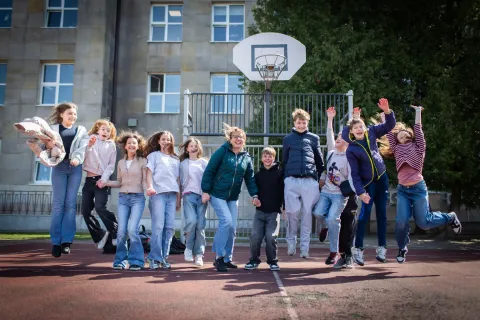
Four years after fleeing war, young people from Ukraine are no longer only finding their place in Polish schools – they are helping shape their school communities together with their Polish peers.

- English
- Polish
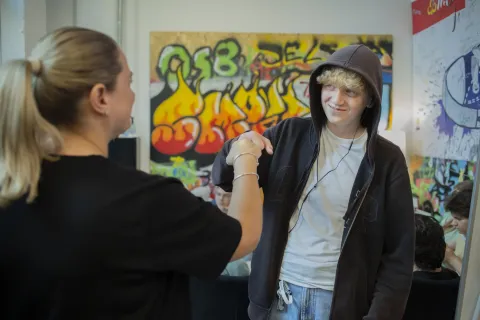
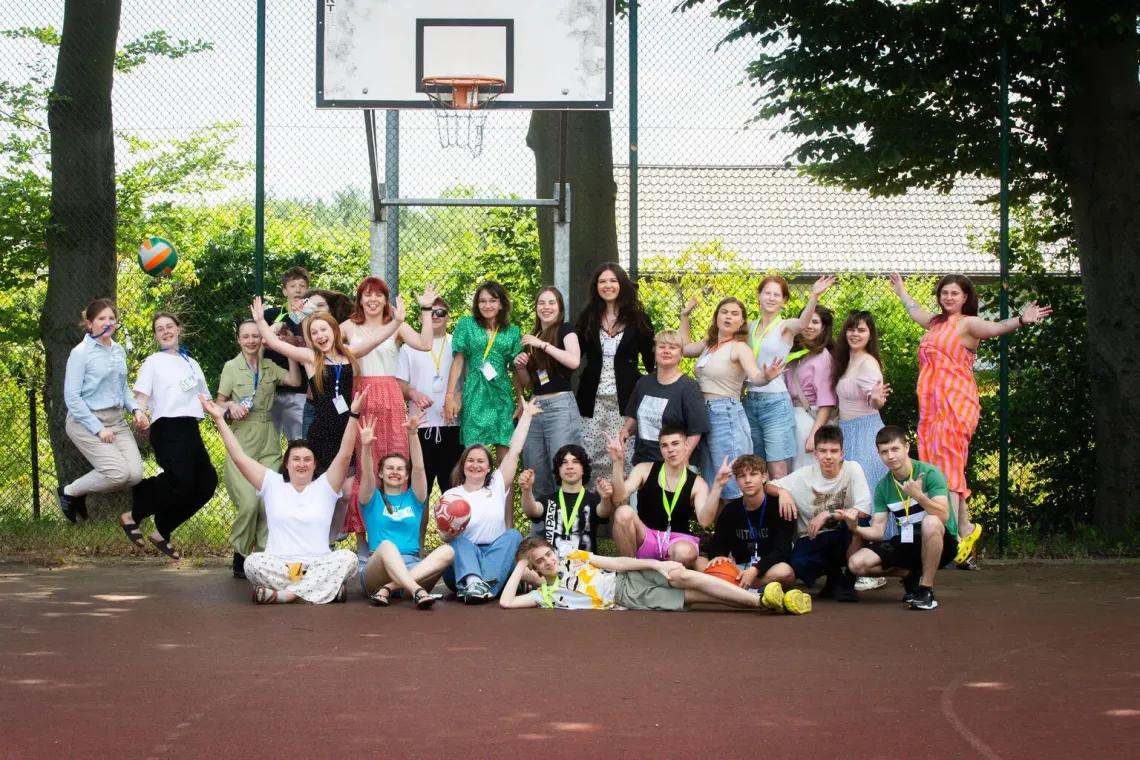
At a youth camp in Serock, Poland, markers squeak across large sheets of paper. Phones balanced against water bottles record short videos.
Some young people sketch posters. Others rehearse lines for recordings. Nearby, another group debates the slogan that will soon appear in schools and across social media:
"Our rights – a shared responsibility."
The young people here are creating a nationwide youth-led campaign that encourages students to know their rights and remind everyone in the education system that creating safe, inclusive schools is a shared responsibility.
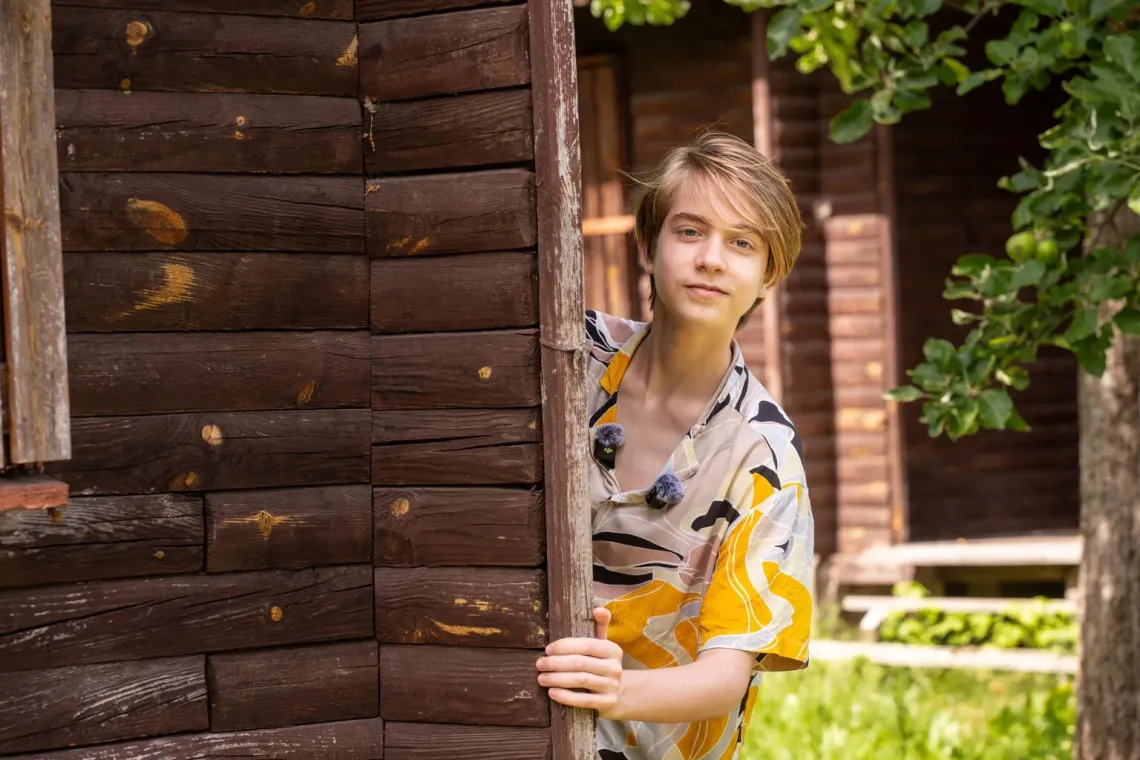
Among them is 15-year-old Danylo, who arrived in Poland on the second day after the escalation of the war in Ukraine in February 2022. He is now about to begin high school.
"There is already a lot of information about student rights," he says. "The challenge is helping people become interested enough to learn more. Even if one person learns just one new right because of our campaign, it already matters."
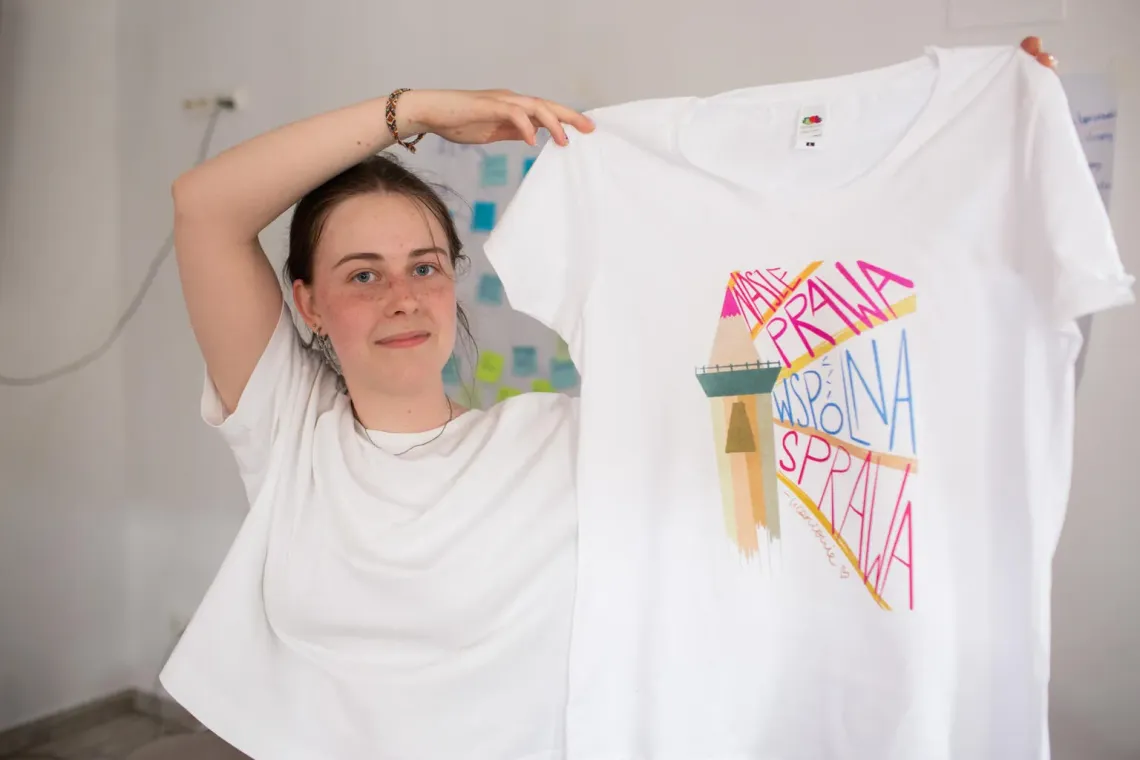
The idea for the campaign grew out of participatory research conducted between the University of Silesia in Katowice and a group of young refugees. The research found that many students were unfamiliar with their rights and often do not know what to do when those rights are not respected. In some cases, this led to students disengaging from or dropping out of school. The campaign grew out of this research.
"Before joining the campaign, I knew students had rights, but I had never really took time to think about them," says Lera, 19, a Ukrainian student who has just completed her second year at university in Warsaw. "At school we talked much more about responsibilities than about where to turn if those rights weren't respected."
The campaign aims to target different audiences – from students and parents to teachers, school leaders, student councils and education system decision-makers. Reaching so many different groups with one campaign was one of their biggest challenges. While each audience requires different messages and different communication channels, the single campaign slogan idea connects them all.
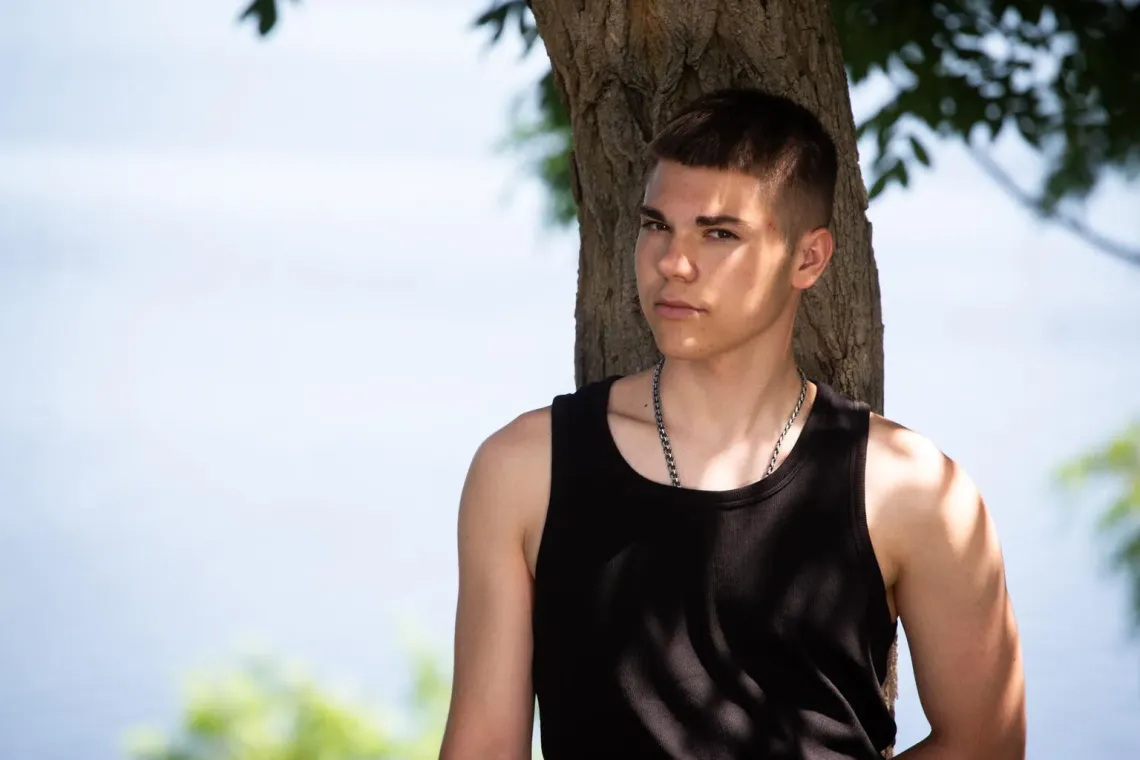
"We want to reach everyone who's part of education in Poland," explains 17-year-old Mykola, a secondary technical school student in Kraków who arrived in from Ukraine Poland two years ago. "Our campaign has five target groups. Each one has a role to play."
For many participants, the campaign is deeply personal. Not because they want to focus on the difficulties they faced after arriving in Poland, but because those experiences showed them how important it is for every student to feel respected, listened to and included. The campaign is for every student in the country.
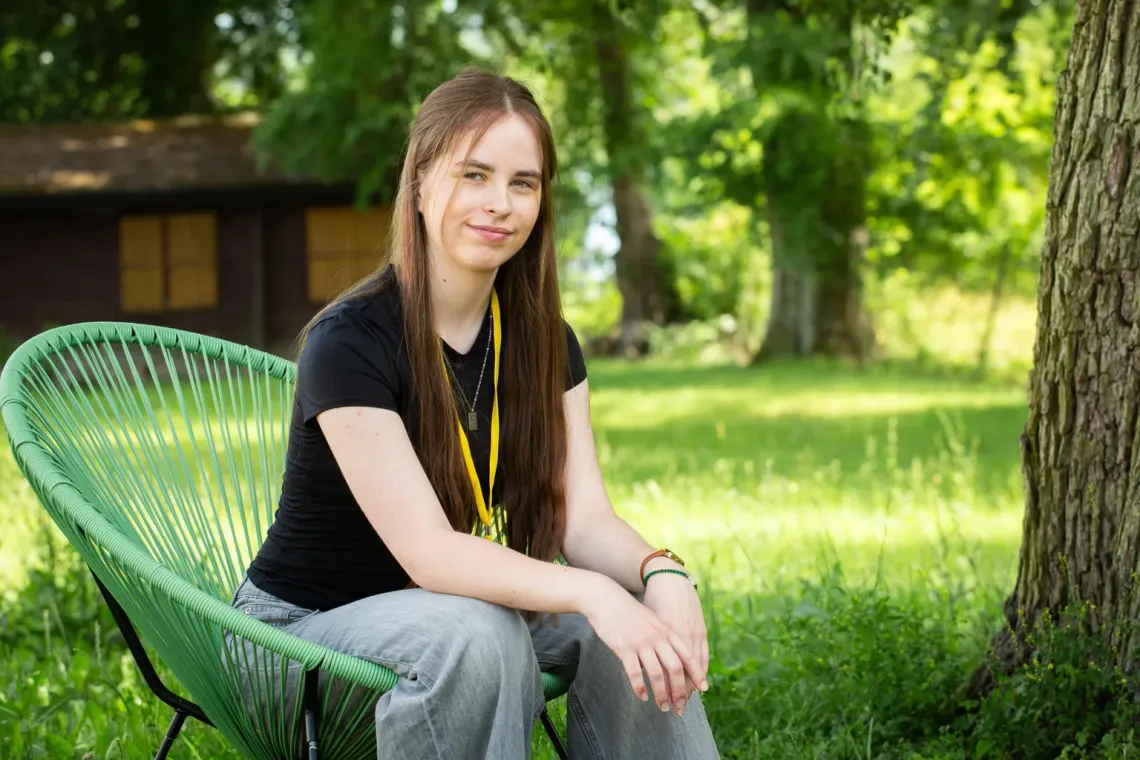
Sixteen-year-old Sofia moved from Kyiv to Poland as a child and later tried to help students arriving from Ukraine after 2022 settle into their new schools. She believes understanding student rights is about much more than knowing school regulations.
"When students know they will be heard, supported and treated with respect, they feel safer at school," she says. "Sometimes young people become so used to certain situations that they don't even realise their rights are not being respected. And this isn't only true for students from Ukraine. Many Polish students don't know their rights either."
"Students should feel they can express their opinions and discuss different ideas. In my civics classes we always started by talking about what was happening in the world. Those conversations taught us that different opinions matter," Danylo adds.
That spirit shaped the campaign itself. Rather than pointing fingers, the young people want to encourage dialogue and help different members of the school community better understand one another.
Throughout the bootcamp, communication, education and advocacy experts supported participants in transforming their ideas into professional campaign materials.
"We are students," says Mykola. "We know what students need. We can help adults understand our perspective."
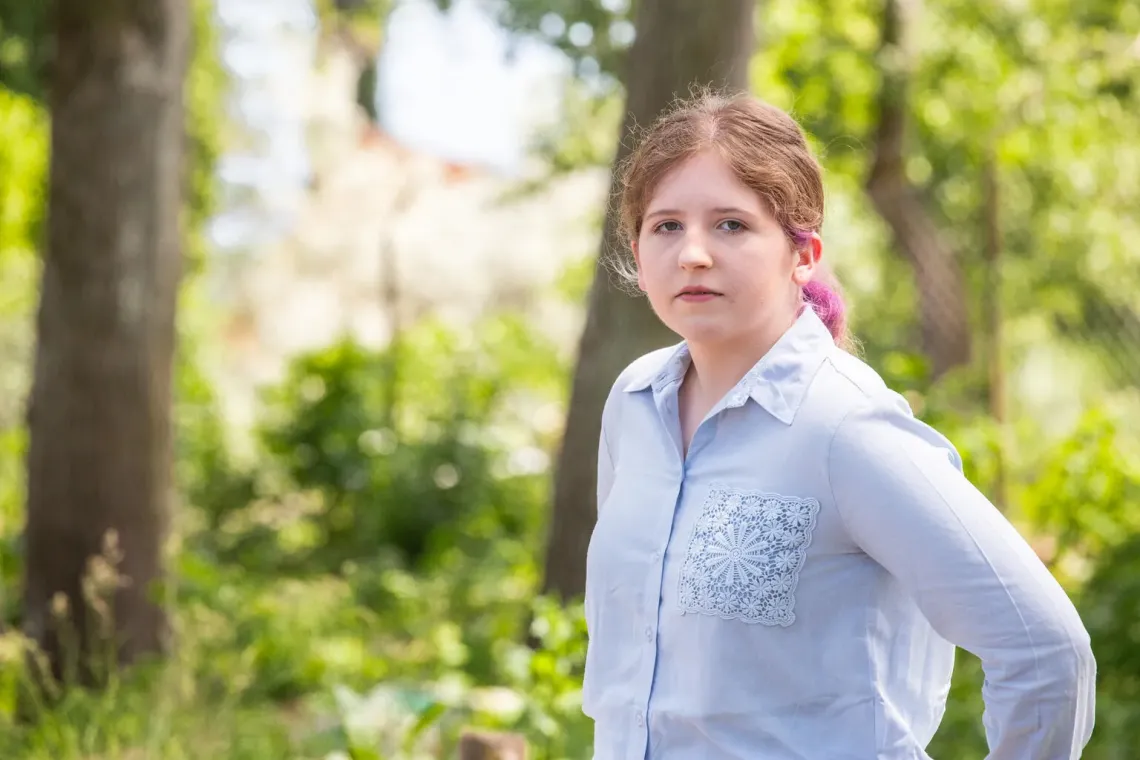
"The most important thing is bringing different groups together," says Marta, 18, who is from Kielce. "Everyone has their own perspective. We want to help people understand one another better. I think it's always worth trying to make a positive difference."
"Young people often trust one another differently than they trust adults," Sofia adds. "Adults don't always see what students really need. This campaign is our chance to show them."
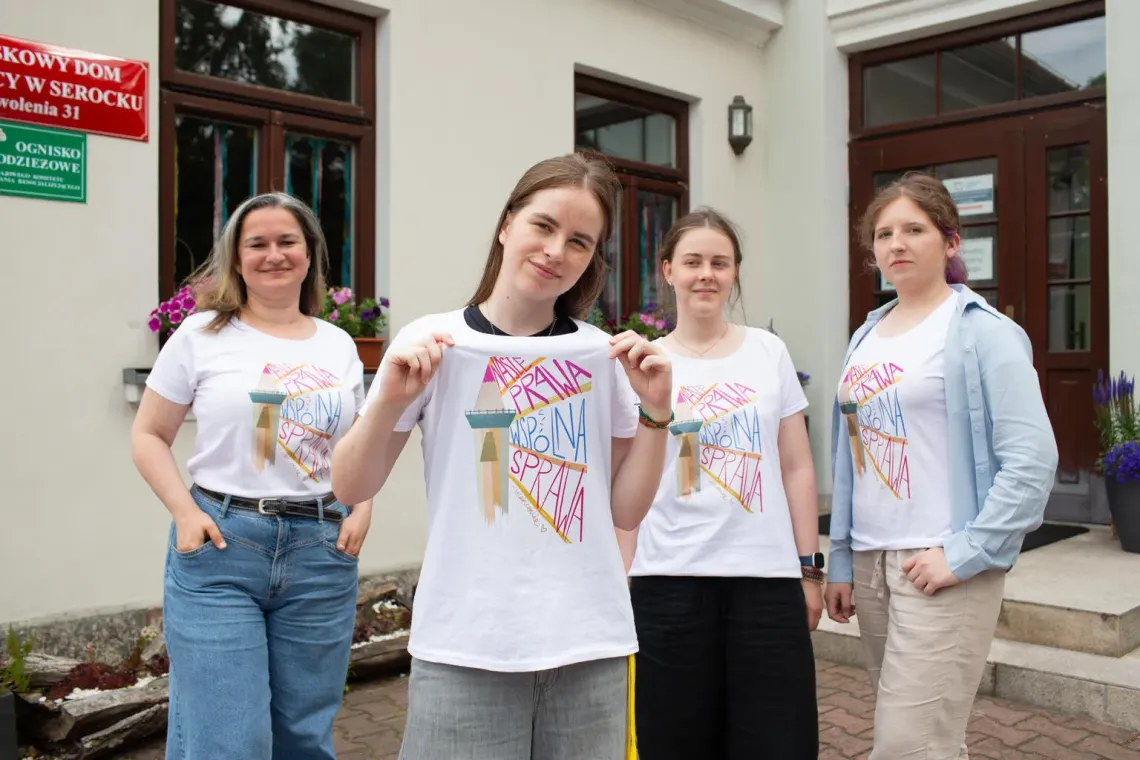
Four years after arriving in Poland from Ukraine, these young people are no longer newly adapting to life in Poland. They are now critical in helping shape their schools and communities. In the months ahead, their campaign will encourage peers, teachers, parents and school leaders across Poland to see student rights not simply as rules, but as a shared responsibility.
For the young people who created it, however, the most important change has already begun. It began when someone asked what they thought, listened to the answer and trusted them to help create change.
Developed by young people for the entire education community, the “Our rights – a shared responsibility” campaign is supported by the UNICEF Refugee Response Office in Poland, the Ministry of National Education and the Children's Rights Ombudsperson. This project reinforces a shared commitment to ensuring that every student feels heard, respected and safe at school.