Despite Ebola, 9-year-old Obed finds his way back to school in Ituri
In Bunia, prevention is helping ensure a safer return to school for children.

- Français
- English
In Ebola-affected provinces, the start of the school year is tailored to the level of risk: in-person learning with preventive measures in green zones, strengthened precautions in orange zones, and temporary distance learning in red zones. In Bunia, these measures are helping children continue their education in a safer environment.
Every morning before leaving for school, 9-year-old Obed Dawa carefully prepares his uniform, briefcase and notebooks.
For him, the start of the school year is synonymous with joy: the joy of returning to his classroom and continuing to learn.
But this school year begins under exceptional circumstances. The Ebola outbreak in Ituri has become part of children’s daily lives, affecting even the most routine moments of their school day.
I'm afraid to play with my friends because there's Ebola,
A new routine at school
At Bakoko Primary School in Bunia, prevention measures are now part of the daily routine. Before entering their classrooms, students wash their hands and have their temperatures checked. These practices have become routine for both students and school staff.


“Handwashing stations have been installed in front of each door so that we can wash our hands with soap. The teacher also checks our temperatures before we enter the classroom,” he explains.
The equipment is part of the infection prevention and control and water, sanitation and hygiene kits provided by UNICEF to schools in Ebola-affected areas, in support of the Government of the Democratic Republic of the Congo.
In Ituri, 350 schools are targeted for support, and 202 have already received the kits.
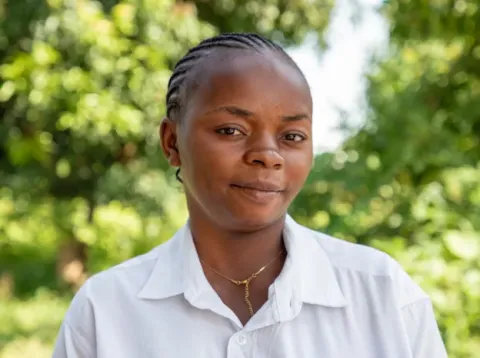
This support has strengthened the measures already in place at the school, explains Déborah Ageno, Director of Bakoko Primary School.
These measures have helped schools resume their activities while reassuring families and communities who remain concerned about the disease.


Learning how to stay safe
At school, Obed does more than learn to read and count. Alongside his classmates, he also learns to recognize the signs of Ebola and the actions that can help reduce the risk of transmission.
At just 9 years old, he can already explain some of the lessons he has learned.
“We were taught to recognize the signs of Ebola: vomiting, headaches, nosebleeds, diarrhoea and fever. We were also taught not to touch someone who has died,” he says.
This awareness-raising extends far beyond Obed’s school. Across the province, 150 trainers have been trained to support more than 19,000 teachers in Ituri with guidance on preventing and controlling Ebola in schools. Through these teachers, the messages can also reach students, their families and their communities.
Continuing to learn despite the outbreak
During an outbreak, keeping children in school is not only about ensuring continuity of learning. It also gives them the knowledge and tools they need to better protect themselves.
“The preventive measures and handwashing kits in place should also help reassure parents,” adds Déborah Ageno.
Tomorrow morning, Obed Dawa will once again prepare his uniform, pack his notebooks into his schoolbag and head to school. At the entrance to his classroom, he will wash his hands before returning to his lessons. Even amid the Ebola outbreak, one thing remains essential to him: continuing to learn.
Efforts to protect children and communities from Ebola are supported by several UNICEF partners, including CERF, Japan, the United States, ECHO, the DRC Humanitarian Fund, the Mastercard Foundation and the Rawji Foundation.