UNICEF reaches 250,000 people with life-saving guidance in Ebola hotspots in DR Congo
Teams are working to reassure parents that it is safe for children to go to school

- Français
- English
KINSHASA, 15 October 2025 – UNICEF has reached more than 250,000 people with messages on disease prevention in hotspot areas of the ongoing Ebola outbreak in the Democratic Republic of the Congo that has claimed 32 lives, including 12 children in the past month.
The current outbreak – the sixteenth in DRC since the virus was first discovered in 1976 – was declared on 5 September in Kasai province. Since then, 53 confirmed cases have been reported, of which 18 were children.
Timely and accurate information is provided to help save lives in public health emergencies like an Ebola outbreak. UNICEF, together with the government and partners, is leading efforts on risk communication and community engagement as part of the response.
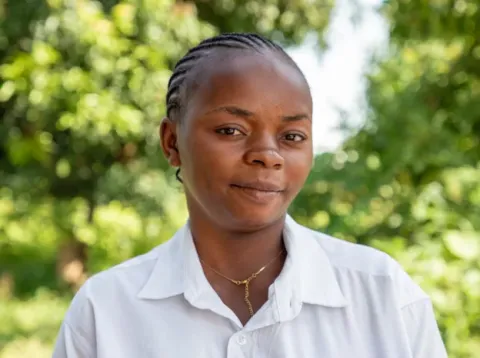
“Overall, there is much less panic now than during previous outbreaks,” says Antoine Kabinga, a member of UNICEF’s Social and Behaviour Change team on the ground in Bulape. “In general, people know that vaccines and treatments exist – and that they can recover if they seek care early. But we still need to ensure that people have the life-saving information they require and quash any harmful rumours that emerge.”
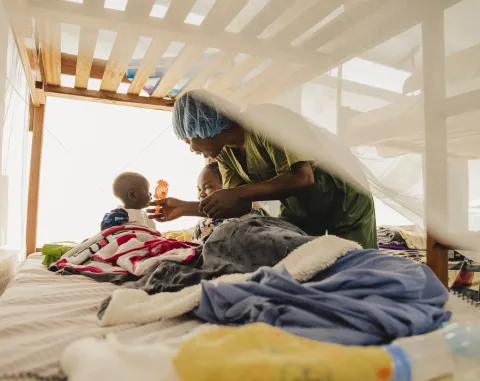
Kasai is one of the most fragile provinces of the country, with a weak health system. Because the existing health facility in Bulape was not adequate to manage an Ebola outbreak, a treatment centre was built to provide care for patients.
Ebola Treatment Centres are often the target of dangerous rumours – including false claims that few people ever leave alive – all of which can fuel fear and prevent families from seeking life-saving care.
In anticipation of such rumours, UNICEF arranged for a group of seven traditional community leaders to visit the centre to be able to reassure local families that nothing untoward was happening.
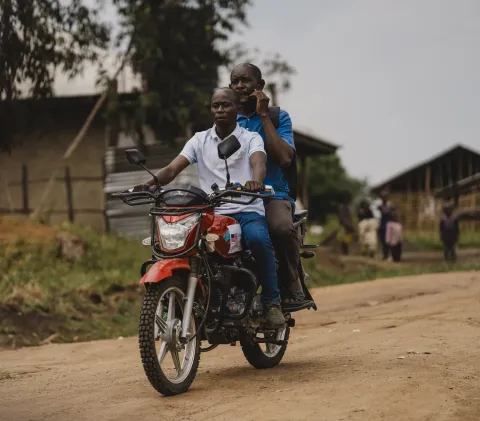
In addition to this visit, UNICEF and partners have trained more than 700 community mobilizers to go from house to house to share information, raise awareness about the virus and address rumours. They have also disseminated information via flyers, social networks, and radio spots. A team of UNICEF-trained “Web Watchers” monitors social media platforms to identify and respond to such content.
The high number of alerts about suspected cases coming from communities – about 30 per cent of all alerts – shows that the community engagement approach is working: people can recognize symptoms and have enough confidence in the system to seek help.
The strong demand for vaccines is another clear success. With sufficient doses available to carry out a mass vaccination campaign in the six health areas at highest risk, teams are aiming to vaccinate around 1,100 people per day. To date, almost 32,050 people have been vaccinated.
Some challenges remain. Although the authorities have deemed that schools are safe to open, some parents remain reluctant to send their children to classes.
“Our community engagement teams are working with parents to reassure them that sending their children to school is safe,” says Kabinga.
UNICEF is working with the Health Division to ensure that schools are safe. A total of 15 schools attended by 4,000 pupils in Dikolo and Bulape have received UNICEF kits containing items such as handwashing units, soap, chlorine, and thermometers.
Teams are also visiting schools to teach children about the disease, show them how to wash their hands properly, and explain that daily temperature checks can spot one of the earliest signs of infection – fever – so that anyone who may be sick can receive care quickly and prevent the virus from spreading.
UNICEF aims to reach all 112 schools across the seven affected health areas, enabling more than 25,400 students to continue their education in a safe environment.
Media contacts
Additional resources